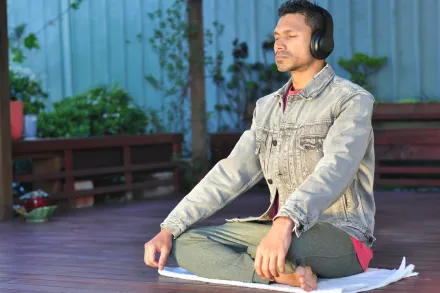
In a world saturated with stimuli and rapid shifts in mood, many people seek a steady inner weather to keep their days productive and relationships healthy. Meditation offers a pathway to emotional balance that does not rely on willpower alone, but on training attention, noticing thoughts without judgment, and choosing responses rather than reflexes. When practiced regularly, meditation becomes a quiet ally that helps the nervous system settle, the breath slow, and the mind turn its gaze inward to understand what is happening inside. This introductory exploration reveals how a simple practice can transform daily life, influence mood, and cultivate a supportive stance toward both difficult emotions and ordinary joys.
Understanding Emotional Balance and Meditation
Emotional balance is not the absence of feeling but the capacity to experience a range of emotions with steadiness and discernment. Meditation works by inviting a gentle distance between the observer and the observed, a stance where thoughts, feelings, and bodily sensations float into awareness without forcing immediate action. In this stance the heart learns to recognize signals from the body, the breath serves as an anchor, and the mind learns to slow its tempo. Over time, this practice helps people meet stress without being overwhelmed, allowing responses to align more closely with values rather than impulsive reactions.
The practice does not erase pain or struggle, but it reshapes the relationship to them. When attention is trained to rest on present experience, emotions lose some of their sting because the mind becomes skilled at labeling and contextualizing what is happening. This does not require heroic effort; it invites a small slowing of the internal clock, a quiet invitation to pause, observe, and choose. In many cases, this shift opens space for constructive action, empathy, and a deeper sense of agency.
Physiological Effects of Meditation on the Nervous System
Meditation interacts with the body's nervous system by promoting a state that favors rest, repair, and regulated arousal. Regular practice tends to increase vagal tone, a measurable sign of the autonomic nervous system's ability to switch smoothly between active and calm states. As the breath lengthens and deepens, the sympathetic impulse cools, and the parasympathetic system takes the lead, supporting a feeling of safety that underpins clearer thinking and emotional steadiness. In this mechanism lies a bridge between inner experience and outward behavior that meditators often notice in daily interactions.
Beyond immediate calming, meditation can influence hormonal and inflammatory processes associated with stress. While the details vary from person to person, many practitioners report a more resilient stress response, characterized by a quicker return to baseline after a perturbation. The brain also shows functional changes in areas linked to self-regulation and attention, such as parts of the prefrontal cortex and the anterior cingulate cortex, which can become more efficiently activated during moments of emotional challenge. The net effect is a steadier inner climate that supports balanced emotions over time.
Meditation Techniques That Promote Emotional Regulation
A wide range of meditation practices can contribute to emotional regulation, yet all share a common thread: sustained attention, nonjudgmental noticing, and a gentle stance toward experience. Breath awareness invites awareness of inhalation and exhalation as anchors, creating a pliable center from which to observe rising emotions without becoming immersed in them. When the mind wanders, as it naturally does, curiosity replaces self-criticism, and the return to the breath becomes a friendly reset rather than a defeat.
Another approach emphasizes loving kindness and compassionate intention, guiding attention toward oneself and others with warm wishes for well being. This tone of practice can soften self-judgment and enhance social connectedness, two ingredients that support emotional balance in relationships. A body scan invites attention to physical sensations in a graduated sequence, helping to expose the somatic underpinnings of stress and release habitual patterns of tension. Each technique offers a different doorway into steadiness, and many people find heartful combination of practices to be particularly effective.
Mindfulness and Attachment to Emotions
Mindfulness teaches a fundamental reversal: rather than clinging to pleasant feelings or pushing away discomfort, one learns to observe as if from a small, benevolent observer. This orientation reduces the automatic reactivity that often fuels emotional avalanches. When a difficult emotion arises, noticing its onset, its texture, and its duration without immediate action creates a window in which choice can occur. This window becomes a hinge between stimulus and response, allowing calmer evaluation to guide steps forward instead of knee-jerk reactions.
As this perspective deepens, emotions shift from being overwhelming events to signals that carry information. The mind begins to distinguish between the story that thoughts tell and the raw sensation that accompanies experience. With practice, reactions become more proportional to the situation, and responses grow more connected to long-term aims such as health, harmony, and authentic connection with others. In daily life, even moments of irritation can be met with a steady breath, a slower pace, and a kinder interpretation of others and oneself.
Reducing Stress, Anxiety, and Mood Instability
Evidence from diverse groups shows that meditation can reduce the frequency and intensity of stress responses, which in turn lowers the likelihood of mood turbulence. The simple act of choosing to pause before answering a charged message or a provocative remark can create a micro-habit that accumulates into broader emotional resilience. Over days and weeks, small reductions in physiological arousal translate into clearer thinking, better mood regulation, and more reliable emotional weather across different contexts.
For people who struggle with worry and rumination, meditation can offer a counterweight to the cycle of negative thought loops. By repeatedly returning attention to present experience, the mind learns to decouple from the momentum of repetitive ideas, and emotional storms are less likely to escalate. While meditation is not a magic cure, it serves as a practical tool that supports calmer perceptions, kinder self-talk, and steadier interactions with others, especially during challenging times.
Improved Self-awareness and Compassion
The cultivation of self-awareness is at the core of emotional balance, and meditation provides a reliable path to it. When attention is directed inward with patient curiosity, the practitioner notices patterns in mood, triggers, and preferred coping styles without self-criticism. This awareness fosters a gentler internal climate, making it easier to respond with intention rather than impulse. The practice also opens space for compassion, both for oneself and for others, because it reframes experiences as shared human striving rather than isolated episodes of frustration or sorrow.
As self-compassion grows, so does the capacity to hold others with empathy. The mind becomes less likely to jump to conclusions, less prone to blame, and more willing to listen. This increase in emotional intelligence supports healthier relationships and reduces the energy drain that arises from constant internal conflict. In practice, even brief moments of warm, kind attention toward oneself can ripple outward, improving tone, patience, and collaboration in teams, families, and friendships.
Building Resilience Through Consistent Practice
Resilience emerges not from flawless mood but from repeated exposure to stress in a controlled way that allows the nervous system to adapt. Regular meditation strengthens this adaptive capacity by training the brain to respond rather than react, to notice before judging, and to recover quickly after perturbations. The cumulative effect is a greater sense of inner steadiness that survives the ebbs and flows of daily life. With time, small practice sessions accumulate into a robust personal competence that supports emotional balance even when life becomes noisy.
In practical terms, resilience builds as one learns to reframe setbacks as temporary experiences within a larger mosaic of well-being. The mind learns to acknowledge disappointment without surrendering to it, to recognize fear without being consumed by it, and to notice happiness without clutching for it. This flexibility reduces the cost of emotional upheaval, enabling relationships to weather conflicts, work to stay productive, and personal goals to stay in view. The soul of resilience is a trustworthy friend that does not erase hardship but lightens its burden through practiced grace.
Integrating Meditation into Daily Life
Daily integration is the practical heartbeat of emotional balance. It can begin with short, regular breaths during routine moments, extended sessions on quiet mornings, or mindful pauses that punctuate the busiest days. The key is consistency rather than intensity, a gentle commitment to return to the present experience at predictable moments. By weaving practice into everyday activities, such as walking, eating, or even commuting, the mind learns a steady rhythm that supports emotional regulation across different environments.
Some people prefer a dedicated routine, others favor spontaneous practice when tension rises. Either approach can be effective when it remains personal and sustainable. The creation of a simple ritual, such as a familiar posture, a comfortable seat, or a preferred focal point, helps the brain predict what comes next and reduces the friction that often derails new habits. As practice becomes more natural, the sense of inner furniture reorients, and emotional balance arises not from an external condition but from a cultivated internal landscape.
Common Barriers and How to Overcome Them
Barriers to regular meditation often revolve around time, distraction, and doubt about the value of practice. Busy schedules can fragment attention and make the idea of sitting still feel like a luxury rather than a necessity. When the mind wanders, it can feel discouraging, but the skillful response is not self-criticism but a patient redirection back to the chosen anchor. Small, repeated acts of returning to the present moment accumulate into meaningful change over days and weeks.
Another common challenge is the sense that progress is invisible or too slow. In truth, changes may be subtle at first but become more noticeable as practice deepens. It helps to approach meditation with curiosity and to avoid turning it into another performance metric. Support from a teacher, a friend, or a community can provide encouragement, accountability, and shared wisdom that keeps the practice alive during difficult phases. Patience, gentleness, and a realistic expectation of growth are essential companions on the path toward emotional balance.
Evidence and Practical Outcomes
Across diverse populations, research suggests that meditation can produce measurable improvements in mood, stress reactivity, and overall well-being. Meta-analyses often point to reductions in anxiety symptoms, enhancements in attention, and improvements in sleep quality, all of which contribute to steadier emotional functioning. While not a universal remedy, meditation appears to offer a reliable means of shaping how the mind responds to challenge and how the body recovers after stress. These outcomes tend to be more durable when practice is sustained over weeks and months rather than pursued in bursts.
In clinical settings, mindfulness and related forms of meditation have shown promise as complementary supports for a range of conditions, including depression, post-traumatic stress, and chronic pain. The practical implication is that emotional balance can be learned and reinforced through consistent training of attention, breathing, and compassionate intention. Even in wellness programs that emphasize resilience and well-being rather than diagnosis, participants report a greater sense of control, more compassionate self-talk, and a calmer presence that enhances daily functioning and relationships.
Long-Term Emotional Balance and Relationships
Over the long term, the stabilization of emotional responses tends to reshape how people relate to one another. When individuals experience fewer extreme swings in mood, conversations become more constructive, conflicts less heated, and listening more attentive. The change is not only personal but social, because a calmer inner life radiates outward into trust, warmth, and reliability. In families, friendships, and workplaces, emotional balance supports clearer communication, steady collaboration, and a readiness to repair misunderstandings with patience and care.
Maintaining momentum requires ongoing attention, curiosity, and care. The quiet practice of sitting with one breath, noticing what arises without losing one's center, can become a reliable anchor through shifts in seasons, work stress, or interpersonal tension. The discipline of daily or near-daily practice yields dividends in resilience, empathy, and a sustained sense of purpose. In adopting meditation as a companion, individuals often discover that emotional balance becomes less of an achievement to chase and more of a state to nurture as part of a larger, humane approach to living.