In this exploration, we examine how naturopathy positions itself within the framework of preventive care, looking at its philosophies, tools, and the everyday implications for individuals aiming to reduce risk factors and promote long term wellness. Naturopathy emphasizes the body's inherent capacity to heal and balance itself when supported by natural, minimally invasive interventions, and it places prevention at the center of the therapeutic conversation rather than treating symptoms alone. This orientation resonates in communities seeking holistic approaches to health that respect interconnected systems rather than isolating organs or diseases. By focusing on the root causes of illness and the potential for sustainable well being, naturopathy invites a patient journey that emphasizes lifestyle choices, early detection of subtle shifts in health, and collaborative care that honors the preferences and values of the person seeking guidance.
Foundations of naturopathy and preventive philosophy
The foundations of naturopathy rest on a respect for the self-healing power of the living body, a commitment to nonharmful therapies, and a philosophy that disease emerges when complex systems are out of balance. In preventive care, these ideas translate into proactive strategies that aim to reduce exposure to hazards, strengthen resilience, and support the body's regulatory mechanisms. The practitioner typically begins with a comprehensive assessment that considers physical, emotional, social, environmental, and lifestyle factors, recognizing that health is not a single state but a dynamic equilibrium. The emphasis on prevention is woven into every interaction, with attention given to early warning signs, subtle imbalances, and opportunities to fortify defenses through natural means before symptoms mature into chronic conditions.
Core modalities used in preventive naturopathy
Preventive naturopathy draws on a range of modalities that are intended to complement conventional care and empower individuals to make meaningful changes. Nutrition and diet play a central role, with emphasis on whole foods, balanced macronutrients, and nutrient-dense choices that support metabolic stability and cardiovascular health. Lifestyle counseling covers physical activity, sleep patterns, stress management, and environmental toxin exposure, recognizing how daily routines shape disease risk over time. Botanical medicine employs carefully selected herbs and botanicals to support organ systems, while hydrotherapy and physical therapies such as gentle manual techniques or exercise programs are used to stimulate circulation, improve immune function, and reduce inflammatory burdens. Integrated care often means coordinating with other health professionals to ensure safety, respect for medications, and alignment with evidence-based guidelines.
Diet, nutrition, and metabolic health
The preventive approach to diet in naturopathy emphasizes simplicity, diversity, and sustainability, focusing on plant-forward patterns, adequate protein, healthy fats, and fiber-rich carbohydrates. This emphasis helps regulate weight, improve lipid profiles, and modulate blood pressure, all of which contribute to reduced risk of chronic diseases such as type 2 diabetes and cardiovascular disease. Guidance is individualized, taking into account age, activity level, genetic predispositions, and comorbidities. In addition to macro balance, micronutrient adequacy is addressed, with attention to vitamins, minerals, and phytonutrients that support immune defense, antioxidant capacity, and tissue repair. The goal is not a temporary diet but a durable lifestyle shift that people can maintain in real-world settings, with cultural preferences and economic realities taken into account.
Lifestyle, sleep, stress management, and resilience
Preventive naturopathy places a premium on lifestyle choices that nourish physiology and psychology alike. Sleep quality, circadian rhythm alignment, regular physical activity, and mindful stress reduction strategies are taught as foundations of health. Chronic stress is linked to hormonal dysregulation, inflammation, and impaired metabolic control, so interventions that promote relaxation, emotional regulation, and social connection are considered essential components of prevention. Mind-body approaches, including breathwork, meditation, and gentle movement practices, may be introduced to help individuals cultivate resilience in the face of everyday demands. By integrating these practices into daily life, individuals build an adaptive reserve that supports health across years and life stages.
Hydrotherapy, physical medicine, and circulatory health
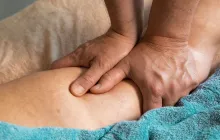
Hydrotherapy encompasses a spectrum of warm, cool, and contrast practices designed to stimulate circulation, modulate inflammation, and support detoxification pathways in a gentle manner. In preventive care, hydrotherapy is often tailored to the person’s constitution, health status, and tolerance, with the aim of improving tissue oxygenation, enhancing lymphatic drainage, and supporting immune vigilance. Physical medicine in naturopathy includes gentle mobility work, posture optimization, and body mechanics education that together reduce the risk of mechanical pain, improve joint function, and promote day-to-day activity. The overarching intention is to preserve function, prevent injury, and support metabolic balance through movement and environmental cues that encourage the body to operate with optimal efficiency.
Herbal medicine, botanicals, and safety considerations
Herbal medicine in the preventive arena focuses on botanicals that may support metabolic health, liver function, digestion, and immune balance, while also considering potential interactions with conventional medications. A cautious, individualized approach is essential to ensure safety, especially in populations such as pregnant individuals, older adults, and those using multiple prescription drugs. Education about dosages, seasonal variations, and sourcing is part of the preventive framework, as is monitoring for side effects and adjusting plans as needed. The aim is to empower people with knowledge about plant allies that can be utilized safely within a broader plan that includes lifestyle changes, dietary patterns, and routine medical care when necessary.
Evidence, research, and the integration of care
Evidence in naturopathy, particularly regarding preventive outcomes, often comes from observational studies, patient-reported outcomes, and pragmatic trials that reflect real-world practice. While randomized controlled trials for some naturopathic modalities may be limited in scope or heterogeneity, there is a growing appreciation for the potential benefits of comprehensive, individualized approaches that address multiple determinants of health simultaneously. Integrating naturopathic preventive strategies with conventional medicine can create a more complete care model, where standard screenings, vaccinations, and guideline-directed therapies are complemented by lifestyle counseling, early risk detection, and patient education that supports sustained behavior change. Collaboration and transparent communication are essential to ensure safety, respect patient preferences, and optimize outcomes.
Patient education, empowerment, and behavioral change
Central to preventive naturopathy is the education of patients as active participants in their own health journey. Clear explanations about how lifestyle choices impact long-term risk, what evidence supports various interventions, and what realistic goals can be achieved helps individuals gain confidence to adopt healthier habits. Behavioral change is framed as a gradual process, with an emphasis on motivational interviewing principles, goal setting that respects autonomy, and the recognition that setbacks are part of the learning curve. By presenting options, discussing trade-offs, and validating personal values, practitioners foster a sense of ownership that supports adherence and durable improvements in well-being.
Ethics, safety, and professional responsibility
Ethical practice in naturopathy demands a commitment to patient safety, informed consent, and ongoing professional development. Practitioners must be transparent about the limits of their training, the strength of supporting evidence, and the possible interactions between natural therapies and conventional medications. They should also be attentive to issues of accessibility, cultural sensitivity, and equity, ensuring that preventive advice is appropriate for diverse communities. In all cases, the patient’s well-being, preferences, and informed choices take precedence over any single modality, as does the responsibility to refer to other healthcare providers when complex conditions require multidisciplinary management. This collaborative stance strengthens the overall quality and safety of preventive care.
Clinical case narratives and practical illustrations
Across settings, narratives of preventive naturopathy illustrate how early lifestyle interventions can alter trajectories of health. One narrative follows a middle-aged individual with rising blood pressure and weight gain who receives a holistic plan that combines dietary adjustments, structured physical activity, and stress management techniques, accompanied by periodic monitoring of biomarkers. Over time, improvements in weight, sleep quality, and metabolic markers accompany a reduction in perceived stress and better energy levels. Another narrative describes an older adult who uses botanicals and gentle exercise to maintain mobility, while a healthcare team emphasizes vaccines, routine screenings, and safety checks for interactions. These stories highlight the practical realities of prevention: personalized plans, measurable progress, and sustained engagement across years rather than weeks.
Public health perspectives, environmental health, and community engagement
Naturopathy’s preventive emphasis resonates with broader public health goals by addressing upstream determinants of health, including nutrition security, physical environments, and social support networks. Community education initiatives, workplace wellness programs, and school-based outreach can reflect naturopathic principles by offering guidance on healthy meals, movement-friendly environments, and stress-reduction resources. Environmental considerations such as air and water quality, safe housing, and exposure to toxins are acknowledged as factors that shape chronic disease risk. By participating in community development, naturopathic practitioners contribute to preventive narratives that extend beyond individual care to encompass healthier ecosystems and more resilient populations.
Global perspectives, policy, and professional regulation
Across countries, the status and regulation of naturopathy vary, influencing access to preventive care and collaboration with conventional systems. In some regions, naturopathic physicians are licensed clinicians who provide comprehensive preventive services, while in others, naturopathic practitioners operate in complementary or alternative contexts with different scopes of practice. Policy conversations often focus on standardizing education, defining scope of practice, ensuring safety in herbal and nutrient therapies, and facilitating interdisciplinary collaboration. These regulatory dimensions shape how preventive naturopathy is perceived, funded, and integrated into healthcare delivery at both community and national levels, underscoring the importance of thoughtful, patient-centered implementation guided by evidence and professional ethics.
Clinical integration: models of care and pathways for patients
In real-world settings, preventive naturopathy can be woven into primary care through collaborative care plans, shared decision making, and referral networks that respect patient autonomy. Models may include initial comprehensive assessments, periodic check-ins focused on risk reduction, and coordinated documentation so that physicians, nurse practitioners, and naturopathic clinicians can align on goals and monitoring strategies. The pathways emphasize prevention as a shared objective, with an emphasis on early intervention, noninvasive approaches, and the alignment of patient goals with evidence-based practices. Such integration supports continuity of care, reduces fragmentation, and enhances patient satisfaction by providing a coherent framework for ongoing wellness maintenance.
Barriers, challenges, and opportunities for advancement
Despite the potential benefits, several barriers can limit the reach of preventive naturopathy, including variability in training standards, reimbursement policies, and public awareness. Resource constraints, disparities in access to qualified providers, and concerns about the rigor of some modalities may also present challenges. Addressing these barriers involves ongoing research, clearer guidelines for safe practice, and greater emphasis on outcome-oriented programs that demonstrate measurable health benefits. Opportunities lie in expanding interdisciplinary education, strengthening collaborative networks with conventional clinicians, and leveraging digital health tools to monitor risk factors, support behavior change, and deliver sustained preventive care without compromising patient safety or scientific credibility.
Practical takeaways for individuals and communities
For individuals seeking preventive benefits, a practical orientation begins with attention to daily routines, nutrition quality, movement, sleep, and stress. Engaging with a qualified practitioner who can tailor recommendations to personal health history and cultural context helps ensure relevance and feasibility. Community health initiatives that promote access to fresh foods, safe spaces for physical activity, and education about healthy habits can magnify individual efforts by creating environments that facilitate healthier choices. Across populations, the shared aim is to reduce preventable disease burden, improve quality of life, and foster a sense of empowerment that supports long-term well-being. This approach, grounded in respect for the person and a commitment to nonharmful, effective care, positions naturopathy as a meaningful contributor to preventive health strategies while acknowledging the indispensable role of conventional medicine when complexities arise.