Herbal remedies have long stood as a bridge between nature and health, offering a pathway to support the body’s own resilience through plant derived substances. The core idea rests on the recognition that many plants produce a spectrum of bioactive compounds that can interact with human physiology in nuanced ways. These interactions can modulate inflammation, support immune function, soothe irritation, and aid restorative processes without the harshness sometimes associated with synthetic medicines. In contemporary practice, herbal remedies are...
Alternative Medicine

Meditation is a family of practices that trains attention, cultivates awareness, and often nurtures a compassionate orientation toward experience. It encompasses a range of techniques, from focused attention on a single object such as the breath to open awareness that surveys thoughts, feelings, and sensations without clinging or resistance. At its core, meditation invites a deliberate shift from automatic reactivity to reflective noticing, a shift that can reframe how a person relates to internal experiences and external demands. Mental wellbe...
Headaches are a pervasive and often disabling experience that touch people across ages and lifestyles, and they frequently arise from a complex interplay of musculoskeletal, neurological, hormonal, and environmental factors. In the broad spectrum of approaches to relief, chiropractic care presents a distinct pathway that emphasizes the structural and functional health of the spine and its relationship to the nervous system. Rather than merely treating pain as an isolated symptom, chiropractors seek to understand how spinal alignment, muscle ton...

Human health has always been framed by the relationship between living organisms and their environments. The practice now labeled naturopathy grew out of several streams in the late nineteenth and early twentieth centuries, drawing on traditional herbs, hydrotherapy, fasting and rest, and a reverence for the body's innate ability to heal if given the right conditions. The early pioneers emphasized that healing is not only a matter of suppressing symptoms but of aligning physiology with nature, eating nourishing foods, moving adequately, and red...
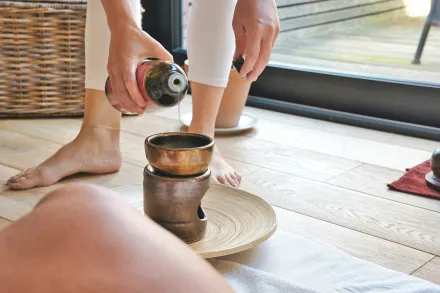
Cupping therapy traces its roots to ancient medical traditions across diverse cultures, where healers sought to balance the body by influencing the flow of life energy, blood, and other vital substances. In many historical texts, cupping was described as a practical method to awaken sluggish tissues, relieve aches, and restore a sense of ease to the body following exertion or stress. Over centuries these ideas evolved into a formalized set of practices, while the underlying aim remained consistent: to create space within the tissues, promote lo...
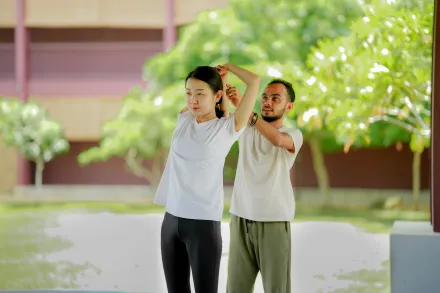
Tai Chi traces its roots to ancient Chinese philosophy and martial arts traditions, where the aim was to harmonize breath, movement, and awareness. The practice emphasizes a gentle approach to strength, depth, and balance, inviting practitioners to cultivate a state of calm focus that extends beyond the time spent on the mat or in the park. Through slow, deliberate motions, the body learns to coordinate with the breath, and the mind learns to soften its habitual tendency toward tensing and rushing. This fusion of body and mind is often describe...
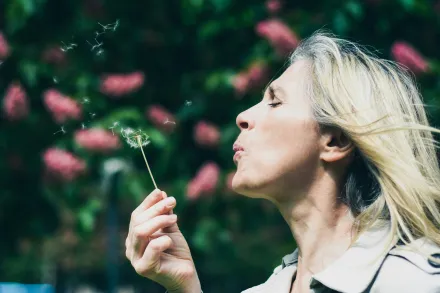
Humans have relied on scent to interpret, navigate, and regulate emotional states for millennia. Aromatherapy sits at the intersection of tradition and science, offering fragrant practices that may calm nerves, lift mood, and nurture resilience. Rather than treating emotions as problems to be solved, aromatherapy approaches them as signals to be understood, gently acknowledged, and guided toward balance.

Naturopathy invites a broad view of health that centers on the body's natural ability to heal when supported by wise choices. In the context of hormones, this approach treats balance as a dynamic state influenced by nutrition, sleep, stress, gut health, and environmental exposures. A naturopathic practitioner may explore how lifestyle habits shape the hypothalamic-pituitary-gonadal axis, the daily rhythms of cortisol, insulin, thyroid hormones, and the cascade of signaling molecules that regulate energy, mood, reproduction, and metabolism. Inst...
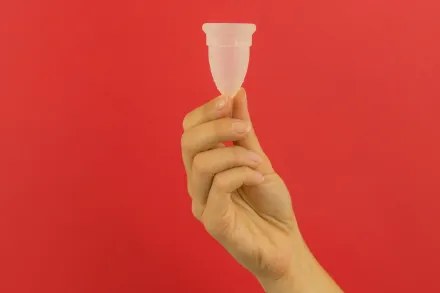
Cupping therapy is a traditional practice that relies on the simple physics of suction to influence the body’s internal environment. By placing cups on the skin and creating a gentle vacuum, practitioners pull the skin and superficial tissues upward, generating a localized change in pressure that engages blood vessels and surrounding structures. This process does not merely affect the surface of the skin; it initiates a sequence of physiological events that can ripple through muscle, connective tissue, and the microvasculature beneath. The imme...
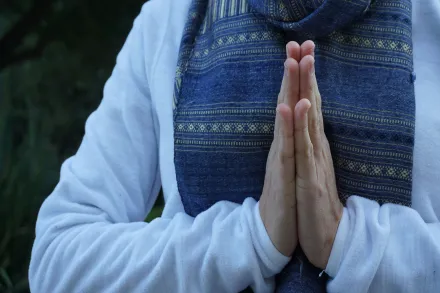
Reiki is a gentle, hands-on or distant energy modality that originated in Japan and has traveled across cultures to touch the lives of people seeking a broader sense of meaning. In practice, a practitioner channels a universal life force through visualized or actual hands, guiding healing energy toward the recipient with refined intention and compassionate presence. The spiritual dimension of Reiki arises not merely from what is done to the body, but from the atmosphere that forms around the moment: a space of quiet resonance where awareness ca...