Reflexology is a discipline that invites attention to a living map under the skin, a map that many practitioners regard as both practical and poetic. In its essence it treats the feet, hands, or ears as interconnected canvases where every zone corresponds to parts of the body, from major organs to subtle regulatory systems. The idea is that energy moves through the body in currents or streams, and that these streams can become slows or blockages when stress, poor posture, or illness accumulate. By applying intentional pressure to the reflex zon...
Alternative Medicine
Reiki is a practice rooted in the idea that healing energy flows through the practitioner to the recipient, fostering an environment in which the body can relax, reorganize, and respond more adaptively to stressors. When we consider mental health support, Reiki invites a holistic approach that centers on present-moment awareness, gentle touch or intention-based connection, and a compassionate intention to ease tension, quiet rumination, and restore a sense of safety within the nervous system. The purpose of this article is to explore how Reiki ...
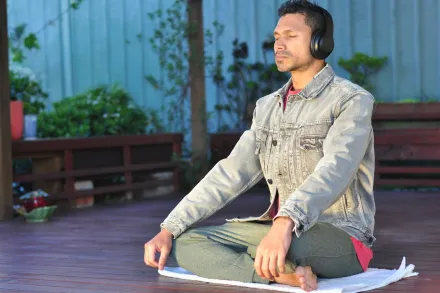
Tai Chi, often described as moving meditation, blends deliberate, mindful movement with gentle breathing and relaxed attention. Over centuries, practitioners have described how the practice cultivates a sense of inner balance that mirrors an outward harmony with gravity, environment, and social connection. Modern researchers have begun to map these experiences to measurable changes in the nervous system, muscular control, and cognitive processing, suggesting that the mind and body are not separate arenas but a unified field in motion. In this a...
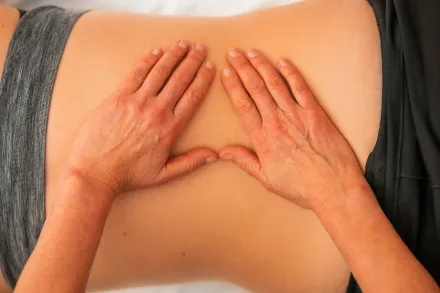
The Foundations of Chiropractic Philosophy center on the belief that the body's structure and function are deeply interconnected, with the spine serving as a master conduit for signals that coordinate movement, sensation, and overall health. When joints or soft tissues in the spine and pelvis lose mobility, the nervous system can respond with altered signaling, muscle tension, and compensatory movement patterns that may amplify sensations of pain or limit daily activity. Through hands-on techniques that aim to restore normal joint mobility and ...
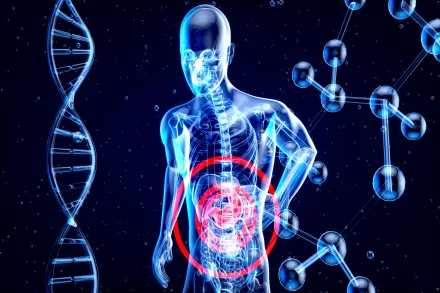
Energy medicine refers to a family of approaches that center on the idea that human beings possess subtle energetic dimensions that influence health, vitality, and well being. Practitioners describe fields that extend beyond the visible body, historically labeled as biofields, life forces, or prana, qi, or subtle energy depending on cultural context. From this perspective, well being emerges not only from the absence of disease but from a harmonious alignment between physical structures, neural networks, emotional stability, and the flow of ene...

Yoga is often celebrated for its graceful poses and tranquil breath, yet beneath the surface it acts as a comprehensive system that nurtures both flexibility and strength in a balanced, enduring way. Rather than pushing through pain or forcing a pose, practitioners learn to listen to their bodies, align joints, and move with mindful control. This approach gradually expands range of motion across joints, while simultaneously building the muscular support necessary to stabilize that increased mobility. The result is not a single dramatic improvem...
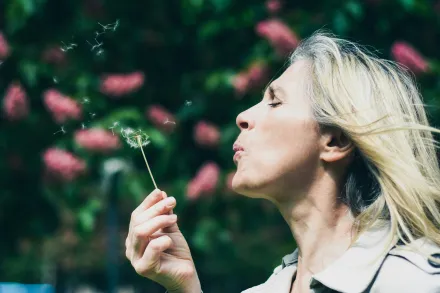
Aromatherapy stands at the intersection of nature, science, and everyday well being, offering a sensory avenue to support respiratory health through the inhalation of volatile plant compounds. This approach rests on the premise that inhaled aromatic molecules can interact with the respiratory tract and with neural pathways that regulate breathing, comfort, and immune function. The journey of these molecules begins when a diffuser releases microdroplets into the surrounding air, when steam carries essential oils toward the nose and mouth, or whe...

Detoxification has long occupied a pivotal place in the conversation about health, resilience, and natural healing. In the tradition of herbal medicine, detoxification is not cast as a single moment of cleansing but as a gradual, integrative process that supports the body’s innate systems for filtering, neutralizing, and excreting toxins. This perspective treats the organism as a dynamic network in which organs such as the liver, kidneys, skin, lungs, and digestive tract collaborate to maintain balance. The herbal approach seeks to cultivate ha...
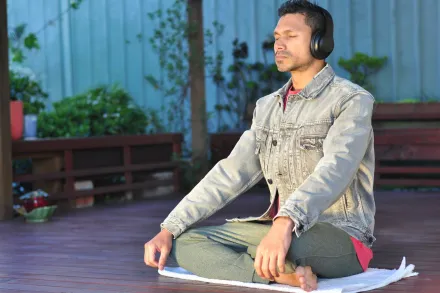
In Reiki, energy healing is described as a gentle, noninvasive practice that aims to balance the body's life force energy and support the body's natural capacity to heal. The practitioner acts as a conduit through which intention and universal energy flow, creating a calm environment where physiological and emotional systems can realign. This introduction frames Reiki not as a spectacle of mysticism alone but as a mindful method that engages the body's own adaptive processes, inviting a state of ease that can influence perception, sensation, an...

The story of homeopathy stretches back to the late eighteenth century when a German physician named Samuel Hahnemann proposed a radical reinterpretation of disease treatment based on the principle that the body could be nudged toward healing by remedies that, in healthy individuals, produced symptoms reminiscent of the illness being treated. This philosophy, often summarized as like cures like, grew into a comprehensive system of remedy preparation and patient assessment that emphasized individualized care rather than a one size fits all approa...