Reflexology is a discipline that invites attention to a living map under the skin, a map that many practitioners regard as both practical and poetic. In its essence it treats the feet, hands, or ears as interconnected canvases where every zone corresponds to parts of the body, from major organs to subtle regulatory systems. The idea is that energy moves through the body in currents or streams, and that these streams can become slows or blockages when stress, poor posture, or illness accumulate. By applying intentional pressure to the reflex zones, a skilled practitioner aims to release tension, restore the natural rhythm of circulation, and invite a broader sense of harmony across the body’s energetic landscape. The experience is often described as both physical relief and a gentle recalibration of vitality, a feeling that energy is returning to a balanced pattern rather than being caught in a repetitive knot of discomfort or fatigue.
Foundations of energy flow and reflexology
Across diverse healing traditions there is a shared intuition: energy is not merely a metaphor but a living field that supports life, movement, and healing. Reflexology embraces that intuition by offering a concrete, tactile approach to engage with this field. The practitioner studies a reflex map, a dynamic coalescence of cultural knowledge and observation, where particular zones on the feet or hands correspond to anatomical regions and physiological processes. The map is used not as a rigid chart but as a flexible guide that helps identify where energy might be circulating freely and where it may become congested. The depth of practice arises from listening to the client’s cues—breath changes, skin sensitivity, subtle shifts in muscle tone—as these signals help translate the map into a meaningful and individualized session. In this sense energy flow is less a mystery and more a practice: a careful conversation between touch and the body that seeks to restore ease, steadiness, and a broader sense of wellness that patients can remember long after their shoes are back on their feet.
Mechanisms by which stimulation promotes energy movement
When a reflex point is stimulated, the body often responds with a cascade of integrative effects. A key aspect is relaxation, which can soften muscular holding patterns and reduce nociceptive input, creating a window in which energy can move with less resistance. The nervous system plays a central role, with parasympathetic activation promoting rest, repair, and a shift away from hypervigilant states that can clamp down energy flow. Through this relaxation there is the potential for improved microcirculation and more efficient lymphatic drainage, enabling metabolic wastes to clear more readily and nutrients to reach tissues that need support. Endorphins and other signaling molecules may modulate pain perception and mood, contributing to a sense of safety and openness in the body’s energy milieu. Importantly, reflexology is often experienced as a holistic change: a subtle resonance across the body that supports a more even distribution of energy rather than dramatic, localized releases. This steadier rhythm can help the body participate more fully in daily activities, recovery, and creative engagement with life.
Techniques and how they influence energy flow
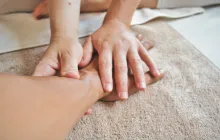
Practitioners bring a diverse but complementary set of touch techniques to guide energy along reflex pathways. The classic thumb walking method involves deliberate, measured steps that follow the reflex map with steady contact, a rhythm that mirrors natural bodily cycles. Gentle finger pressure may be used to probe for areas of increased tension, inviting a response without forcing tissue to yield too quickly. Rolling strokes and gradual kneading prepare the skin and underlying tissues to respond more openly, allowing energetic streams to shift with less friction. The selection of technique is not one-size-fits-all; it is adapted to the client’s state, sensitivity, and goals. A lighter touch can invite receptivity and relaxation, while a deeper, more precise pressure can address stubborn tension. Critical to success is the practitioner’s attentive presence: a steady breath, patient pacing, and a respectful, nonjudgmental approach that keeps the experience safe and nourishing. When touch is congruent with the client’s breathing and comfort, energy tends to move in a more fluid, less strained manner, reinforcing the sense that the body’s vitality is returning to a natural cadence.
Energy flow in daily life and vitality
Energy flow extends far beyond the therapy room and permeates daily routines, sleep cycles, work, and relationships. Stress often narrows the body’s energy channels, leading to clamped shoulders, a tight jaw, and a chest that feels guarded. In reflexology, attention to reflex zones linked to these regions can become a subtle, ongoing reminder to release tension and restore balance. Regular sessions may support deeper and more restorative sleep by easing sympathetic dominance and creating a calmer nervous system baseline, which in turn enhances daytime alertness. Improved breathing during sessions can carry over into daily life, enabling more efficient oxygen delivery and a broader sense of vitality. Digestive efficiency can also benefit when reflex zones associated with the stomach, liver, and intestines are gently activated, supporting smoother peristalsis and more effective nutrient absorption. The result is a cascading effect: when energy flows more freely in one part of the system, the whole organism tends to respond with greater resilience, steadiness, and a clearer sense of purpose and momentum throughout the day.
Scientific perspective and limitations
From a scientific standpoint reflexology occupies a nuanced niche, situated between conventional medical models and complementary practice. Some systematic reviews and clinical studies have reported improvements in pain, sleep quality, mood, and overall well‑being after reflexology sessions. Other investigations encounter challenges in isolating specific effects beyond generalized touch or placebo components. The language of energy flow is often understood metaphorically in scientific discourse, serving as a way to describe observed physiological processes rather than presenting a separate energy field that can be measured independently. This does not diminish the practical value many people experience: a session can create a predictable sequence of autonomic shifts, reductions in muscle tension, and a broader sense of calm that many users interpret as restored energy. In this light reflexology is best viewed as a complementary practice that supports the body’s natural capacity to regulate itself, rather than a stand-alone cure or universal solution. By acknowledging its limitations while appreciating its experiential benefits, clients and practitioners can use reflexology responsibly within a broader wellness plan that emphasizes safety, informed choice, and ongoing dialogue with healthcare professionals.
Practical guidance for experiencing reflexology
Entering a reflexology session with clear expectations can significantly shape the experience and its impact on energy flow. A typical appointment lasts about an hour and a half, though many studios offer shorter sessions for newcomers or longer sessions for those seeking deeper work. Before beginning, a practitioner often takes a few moments to listen to the client’s concerns, explore energy-related sensations, and discuss any medical conditions or areas of heightened sensitivity. The environment is typically calm, with comfortable lighting, soothing music, and clean linens, all designed to enhance a sense of safety and receptivity. During the session the client remains clothed or partially draped depending on the protocol, and the therapist explains what they are doing, inviting feedback on pressure and comfort. Afterward clients may notice heightened warmth in the extremities, a sense of lightness, or a gradual easing of tension that unfolds over hours or days. Hydration, gentle movement, and ample rest in the hours following a treatment can help consolidate the benefits and support the ongoing process of energy realignment within the body’s systems.
Reflexology for specific energy imbalances
Energy imbalances often present as recurring patterns rather than isolated incidents, including fatigue, headaches, digestive discomfort, or persistent muscular tension. Reflexology does not claim to cure disease, yet it can contribute to a more harmonious energy rhythm by supporting nervous system balance, hormonal regulation, and organ function through the reflex map. For fatigue, practitioners may place emphasis on reflex zones associated with adrenal function, sleep regulation, and metabolic pace, aiming to invite deeper rest and a more resilient daily energy reserve. Headache relief might focus on neck, shoulder, and vascular-related reflexes to reduce muscular constraints and improve cerebral blood flow, thereby easing energy bottlenecks that contribute to pain. Digestive concerns can respond to stimulation of reflex areas tied to the stomach, intestines, liver, and pancreas, promoting a smoother flow of energy through the digestive tract and better nutrient processing. Across these examples the client’s feedback guides the session, ensuring that pressure, tempo, and focal points are aligned with personal comfort, pacing, and readiness to release held tensions that block energy flow.
Integrating reflexology with other wellness practices
Many people discover that reflexology feels most effective when integrated with other mindful health practices. The gentle, deliberate breathing used in meditation or yoga can amplify the body’s receptivity to reflex work by aligning the breath with the therapist’s rhythm, creating a shared tempo that supports energy movement. Pairing sessions with light stretching can help sustain tissue flexibility, preserve reflex responsiveness, and reinforce an overall mood of ease. Hydration and nutritious meals that support stable blood sugar levels further empower energy flow, while consistent sleep patterns sharpen the body’s capacity to recover and renew. Some clients keep a simple journal to observe correlations between energy shifts and daily choices, such as work load, caffeine intake, or outdoor activity. The idea is not to replace any single practice but to weave a broader tapestry of health that respects the complexity of the body and its energy processes, offering a practical way to sustain vitality through intentional touch, mindful routines, and a nurturing environment.
Transformative impact: stories and experiential aspects
Across many client experiences there is a common thread: reflexology often acts as a gentle invitation to slow down, listen, and respond with more awareness to the body’s signals. A person who has carried persistent fatigue may notice that with regular sessions the mornings begin with a deeper, more restorative breath and a palpable sense of readiness for daily tasks. Another individual dealing with neck and shoulder tension may feel an unexpected release of stiffness after a series of visits, accompanied by a subtle shift in posture and a brighter sense of emotional steadiness throughout the day. Some clients describe a shift in mood—a lightness, greater curiosity, or improved patience—that seems to arise as energy lines soften and breathing stabilizes. While every narrative is unique and influenced by factors such as lifestyle, stress, and baseline health, these stories share a common message: energy flow, when supported by respectful touch and consistent practice, can become a reliable ally in cultivating vitality, resilience, and a richer sense of everyday well-being within the context of one’s own life.
Ethics, safety, and mindful practice
Professional reflexology rests on a foundation of ethical care, clear communication, and safety. Practitioners seek informed consent, explain the techniques they plan to use, and remain sensitive to any contraindications or discomfort. Good hygiene, proper draping, and respectful boundaries are central to creating a trustworthy environment where touch is experienced as nourishing rather than intrusive. It is essential to recognize the limits of reflexology and to view it as a complementary practice that can support, but not replace, medical diagnosis or treatment. Clients are encouraged to discuss persistent or severe symptoms with their healthcare providers and to use reflexology as part of a broader plan that includes rest, nutrition, physical activity, and stress management. When both client and practitioner approach each session with curiosity, patience, and open communication, energy flow can be explored with confidence, rooted in safety and a shared respect for the body’s intelligence and capacity to heal when given space and attention.
As energy flows shift through reflexology sessions, the overall sense of wellbeing can become more visible in routines and relationships. The practice invites gradual recalibration rather than a sudden overhaul, supporting a more adaptable response to daily demands. By viewing the feet and hands as landscapes of possibility, a person learns to pause, breathe, and attune to subtle cues from the body. In this sense energy flow is not a fixed state but a dynamic equilibrium that can be nurtured with regular touch, mindful awareness, and choices that honor rest, movement, and nourishment. The long arc of practice is not about dramatic transformations alone but about cultivating a sustainable vitality that remains available for work, play, care for others, and the quiet moments of self‑reflection that give life its texture and meaning. In that light reflexology offers a practical, compassionate path for those who want to support their energy in ways that respect their own bodies, values, and evolving sense of well‑being.