The modern wellness landscape often presents a buffet of options claiming to boost health and happiness. Benefits of Alternative Medicine for Everyday Wellness explores how non conventional approaches can complement conventional care by addressing daily life patterns, stress, energy levels, and resilience. This article delves into how plant medicines, mindful movement, restful practices, and thoughtful lifestyle choices can contribute to a sense of balance that extends beyond the occasional treatment. It emphasizes practical, accessible practic...
Alternative Medicine

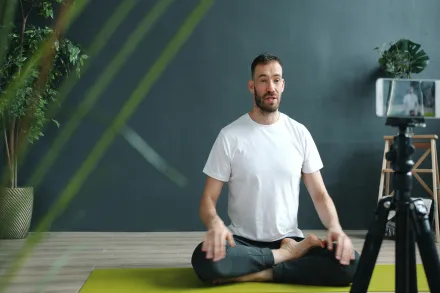
Mental clarity refers to the ability to hold attention, process information with precision, and act with deliberate intention rather than reacting reflexively. It is not simply a momentary lift of focus but a sustained state in which thoughts are organized, distractions are minimized, and choices feel less clouded by emotional noise. In this sense, clarity arises when the mind is well aligned with the body, and this alignment is something that yoga trains through cultivated awareness. Through a sequence of postures, breath cues, and mindful pos...
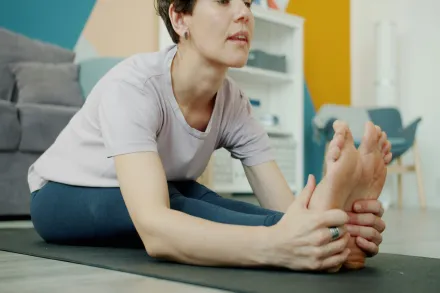
Wellness is a dynamic state that encompasses physical vitality, mental clarity, emotional balance, and the capacity to engage with daily life with resilience and ease. At the heart of many wellness narratives lies the spine, a central conduit for both structure and function. The spine is more than a mere stack of bones; it is a biological conduit that houses the nervous system, coordinates movement, and influences how energy and information traverse the body. When the foundations of the spine align with the body’s needs, individuals often exper...
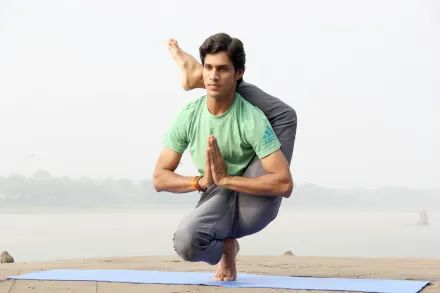
In a world where emotional turbulence can arise from countless sources—work stress, relationship tensions, worries about the future—yoga offers a structured practice that targets not only the body but also the mind and nervous system. Emotional stability is not a static trait but a dynamic capacity that can be cultivated through sustained attention, breath awareness, and the disciplined yet compassionate movement of the body. Through yoga, individuals discover ways to observe their emotions without becoming overwhelmed by them, to respond rathe...

Reflexology offers a gentle, tactile path toward emotional balance that begins with the feet but travels through the nerves, muscles, and neural networks that thread through the body. When a client sits or lies down for a session, the mind and mood often begin to settle even before meaningful dialogue begins, and this shift is not merely subjective. It reflects a physiological recalibration as the body responds to careful finger pressure, sustained contact, and the rhythmic cadence of the practitioner’s touch. The aim is not to erase emotion bu...
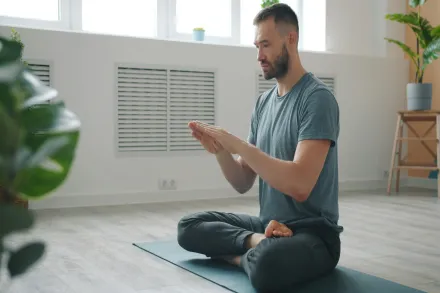
The human respiratory system is a remarkable network that works continuously to supply oxygen to every cell in the body and to remove carbon dioxide waste. At its core are the lungs, the diaphragm, and a branching tree of airways that respond to effort, emotion, and environment. In modern life, many people live with shallow, rapid breathing that persists even during rest, a pattern linked to stress, poor posture, and sedentary habits. Within this context, yoga offers a structured approach to reconnect breath with body and mind, guiding practiti...
Reflexology is a healing practice rooted in ancient traditions that has evolved into a modern approach for supporting the nervous system through focused touch. Practitioners work on reflex points typically located on the feet, hands, or ears, which are believed to correspond to different organs, glands, and networks of nerves throughout the body. While many people come to reflexology seeking relaxation or relief from pain, a growing conversation in health circles centers on how the technique may influence nerve function and the way nerves commu...
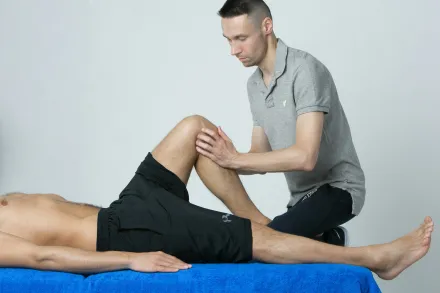
Reiki is a holistic practice that originated in Japan, rooted in the belief that life force energy flows through and around the body. A practitioner channels energy through their hands with the intention of supporting balance and healing. The practice is commonly delivered in a quiet, comfortable setting, and clients may experience warmth, light touch, or a sense of spacious calm during sessions. While the precise mechanism remains explored in science, the experiential aspect of Reiki has been reported to reduce stress and promote a sense of sa...
Reiki is a practice rooted in ancient ideas of energy flow and balanced vitality that has evolved into a contemporary method for supporting emotional well being. At its core, the practice involves gentle, non intrusive touch or the offering of hands just above the body with the intention to facilitate the body’s natural capacity to shift toward a calmer, more centered state. When anxiety and stress intervene in daily life, the nervous system often shifts into a state of heightened vigilance, and this can create a cascade of physical symptoms su...

Cupping therapy has a long history and modern practitioners often describe it as a guiding practice for supporting the body's natural detoxification pathways. While detoxification is a broad concept that includes liver function, kidney filtration, skin excretion, and lymphatic transport, cupping is frequently positioned as a therapy that can complement these systems rather than replace them. This exploration looks at how cupping might influence physiological processes that participate in toxin mobilization, drainage, and elimination, and how th...