In the practice of yoga, the breath is not merely a background rhythm but a guiding thread that shapes the entire mental landscape of a session and, gradually, daily life. When a person engages with a deliberate breath, the nervous system receives a signal that the body can shift from a state of vigilance or scattered rumination toward a steadier interior tempo. This shift is not instantaneous, but with consistent patience, the mind begins to settle into a calmer, more attentive mode. The breath acts like a bridge between sensation and percepti...
Alternative Medicine
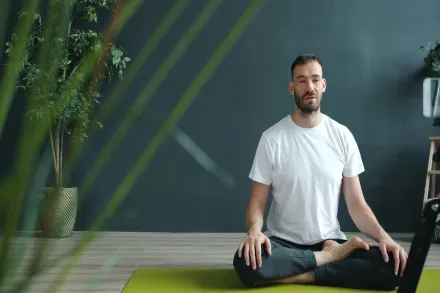

The practice of Tai Chi is often described as a dance between stillness and motion, a slow and deliberate unfolding of movement that invites the practitioner to experience an intimate dialogue between the body and the mind. At its core, Tai Chi is more than a sequence of choreographed postures; it is a structured invitation to align breath, posture, sensation, and intention so that each movement becomes a moment of mindful awareness. In this sense, the mind-body connection is not a distant ideal but an experiential reality that emerges from the...

Across cultures and eras, people have sought methods to support the body in its natural cleansing work. Cupping therapy stands as one of the oldest and most widely practiced modalities that claims to enhance the body’s detox capacity. While detoxification is a broad concept that blends physiology, biochemistry, and lifestyle, cupping is often presented as a gentle intervention that can complement the body’s own elimination channels. The idea behind cupping is not to force toxins out in a dramatic sense, but to modulate the conditions inside tis...

A quiet night is often described as a currency of well being, a basic yet precious resource that supports mood, memory, hormonal balance, and daytime resilience. In the modern world, the quest for better sleep has led many people to explore aroma as a gentle, noninvasive ally rather than relying solely on pharmacological aids. Aromatherapy, the practice of using plant-derived essential oils to influence physical, emotional, and mental states, offers a pathway to influence sleep quality through senses that are intimately linked to memory, emotio...
Tai chi emerges as a living practice that invites the body to slow down and the mind to settle. It is not a quick cure but a steady invitation to observe breath, sensation, and movement with a soft attention that avoids forceful effort. In the first encounters with tai chi, many trainees notice a shift from a default state of scattered thought to a more spacious inner field where worries appear and drift away with the rhythm of the breath. The practice blends posture, coordination, and intention into a single thread that gradually weaves a sens...

Reflexology is a comprehensive approach to well being that rests on the belief that the body contains a highly organized map of pressure points, often referred to as reflex points, which correspond to organs, glands, nerves, and systems across the whole organism. When skilled hands deliberately apply pressure to these points on the feet, hands, or ears, a cascade of responses is triggered within the nervous system, circulatory system, and hormonal networks. The practitioner’s touch acts as a dialogue with the body, inviting it to release tensio...
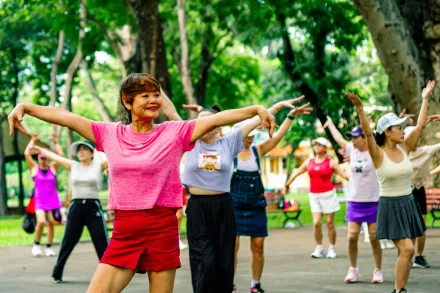
Tai Chi is a gentle, low impact movement practice that blends slow, deliberate postures with focused breathing and quiet attention. For seniors, it offers a pathway to physical resilience without the jarring shocks that can accompany high intensity workouts. The rhythm of the movements, the soft shifts in weight, and the emphasis on mindful breathing create a balanced approach to health that respects the body’s timeline while inviting ease rather than strain. In communities around the world, older adults discover that a routine built around pat...
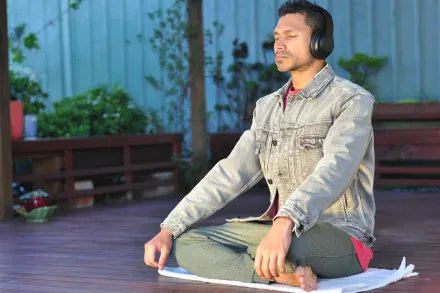
Modern science treats meditation not as a mystical or purely spiritual practice but as a set of mental training techniques that can shape brain function and cognitive performance over time. Across cultures and centuries, contemplative traditions have offered practices aimed at cultivating attention, calm, and awareness. In recent decades, researchers from neuroscience, psychology, and gerontology have used rigorous methods to test these claims, and they have found consistent evidence that regular meditation can influence core cognitive domains ...
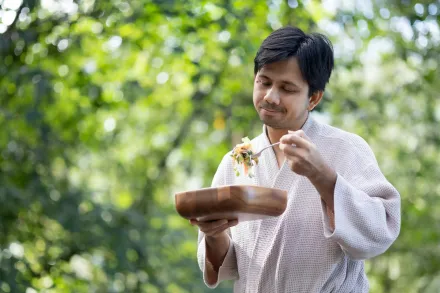
In the ancient corpus of Ayurveda the digestive system is not merely a mechanical process of breaking down food but a comprehensive network that links nourishment, energy, and overall balance within the body. The science places a special focus on the concept of agni, the digestive fire that governs the transformation of ingested substances into usable energy, tissues, and waste products. This perspective invites a holistic view of digestion, where dietary choices, daily routine, and even mental states converge to determine how well the body pro...
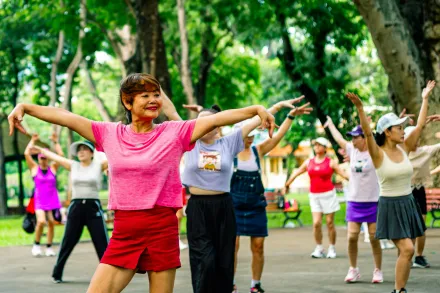
In the modern world where systems are stressed by pace, noise, and relentless cognitive load, a practice that blends deliberate movement, mindful breathing, and focused attention offers a unique approach to strengthening the heart and vessels. Tai Chi traces its roots to centuries past, yet its values remain strikingly relevant for cardiovascular resilience. The form is intentionally slow, fluid, and balanced, inviting practitioners to align body, breath, and mind in a continuous, unhurried rhythm. This alignment is not merely a matter of feeli...