Across cultures and eras, people have sought methods to support the body in its natural cleansing work. Cupping therapy stands as one of the oldest and most widely practiced modalities that claims to enhance the body’s detox capacity. While detoxification is a broad concept that blends physiology, biochemistry, and lifestyle, cupping is often presented as a gentle intervention that can complement the body’s own elimination channels. The idea behind cupping is not to force toxins out in a dramatic sense, but to modulate the conditions inside tissues so that metabolic byproducts, inflammatory mediators, and cellular debris can be processed more efficiently by the liver, kidneys, skin, and immune system. In that sense cupping may contribute to a more balanced internal environment, supporting tissue health, circulation, and cellular exchange without neglecting other essential health practices. This article surveys how cupping can support detox processes, explaining mechanisms, modalities, practical considerations, and how to integrate cupping into a holistic approach to well being.
Historical roots and evolving understanding
The practice of cupping traces its lineage to ancient medical systems, with documented use in traditional Chinese medicine, as well as in Middle Eastern, Greek, and Roman healing traditions. Historically, cupping was tied to theories of balance, energy flow, and the stimulation of surface tissues to influence deeper physiological processes. In traditional contexts, cupping was commonly paired with other therapies such as acupuncture, herbal medicine, and dietary recommendations. As modern science began to explore physiology in greater depth, researchers reframed cupping within the language of circulation, microvascular dynamics, and immune function. The evolving understanding does not negate the cultural wisdom of cupping’s origins; rather, it seeks to translate ancient observations into explanations compatible with contemporary physiology. Today’s practitioners often describe cupping as a stimulus that can gently awaken stagnant tissue, promote lymphatic movement, and invite a more dynamic exchange between the skin, fascia, and the vascular system. The historical thread remains visible in the practice’s emphasis on balance, restoration of flow, and the patient’s subjective sense of renewal following sessions.
What detox means in the body
Detoxification in the biomedical sense refers to the body’s coordinated processes for transforming and eliminating potentially harmful substances. The liver plays a central role in biotransformation, converting lipophilic compounds into more water soluble forms that can be excreted via bile or urine. The kidneys filter blood, remove waste products, and regulate fluid and electrolyte balance. The skin contributes to detoxification through sweating and the skin’s immunological activity. The lymphatic system assists in clearing interstitial fluids, proteins, and immune cells, helping to maintain tissue health and defend against infection. In concert, these systems manage oxidative stress, inflammatory mediators, and metabolic byproducts that accumulate through daily life, environmental exposure, and physical activity. Detox also has a lifestyle dimension: hydration, nutrition, sleep, stress management, and avoidance of unnecessary toxins all shape how efficiently the body can process and eliminate substances. Within this framework, cupping is viewed not as a magical removal of toxins but as a therapeutic strategy aimed at facilitating the flow of vital fluids and signaling processes that underwrite detox physiology.
Mechanisms by which cupping may influence detoxification
Several plausible mechanisms have been proposed to explain how cupping could support detox-related processes. One key mechanism is enhanced microcirculation. The suction created by cups can increase blood flow to superficial tissues, delivering oxygen and nutrients to cells while accelerating the removal of metabolic byproducts. Improved microcirculation can also aid lymphatic drainage by creating a favorable gradient for interstitial fluid movement, supporting the transport of immune cells and debris toward regional lymph nodes where immune surveillance and clearance occur. A second mechanism involves fascia and connective tissue. Cupping can modulate tissue tension and stiffness, promoting a more hydrated, pliable matrix that may improve tissue exchange and reduce mechanical stress that impedes normal metabolic turnover. A third mechanism relates to the skin’s immune activity. The temporary red or purplish marks often seen after cupping reflect localized capillary dilation and minor tissue disruption, processes that can recruit immune cells and stimulate cytokine signaling in the dermis. While this localized response is not a stand-alone detox solution, it can work in concert with systemic immune activity, potentially supporting a more efficient handling of inflammatory mediators and byproducts. A fourth mechanism centers on the autonomic nervous system. The soothing sensation of cupping and the controlled breathing typically associated with the practice can promote a shift toward parasympathetic dominance, reducing sympathetic overdrive, stabilizing heart rate variability, and encouraging a rest-and-repair state that favors restorative metabolic processing. Finally, cupping’s influence on tissue flexibility and mechanical load distribution may reduce muscle tension and pain, indirectly supporting movement, posture, and circulation that are themselves conducive to detox processes. Collectively, these mechanisms point to cupping as a facilitator of physiological conditions that help the body carry out its cleansing tasks more effectively, rather than as a direct toxin removal agent.
Different cupping modalities and how they relate to detox
Cupping therapy encompasses several modalities, each with distinct practical implications for detox support. Dry cupping uses suction alone to draw tissue into the cup, promoting local circulation and tissue relaxation without breaking the skin. This modality is often chosen for its gentle approach and is commonly used for musculoskeletal comfort, improved skin tone, and a sense of renewal. Wet cupping, or hijama, involves superficial skin incisions in the treated area and the subsequent removal of a small amount of blood. Advocates of wet cupping emphasize cleansing aspects associated with bloodletting and the targeted removal of local stagnation, while clinicians stress careful technique, sterile procedures, and patient selection to minimize risks. Fire cupping employs heat to create suction, typically using a flame to warm the cup before placing it on the skin. The heat and suction together can intensify local effects, potentially increasing tissue permeability and stimulating an accelerated microcirculatory response. In terms of detox considerations, dry cupping often serves as a baseline approach, supporting systemic circulation and relaxation that can complement lifestyle-based detox efforts. Wet cupping may provide additional local effects due to controlled bloodletting, which some practitioners argue can modulate excess local inflammatory mediators. Fire cupping’s stronger stimulus may translate into more noticeable transient reactions and a more robust local response, which can be beneficial for some individuals with chronic stagnation but requires skilled application and attention to contraindications. Regardless of modality, practitioners emphasize the importance of individualized assessment, sterile technique, and aftercare that supports hydration, rest, and gradual return to activity as part of a detox-focused plan.
Physiological effects in the skin and subcutaneous tissue
The skin is a dynamic organ with immune cells, antimicrobial peptides, and a rich vascular network. When cupping draws tissue into contact with suction, it creates a localized physiological stimulus that can cause capillary dilation, increased permeability, and transient pooling of blood in surface vessels. This response may render the skin more reactive to subsequent immune and metabolic activity, encouraging a more rapid turnover of metabolites in the treated region. From a detox perspective, this enhanced surface activity can support the work of cutaneous pathways, including sweat and transcuta neous transport, which in certain contexts contribute to overall toxin handling as part of a broader elimination pattern. While sweating is not a primary detox route for most toxins, minor increases in cutaneous exchange can help mobilize interstitial fluid and participate in the clearance of certain metabolites. It is important to acknowledge that the magnitude of these effects varies among individuals and depends on factors such as skin thickness, vascular responsiveness, hydration, and overall health. The aesthetic signs of cupping—bruising or erythema—reflect microvascular changes and are typically transient, serving as visible indicators of the local engagement of tissue and immune activity. In clinical practice, these signs are considered part of the therapeutic process rather than a risk, provided that safety precautions are observed and attention is paid to the patient’s comfort and healing trajectory.
Detox pathways and the role of the skin as an organ of elimination
The skin has long been recognized as a route for excretion and immune defense. Sweat glands excrete water, electrolytes, trace amounts of metabolites, and potentially small quantities of certain lipophilic substances under specific conditions. Cupping-induced changes in skin perfusion and lymphatic flow may modestly augment these surface exchange processes by accelerating the transport of interstitial fluid and enhancing the activity of dermal immune cells. Although the skin’s role in detoxification is often secondary to hepatic and renal pathways, it can contribute to a holistic detox picture when integrated with lifestyle measures that support hydration and sweat response. A broader interpretation sees cupping as a stimulus that primes skin and subcutaneous tissue to participate more effectively in the body’s general cleansing activities, rather than acting as a stand-alone toxin remover. It is essential to frame these capabilities within evidence-based practice, recognizing that detox is a systemic enterprise that relies primarily on well-supported organ systems and healthful habits, with cupping offering adjunctive support rather than a singular cure.
Detox and the immune system
Detox processes intersect with immune function because the production, transport, and clearance of inflammatory mediators depend on the coordinated action of immune cells, cytokines, and tissue-resident macrophages. Cupping’s local effects can stimulate sentinel cells in the dermis and promote a cascade of signals that influence systemic immune activity. The temporary inflammatory-like response triggered by tissue stimulation can recruit neutrophils and macrophages to the treated area, potentially enhancing antigen presentation and local immune surveillance. When combined with rest and restorative practices that support immune resilience, cupping may contribute to a balanced immune environment that supports effective handling of metabolic byproducts and environmental challenges. It is important to monitor for signs of over-stimulation, particularly in individuals with autoimmune conditions or heightened inflammatory sensitivity, and to tailor session frequency, duration, and modality accordingly to preserve overall immune equilibrium.
The nervous system and stress response
The autonomic nervous system governs the body’s response to stress and recovery, balancing sympathetic arousal with parasympathetic rest and digestion functions. Cupping often produces a calming, grounding effect through tactile stimulation and the soothing atmosphere of a session. This relaxation response can lower cortisol levels, improve heart rate variability, and foster a mood supportive of healthier lifestyle choices that enhance detoxification indirectly. By promoting a state of ease, cupping may reduce the physiological burden of chronic stress, thereby supporting energy allocation toward maintenance and repair processes that are central to detox. For many individuals, stress reduction is a crucial prerequisite for successful detox efforts, because chronic stress can impair digestion, sleep, and immune function. Cupping as part of a broader wellness program may therefore meet a dual need: nurturing both tissue health and the nervous system’s capacity to recalibrate after periods of strain.
Safety, contraindications, and practical guidelines
As with any therapeutic intervention, cupping carries potential risks and benefits that must be weighed for each person. Safety considerations include avoiding cupping over open wounds, skin infections, or areas of significant compromise in circulation. Individuals with bleeding disorders, those taking anticoagulant medications, or anyone who experiences excessive bruising or pain should consult their healthcare provider before undergoing cupping. Pregnant individuals may choose to use cupping selectively and only under professional guidance due to differing safety profiles across trimesters. Caution is warranted for those with deep vein thrombosis, uncontrolled hypertension, or recent surgery in the treated regions. It is essential to ensure practiced sterilization protocols for wet cupping or any technique involving skin incisions, and to follow aftercare recommendations such as hydration, gentle movement, and avoidance of intense heat or cold exposure immediately after sessions. The experience during a session can vary from a feeling of light pressure and warmth to more noticeable suction and tissue movement; practitioners emphasize communication, pausing if discomfort arises, and tailoring duration and intensity to the individual’s tolerance. In the context of detox support, cupping should be viewed as one component of a comprehensive plan that includes hydration, nutrition, sleep, physical activity, and stress management, rather than a solitary solution for toxin removal.
Integrating cupping into a holistic detox plan
To maximize potential benefits, cupping should be integrated within a broader framework that supports the body’s detox capabilities. Adequate hydration helps maintain plasma volume and supports lymphatic flow, while a balanced diet rich in fiber, antioxidants, and phytonutrients supplies the substrates needed for hepatic detoxification and cellular repair. Regular physical activity, adjusted to one’s fitness level, aids in circulation, mitochondrial health, and hormonal balance, all of which are relevant to detox outcomes. Sleep quality plays a crucial role in restorative processes and immune efficiency, and stress management practices such as mindfulness, breathing exercises, or gentle somatic therapies contribute to autonomic balance. Within this holistic context, cupping can be scheduled as a component of a longer-term wellness plan, with attention to frequency, intensity, and response. A collaborative approach involving a licensed practitioner, patient preferences, and medical oversight when indicated helps ensure that cupping supports detox without compromising safety or comfort. The goal is to cultivate a sustainable routine in which cupping serves as a supportive ritual that signals the body to engage in repair and cleansing processes, rather than as a singular remedy for a broad range of concerns.
What current research suggests and limitations
Clinical evidence for cupping remains mixed, and much of the literature emphasizes symptomatic relief rather than definitive detox outcomes. Some studies report improvements in microcirculation, pain modulation, and function for certain conditions, while others find small or inconsistent effects. The challenge for detox-focused claims lies in the complexity of measuring toxin burden, individual variability, and the influence of concurrent lifestyle factors. High-quality randomized controlled trials on cupping’s role in detox processes are relatively scarce, and reviews frequently highlight methodological limitations, such as small sample sizes or heterogeneous protocols. This does not negate the practical experiences of many patients who report enhanced energy, better sleep, or improved skin tone following sessions, but it does call for cautious interpretation. When integrating cupping into a detox strategy, it is prudent to acknowledge the limitations of the evidence, maintain realistic expectations, and monitor outcomes over time in collaboration with healthcare providers. Emphasizing safety, individualized care, and alignment with evidence-based practices increases the likelihood that cupping contributes meaningfully to well being without replacing essential medical care.
Common experiences and what to expect during and after sessions
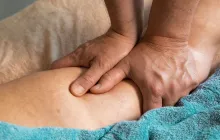
For many people, a cupping session begins with a warm, comfortable feeling as cups are applied to selected areas of the body. The suction creates a sensation of localized pressure and warmth, which may be followed by a sense of release in muscles and fascia. After the cups are removed, the treated area may appear red or purplish for a period ranging from a few minutes to a few days, depending on individual vascular reactivity and the modality used. Some individuals report temporary tenderness, a feeling of increased energy, improved mood, or lighter limbs. Others notice improved range of motion or reduced stiffness in the weeks that follow. The overall experience can be associated with a subjective sense of cleansing or balancing, which many find aligns with other lifestyle efforts to support detox, such as hydration, nutrition, and restful sleep. It is important to observe the body’s response across sessions and to adjust technique, duration, and frequency accordingly, under the guidance of a qualified practitioner who respects the patient’s comfort and safety.
Myths and misconceptions
Several common myths surround cupping and detox. One misconception is that cupping can instantly pull accumulated toxins from distant tissues through a single session. In reality, detox is a systemic process that involves organ systems, blood chemistry, and metabolic pathways over time. Another misconception is that cupping alone can replace medical treatment for any serious condition; in truth, it is best viewed as a complementary modality that may support comfort, circulation, and relaxation while ongoing medical care continues. Some people expect dramatic, universally positive outcomes; however, responses vary widely due to differences in physiology, skin type, immune function, and overall health. A science-informed perspective recognizes that cupping can be a meaningful adjunct for some individuals, particularly when combined with healthy lifestyle choices and appropriate medical supervision, rather than a universal fix. Dispelling these myths helps set realistic expectations and supports safer, more deliberate use of cupping within detox-oriented wellness plans.
Closing reflections on detox processes and cupping as a supportive practice
Detox is best understood as a dynamic and ongoing collaboration between the body’s organs, immune system, nervous system, and lifestyle choices. Cupping therapy offers a specialized set of signals to tissues that can enhance circulation, promote tissue flexibility, and encourage a settled nervous system state that favors repair. When used thoughtfully, cupping can serve as a regular reminder to slow down, breathe, and attend to bodily needs, creating conditions that enable the body to carry out its cleansing work with efficiency and tolerance. By integrating cupping into a broader regimen that prioritizes hydration, balanced nutrition, movement, and restorative rest, individuals may experience a holistic sense of renewal that aligns with their detox goals while respecting safety and personal limits. The ultimate value of cupping in detox support lies not in dramatic claims but in its capacity to participate as a gentle, patient-centered practice that honors the body’s intrinsic wisdom and fosters a mindful approach to health and resilience.