Aromatherapy is a practice rooted in the simple yet profound idea that scent can shape mood, perception, and physical comfort. In daily life it translates into a gentle, accessible approach to self care that invites a slower pace and a more attentive relationship with the world around us. The essential oils used in modern aromatherapy are distilled from plant sources, capturing molecules that interact with the senses and the body in nuanced ways. This interaction can influence alertness and calm, support restful sleep, and provide sensory cues ...
Alternative Medicine

Aromatherapy is a discipline that blends the art of scent with the science of skin care to create a holistic approach to healthy, radiant skin. When essential oils are extracted from plants and carefully diluted in carrier oils, they carry complex chemical profiles that can influence the skin on multiple levels. The practice has deep roots in traditional healing systems, yet it remains vibrant in modern beauty routines as researchers continue to explore how volatile compounds interact with the skin’s protective barrier, its microbial inhabitant...
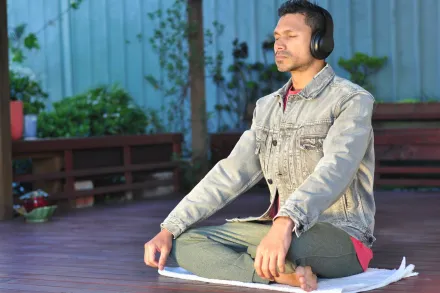
Stress is a complex biological and psychological response that arises when demands exceed perceived resources. In daily life it manifests as tension in the muscles, shallow or irregular breathing, racing thoughts, and a sense of being overwhelmed. Tai Chi offers a gentle pathway to soften these responses by guiding the body to move with intention rather than brace against pressure. The practice invites a slow, continuous release of stiffness and a deliberate shift toward steadier rhythms that counteract the body’s fight or flight instincts. Whe...
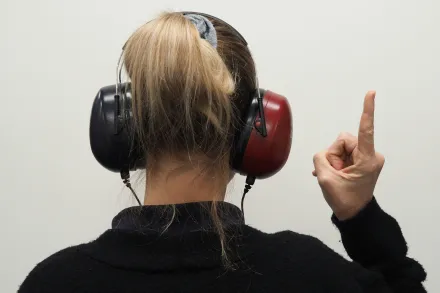
In the busy landscape of modern life, anxiety often arrives not as a single storm but as a continuous hum that colors perception, mood, and physical sensation. Sound therapy presents a distinctive approach that engages the sense of hearing not merely as a passive receiver of information but as an active participant in the body’s regulatory systems. The idea is to use sound to gently guide the nervous system toward a state of balance, where the signals that underlie worry and hypervigilance begin to soften. This process is not a magical transfor...

In a world that often moves with rapid tempo and constant stimuli, anxiety can feel like an uninvited companion that shadows daily life with a steady, sometimes exhausting, sense of vigilance. Mindfulness emerges as a practical approach rooted in attention, intention, and attitude that invites individuals to observe experience with curiosity rather than judgment. The core idea is simple in description yet profound in its application: to anchor awareness in the present moment and to notice what is happening inside and around us without instantly...
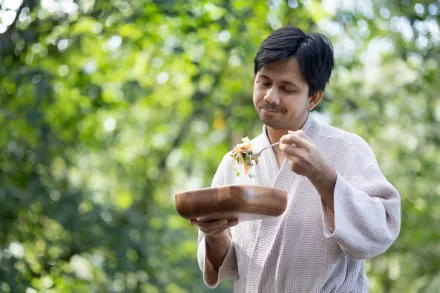
Ayurveda regards digestion as the central pivot of health, a living system that breathes with every meal, every breath, and every choice of daily rhythm. In this ancient science, digestion is not only the process by which food enters the stomach and exits as waste, but a holistic pattern that links mind, sensory experience, and the body's tissues. The word agni, often translated as "digestive fire," captures the idea that nutrition is transformed by a fiery energy within the digestive tract and across metabolic channels. When agni shines steady...

Chronic conditions pose enduring challenges for millions of people around the world, shaping daily routines, expectations for treatment, and the long arc of health planning. In the landscape of medical options, homeopathy offers a distinctive approach that emphasizes individualized care, gentle stimuli to the body's own healing processes, and a philosophy that invites the person as a whole rather than a collection of isolated symptoms. For individuals living with long standing ailments, the appeal of a treatment that aims to restore balance wit...
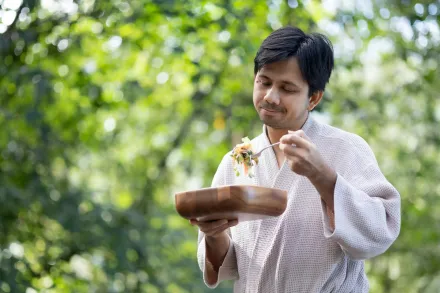
Ayurveda, the ancient science of life, offers a comprehensive lens on how the body manages transformation, digestion, and the complex processes that sustain vitality. Among the organs that mediate these functions, the liver emerges as a central hub where metabolic fire, toxin management, and energy distribution converge. In Ayurvedic thought, the liver does not stand alone as a mere organ of processing; it is woven into the rhythms of digestion, immunity, and emotional balance. When liver function is harmonious, the body exhibits steadier energ...
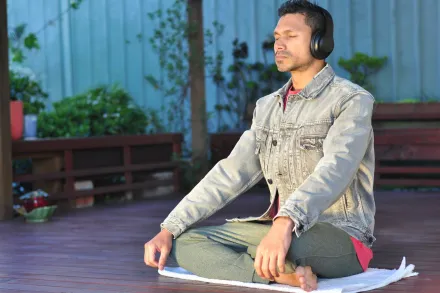
The human body maintains a delicate balance between alertness and calm through a network of glands and nerves that regulate how we respond to danger, effort, and everyday demands. At the center of this system is cortisol, a steroid hormone released by the adrenal glands in response to signals from the brain. When a perceived threat arises, the hypothalamus releases corticotropin releasing hormone, which triggers the pituitary to secrete adrenocorticotropic hormone, setting in motion the cascade that ultimately raises cortisol in the bloodstream...
Cupping therapy is a practice with deep historical roots that stretch across multiple continents and medical traditions, yet it has found a contemporary home within the field of sports medicine through careful study, clinical observation, and informed integration with evidence based rehabilitation strategies. The historical narrative often traces cupping to ancient systems of healing where practitioners sought to influence the body’s energy, circulation, and tissue vitality by creating localized suction on the skin. In modern times the narrativ...