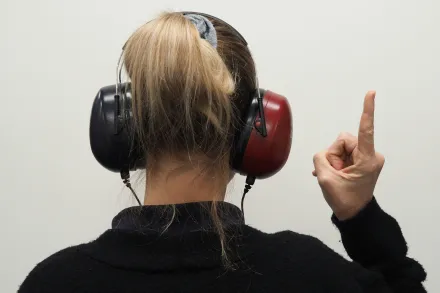
In the busy landscape of modern life, anxiety often arrives not as a single storm but as a continuous hum that colors perception, mood, and physical sensation. Sound therapy presents a distinctive approach that engages the sense of hearing not merely as a passive receiver of information but as an active participant in the body’s regulatory systems. The idea is to use sound to gently guide the nervous system toward a state of balance, where the signals that underlie worry and hypervigilance begin to soften. This process is not a magical transformation but a nuanced interaction between auditory input, brain activity, and bodily responses that, when approached with consistency and care, can support a more resilient mode of functioning. By exploring why sound can matter for anxiety, what kinds of sound experiences tend to be helpful, and how to apply them in daily life, we can illuminate a pathway that respects both scientific understanding and personal experience. The aim is to offer a practical framework for recognizing when sound feels soothing, how to structure listening in a way that supports calm, and how this approach can complement other therapeutic strategies rather than replace them.
The science behind anxiety and sound
Anxiety, at its core, involves a complex interplay between the brain, the autonomic nervous system, and the hormonal systems that regulate stress. The sympathetic branch drives the familiar fight‑or‑flight sensations, increasing heart rate, tightening muscles, and sharpening attention in ways that prepared our ancestors to meet danger. The parasympathetic branch, by contrast, fosters a rest‑and‑digest state that supports recovery and restoration. Sound therapy works within this dynamic by providing sensory input that can tip the balance toward parasympathetic dominance when delivered in appropriate form and dose. Rhythmic and melodic patterns can entrain neural activity, nudging brainwaves toward states associated with calm and focus, such as alpha and theta ranges, while reducing the prominence of patterns linked to alarm and hyperarousal. The auditory system is uniquely connected to emotional processing circuits, including the amygdala and prefrontal cortex, which means that the pace, timbre, and predictability of sound can influence emotional responses and cognitive appraisal in meaningful ways. When listeners experience predictable, gentle soundscapes, the body’s expectations can align with actual sensory input, reducing the mismatch that often sustains a state of tension and vigilance. Ongoing research points to observable changes in autonomic markers, such as heart rate variability, and in neurochemical signaling that accompanies relaxed states, though the picture remains nuanced and individualized, underscoring the importance of personalization and gradual engagement with sound experiences. As with all therapeutic practices, sound therapy sits within a broader evidence landscape where user experience, context, and intention matter as much as any single physiological mechanism. By approaching sound as a tool for regulating arousal rather than a quick fix, individuals can cultivate a more nuanced and sustainable relationship with anxiety, one that honors the body’s capacity to adapt through regular, mindful listening.
Modalities commonly used in sound therapy
Sound therapy encompasses a spectrum of modalities, each with its own characteristics and potential benefits, and many practitioners blend several approaches to suit individual needs. Music therapy can involve listening to curated playlists, live or recorded performances, and guided listening experiences that emphasize tempo, harmony, and emotional resonance, inviting the listener to engage with the sound in a way that fosters emotional processing and mood regulation. Binaural beats rely on presenting two slightly different frequencies to each ear, creating an auditory illusion of a beat that some listeners find soothing or focusing; while the scientific evidence is varied, many individuals report subjective calm or improved concentration after sessions of carefully chosen frequencies delivered at comfortable volumes. Nature sounds, such as rain, wind, or forest ambience, evoke ecological associations that counterbalance urban stress, offering spatial cues and rhythmic patterns that can resemble the cadence of natural environments, supporting a soothing perceptual field. White noise and pink noise provide steady, nonintrusive acoustic backgrounds that can mask environmental distractions, enabling deeper concentration or easier transition into sleep, depending on the listening context. Vibroacoustic therapy, which uses resonant vibration delivered through specialized chairs or mats, adds a tactile dimension to sound, engaging somatosensory pathways and producing a grounding effect when applied at safe levels and durations. Chanting, toning, and vocal exercises place the voice as an active instrument for regulating breath and mood, inviting a sense of agency and self‑expression that can counteract internal rumination. The common thread among these modalities is not a single mechanism but a constellation of pathways through which sound can modulate arousal, attention, and affect, with personal preferences playing a decisive role in which experiences feel comforting and accessible. When choosing modalities, individuals benefit from experimenting with a few options, observing how each one influences alertness, body sensations, and mood over time, and then crafting a routine that aligns with daily life and long‑term goals.
Mechanisms by which sound therapy reduces anxiety
The soothing effect of sound appears to arise from a combination of automatic bodily responses and conscious cognitive shifts. Slow, regular auditory input can favor parasympathetic activity by signaling safety and predictability to the brain, which reduces the release of stress hormones and lowers the activation of the fight‑or‑flight circuitry. This downshift often manifests as a calmer breathing pattern, slower heart rate, and less tense muscular posture, creating a cascade of physiological changes that reinforce a sense of ease. At a neural level, listening to harmonious, stable sounds can promote synchronization of neural networks involved in attention and sensory integration, helping to dampen the erratic firing that accompanies rumination and hypervigilance. The practice of entrainment—where the rhythm of sound gradually aligns with internal brain rhythms—can foster states associated with relaxation and improved executive control, enabling clearer appraisal of anxious thoughts and better emotion regulation. In addition, the cognitive impact of sound should not be underestimated; listening to music or natural scenes can evoke memories, imagery, and narratives that reframes anxiety from an overpowering force into a manageable experience, making it easier to apply coping strategies learned in therapy or self‑help contexts. Finally, the social and cultural dimensions of sound—whether listening with a partner, teacher, or community group—can supply a sense of belonging and support, further enhancing resilience and reducing the isolation that can accompany anxiety. Taken together, these mechanisms illustrate why sound therapy can be a potent complementary approach, providing both physiological reassurance and psychological perspective in the face of worry.
Practical applications for daily life
Integrating sound therapy into everyday routines does not require dramatic life changes; it often benefits from simple, consistent practices that fit naturally into the day. A quiet corner with a comfortable chair, a reliable pair of headphones, and a scheduled window for listening can become a reliable sanctuary during moments of stress. Selecting sounds with slow tempos, gentle timbres, and predictable progression tends to reduce arousal more effectively than sharp, jagged, or highly dynamic audio, especially when first establishing a routine. Short sessions that gradually extend over weeks or months can be more sustainable than long, sporadic exposures, allowing the nervous system to adapt with less risk of overstimulation. It is helpful to begin with moderate volumes that feel safe and comfortable, avoiding sudden loud peaks or persistent loud exposure that could irritate the auditory system or provoke discomfort in people with sensitive hearing. A common approach is to pair listening with a simple breathing exercise, such as a slow inhale through the nose followed by a longer exhale through the mouth, using the sound as a complementary guide to rhythm rather than a distraction from breathing. In the evenings, nature sounds or soft instrumental music can ease transition into rest, while during the day, carefully chosen soundscapes can support focus during work or study by reducing competing stimuli and enhancing attentional stability. Personal preference matters profoundly; the most effective routine is the one that feels inviting, sustainable, and attuned to the listener’s changing needs across different contexts and times.
Specific populations and considerations
Sound therapy can be beneficial for a wide range of individuals, yet personalization and sensitivity are essential. For children and adolescents, shorter sessions with highly engaging and age‑appropriate sounds may be more effective, and parental or caregiver involvement can reinforce routine and safety. Older adults may benefit from familiar melodies or culturally meaningful sounds that evoke positive memory associations, alongside options that accommodate hearing changes or reduced tolerance for certain frequencies. People with tinnitus or hyperacusis require careful customization to avoid aggravation; a clinician or qualified therapist can help identify listening strategies that minimize discomfort while still delivering calming benefits. Those with trauma histories may find that very loud or abrupt sounds trigger distress, so gradual exposure and gentle, predictable soundscapes are preferable, ideally in a supportive therapeutic setting. Pregnant individuals can often use sound therapy safely, but it is prudent to avoid high volumes and to tailor approaches to comfort and fatigue levels. Individuals with hearing loss may rely more on vibration, tempo, and other non‑auditory cues included in vibroacoustic approaches or music experiences that emphasize rhythm and resonance beyond pure pitch perception. Across populations, it is essential to monitor for signs that sound therapy is not aiding or is provoking heightened anxiety, and to seek professional guidance when needed.
Integrating sound therapy with other modalities
Sound therapy can be most effective when integrated with complementary strategies that address both mind and body. Pairing listening sessions with mindfulness practices, gentle movement, or structured breathing exercises can amplify the calming effects and cultivate a broader toolkit for anxiety management. Cognitive strategies, such as reframing anxious thoughts or grounding techniques, can benefit from a supportive auditory environment that reduces the intensity of distress and enhances cognitive flexibility. For some people, journaling after a listening session helps convert subjective experience into actionable insight, turning emotional resonance into motivation to continue healthy habits. In group settings, shared listening experiences or guided sound journeys can provide social connection and a sense of communal safety, which in turn strengthens resilience. Importantly, sound therapy should be regarded as a partner to, not a replacement for, evidence‑based treatments such as psychotherapy or medication when those are indicated. When used as part of an integrated plan, sound therapy can contribute to a gradual, durable improvement in anxiety symptoms and overall well‑being.
Safety considerations and limitations
Sound experiences should be approached with mindful attention to safety and comfort. Prolonged exposure to loud volumes can damage hearing, amplify tinnitus, or provoke discomfort, so volume levels should be kept within moderate ranges that feel safe and tolerable. Individuals with sensitive hearing, ear infections, or recent changes in hearing should consult healthcare professionals before engaging in intense sound therapies, and any unusual or persistent ear symptoms should be evaluated promptly. While many people report relief from anxiety with sound therapy, it is not a miracle cure and is unlikely to resolve complex clinical conditions on its own. Those with severe anxiety, panic disorders, or trauma‑related symptoms should seek guidance from qualified clinicians, using sound therapy as a supportive tool within a broader treatment plan. It is also important to recognize that expectations shape outcomes; cultivating a curious, patient attitude toward listening experiences can enhance rather than undermine the therapeutic potential, whereas excessive focus on a single modality can create pressure that backfires. Practitioners emphasize gradual exposure, careful customization, and ongoing monitoring to ensure safety, comfort, and progress.
Looking forward: research and evolving practices
The field of sound therapy continues to evolve as researchers explore how auditory input influences neural networks, autonomic function, and subjective experience in diverse populations. Advances in wearable sensors and biofeedback technologies hold promise for tailoring sound experiences in real time, adjusting tempo, timbre, or spatial cues to optimize relaxation responses based on an individual’s physiological signals. Cultural and contextual factors will continue to shape sound selections, recognizing that what feels soothing in one setting may be less effective in another, and that personalization remains central. Interdisciplinary collaborations among neuroscientists, clinicians, musicians, and therapists are expanding the vocabulary of therapeutic sound, moving beyond generic playlists toward dynamic auditory environments that adapt to mood, energy level, and daily rhythm. As the evidence base grows, guidelines will refine best practices for dose, duration, and modality combinations, helping people use sound in ways that are safe, accessible, and meaningful. The horizon also includes community applications, schools, workplaces, and clinical settings where sound‑based programs can be integrated into holistic approaches to reducing anxiety, supporting mental health literacy, and fostering a culture that recognizes listening as an active, healing practice.
As listeners discover their own responses to sound, they can craft routines that fit daily life, gradually expanding the role of sound in coping with anxiety and exploring what feels safe and nourishing. The path is personal and is best begun with intention and patience, while honoring the limits of what sound alone can achieve and recognizing when additional support is needed.