Tai Chi is more than a graceful sequence of slow movements; it is a discipline that engages the body in deliberate, mindful motion designed to cultivate balance, posture, breath control, and subtle muscular engagement. When people seek ways to improve joint flexibility, they often imagine intense stretching sessions or high impact workouts. Yet the practice of Tai Chi offers a different pathway. It invites joints to move through full ranges of motion with controlled, seamless transitions. The result is a pattern of motion that gradually loosens...
Alternative Medicine
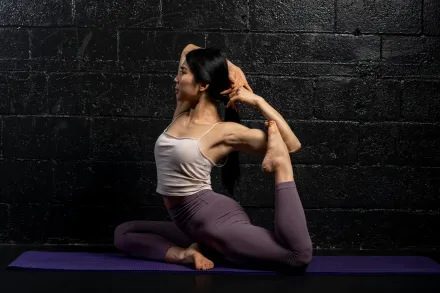

In discussing how homeopathy may support immune function, it is helpful to start with the broader aim of homeopathic practice: to stimulate the body's inherent healing capacities rather than to suppress symptoms mechanistically. This approach is anchored in an idea of vitality and balance, where the immune system is not a single static line of defense but a dynamic network that responds to challenges through patterns of response, memory, and adaptation. When practitioners speak about immune support in homeopathic terms, they often describe a pr...
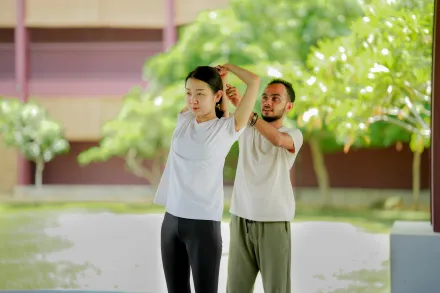
Tai Chi is a centuries-old practice rooted in the art of mindful movement, balance, and breath control. When viewed through the lens of joint health, it emerges as a comprehensive approach that blends safety with functional challenge. The smooth, deliberate sequences that characterise Tai Chi create a cadence in which joints move through soft arcs, which can promote smoother joint surfaces, maintain cartilage nourishment, and encourage a steady state of tissue resilience. This combination makes Tai Chi accessible for people across the lifespan ...
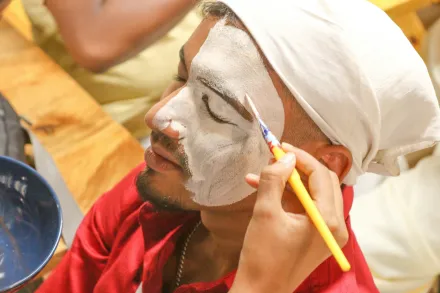
Ayurveda, the ancient science of life, offers a holistic framework for understanding why skin behaves the way it does and how to nurture it from within. This tradition does not view the skin as a separate surface to be treated with cosmetic products alone but as a reflection of inner balance and harmony among the body’s systems. At its core lies the belief that the body is composed of energies called doshas, namely Vata, Pitta, and Kapha, which govern physiology, metabolism, and, ultimately, the condition of the skin. When these doshas maintain...
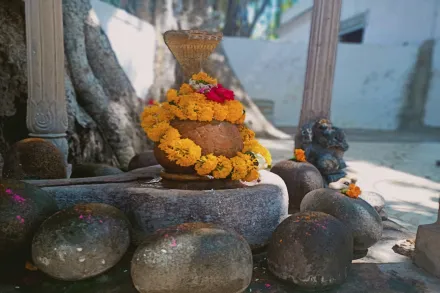
Ayurveda, an ancient system of medicine rooted in Indian thought, is built on the understanding that life energy operates through three fundamental forces called doshas. These doshas, named Vata, Pitta, and Kapha, are not separate entities but dynamic patterns that govern physical structure, physiological processes, and mental temperament. The balance among them creates health, while imbalance manifests as discomfort, illness, or emotional disturbance. In this sense, Ayurveda treats the person as a unity of body, mind, senses, and spirit, invit...

Reiki is a practice rooted in the idea that healing energy flows through the body and can be tuned to restore balance, harmony, and a sense of safety within the emotional landscape of a person. Within the field of emotional recovery, Reiki is explored not as a replacement for evidence based therapies but as a complementary approach that supports self regulation, reduces physiological arousal, and creates a reflective space where feelings can be acknowledged and gently processed. This article engages with the topic by detailing how Reiki has bee...
In the ancient tradition of Ayurveda, immunity is not a single organ function but the harmony of digestive fire, tissue nourishment, metabolic clarity, and spiritual balance. Modern science often frames immunity as the ability of the immune system to recognize and respond to pathogens, but Ayurveda describes a more integrated steady state called Ojas, a subtle vitality that underpins resilience, energy, and the capacity to recover from stress. This concept invites readers to consider how daily choices shape the body at multiple levels, from cel...
Reiki is a gentle, noninvasive approach to energy work that many people find supportive when they navigate the complexities of emotional life. It is not framed as a miracle cure or a quick fix, but rather as a compassionate method to invite the body’s own regulatory systems into a more harmonious state. In practice, Reiki sessions create space for emotions to be noticed without being overwhelmed, a structured calm that can soften fear, grief, anger, or anxiety, and a sense of steadiness that makes it easier to think clearly and respond with int...
Reiki is described as a subtle system of energy work that originates from traditional Japanese healing concepts and has evolved into a widely practiced modality across many cultures. In this approach, practitioners believe that a universal life force, sometimes referred to as ki, qi, or prana, flows through all living beings. The practitioner acts as a mindful conduit, channeling this energy toward the recipient with the intention of supporting the body’s inherent capacity for balance and self repair. Rather than forcing a specific outcome, Rei...

Chronic pain is more than a sustained sensation of discomfort; it is a lived experience that shapes how a person moves, sleeps, concentrates, and interacts with others. For many individuals, conventional approaches such as medications, physical therapies, and surgical options provide meaningful relief but do not fully eliminate suffering, nor do they address the emotional and cognitive layers that accompany persistent pain. In recent years, meditation has emerged as a nonpharmacological approach that individuals can adopt alongside medical trea...