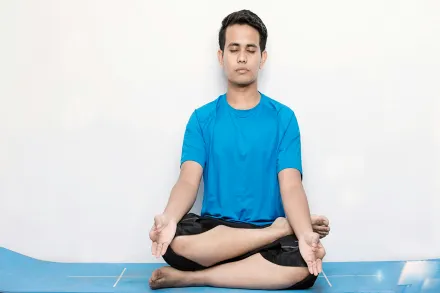
Mindfulness has become a widely discussed practice in contemporary life, yet its roots run much deeper than recent trends in wellness media. At its core, mindfulness refers to a purposeful moment-to-moment awareness of our internal experiences and external surroundings, cultivated with attitude that is nonjudgmental, curious, and open. This combination of attention and attitude creates a space in which thoughts, emotions, bodily sensations, and environmental stimuli can be observed without automatically reacting. The benefits of this stance accumulate as people learn to slow down the habitual streams of reactivity that often drive stress, miscommunication, and fatigue. When mindfulness is practiced regularly, it gradually reshapes the way the nervous system operates, influences the patterns of attention that govern daily life, and alters the relationship one has with stress and fear. Over time, a stable baseline of calm, increased clarity, and more balanced emotional responses tends to emerge, even in the face of difficulty. In practical terms this means more effective responding rather than impulsive reacting, more precise perception rather than automatic assumptions, and more intentional engagement with what truly matters.
Foundations of mindfulness
Within the contemplative tradition, mindfulness is often distinguished from mere relaxation or passive daydreaming. It is an active training of attention with an ethical or compassionate orientation. In secular contexts, mindfulness is frequently described as the practice of deliberately paying attention to the present moment, with an attitude of curiosity, kindness, and lack of judgment. There are two aspects to begin with: formal practices that structure specific periods of time to cultivate awareness, and informal practices that weave attention into everyday actions. A formal practice might involve a short seated exercise focusing on the breath, a body scan to notice physical sensations, or a guided attention exercise that invites the noticing of sounds, thoughts, or bodily cues without clinging or avoidance. An informal practice involves bringing the same attitude to activities like walking, washing dishes, or waiting in line, turning ordinary moments into opportunities to observe rather than to autopilot. The aim is not to suppress experience but to become intimately familiar with the contents of experience as they arise, pass, and recede, a process that slowly builds a different relationship to experience itself.
Mindfulness and the nervous system
Neuroscience has begun to map how short and longer term mindfulness practice affects the brain and the body. When attention is trained, the brain's networks that regulate focus and cognitive control show stronger connectivity, while circuits associated with rumination and automatic reactivity can weaken their grip. The amygdala, an almond shaped region linked to fear and arousal, often tunes down its reactivity with sustained practice, which may manifest as calmer responses to stress. At the same time, regions in the prefrontal cortex become more efficient at sustaining attention, evaluating potential actions, and regulating emotions. This combination helps explain why even small mindfulness routines can alter how a person experiences stress, pain, and emotional distress. In the autonomic nervous system, mindfulness can shift the balance toward a more adaptive pattern of sympathetic activation during challenges and quicker recovery as the parasympathetic system resumes its baseline functioning. Over time, these changes contribute to a more resilient physiological state that supports mental flexibility and healthier behavioral choices.
Physical health benefits
Many people begin mindfulness practice because of its potential impact on physical health, particularly in areas where stress and chronic tension play a major role. Persistent stress can contribute to elevated blood pressure, sleep disturbances, muscle tension, and a heightened perception of pain. By cultivating the skill of noticing tension and releasing it with intentional breath and awareness, practitioners often report improvements in sleep quality, reductions in perceived pain, and better overall energy during the day. Mindfulness can also support immune function by reducing the inflammatory tendencies that accompany chronic stress, and it can enhance autonomic balance, which in turn influences cardiovascular health. In addition to physiological effects, mindfulness often fosters healthier habits as people become more mindful of their bodies, their energy levels, and their needs, leading to a more consistent adherence to sleep routines, regular physical activity, and better nutrition choices. It is important to recognize that these benefits may be modest for some individuals, yet they tend to accumulate when mindfulness is practiced regularly for an extended period of time.
Mental and emotional health benefits
On the mental and emotional plane, mindfulness training is linked with reductions in stress reactivity, anxiety levels, and symptoms of depression for many people. The practice supports a gentler relationship with the stream of thoughts, reducing the tendency to identify with every worry or judgmental thought as if it were an absolute truth. Instead, thoughts are observed as mental events that arise and fade, which can lessen the grip of rumination and negative self talk. Emotion regulation strengthens as individuals learn to notice sensations and feelings without rushing to suppress or overreact to them. This does not mean emotions are suppressed; rather, it becomes possible to experience them fully and then choose responses aligned with values and long term goals. Mindfulness can also improve mood by increasing the frequency of moments of calm and by expanding the time window in which people notice early signs of distress, enabling earlier intervention and greater self compassion. For some individuals mindfulness fosters a kinder internal voice, building resilience and a sense of agency even when external circumstances are challenging.
Attention, concentration, and cognitive flexibility
Attention is a finite resource, and modern life often pulls it in many directions at once. Mindfulness training helps strengthen the ongoing ability to sustain focus on chosen objects, such as the breath, a sound, or a sensation, while reducing the lure of distracting stimuli. With regular practice, people often notice an improved capacity to notice when attention has wandered and to gently reorient it without self reproach. This heightened metacognitive awareness translates into better concentration, more accurate perception, and fewer cognitive slips in daily tasks. In addition to sustaining attention, mindfulness supports cognitive flexibility—the capacity to adapt thinking in light of new information or changing circumstances. This flexibility is not about becoming scattered; it is about maintaining a stable center from which to revise plans, adjust strategies, and respond with nuance rather than with habitual autopilot. In many contexts such as learning environments or high pressure workplaces, this combination of vigilance and adaptability can lead to greater efficiency, creativity, and problem solving.
Social and relational benefits
Mindfulness does not occur in isolation from social life; it often enhances interpersonal interactions by fostering presence, listening, and compassionate response. When people practice mindful communication, they cultivate the ability to listen more fully, notice nonverbal cues, and speak with greater clarity and gentleness. This can decrease misunderstandings and tensions in conversations and support more meaningful connection with friends, family, and colleagues. The practice also nurtures empathy and prosocial motivation because individuals learn to recognize their own immediate reactions and then choose responses that align with shared values rather than with impulse. In group or team settings, mindfulness can contribute to a climate of trust, where participants feel valued and heard. The cumulative effect is not simply a reduction in conflict but a qualitative shift in the quality of relationships, where patience, curiosity, and mutual respect become accessible even under stress. For caregivers, teachers, medical professionals, and service workers, mindfulness can refine professional presence and enhance the quality of care and support offered to others.
Habit formation and daily integration
A practical question for many is how to integrate mindfulness into busy lives. The answer lies in shaping habits that fit naturally into daily routines rather than relying on rare long sessions that feel burdensome. A few intentional changes can make mindfulness a constant companion. For example, short moments of mindful breathing can punctuate mornings, commutes, meals, and evenings, acting like gentle resets that recalibrate the nervous system and re-center attention. A body scan or a brief scan of bodily sensations can be performed while lying in bed or during a break, helping to release residual tension and cultivate body awareness. Mindful walking can be incorporated into a daily transit routine, turning movement into a moving meditation that sharpens awareness of posture, stride, and breath. Over time, these micro practices accumulate into a robust daily culture of awareness, influencing choices, reactions, and emotional tone throughout the day. It is also important to acknowledge that motivation fluctuates; when interest wanes, returning to the simplest possible practice, or seeking guidance from a teacher or a community can help sustain the journey.
Practical mindfulness practices you can start today
People frequently want concrete, accessible options that require little equipment or special space. Beginning with a basic awareness of breath settles many first attempts. Sit in a comfortable position, rest the hands, close the eyes if that feels right, and begin to notice the sensation of breathing as it goes in and out. This practice does not demand deep trance or vague mysticism; it invites ordinary attention to the rhythm of inhalation and exhalation, the temperature of air on the skin, and the slipping in and out of thoughts that occurs along the way. A simple extension is to follow the rise and fall of the chest or abdomen, while keeping a soft gaze or closing the eyes to reduce sensory input. A body scan can complement breath awareness by guiding attention through the body, starting from the crown of the head and moving downward to the toes, noting sensations with curiosity and without attempting to fix discomfort. Mindful walking invites a slow, deliberate pace, awareness of the contact of the feet with the ground, and the cadence of each step. When eating, one can savor the taste and texture, noticing cues of fullness, satisfaction, and gratitude for nourishment. Loving-kindness or compassion practice, spoken or internal, invites warmth toward oneself and others, gradually expanding outward toward family, friends, and even those with whom there is discord. These practices can be adapted to suit personal preferences, time constraints, and cultural or spiritual backgrounds while preserving the essential quality of nonjudgmental attention.
Mindfulness in various lifespan contexts
Mindfulness is adaptable across different stages of life and diverse environments. Children can benefit from short, playful exercises that cultivate awareness of breath and bodily sensations, helping them regulate emotions in a way that feels safe and approachable. Adolescents may find mindfulness supportive for managing exam stress, social pressures, and identity development by building a resource for self regulation that is not dependent on external validation. Adults can integrate mindfulness into work and family life by creating routines that respect personal boundaries and by modeling mindful behavior for others. Older adults may experience calmer contemplation, improved sleep, and enhanced emotional balance that contribute to a sense of meaning and connectedness. In workplace settings, mindfulness programs are often associated with reduced burnout, better teamwork, and more sustainable performance over time. It is essential to acknowledge that cultural context, personal beliefs, and language use influence how mindfulness is received and practiced, so flexibility in approach and sensitivity to individual needs enhances accessibility and effectiveness.
Common misconceptions and myths
There are many ideas about mindfulness that can create barriers to authentic practice if taken at face value. Some people assume mindfulness requires emptying the mind of all thoughts or achieving a permanent state of serenity, which is simply not accurate. Thoughts will arise, and the goal is to observe them without rapture or aversion, recognizing that they are transient mental events rather than permanent realities. Others fear that mindfulness is a religious or mystical discipline incompatible with secular life; in truth, secular mindfulness training emphasizes attention, awareness, and compassion without demanding particular beliefs. Some believe that mindfulness is a quick fix or a magical solution to all problems, which can undermine patience and consistency; in contrast, sustained engagement over weeks and months yields meaningful benefits that accumulate gradually. Finally, some think mindfulness demands long, uninterrupted sessions; the reality is that short routines, repeated often, can produce substantial change over time. Accepting these nuances helps people try mindfulness without disappointment and fosters a more durable, compassionate relationship to practice.
Challenges and how to sustain practice
Like any skill, mindfulness arises more reliably with regular, patient practice than with sporadic efforts. People often encounter fluctuations in motivation, schedule disruptions, or discomfort during practice, and these experiences are normal rather than signs of failure. One strategy is to anchor practice in a community or a partner who shares the intention to grow awareness; accountability and social support can sustain engagement when inner motivation is thin. Another approach is to lower the barrier to entry by using shorter sessions and smaller commitments that can be easily folded into daily life; consistency matters more than duration in the early stages. It is important to approach practice with kindness, avoiding self-criticism when the mind wanders or when life is particularly stressful. The aim is to cultivate a sustainable habit that becomes a source of stability rather than another obligation. By honoring personal pace, celebrating small improvements, and recognizing the practical value of pause, mindfulness can become a steady companion that supports well being across the many demands of modern life.
Measurement and ongoing research
Researchers continue to explore the mechanisms and outcomes of mindfulness training through a wide range of studies. Large meta analyses often report modest to moderate effects on stress, anxiety, attention, and mood, with variability across populations and contexts. The variability underscores the importance of clear definitions, standardized protocols, and careful control for placebo effects in studies of mindfulness; it also highlights that individual differences in personality, baseline distress, and prior experience influence outcomes. The translation from laboratory findings to real world impact depends on how mindfulness is taught, how engaged participants are, and how practices are integrated into daily life. Neuroimaging research suggests that some training leads to changes in brain networks involved in attention and self awareness, while long term effects on immune function or chronic disease markers remain areas requiring further investigation. Practically speaking, mindfulness is a skill that can be cultivated with regular practice, guided instruction, and a supportive environment, and its benefits are often strongest when the practice aligns with personal values and everyday responsibilities. Ongoing research continues to refine methods, identify which components drive improvements, and clarify how mindfulness interacts with other strategies for mental and physical health.