Emotional stability is the ability to experience a range of feelings without being unhinged by sudden shifts in mood, fear, or frustration. It does not mean denying or suppressing emotions; rather, it means developing a steady, navigable inland sea within the turmoil of life. When challenges arise, emotionally stable individuals tend to respond with clarity, patience, and purposeful action instead of reacting impulsively or getting swept away by overwhelm. Meditation acts as a training ground for this inner steadiness by repeatedly placing the ...
Alternative Medicine
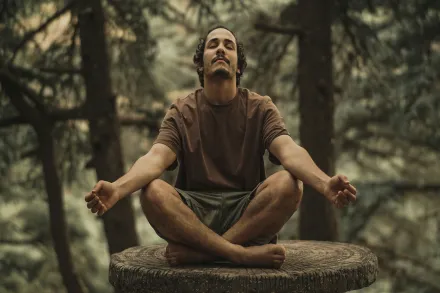

The story of homeopathy stretches back to the late eighteenth century when a medical practitioner named Samuel Hahnemann proposed a radical idea that healing could be achieved by stimulating the body's own defenses through highly diluted substances. This concept, grounded in the principle of similia similibus curentur or like cures like, challenged the prevailing medical practices of his time by suggesting that remedies could be chosen based on their ability to produce symptoms similar to those presented by a patient. Over the centuries, the me...

Reflexology is a complementary practice that rests on the idea that the feet, hands, and ears mirror the body and that applying targeted pressure to specific reflex points can influence overall health and pain perception. Practitioners describe reflex zones that correspond to organs, systems, and physiological processes. From a historical perspective, reflexology emerged from ancient traditions and has evolved into a modern therapy that is used worldwide in wellness clinics, spa settings, and integrated healthcare programs. In pain management c...

In modern clinical practice, pain is recognized as a multi layered experience that stretches beyond simple tissue damage. It encompasses physical sensations, emotional responses, cognitive interpretations, and social implications that shape how a person moves, works, and connects with others. This intricate tapestry means that approaches to relief cannot focus only on suppressing a signal in the nerves, yet frequently biomedical strategies concentrate on direct symptom management through drugs or procedures. Homeopathy enters the conversation b...
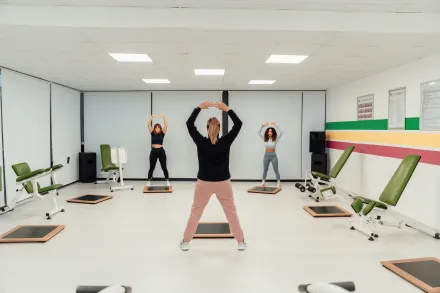
Yoga is a practice that combines movement, breath, and mental focus to influence the body's physiology in ways that support cardiovascular function. When a person moves through postures with intention and coordinates breath, the muscles, lungs, and heart coordinate a smoother rhythm. This alignment can help regulate blood pressure, promote steady heart rates, and improve the body’s ability to transport oxygen and nutrients to tissues. Beyond the physical movements, yoga fosters a calm mental state that reduces the daily load of stress hormones,...

Fatigue is a multifaceted experience, touching the physical body, the mental landscape, and the emotional state. In modern life, many people encounter fatigue not only because of long work hours but also due to irregular sleep, stress, environmental factors, and repetitive tasks that drain attention. Aromatherapy offers a complementary approach that works through the senses to influence mood, energy levels, and the perception of effort. Rather than promising a universal remedy, aromatherapy provides a set of tools that can be integrated into ro...

Chiropractic care sits at the intersection of musculoskeletal science, manual therapy, and a holistic view of the body's alignment and function. The spine serves as the central framework that supports movement, protects the spinal cord, and enables the nervous system to coordinate signals throughout the body. When the alignment of the spine is disrupted, tissues can become irritated, movement can become restricted, and pain can emerge, sometimes accompanied by muscle guarding and fatigue. The idea behind chiropractic care is to restore movement...
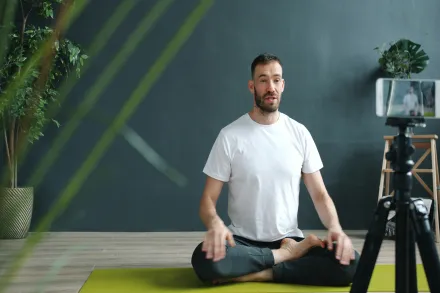
Clarity of mind is not merely the absence of distraction; it is the presence of a steady, purposeful awareness that allows ideas to arise with coherence and decisions to be made with composure. In daily life, mental clarity shows up as the ability to focus on a task, to see connections among competing priorities, and to respond to emotional stimuli without being overwhelmed. Yoga approaches mental clarity from multiple angles. It blends body awareness, breath regulation, and a cultivated posture of nonjudgmental attention. When you step onto th...
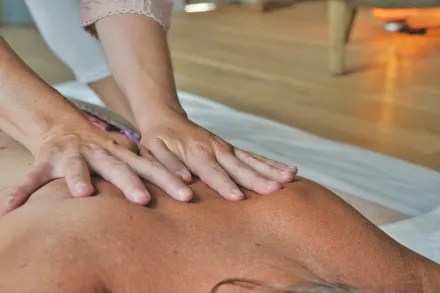
Circulatory health is a cornerstone of overall vitality, nourishing every cell with oxygen and nutrients while carrying away waste products so tissues can repair and renew themselves. Massage therapy, traditionally valued for relaxation and comfort, is increasingly understood as a practical ally in supporting the circulatory system. The human body depends on a finely tuned network that includes the heart, blood vessels, capillary beds, and lymphatic channels, all working together to ensure that blood reaches distant tissues and returns efficien...

Headaches impose a substantial toll on individuals, families, and workplaces, affecting concentration, mood, and overall quality of life. For many people the search for relief leads them through a broad landscape of options, from lifestyle adjustments and over the counter remedies to prescription medications and specialized therapies. Within this landscape acupuncture has persisted as a culturally enduring and increasingly mainstream approach, valued not only for the prospect of pain relief but also for its potential to modulate bodily systems ...