Introduction
Humans have relied on scent to interpret, navigate, and regulate emotional states for millennia. Aromatherapy sits at the intersection of tradition and science, offering fragrant practices that may calm nerves, lift mood, and nurture resilience. Rather than treating emotions as problems to be solved, aromatherapy approaches them as signals to be understood, gently acknowledged, and guided toward balance.
At its core, aromatherapy uses volatile plant compounds to influence the nervous system through the sense of smell and, in some cases, through contact and skin absorption. Essential oils are concentrated extracts derived from flowers, leaves, bark, and roots, chosen for their distinctive aromatic profiles. When used thoughtfully, these profiles can accompany mindful routines, helping people step into moments of regulation rather than spiraling into stress.
Aromatherapy aligns with a holistic view of emotional health, recognizing that mood, sleep, energy, and social connection are deeply intertwined. Scent experiences can shift attention, lower vigilance in safe environments, and invite the body to rest and recover. This is not a magic cure, but a supportive practice that can complement therapy, exercise routines, sleep hygiene, and social support networks.
Because smell bypasses some of the conscious filtering processes of the brain, aromas can reach the emotional centers more directly than many other sensory experiences. This unique route helps explain why a familiar scent can instantly evoke memories or dampen a moment of anxiety. The educational value lies in understanding how scent becomes a cue that signals safety, stimulation, or release.
How aromatherapy interfaces with the brain and emotions
When a fragrance is inhaled, volatile molecules travel from the nose to the olfactory bulb, a brain structure that has direct connections to the limbic system, the emotional center of the brain. From there, signals influence the amygdala, a region involved in fear and arousal, and the hippocampus, which anchors memory to feeling states. Through these pathways, olfactory experiences can modulate stress responses and mood patterns over time.
Chemically, essential oils are complex blends of terpenes, esters, alcohols, and phenols. Some of these compounds interact with neurotransmitter systems such as GABA and serotonin, promoting calmness or uplift. Others may influence the hypothalamic-pituitary-adrenal axis, bluntting the release of stress hormones like cortisol when applied in appropriate contexts. The biological story is nuanced and still being explored.
In addition to inhalation, topical absorption through the skin engages the peripheral nervous system and can affect feelings of grounding and safety. Diluted oils applied to pulse points or the soles of the feet may create a sustained sensory presence that supports mindfulness during breathing exercises or meditation. The combination of scent and touch can deepen a moment of intentional regulation.
Psychologically, aroma experiences can cue expectations and associations. A scent linked to childhood safety may generate comfort during a tough day, while a bright citrus note can signal alertness for tasks requiring focus. Over time, repeated associations between specific oils and certain emotional states can support self-regulation by providing ready-made anchors for calm, clarity, or energy.
Common essential oils and their emotional effects
Among the most studied for emotional support are Lavender, Bergamot, and Roman Chamomile. Lavender is frequently described as soothing and balancing, a gentle balm for overthinking and restless sleep. Bergamot carries a bright, uplifting mood profile with a soft chocolatey sweetness that can ease tension without narcotizing the senses. Roman Chamomile offers gentle serenity and can help soften irritability and racing thoughts.
Citrus oils, including Orange, Grapefruit, and Lemon, tend to activate alertness while keeping stress at a manageable level. Their high limonene content can evoke sunshine and playfulness on difficult days, though they may be too stimulating for some at night. Clary sage and ylang-ylang are often described as offering warmth, grounding, and a little seduction of mood toward calm and social ease.
For focus and mental clarity, Rosemary and Peppermint are frequently explored, but these should be used with caution to avoid overstimulation. Vetiver and Sandalwood are commonly chosen for grounding and deeper meditation, providing a smell that many people associate with safety and centered knowing.
Other oils like Frankincense and Clary Sage can support reflective states and emotional processing, helping to create space for journaling, therapy exercises, or quiet reflection. Oils may be combined in blends to tailor emotional effect, but simple pairings often work best when starting a new routine. The key is to observe how a scent changes mood for you personally.
Note that essential oils vary in quality and composition, and the same oil can smell different depending on harvest, distillation, and storage. Personal sensitivity matters; a fragrance that calms one person may irritate another. The practice invites curiosity, gentleness, and a willingness to adjust blends in response to daily needs.
Methods of use and practical applications
Diffusion is a common method for creating a protective sensory field in a room. A few drops of essential oil blended with a carrier or a dedicated diffuser can fill a space with fragrance while minimizing direct contact with skin. The resulting atmosphere may help reduce hypervigilance, invite slow breathing, and create an environment conducive to conversation, rest, or creative work.
Inhalation directly from the bottle or on a tissue can be a quick tool for moments of acute stress. Short, mindful breathing while slowly inhaling and exhaling a chosen aroma can support parasympathetic activation and a sense of safety. It is important to avoid strong or irritating scents in delicate spaces and to respect personal tolerance.
Topical application, when properly diluted in a carrier oil, can offer ongoing sensory contact. A few drops massaged into the wrists, temples, or the back of the neck may aid in grounding during difficult conversations or during bedtime routines. Skin patch testing and gradual introduction are essential to prevent irritation and ensure the experience remains pleasant.
Blending modalities allow individuals to create personal rituals. A single scent can accompany a daily walk or a short meditation, while a calmer blend may accompany a bedtime routine. Routine matters as much as the scent itself; consistency helps the nervous system anticipate safety and stability.
Safety practices include diluting essential oils appropriately, avoiding ingestion, and being aware of potential interactions with medications or medical conditions. Some oils are not recommended during pregnancy or for people with epilepsy, and certain oils are toxic to pets. When in doubt, consult a qualified practitioner and test in small amounts before expanding usage.
Scientific evidence and limitations
A growing body of studies explores the emotional effects of aromatherapy, with randomized trials often focusing on anxiety, sleep disturbance, and mood. Some reviews report small but meaningful benefits in reducing anxiety scores or improving sleep quality after short-term interventions, though results vary with oil type, dose, method of delivery, and participant characteristics.
A critical factor in interpreting this research is the placebo effect and expectancy. A pleasant aroma can create a positive frame, which itself can reduce distress. The quality of trial design, blinding challenges, and heterogeneity of essential oil preparations complicate conclusions. Nevertheless, many people report real subjective improvements in mood after aroma sessions.
Neurobiological pathways proposed in studies include activation of olfactory-limbic circuits, modulation of autonomic nervous system activity, and changes in skin temperature and respiration during aroma exposure. Some studies also note improvements in cortisol levels or heart rate variability, suggesting a physiological footprint for emotional regulation in certain contexts.
Researchers emphasize that aromatherapy works best as part of a broader therapeutic plan, not as a standalone cure. The practice can support mindfulness, relaxation training, and behavioral strategies that undergird emotional health. As interest grows, more rigorous trials and standardized protocols are needed to clarify which oils and dosages are most effective for specific emotional states.
Safety, caution, and ethical use
Safety remains a foundational concern. Start with a patch test on the inner forearm to detect sensitivity, dilute oils for topical use, and avoid contact with eyes or mucous membranes. Protect potent oils from sunlight when necessary, keep them away from children and pets, and never ingest essential oils unless under professional guidance. Individual responses vary widely, so start low and observe.
Medical interactions require caution. People taking sedative medications, mood stabilizers, or certain antidepressants should discuss aromatherapy with a healthcare professional to avoid unintended interactions. It is especially important to avoid undiluted ingestion or use in vulnerable populations, and to tailor usage to personal tolerance, goals, and lifestyle.
Ethical considerations include sourcing oils responsibly, avoiding exploitation, and choosing suppliers that maintain ecological and fair-trade practices. The emotional health benefits should be framed as part of a respectful, informed approach to self-care, not as a shortcut around other supportive therapies.
Aromatherapy as part of a broader emotional health plan
In practice, aromatherapy is most effective when used as a component of a comprehensive routine. It can set a calming mood before sleep, support a grounding pause during a stressful day, or accompany a mindfulness session. The fragrance acts as a cue that invites a slower breath, a softer posture, and a more compassionate inner dialogue.
However, it should not replace evidence-based treatment for mental health conditions. Psychological therapies, medical supervision for sleep disorders, regular exercise, and social support all play critical roles. Aromatherapy can enhance engagement with these elements by reducing anxiety and increasing willingness to participate in healthy routines.
Personalization matters. What works for one person may not work for another, and the best routine often involves a small, sustainable practice rather than a grand, temporary experiment. Keeping a simple journal of scents, mood, sleep, and energy can reveal patterns and guide future adjustments.
In clinical or therapeutic contexts, practitioners may integrate aroma use with honoring patient preferences. For some clients, a familiar scent can facilitate talk therapy by easing resistance; for others, a focus on breath and body awareness with a neutral aroma may be more helpful. The aim is to empower agency and self-regulation.
Historical and cultural perspectives
Aromatherapy has roots in ancient cultures that valued fragrant plants as medicine, ritual, and daily care. In many traditions, oils were used to calm the mind after long labors, ease grief, or invite spiritual reflection. Over centuries, trails of empirical observations and fragmentary notes gradually formed a framework in which the emotional benefits of scent could be discussed more openly.
The modern practice emerged most strongly in the nineteenth and twentieth centuries, drawing on botanical science and holistic health ideas. With the rise of clinical aromatherapy, practitioners began to emphasize safety, standardized methods, and patient education. Throughout this evolution, scent remained a bridge between sensory experience and emotional life.
Today, cultural contexts continue to shape how people use aroma. In some communities, perfume-like blends float in daily rituals and social gatherings, while in others, quiet, minimal scent is preferred. The universality of scent as a human experience means aromatherapy can adapt to diverse beliefs, environments, and goals for emotional health.
Daily routines and personalization
A practical approach to daily use starts with a modest plan and gentle experimentation. Select one or two oils that consistently feel supportive, prepare a simple diffuser blend, and set a regular time to engage in a short breathing or journaling practice. This establishes predictable cues that the nervous system can recognize as safe and restorative.
Build in moments of check-in during the day. A quiet inhalation before a meeting, a calming scent during a midday break, and a soothing routine before sleep can create a rhythm that supports emotional balance. The aim is to cultivate awareness of bodily signals and to respond with care rather than avoidance.
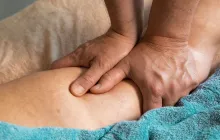
If possible, involve others in the practice. Sharing a diffuser experience or a scented hand massage can enhance social connectedness and reduce isolation, both of which are critical to emotional health. The social dimension of scent can be a powerful anchor for empathy, presence, and mutual support.
Documentation helps sustain motivation and guide refinement. A simple log noting the scent used, the setting, mood rating, sleep quality, and any physical responses over time can reveal what blends work best for different contexts. Memory and reflection reinforce the learning process inherent in any self-care habit.
Practical takeaways for incorporating aromatherapy into emotional health routines
First, approach aroma as a supportive practice rather than a cure. Its value lies in softening tension, enhancing present moment awareness, and reinforcing healthy habits. Start with one oil and a short, consistent routine, then expand gradually as you learn what resonates most with your nervous system.
Second, respect individual variation. A scent that calms a friend may irritate you, and a fragrance that helps at night could be too stimulating in the morning. Maintain flexibility and adjust the timing, intensity, and method of use to align with daily needs, sleep cycles, and energy patterns.
Third, emphasize safety and quality. Choose high-grade oils from reputable sources, perform skin tests, dilute adequately, and avoid ingestion unless guided by a professional. Protect sensitive spaces such as bedrooms and study areas with simple, effective diffuse routines rather than overpowering scent profiles.
Finally, connect with professional guidance when needed. If you experience persistent mood changes, high anxiety, or sleep disturbances, integrate aromatherapy as a complementary element within a broader support plan that includes clinicians, friends, and structured self-care.