Reflexology is an ancient practice built on the idea that specific points on the feet, hands, and ears correspond to organs and systems within the body, including the digestive tract. When pressure is applied to these points, a reflexologist believes that neural pathways and energetic channels are stimulated to influence organ function, blood flow, and nerve signaling. The digestive system is a remarkable network that processes food, absorbs nutrients, and eliminates waste, and it is simultaneously sensitive to stress, inflammation, and hormona...
Alternative Medicine
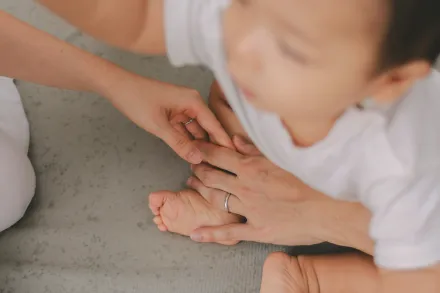

Throughout human history, communities across continents have looked to the natural world to support bodily defenses, relying on a diverse tapestry of plants, roots, barks, and resins to bolster vitality and resilience. In many traditions, botanicals were not treated as isolated remedies but as part of a broader lifestyle that included diet, sleep, physical activity, and rituals of rest. The knowledge accumulated over generations offered practitioners a guide to seasonality, coastal or highland climates, and the types of infections that tended t...
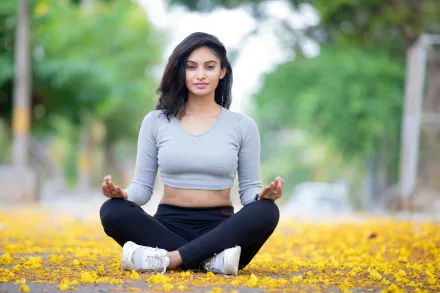
Mindfulness and meditation have moved from the margins of wellness culture into the mainstream of scientific exploration, and their appeal rests on a shared curiosity about how the brain learns to focus, remembers, and adapt in a world saturated with distractions. The central idea is deceptively simple: by training attention and awareness we can shape the way information is processed, how stress is managed, and how flexible we are when facing changing circumstances. This article examines the ways in which regular contemplation and mindful pract...
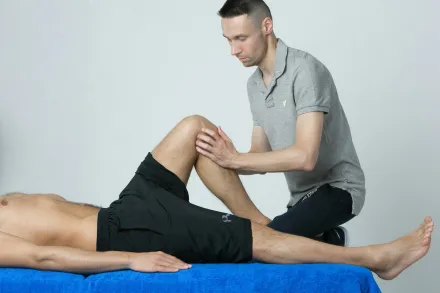
Massaging the body after exertion is more than a comforting ritual or a luxury reserved for athletes on a triumphal post race high. It is a structured practice that interacts with the biology of muscles, connective tissue, nerves, and the circulatory system to foster repair, reduce lingering discomfort, and restore function. The practice can operate on several levels at once, working with fluids, tissue quality, neural signaling, and psychological state. When performed with intention and appropriate timing, massage becomes a catalyst that helps...
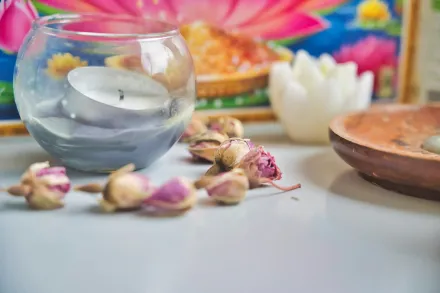
In exploring mental clarity, one considers alertness, sustained attention, working memory, and a sense of cognitive ease that allows ideas to flow without the constant distraction of mental fatigue or fog. Aromatherapy approaches this by engaging the sense of smell, which is directly connected to the brain’s limbic system and areas responsible for arousal, mood, and memory. When a person inhales a scent that resonates with biological patterns of wakefulness or calm focus, the brain may respond with a shift in neural signaling that supports clea...

Aromatherapy sits at the crossroads of scent, physiology, and lived experience, inviting a holistic perspective on health that honors both the body and the senses. It is not merely about pleasant fragrance but about how volatile plant compounds interact with our nervous system, immune defenses, and emotional life. When practiced with care, aromatherapy can become a gentle partner in daily health routines, offering support for mood, sleep, energy, focus, and a sense of grounded balance. The practice invites curiosity about which aromas resonate ...
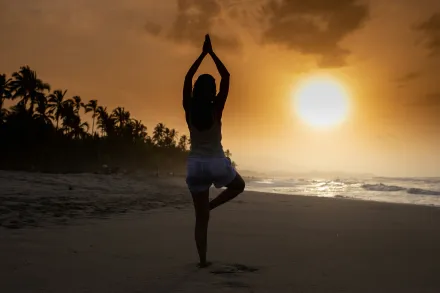
Emotional balance is a dynamic state rather than a fixed plateau, a gentle equilibrium achieved through daily choices that influence how we respond to the world. In a culture that often celebrates speed, multitasking, and constant stimulation, the practice of yoga offers a patient alternative that invites awareness, steadiness, and a more compassionate relationship with inner experience. When people begin to explore yoga in its traditional sense, they discover that it is not merely a sequence of postures but a holistic approach to tuning the ne...
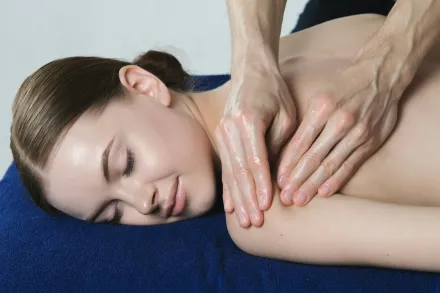
Relaxation is more than a momentary pause from daily demands; it is a state of bodily calm that allows the nervous system to transition from vigilance to ease, from tension to soft equilibrium, and from scattered attention to centered awareness. Massage therapy, in its many forms, serves as a bridge to this state by providing intentional touch, slow rhythmic movement, and a soothing context in which the body can release held patterns of stress. When a person lies on a comfortable table and a trained practitioner works with care, breath begins t...

In modern life, stress becomes a constant companion for many people, shaping mood, sleep, appetite, and overall well-being. Reflexology, a practice rooted in ancient systems of holistic health, proposes that stimulating specific points on the feet, hands, or ears can influence the body's reflex networks and promote a balanced physiological response to stress. This article explores how reflexology fits into stress management, how it is practiced in various settings, what mechanisms are proposed by practitioners and researchers, and how individua...
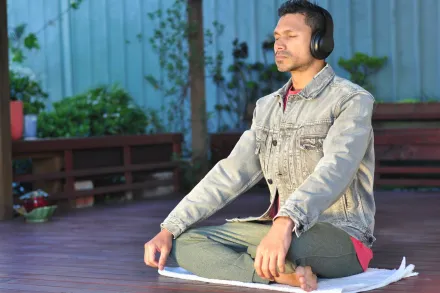
In the hustle of contemporary life, wellbeing is often pursued as a mosaic of physical health, emotional balance, mental clarity, and social connection. Meditation enters this landscape not as a quick fix, but as a carefully cultivated practice that can progressively alter how the body and mind respond to daily experience. The essence of meditation lies in directing attention with intentional gentleness, observing sensations without judgment, and allowing patterns of thought to arise and pass without becoming entangled in them. When practiced w...