Headaches are a common human experience, touching everyday life with pressure around the temples, sensitivity to light, and the sense that the world has grown louder or more insistent than usual. Aromatherapy offers a gentle path back toward balance by using the power of aromatic molecules to influence mood, tension, and sensory perception. Rather than masking pain with synthetic substitutes, essential oils and plant extracts can work at several levels, from calming muscle fibers to signaling the brain's pain regulation systems. The appeal of a...
Alternative Medicine
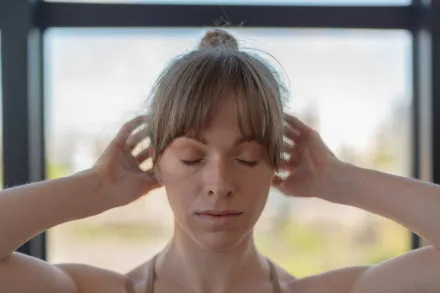
Reflexology is a practice that invites a gentle, attentive touch to the feet, hands, or ears with the intention of guiding the body's systems toward balance. Although it has deep historical roots in various cultural traditions, its contemporary appeal rests on a simple, persuasive idea: when a practitioner works on specific reflex zones, the body responds by encouraging a state of calm that ripples outward through the nervous system, the endocrine system, and the muscles themselves. This introductory understanding is not a claim of miracle but ...
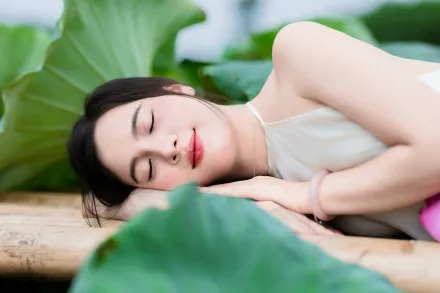
Aromatherapy has become a widely used approach to supporting restful sleep, drawing on the soothing power of plant-derived essential oils. The practice blends ancient traditions with modern curiosity, inviting the senses to participate in a deeper physiological process that influences relaxation, mood, and circadian rhythm. For many people, sleep disorders extend beyond occasional trouble falling asleep and into persistent patterns that affect daytime functioning, emotional balance, and overall health. In this context, aromatherapy is not a cur...
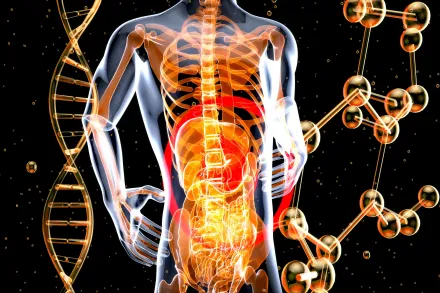
Reflexology is a holistic practice that traces its roots to ancient traditional healing systems and has evolved into a contemporary approach that many people turn to for supporting nervous system health. The essential idea behind reflexology is that the feet, hands, and ears contain a network of reflex points that correspond to specific organs, glands, and parts of the nervous system. When skilled practitioners apply deliberate pressure and gentle manipulation to these reflex points, they aim to influence the body’s internal balance, potentiall...
Reiki is a practice with roots in Japanese energetic healing that many people encounter when seeking a calmer mind, sharper focus, and a steadier emotional rhythm. When the mind feels clouded by worry or fatigue, Reiki offers a gentle framework that invites sensory reset, breath awareness, and an inward attention that can clarify thought and perception. The essence of Reiki lies not in dramatic force but in a subtle alignment of energy and intention that practitioners describe as a harmonizing of body and mind. In this exploration, the aim is n...
Ayurveda is a living tradition that treats health as a dynamic equilibrium among multiple dimensions of being, a harmony among body, mind, and environment that flourishes when digestion, metabolism, tissues, and waste removal operate in concert. Within this vast system, detoxification is not merely a physical program of cleansing but a thoughtful orchestration of practices designed to rekindle the body’s inherent wisdom about balance. The word detoxification in Ayurveda often centers on the concept of ama, which is the lingering residue of inco...

Tai Chi is a traditional Chinese practice that blends gentle, deliberate movements with focused breathing and a cultivated sense of awareness. Its slow, flowing sequences are designed not only to ease tension and improve flexibility but also to refine the subtle coordination between the body segments needed for balance. In many communities, practitioners report that daily routines feel steadier, more grounded, and less erratic when they incorporate even short sessions of Tai Chi into their schedules. The core idea behind the discipline is to cr...
Cupping therapy is a traditional approach that uses suction to draw the skin and underlying tissues into a cup, creating a gentle vacuum that affects the superficial layers of muscle, fascia, and blood vessels. For many people it is a complementary technique that can be integrated with other forms of care to address persistent muscle tension. The practice has a long history in diverse medical traditions, and in modern clinics it is adapted to emphasize safety, comfort, and individualized application. The basic idea is to influence tissue depth ...
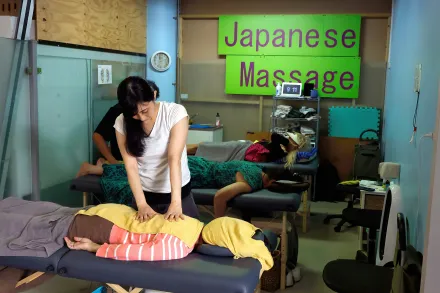
Stress is not a vague mood but a physiological state produced by the interplay of the nervous system, the endocrine system, and the immune system. When a person perceives a threat or anticipates a challenge, the brain initiates a cascade that mobilizes energy and attention. The sympathetic branch of the autonomic nervous system becomes more active, releasing adrenaline and noradrenaline, while the hypothalamus activates the hypothalamic-pituitary-adrenal axis to release cortisol. This sequence prepares the body for rapid action, increasing hear...
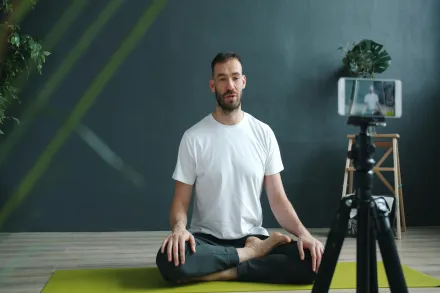
Across many cultures and historic periods, people have turned to subtle pathways of healing that go beyond the purely physical and biochemical explanations of illness. Energy healing techniques inhabit a space where intention, awareness, and compassionate presence meet practiced technique. They are often described as methods that work with the body’s energy fields, breath, and the interpersonal resonance that occurs between practitioner and recipient. Rather than presenting a single fixed doctrine, these approaches embrace a family of practices...