Understanding stress and the body's response
Stress is not a vague mood but a physiological state produced by the interplay of the nervous system, the endocrine system, and the immune system. When a person perceives a threat or anticipates a challenge, the brain initiates a cascade that mobilizes energy and attention. The sympathetic branch of the autonomic nervous system becomes more active, releasing adrenaline and noradrenaline, while the hypothalamus activates the hypothalamic-pituitary-adrenal axis to release cortisol. This sequence prepares the body for rapid action, increasing heart rate, elevating blood pressure, accelerating respiration, and sharpening mental focus. In healthy moments this response is adaptive, helping a person meet a demand or a danger. But when stress becomes chronic, the body may remain in a heightened state long after the initial trigger has passed. Chronic activation can contribute to muscle tension, sleep disturbances, digestive problems, headaches, and mood changes. The brain also processes stress through cognitive appraisal, memory, and emotion, meaning that the same physical reaction can be amplified or dampened by thoughts, memories, and feelings about the stressor. The body thus embodies stress as a dynamic and multi layered experience spanning sensation, emotion, and cognition, often entrenched in patterns that are not easily changed by willpower alone.
As researchers explore the mechanisms of stress regulation, they emphasize the concept of allostasis—the process by which the body adapts to challenges to maintain stability. When stress is frequent or intense, allostatic load accumulates, and the body's regulatory systems may become less efficient. This complexity suggests that interventions addressing both body and mind can be especially effective. Massage therapy, by engaging touch and movement, can modulate the signals that travel between muscles, nerves, and the brain, potentially interrupting the cycle of tension and hyperarousal. The goal is not to erase stress but to restore a balance that allows the nervous system to move away from constant vigilance toward a state that supports restoration, recovery, and resilience. In practical terms, patients who experience anxiety, muscle stiffness, fatigue, or sleep disruption often report that massage helps them shift from a state of reactivity to a state of calmer readiness that makes it easier to approach daily tasks with clarity and steadiness.
Massage Therapy and the Nervous System
Massage engages a spectrum of neural pathways that influence autonomic balance. Slow, deliberate strokes and manual pressure provide sensory input that travels through the skin and muscle spindles to the central nervous system, signaling safety and containment. This sensory information can recalibrate the autonomic nervous system by increasing parasympathetic activity, the branch responsible for rest, digestion, and repair. When the parasympathetic system gains prominence, heart rate slows, respiration becomes deeper and more regular, and blood flow to digestive organs improves. The vagus nerve, a key conduit between the gut and the brain, responds to soothing touch by enhancing social communication networks and promoting a state of calm, a concept aligned with modern interpretations of the polyvagal theory. In practical terms, a client who experiences persistent tension in the neck and shoulders may notice a reduction in perceived stress as their physiological arousal drops and their capacity to regulate emotions grows more accessible during and after a session.
Additionally, massage stimulates neurochemical changes that reinforce mood improvement and pain modulation. The activation of mechanoreceptors during tissue manipulation triggers the release of endorphins and other endogenous opioids, which can produce a mild analgesic effect and a sense of well being. Serotonin and dopamine levels can rise in response to the pleasurable aspects of touch and repair sensations, while cortisol tends to decline with sustained relaxation. This constellation of changes helps to convert a state of high vigilance into a calmer baseline, which can extend beyond the table into a person’s ongoing coping strategies. The interplay between physical relief, emotional relief, and cognitive shift creates a feedback loop in which reducing physical tension supports clearer thinking, and clearer thinking enhances the perceived benefit of subsequent sessions. The therapist’s skills in reading a client’s cues, adjusting pressure, and fostering a sense of safety magnify these effects and help optimize outcomes for stress reduction.
Physiological Mechanisms of Massage
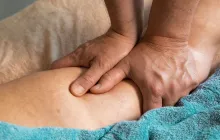
Muscular relaxation is a central mechanism by which massage reduces stress. Tissue manipulation reduces excessive muscle activity, decreases resting muscle tone, and loosens areas where fascia has tightened. This relaxation response can interrupt pain cycles, diminish the intensity of nociceptive signals, and restore range of motion. Improved blood flow delivers oxygen and nutrients to fatigued muscles while aiding the removal of metabolic byproducts such as lactic acid, which can contribute to soreness and stiffness. This physiological shift often translates into a subjective sense of relief and a more comfortable body state, which in turn supports a calmer mind. Lymphatic circulation can also be enhanced by rhythmic compression, aiding the clearance of interstitial fluids and reducing tissue edema that may accompany prolonged stress. In combination, these changes foster a cascade of restorative processes that support immune function, tissue repair, and overall vitality—factors that are frequently compromised under chronic stress conditions.
Breathing patterns tend to align with physical states, and massage sessions provide a favorable context for recalibrating respiration. Therapists commonly guide clients through diaphragmatic breathing or paced exhalations, which can lower sympathetic drive and promote parasympathetic dominance. Slower breathing enhances vagal tone and stabilizes heart rate, creating a biofeedback loop that reinforces relaxation both during and after the session. Sleep quality, already vulnerable in many stressed individuals, often improves as the body moves into deeper restorative stages more readily after massage. Melatonin production can be better synchronized with circadian rhythms when the body experiences reduced arousal, leading to longer, more refreshing sleep episodes. Collectively, these physiological effects—muscle relaxation, improved circulation, enhanced lymphatic flow, and regulated breathing—contribute to a state in which stress-related systems regain balance, and the individual experiences a more resilient baseline for daily life.
Modalities and their relation to stress relief
Different massage modalities offer varied pathways to stress reduction, and the choice of modality can influence both the pace and quality of release. Swedish massage, characterized by broad, flowing strokes, typically emphasizes superficial to middle-layer muscle relaxation and can be especially effective for initiating a relaxation response in individuals who carry tension through the back, neck, shoulders, and hips. The rhythmic cadence of Swedish techniques often helps reset the nervous system’s arousal level and reduces muscle co contraction, creating a sense of spaciousness within the body that supports emotional calm. For clients dealing with deeper chronic tension or postural imbalances, deeper tissue work or myofascial release may be appropriate, albeit delivered with careful communication and consent. The key in these cases is to tailor pressure and tempo to the client’s tolerance, ensuring that relief does not become counterproductive by triggering stress responses through discomfort.
Trigger point therapy and myofascial techniques aim at specific loci of tightness and fascial restriction that can contribute to both referred pain and persistent discomfort. When applied thoughtfully, these approaches can release blocked energy and restore smoother movement patterns, reducing the manual strain of the body and thereby diminishing the perception of stress. In addition to these primary approaches, therapists may incorporate elements like aromatherapy, heated stones, or hydrotherapy within a safe and client-centered framework. Subtle environmental adjustments such as ambient lighting, temperature, and muted soundscapes can enhance the relaxation cascade, easing the transition from a state of alertness to a restorative state. The overall effect of modality selection is to harmonize tissue physiology and nervous system function in a way that supports sustained feelings of calm, steadiness, and vitality.
Mental and emotional aspects of massage
Beyond the physical changes, massage provides a crucible for emotional regulation. The experience of compassionate touch, paired with a calm and attentive practitioner, can reduce rumination and the tendency to judge or catastrophize stressors. The session becomes a space where clients can inhabit a nonjudgmental awareness of their body and their sensations, often yielding heightened interoceptive awareness. This awareness supports a more accurate appraisal of stress and available resources, enabling smarter decision making under pressure. When clients learn to notice subtle shifts in tension and respiration, they can begin to employ self regulated strategies between sessions, thereby extending the benefits of therapy into daily living. The emotional relief that accompanies physical release can also improve mood states, enhance motivation, and foster a greater sense of self efficacy, particularly when clients feel seen, heard, and respected within a therapeutic relationship.
Setting, intention, and trust are essential ingredients in this process. A therapist who communicates clearly about what to expect, who respects boundaries, and who maintains professional boundaries creates a sense of safety that is critical for reducing stress. In turn, clients who feel supported are more likely to engage with self-care practices, such as breathing exercises or light stretching, between sessions. The social dimension of touch—feeling cared for and gently guided—contributes to a sense of belonging and reduces isolation, which is a common companion to chronic stress. As the session unfolds, the interplay of physical release, emotional relief, and cognitive reframing supports a holistic approach to stress management that acknowledges the mind and body as an integrated system.
Applications in different settings
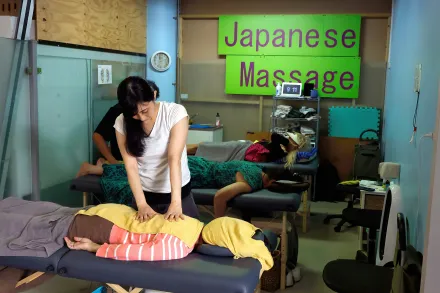
Massage therapy is adaptable to a wide range of settings, from private clinics and medical facilities to corporate wellness programs and home care. In clinical environments, massage can complement conventional medical therapies for stress related conditions such as anxiety, chronic pain, and sleep disturbances. In workplace settings, chair massage or short on site sessions can provide quick relief from shoulder and neck tension, improve mood, and potentially enhance focus and productivity. The setting can influence outcomes, as a quiet, comfortable space with appropriate privacy supports a stronger relaxation response. In home visits or spa environments, the atmosphere, cues of safety, and continuity of care contribute to a more robust sense of ease and time for recovery. Across settings, consistency of care, clear communication about goals, and attention to client preferences remain central to maximizing stress reduction.
Accessibility and inclusivity are important considerations. Therapists strive to adapt techniques to diverse bodies, languages, and cultural perspectives on touch. This includes addressing anxiety about touch, trauma histories, or physical limitations through informed consent, gradual pacing, and alternative methods such as lighter contact or self massage teaching. Continuity of care, even when schedules are busy, helps maintain momentum in stress reduction, with practitioners collaborating with other health professionals to coordinate care plans when necessary. Cost considerations and insurance coverage can influence access, so therapists often provide a range of options, including shorter sessions, community clinics, or sliding scale arrangements to help more people experience the benefits of touch based therapy as part of a broader wellness strategy.
Evidence, research, and practical interpretation
Clinical evidence supports the notion that massage can reduce markers of physiological stress while enhancing subjective well being. Studies have observed reductions in cortisol levels, improvements in heart rate variability, and decreased subjective measures of anxiety and tension following massage sessions. These findings should be interpreted within the context of study design, sample size, and participant expectations, as placebo effects and the therapeutic alliance contribute to observed benefits. While randomized controlled trials provide important data, real world practice often shows similar improvements when massage is integrated into a comprehensive stress management plan. Practitioners and clients can use this information to set realistic expectations, recognizing that massage is a powerful, adjunctive component that interacts with sleep quality, nutrition, exercise, and mental health care to yield meaningful improvements in stress resilience.
From a practical viewpoint, outcomes tend to accumulat over multiple sessions, with clients frequently reporting gradual but persistent improvements in mood, energy, and daytime functioning. This sense of progressive relief is often accompanied by increased awareness of bodily cues and an enhanced ability to modulate responses to stress. Therapists can help clients interpret these changes by guiding them to track mood, sleep quality, perceived muscle tension, and overall vitality across sessions. An integrated plan, including breathing practices or mindfulness techniques alongside massage, tends to produce the most robust benefits. In this light, massage becomes a gateway to a broader habit of self care that reinforces healthy nervous system regulation and fosters long term stress resilience.
Safety, ethics, and client-centered care
Safety is foundational to any intervention that involves touch. Therapists screen clients for medical conditions, allergies, pregnancy, skin disorders, and recent injuries to determine appropriate techniques, pressure, and positioning. Informed consent is essential, and practitioners explain what they will do, why it is beneficial, and what the client should expect in terms of sensations and potential side effects. Privacy and warmth are maintained through proper draping, respectful communication, and careful attention to comfort. Clients are invited to provide ongoing feedback about pressure, pacing, and areas of tenderness, and therapists adjust accordingly to minimize discomfort and maximize relief. When safety and comfort are prioritized, the stress reducing potential of massage is amplified because the client experiences a true sense of control and trust within the therapeutic encounter.
Ethical practice also involves boundaries, professionalism, and confidentiality. Therapists recognize the sensitive nature of stress related concerns and may encounter clients who reveal emotional or traumatic memories during a session. A trauma informed approach emphasizes consent, pacing, and stabilization, ensuring that touch supports safety rather than re triggering distress. Clients should be empowered to discontinue or modify techniques at any point, and therapists are prepared to refer to other professionals if a client’s needs fall outside their scope. The relationship between client and therapist becomes a collaborative partnership focused on reducing distress while preserving autonomy, dignity, and personal agency in every interaction. Such alignment between ethics and care is the backbone of effective, respectful stress management through massage.
Integrating massage with other stress-reduction strategies
Massage serves as a powerful anchor within a holistic approach to stress management that also includes behavioral, cognitive, and lifestyle components. When combined with guided breathing exercises, progressive muscle relaxation, and mindfulness practices, massage can accelerate the downshift from high arousal to a calm baseline. Between sessions, clients may practice simple self care techniques, such as gentle self massage, stretch routines, or brief meditative pauses that reinforce the physiological and emotional benefits achieved on the table. The integration of these strategies creates a coherent routine that supports ongoing regulation of the nervous system and promotes a sense of agency in managing stress responses. In this framework, massage is not a one off event but a catalyst for a broader practice of self care that can be adapted to changing life demands.
Other lifestyle factors—nutrition, hydration, sleep, physical activity, and social support—play significant roles in shaping stress resilience. Massage can complement healthy routines by alleviating muscle tension that may discourage movement, improving sleep quality that supports recovery, and increasing energy that makes daily activities more manageable. Clients who monitor mood and energy levels often find that the benefits of massage are enhanced when combined with consistent exercise, a balanced diet, and regular social connection. The therapists who guide this integration emphasize the importance of patient collaboration, routine, and flexibility, recognizing that each person’s stress profile is unique and evolves over time. By aligning massage with practical self care steps, individuals can create a resilient framework that sustains well being in the face of ongoing stressors.
Practical guidance for readers seeking stress relief through massage
Readers interested in exploring massage as a tool for stress reduction can begin by seeking licensed therapists with clear communication about goals and safety. It is advisable to start with sessions that emphasize relaxation and gentler techniques to establish a baseline comfort, gradually introducing more targeted work if appropriate and with consent. When describing areas of tension, it helps to be specific about locations and sensations, such as a persistent ache in the upper back or a tight jaw from clenching at night. A warm environment, comfortable clothing, and appropriate positioning are important for maximizing comfort and allowing the nervous system to downshift effectively. Clients should expect to discuss pressure preferences and any medical considerations before each session, and they should remain open to adjustments that support optimal relief.
Frequency and duration should be tailored to the individual’s stress profile and schedule. A plan that blends longer, deeper sessions with shorter maintenance visits can provide both initial relief and ongoing management of tension. Post session, hydration, light movement, and a brief period of rest can help integrate the relaxation response. Keeping a simple journal to note mood, sleep quality, and perceived tension can illuminate patterns and inform future sessions. Finally, it is important to recognize that massage is one part of a larger wellness strategy. People may discover that different practitioners, modalities, or complementary practices suit their needs at different times, and flexibility is part of achieving sustainable stress reduction.
The role of therapists and the ethical landscape
Professional massage therapy rests on a foundation of training, licensure, and ongoing education. Therapists develop competence in anatomy, physiology, contraindications, and safe technique, while also cultivating the sensitivity to respond to individual client needs. A strong ethical framework emphasizes consent, respect for boundaries, confidentiality, and nonjudgmental listening. Therapists who demonstrate these qualities create a sense of safety that is essential for clients to relax physically and emotionally, which in turn enhances the therapeutic outcome. The ethical landscape also includes transparency about what is possible through massage, honest communication about risks, and a clear plan for managing any adverse responses or concerns that arise during or after a session. When therapists prioritize ethics as a core value, clients experience greater trust, increased adherence to care plans, and more robust stress reduction outcomes.
Client empowerment and collaborative goal setting are integral to effective care. Therapists who partner with clients to articulate meaningful objectives—such as reducing neck tension, improving sleep, or lowering resting heart rate—position massage as an active, participatory process. This collaborative stance fosters accountability and reinforces a sense of agency in the client’s stress management. The ongoing dialogue about progress, adjustments, and preferred techniques helps individuals feel respected and involved, which can contribute to long term commitment to self care. In this light, the best therapeutic relationships are characterized by mutual respect, clear communication, and a shared vision for reducing stress while nurturing physical and emotional health.
Long-term benefits and lifestyle considerations
Regular engagement with massage can become a sustainable component of a life focused on resilience and well being. Over time, consistent sessions can support better sleep, more even mood, and greater adaptability to daily stressors. The cumulative effects of routine work on muscle tension, circulation, and nervous system regulation can improve overall energy levels, reduce the frequency and intensity of headaches, and enhance the ability to respond to challenges with composure. A long term plan may include seasonal adjustments, such as increasing frequency during periods of higher stress or after physical recovery from an injury, while dialing back during calmer intervals. The goal is to maintain a steadily balanced state that allows a person to function with clarity, empathy, and stamina across different life domains.
Challenges to maintaining a consistent practice are common, including busy schedules, financial constraints, or competing responsibilities. Creative solutions may involve seeking affordable options through community clinics, student or trainer led clinics, or short express sessions designed to fit into a lunch break. Some individuals explore pair or family massage to create social support while reducing costs. Others learn self massage techniques to bridge gaps between professional sessions. Importantly, the decision to pursue massage as a stress management strategy should align with personal values and be integrated with medical advice when necessary. With thoughtful planning, massage can become a reliable, enjoyable habit that contributes to long term stress resilience and a higher quality of life.