Headaches are a common human experience, touching everyday life with pressure around the temples, sensitivity to light, and the sense that the world has grown louder or more insistent than usual. Aromatherapy offers a gentle path back toward balance by using the power of aromatic molecules to influence mood, tension, and sensory perception. Rather than masking pain with synthetic substitutes, essential oils and plant extracts can work at several levels, from calming muscle fibers to signaling the brain's pain regulation systems. The appeal of aromatherapy lies in its simplicity and its personal nature: you can experiment with scents that feel comforting, create a routine that supports relaxation, and blend different oils to suit the moment. This article explores how aromatherapy eases headaches by explaining the mechanisms, outlining commonly used oils, detailing practical methods of use, and offering ideas for integrating scent into a broader approach to headache relief.
Understanding headaches and the role of aromatherapy
Headaches come in many forms, and their origins can be muscular, vascular, neurological, or environmental. Tension headaches, which are often described as a tight band around the head, respond to soothing touch and gentle relaxation; migraines, with throbbing pain, light sensitivity, and sometimes nausea, involve complex neurovascular mechanisms; cluster headaches bring intense, recurring episodes that demand careful management. Aromatherapy does not replace medical care for severe or persistent headaches, but it can complement other strategies by easing muscle tension, moderating stress responses, and providing a sensory cue that signals the body to reduce arousal. The olfactory system is tightly linked to the limbic system, which governs emotions and memory, and this connection helps explain why scent can shift mood and perception in subtle, meaningful ways. When you inhale a familiar, calming scent, the brain may release endorphins and alter autonomic responses, creating an experience of relief that can reduce the subjective intensity of pain.
What essential oils are commonly used for headaches
Several essential oils have earned a reputation for supporting headache relief through fragrance, cooling sensations, and potential anti inflammatory properties. Lavender is often celebrated for its soothing aroma and its reported ability to calm the nervous system, which can translate into less muscle guarding around the neck and shoulders. Peppermint oil carries a cooling sensation that some people find instantly refreshing, and its principal component menthol may help with vascular comfort when used correctly. Eucalyptus and rosemary oils are also explored for their invigorating scent profiles and their potential to support breathing and mental clarity, which can indirectly ease headache symptoms when congestion or fatigue plays a role. Chamomile, sage, and ginger are sometimes included for their gentle calming effects and their reputed ability to ease muscle tension, while bergamot provides a reassuring citrus note that can brighten mood without overexciting the senses. The key is to select high quality oils and to use them in safe, appropriate ways, rather than chasing a single magical solution.
The science behind scent and pain relief
When a fragrance enters the nose, it interacts with receptors that send signals into the brain’s olfactory bulb. From there, information travels to areas of the limbic system, including regions involved in memory, emotion, and autonomic regulation. This neural loop helps explain why a familiar scent can instantly evoke a feeling of safety or calm, and why a pleasant aroma can lower perceived pain. Some essential oils contain molecules that have anti inflammatory or antispasmodic properties, which may contribute to a decrease in muscle tension and vascular irritation sometimes associated with headaches. While laboratory studies and clinical observations vary in strength, many people report that inhalation of certain oils can reduce the intensity of a headache or shorten its duration by promoting a more relaxed state. The experience is highly subjective, and the same oil may work well for one person and not for another, highlighting the importance of listening to your body and giving yourself time to adjust.
Practical how to use aromatherapy safely
Aromatherapy can be enjoyed in several formats, each with its own considerations for safety and effectiveness. Inhalation, whether through direct breathing of a single oil from a bottle or through a shallow steam that carries the fragrance of a diffuser, is a respectful and direct way to experience scent without introducing liquids to the skin. Diffusers create a gentle mist that perfumes the room and can promote a sense of calm, particularly when used in a quiet space free from bright distractions. Topical use requires proper dilution with a neutral carrier, because concentrated essential oils can irritate skin and mucous membranes. A common guideline is to mix a few drops of essential oil into a larger volume of carrier oil, such as sweet almond or jojoba, before applying to the temples, the back of the neck, or the shoulders. Patch testing a small area of skin before broader application helps detect sensitivity, and avoiding fragile areas like the eyes is essential. It is important to source oils from reputable producers who provide clear labeling, proper storage, and evidence of purity, and to be mindful of any personal health considerations or medication interactions that may influence the safety of aromatherapy practice.
Integrating aromatherapy with broader headache management
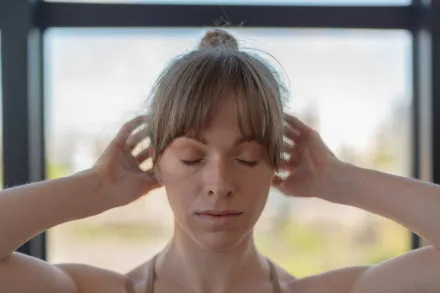
Using scent as part of a comprehensive approach can enhance overall well being and potentially reduce the frequency and severity of headaches over time. Hydration, regular meals, adequate sleep, and a nurturing routine for stress management create a foundation in which aromatherapy can be most effective. When you combine a soothing inhalation ritual with gentle stretches, mindful breathing, or a short period of quiet contemplation, you give the nervous system a clear signal to unwind. Aromatherapy does not require elaborate setups; a few minutes of scent exploration before embarking on a workday or during a stressful moment can change the trajectory of a headache by lowering baseline arousal. For some people, a brief ritual that couples scent with cooling massaging motions, such as a light massage across the temples and the base of the skull, can release muscle tension more efficiently than fragrance alone. The synergy of embodied movement and olfactory comfort is often more powerful than either element by itself.
Common myths and misconceptions
There are many ideas about aromatherapy that persist regardless of scientific nuance. Some people assume that more oil means more relief, while others think that any scent will instantly cure headaches. In reality, effectiveness depends on factors such as the harmony between the fragrance and the person’s physiology, the quality and freshness of the oil, and the method of application. Scent is a strong sensory stimulus that can trigger both relaxation and overstimulation, so it is wise to use oils with restraint during a headache flare where heightened sensitivity to odors is common. Also, while many essential oils carry antimicrobial and anti inflammatory associations, the therapeutic claims should be understood as supportive rather than definitive. Observing how your body responds, keeping track of which oils help in different situations, and avoiding overuse are practical steps toward a mindful aromatherapy practice that respects both science and personal experience.
Tips for choosing high quality oils
Quality oils begin with transparency about sourcing, extraction methods, and testing. Reputable producers often provide batch specific information, including the botanical name, country of origin, and the method used to extract the fragrance compounds. Look for oils that are labeled as pure essential oils without additives, and consider oils that have been tested for adulterants and potency, sometimes backed by third partyGC or MS verification. Storage matters as well; essential oils are sensitive to light, heat, and air, so keeping them in dark, sealed containers in a cool place helps maintain their integrity. When planning to use oils topically, opt for carriers with mild properties and check dilution guidelines appropriate for your skin type and sensitive regions. Ultimately, the best oils are the ones that respond well to your personal reactions, so allowing yourself time to experiment in a careful, mindful manner can lead to a more reliable, enjoyable practice.
Case studies and anecdotal experiences
In the realm of personal stories, a variety of individuals describe how scent-based strategies changed the texture of a challenge they face with headaches. One person finds that inhaling a soft lavender and peppermint blend while seated in a quiet corner reduces the pressure around the temples and helps restore focus during a tense workday. Another reports that a short diffusion routine with a citrusy bergamot and rosemary blend reduces the intensity of a migraine when started early in the episode, making it easier to ride out the early stages with less discomfort. A third example describes the use of a calming chamomile infusion with a cool inhalation to ease nighttime headaches that arise after long screen time. While these experiences are personal and not universal, they illustrate how a thoughtful routine that includes scent can become a reliable ally for some people, especially when integrated with hydration, rest, and light physical activity.
Special considerations for different headache types
Different headache patterns respond to different cues and limits. Tension headaches often respond well to gentle self massage combined with a soft aroma of lavender or chamomile that invites muscular relaxation and a sense of being cradle in calm. Migraines, while more complex, may benefit from cool and refreshing scents like peppermint or eucalyptus used sparingly and with attention to sensory thresholds, often when the pain is not accompanied by intense light sensitivity. Cluster headaches demand careful management; strong, penetrating scents can trigger irritation, so individuals may prefer milder profiles or avoidance of strong concentrations, using fragrance as a subtle background support rather than a central intervention. In all cases, listening to the body's signals, starting with a light approach, and stepping back if symptoms worsen are prudent practices that respect personal variability and safety.
Practical routine for a headache episode
When a headache begins, you can craft a small routine that centers on breathing, posture, and scent. Find a quiet space, lower the lights, and take a few slow breaths to settle the nervous system, then introduce a chosen aroma with a short inhalation, allowing the scent to linger in the nasal passages without forcing a strong response. If diffusion is part of your setup, run it at a low level to avoid overpowering the senses, and consider alternating flows of fragrance to prevent adaptation. A light neck and shoulder stretch can release taut muscles that often contribute to headache onset, followed by a brief moment of rest or a calm, mindful pause. If the headache persists or worsens, it is wise to pause the aromatherapy routine and turn to additional supports such as hydration, a cool compress, or medical guidance as needed. The goal is to create a sustainable, gentle routine that you can repeat safely whenever headaches arise.
Long-term benefits and the placebo effect
The benefits many people report from aromatherapy emerge over time through consistent, moderate use rather than dramatic, one off interventions. A sense of control over one’s environment, the ritual of caring for oneself, and the expectancy of relief can all contribute to perceived improvements, a phenomenon known as the placebo effect. Distinguishing between the genuine physiological effects of certain essential oils and the psychological factors that accompany any self care practice helps set realistic expectations. Even when the mechanism is difficult to isolate, the practice of slowing down, paying attention to breath, and engaging the senses can strengthen overall resilience to stress, which in turn can reduce the likelihood or severity of headaches. The practice invites curiosity about personal response patterns and fosters a mindful relationship with scent that can be valuable beyond any single episode.
Personalizing an aromatherapy approach
Because each person responds differently to scents and to the body’s signals, a personalized approach to aromatherapy works best. Keeping a quiet log of which oils were used, how intense the scent was, how long the effect lasted, and whether the headache changed in character allows you to map patterns over time. You may find that a certain oil feels comforting in the morning but not during a late afternoon flare, or that a minty blend helps more when fatigue is present while a floral profile works better for stress related tension. Your routine can evolve with seasons, changes in sleep quality, or shifts in work demands, and the aromatic library you build can be tuned to suit these transitions. Above all, maintain patience and curiosity, test small changes, and honor what your body communicates as you explore the potential of fragrance to support headache relief.
Cultural perspectives and historical notes
Aromatherapy has roots that span many traditions, from ancient herbalists to modern practitioners who study botany, perfumery, and psychology. The uses of fragrant plants for soothing nerves, calming the muscles, and lifting mood appear in varied cultures, each with its own oils, methods, and rituals. A long tradition of blending, diffusing, and applying plant extracts grew from a sense that scent could shape emotional states and physical sensations together. In contemporary practice, these practices are adapted to prioritize safety, quality, and individualized response, yet the core idea remains the same: scent is a direct route to the nervous system that, when used thoughtfully, can support the life of someone who faces the common, sometimes stubborn challenge of headaches.
Further exploration and practical takeaway
For readers curious about continuing their journey, a practical mindset embraces gentle curiosity and responsible experimentation. Start with a single, high quality oil that feels comforting, observe how your body responds to inhalation, and notice whether a brief diffusion session or a small topical application changes the mood, tension, or severity of a headache. Over time you can build simple routines that align with daily habits, such as a morning moment of scent before work or a quiet wind down in the evening that uses fragrance to cue rest. Maintaining breathing, hydration, and sleep as non negotiable foundations ensures that the aromatherapy experience supports health rather than competing with other essential needs. In this spirit, scent becomes a companion on the road to calmer days and less disruptive headaches, inviting a personal, lived sense of well being through everyday practice.