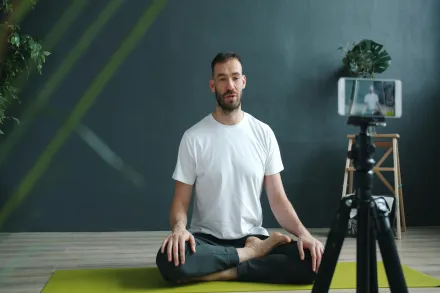
Across many cultures and historic periods, people have turned to subtle pathways of healing that go beyond the purely physical and biochemical explanations of illness. Energy healing techniques inhabit a space where intention, awareness, and compassionate presence meet practiced technique. They are often described as methods that work with the body’s energy fields, breath, and the interpersonal resonance that occurs between practitioner and recipient. Rather than presenting a single fixed doctrine, these approaches embrace a family of practices that share a common belief: that living systems are organized by invisible patterns of energy that respond to attention, care, and refined touch or proximity. The result is not a single magical outcome but a spectrum of experiences that many find transformative, offering relief from distress, a deeper sense of balance, and a renewed capacity to participate in one’s own healing process with steadier trust and less fear.
Understanding the Concept of Energy Healing
To understand energy healing, it helps to consider how people have long described health as more than the absence of symptoms. In many traditions, the body is seen as having an energy matrix that guides vitality, resilience, and adaptive functioning. This matrix is imagined as comprising channels, centers, or fields through which life force or subtle energy flows. Practitioners describe how this energy can become balanced, harmonized, or refocused through skilled touch, focused intention, or gentle movement. Even when scientific instruments do not capture subtle energies directly, the experiential shifts reported by clients and clinicians indicate that these practices influence perception, relaxation, and where the body chooses to direct its resources. The language of energy healing does not require a single universal measurement; it invites a shared experiential framework where people notice sensations, warmth, tingling, or a quieting of inner noise as the process unfolds.
Many narratives within energy healing emphasize an integrated view of health that acknowledges physical, emotional, and spiritual dimensions. In this view, the human system is understood as a responsive organism that adapts to stress through a coordinated cascade of physiological processes. When a practitioner works with energy, they often cultivate a space of calm attention, reduce defensive guarding of the body, and invite a state in which breath and tissue can settle into a more harmonious rhythm. The experience of balance can appear as a steadier heartbeat, smoother breathing, fewer muscle tensions, or a sense of spaciousness inside the chest and head. People commonly describe a sense of being held by a larger presence, or a feeling that their own inner guidance is more accessible, which in turn supports clearer decision making and more compassionate self-care.
How Energy Healing Affects the Body
From a physiological standpoint, energy healing practices frequently produce alterations in autonomic balance that are measurable in ordinary clinical terms. Relaxation responses can lower circulating stress hormones, reduce muscle tension, and improve sleep quality. When the nervous system shifts toward a more balanced state, heart rate variability tends to improve, indicating better resilience to daily stressors. This physiological recalibration often correlates with subjective reports of reduced anxiety, improved mood, and a sense of steadiness that helps people engage in healthier behaviors. Though direct measurement of subtle energies remains controversial, the downstream effects—better pain regulation, improved sleep architecture, and more stable emotional states—are observable in both subjective experience and, in some studies, objective markers of well-being.
Energy healing also interacts with perception, attention, and the brain’s processing of internal and external cues. The intentional focus of a therapist or practitioner can help reframe pain or discomfort as manageable and subject to change through the body’s own regulatory systems. This reframing, along with the procedural elements of the session such as compassionate touch or noncontact presence, can reduce rumination, increase parasympathetic activity, and promote a sense of safety. When people feel safe, the brain can reallocate resources toward repair processes, immune function can stabilize, and cognitive clarity may increase. In this sense, energy work does not claim to replace medical treatment but to complement it by creating a fertile internal environment for healing to unfold.
Common Techniques and Their Perceived Benefits
Within the broad landscape of energy healing, several approaches share a common aim: to restore harmony within the body’s energy systems and to support the person’s natural capacity for healing. In some traditions, practitioners use light touch along the body’s energy pathways, guiding life force toward areas of tension or stagnation. In others, noninvasive proximity, gentle hands hovering above the body, or guided visualization are employed to influence how energy circulates. The reported benefits frequently include deeper relaxation, relief from musculoskeletal discomfort, improved sleep, and a sense of being emotionally steadier after sessions. The experience often unfolds gradually, with subtle shifts accumulating over time and echoing into daily life as a greater sense of ease in ordinary activities and better tolerance for stress.
Among the best known modalities, some emphasize the cultivation of breath and awareness to align the practitioner’s attention with the client’s body. Others focus on balancing chakras, meridians, or energy centers through a combination of touch, intention, and movement. Still others incorporate techniques from energy psychology, where focused attention on emotional triggers is paired with ancient energy-based ideas to help release stuck patterns. Across these approaches, practitioners often report that the practice helps people become more attuned to bodily signals, more capable of recognizing when stress is rising, and more prepared to respond in ways that support healing rather than reinforce distress. The benefits thus emerge not only from the technique itself but also from the quality of presence, trust, and the collaborative relationship that develops between practitioner and client.
While evidence varies across methods, many clients describe meaningful reductions in chronic pain, tension, and persistent fatigue after recurring sessions. Others note improvements in mood, a greater sense of meaning, or increased vitality after a period of sustained practice. The personal nature of these experiences is important: energy healing often acts as a bridge between body and mind, inviting a respectful dialogue with one’s symptoms and a gentler approach to what healing requires. It is common to observe that even when people do not experience dramatic physical changes, they feel better equipped to cope with challenges, to sleep more deeply, and to approach daily life with a renewed sense of possibility.
Benefits for Mental and Emotional Health
The mental and emotional benefits of energy healing are frequently described in terms of reduced reactivity and enhanced emotional regulation. When a person experiences a calmer nervous system, the mind’s tendency to magnify distress can ease, allowing thoughts to settle into more constructive patterns. This can translate into clearer decision making, improved concentration, and a greater ability to be present with others without becoming overwhelmed. Therapists who incorporate energy-based practices often observe clients developing a kinder internal dialogue, a greater tolerance for uncertainty, and a capacity to place experiences in a broader context that reduces catastrophic thinking. Over time, these shifts can contribute to a more resilient temperament, better coping strategies, and a more stable sense of inner well-being.
In addition to direct calming effects, energy healing can help release emotionally charged tensions that have become lodged in the body. By creating spaciousness around painful memories and facilitating a sense of safety, practitioners can help people move through emotions that have been stored in tissues, breath, and posture. This process does not erase past experiences, but it can alter their physical and emotional signature, reducing habitual patterns of guarding or avoidance. Patients frequently report that they feel more connected to their own needs, more capable of setting compassionate boundaries, and more willing to seek social support when needed. The cumulative effect is a more flexible emotional landscape in which distress is acknowledged without becoming overpowering.
Another notable aspect is the way energy healing nourishes hopeful expectancy, a psychological resource linked to better health outcomes in various conditions. When clients experience a sense of being cared for, their motivation to engage in healthy routines can increase. The combination of perceived support, meaningful attention, and the gentle stimulation of the body’s self-healing mechanisms often creates a virtuous circle: reduced anxiety opens space for better sleep; improved sleep enhances mood; better mood encourages healthier behavior, which in turn supports further healing. Although not every session yields dramatic results, the general pattern observed by many practitioners is a progressive sense of empowerment and a more balanced emotional baseline that helps people face daily life with steadier poise.
Benefits for Physical Wellbeing
Physically, energy healing is frequently positioned as a complementary approach rather than a substitute for medical treatment. Yet the practical benefits reported by many clients touch everyday life in tangible ways. Pain is one of the most common targets of relief, and even when the reduction is incremental, it can lead to greater mobility, less reliance on analgesics, and improved participation in activities that matter. Sleep disturbance, which often accompanies chronic discomfort, also tends to improve, enabling restorative processes to proceed more effectively. When sleep deepens, daytime functioning often improves as well, including increased attention, better memory, and steadier energy. In this context, energy healing can act as a catalyst that makes it easier for individuals to adhere to physical rehabilitation programs and engage in gentle movement practices that support long-term health outcomes.
Beyond pain and sleep, practitioners note improvements in areas such as digestive function, autonomic balance, and general vitality. While mechanisms vary by modality, the shared outcomes typically involve a sense of release from muscular tension, improved breath efficiency, and a calmer internal milieu that allows the body to allocate resources toward healing processes rather than guarding against threat. For people managing chronic conditions, energy healing can contribute to a more manageable daily rhythm, reducing the frequency and intensity of flare-ups and enabling a steadier baseline from which medical therapies can operate more effectively. In this light, energy healing is best understood as a partner in care, enhancing quality of life and supporting ongoing medical or therapeutic plans.
Integrating Energy Healing in Daily Life
Integrating energy healing into daily life does not require large time commitments or dramatic changes in routine. Many people cultivate small, sustainable practices that echo the principles of energy work. Daily sessions of mindful breathing, gentle body awareness, or brief moments of compassionate attention toward one’s own pain can create a reserve of calm that carries over into work, family interactions, and personal goals. The practice of setting a gentle intention at moments of stress can help reframe challenges as opportunities for growth rather than threats to well-being. In this sense, energy healing becomes a philosophy of living rather than a one-off intervention, inviting a slower, more deliberate pace that honors the body’s signals and supports ongoing balance.
Consistency matters, as the benefits of energy healing often emerge through repeated engagement rather than sudden, dramatic changes. People who incorporate regular sessions or routine self-care practices tend to notice cumulative improvements in tolerance for discomfort, a steadier mood, and a growing capacity to listen to the body’s needs. The practical aspects of integrating these practices include creating a quiet, safe space for practice, paying attention to breath, and maintaining an attitude of gentle curiosity about one’s own experience. As with any healing modality, informed consent, clear communication with any healthcare providers involved, and a respect for personal boundaries are essential to ensure safety and effectiveness over time.
Ethics, Safety, and Responsible Practice
Ethical practice stands at the core of energy healing. Practitioners are encouraged to obtain appropriate training, maintain transparent boundaries, and avoid making exaggerated claims about cures. Safety also means honoring the autonomy and consent of clients, listening carefully to their goals, fears, and medical histories, and coordinating with other healthcare professionals when appropriate. Responsible practitioners emphasize that energy healing complements conventional medicine, supports emotional and physical well-being, and does not replace essential medical interventions. By fostering a collaborative atmosphere, energy healing sessions can become a trusted space where clients feel seen, heard, and empowered to participate actively in their own healing journey.
In addition to consent and boundaries, cultural sensitivity must be respected. Energy healing practices arise from diverse cultural heritages, and practitioners should approach traditions with humility, avoid misappropriation, and honor the origins of the techniques. Clients, for their part, can benefit from open dialogue about their beliefs, expectations, and any spiritual considerations that influence their comfort with particular approaches. When both parties approach the work with mutual respect, energy healing becomes not only a therapeutic intervention but also a relational process that honors dignity, autonomy, and shared human vulnerability.
Scientific Perspectives and Skepticism
Scientific inquiry into energy healing faces unique challenges, including the variability of modalities, the subjective nature of many experiences, and the difficulty of isolating specific causal mechanisms. Critics often point to the lack of consistent, replicable results across studies and emphasize the importance of placebo effects, expectancy, and the therapeutic context. Proponents, however, argue that rigorous research can still reveal meaningful benefits, especially when energy healing is examined as an adjunct to standard care rather than as a stand-alone cure. The cautious stance adopted by many researchers is not a dismissal but a call for better-designed studies, careful control of variables, and a nuanced understanding of what constitutes measurable change versus personal meaning and subjective well-being.
In clinical conversations, it is common to acknowledge that patient-reported outcomes—such as reduced distress, improved sleep, or a greater sense of empowerment—are valuable regardless of whether they can be traced to a single biological endpoint. The compatibility of energy healing with patient-centered care rests on listening to individuals’ experiences, honoring their values, and recognizing that healing encompasses more than symptom relief. This broader epistemic stance invites ongoing dialogue between practitioners, researchers, and patients to determine what counts as evidence in real-world healing when it comes to the integrative, human-centered approach that energy work represents.
Case Narratives and Personal Experiences
Many people who begin energy healing journeys share intimate stories about how their relationships with pain, stress, and fear evolve as they practice or receive care. These narratives often describe a gradual shift from a tense, warlike posture in the body to a more spacious, alert relaxation. Some speak of times when a session led to a sudden release of stagnant energy or a change in bodily perception that felt like a doorway opening toward better functioning. Others recount episodes in which steady practice over weeks and months translated into improved sleep, more consistent energy during the day, and a greater willingness to engage in self-care rituals that had previously seemed daunting. The richness of these experiences lies not in dramatic miracles but in the quiet accumulation of small, meaningful changes that contribute to a more integrated sense of self.
These personal accounts also highlight that energy healing can sometimes catalyze a renewed sense of purpose and connection. When individuals feel supported by a practitioner who offers nonjudgmental listening and caring attention, they may be more inclined to seek social support, adopt healthier routines, and participate in communities that reinforce well-being. The social dimension of healing—being held in a compassionate presence—can itself be healing, reinforcing a sense of belonging and reducing isolation in times of illness or stress. The stories collectively illustrate that the impact of energy healing is multi-layered, touching the body, mind, emotions, and relationships in ways that are often interwoven and mutually reinforcing.
Integrative Pathways and Holistic Care
From a holistic perspective, energy healing is most effective when viewed as part of an integrated care plan that respects medical evidence, personal values, and cultural context. When used alongside conventional therapies, energy healing can enhance patients’ sense of agency and reduce barriers to participating in active treatment. The synergy arises when practitioners coordinate with physicians, mental health professionals, physical therapists, and other care providers to ensure coherent, person-centered care. This collaborative approach supports not only symptom relief but also the cultivation of resilience, adaptive coping strategies, and enhanced quality of life. In such a framework, energy healing becomes a meaningful component of a larger tapestry of wellness that honors the interconnectedness of body, mind, and environment.
People who integrate energy healing into a broader wellness routine often discover that it helps sustain the daily discipline needed to maintain healthy habits. For some, practices such as breathwork, mindfulness, and gentle movement become anchor points that reinforce the benefits of sessions with a trained practitioner. The consistent application of these ideas—together with compassionate presence and respectful curiosity—can empower individuals to explore their own capacity for healing in ways that feel authentic and sustainable. As with any healing modality, the true measure lies in lived experience: the degree to which a person can experience greater ease, a quieter mind, and a kinder relationship with their body over time.
Ultimately, the value of energy healing techniques rests in their humanity. They invite a patient, a practitioner, and a broader community into a shared process of exploration, listening, and care. This process respects science while acknowledging the lived realities of people who carry burdens that may not be captured by laboratory tests alone. The authentic benefits emerge when the practice remains grounded in safety, consent, and compassionate engagement, allowing healing to be meaningful on a personal level and potentially contributory to ongoing health and well-being in a way that honors each person’s unique path.
Through ongoing dialogue, education, and ethical practice, energy healing can continue to offer hopeful possibilities for those seeking relief, balance, and a more harmonious relationship with their own life force. The practice invites us to consider how attention, intention, and presence can influence the experience of being alive, how we respond to stress, and how we approach healing as a shared human endeavor. In this light, the benefits of energy healing techniques become not merely a list of outcomes but a lived experience of care that broadens the sense of what is possible for the body, the heart, and the mind.