Mindfulness has become a widely discussed practice in contemporary life, yet its roots run much deeper than recent trends in wellness media. At its core, mindfulness refers to a purposeful moment-to-moment awareness of our internal experiences and external surroundings, cultivated with attitude that is nonjudgmental, curious, and open. This combination of attention and attitude creates a space in which thoughts, emotions, bodily sensations, and environmental stimuli can be observed without automatically reacting. The benefits of this stance acc...
Alternative Medicine
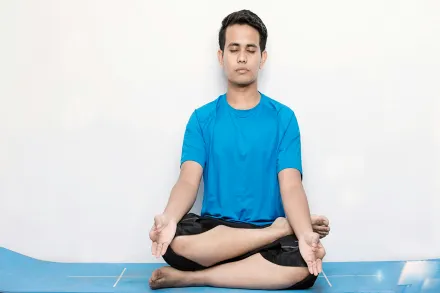
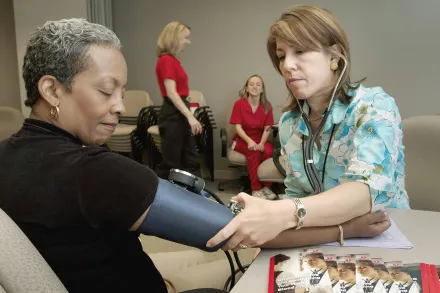
Hypertension remains a global health challenge, contributing to cardiovascular disease burden and stroke. In many populations, conventional pharmacotherapy reduces risk but also presents side effects and adherence challenges. In this context, mind-body practices, including Tai Chi, have gained attention for their potential to modulate blood pressure through complex interactions among autonomic regulation, vascular function, and stress physiology. Tai Chi is not a single exercise but a family of graceful, slow-motion movements performed with coo...
Naturopathic medicine offers a distinctive pathway to wellbeing that centers on the body's intrinsic capacity to heal when supported by thoughtful choices, balanced lifestyles, and natural modalities. This approach treats the person as a whole rather than just the symptoms that appear on the surface, recognizing that physical health intertwines with mental balance, emotional resilience, social context, and daily environment. In practice, clinicians seek to understand a patient’s history, living conditions, work stress, and personal aspirations ...
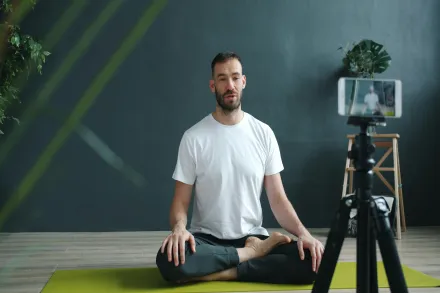
The human experience often feels like a busy weave of thoughts, sensations, and external demands, yet beneath that surface there lies a steady capacity for a different kind of alignment. Mind-body techniques open a pathway to harnessing the body’s intrinsic signals in a way that clarifies thought, steadies emotion, and enhances physical well being. These practices are not about escaping reality, but about engaging with it more fully, using deliberate breath, attention, and intention to influence the way the nervous system responds to stress, th...
Cupping therapy stands as one of the most enduring modalities in the toolbox of traditional healing, and its reputation as a means to stimulate blood flow has persisted through centuries of use. Practitioners describe cupping as a way to influence the body’s natural circulation by creating a localized zone of suction that lifts skin and superficial fascia away from underlying structures. This upward pull draws fluid toward the surface, temporarily expands capillaries, and increases the movement of blood in the treated region. When the cups are ...
Aromatherapy stands at the crossroads of science, art, and personal experience, offering a path to support mental wellbeing that complements medical and psychotherapeutic approaches. It relies on the simple yet powerful fact that scent can shape mood, arousal, and cognitive focus in a way that feels both immediate and lasting. This article explores how aromatherapy can influence mental health, the mechanisms behind these effects, practical ways to apply it safely, and how it fits into a broader strategy for emotional resilience. By examining hi...
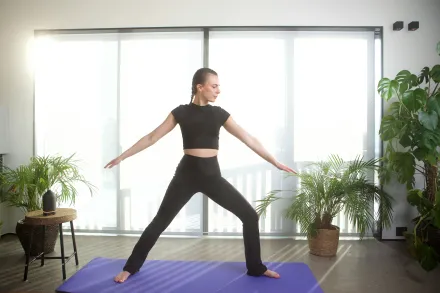
Posture is more than a static pose held for a moment; it is a dynamic expression of how the body carries weight, distributes load, and coordinates movement across multiple joints and planes. At its core posture reflects the balance between the skeleton, the surrounding soft tissues, and the nervous system that orchestrates muscle timing and joint stability. When posture is efficient, the spine maintains its natural curves, the pelvis nests in a position that supports upright alignment, and the shoulders rest softly over the chest rather than co...
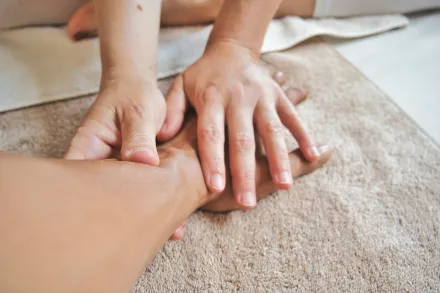
Recovery from injury, surgery, or chronic stress is a multifaceted journey that benefits from a holistic approach. Massage therapy stands as a complementary practice that works alongside medical care, physical therapy, nutrition, hydration, sleep, and mindful movement. Its purpose is not to replace clinical treatment but to enhance the body's natural healing processes by creating an environment that favors restoration, resilience, and better functional outcomes. When practiced with skill and sensitivity, massage can help reduce pain, ease tensi...
Cupping therapy is an ancient healing practice that has traveled across cultures and centuries, evolving in form and technique while retaining a core aim: to influence the body’s tissues through controlled suction. When back pain interrupts daily life, people often seek complementary approaches that address not only the sensation of pain but also the patterns of tension, stiffness, and restricted movement that accompany it. Cupping offers a distinctive modality that can be integrated with other treatments to create a holistic approach. The basi...
In the growing world of holistic health, reflexology is often regarded as a gentle yet potentially meaningful way to support the body’s circulatory system. Practitioners operate on the premise that the feet, hands, and ears contain intricate maps that reflect the entire body, and that deliberate touch in these zones can influence the flow of blood and the movement of fluids in distant regions. This approach emphasizes a calm, attentive touch, a steady rhythm, and a focus on releasing tension that may impede proper circulation. For many people s...