In the growing world of holistic health, reflexology is often regarded as a gentle yet potentially meaningful way to support the body’s circulatory system. Practitioners operate on the premise that the feet, hands, and ears contain intricate maps that reflect the entire body, and that deliberate touch in these zones can influence the flow of blood and the movement of fluids in distant regions. This approach emphasizes a calm, attentive touch, a steady rhythm, and a focus on releasing tension that may impede proper circulation. For many people seeking noninvasive ways to nurture cardiovascular and tissue health, reflexology offers an inviting pathway designed to complement traditional medical care rather than replace it. The experience itself can be grounding, and the resulting sensations often extend beyond the surface of the skin to influence a wider sense of bodily awareness, warmth, and ease of movement.
The foundation of circulatory health and reflexology
In order to understand how reflexology could influence circulation, it helps to consider the basics of how circulation operates within the body. Blood moves through a network of arteries and veins, driven by the pumping action of the heart and aided by the elasticity of vessels as well as the rhythmic contractions in surrounding muscles. The microcirculatory system, comprising tiny capillaries and the exchange processes at the level of tissues, is where oxygen and nutrients are delivered and waste products are carried away. When this system is challenged by stress, aging, injury, or chronic conditions, the efficiency of these exchanges can diminish. Reflexology looks to the body's surface as a key to modulating this system indirectly by addressing areas that correspond to distant organs, glands, and regions through an established and historically observed map. While the exact anatomical correlates are subject to ongoing investigation, the practical reality reported by many clients involves a sense of release in muscle tension, improved skin warmth, and a greater ease in breathing or movement following sessions. These changes, though sometimes subtle, can create a more favorable environment for blood flow and lymphatic movement to operate with less resistance.
How reflexology targets the feet, hands, and ears
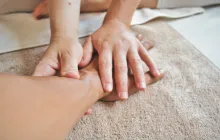
The philosophy underpinning reflexology posits that distinct zones on the feet, hands, and ears serve as gateways to corresponding body parts. A trained practitioner uses precise pressure and paced movements along these zones in order to encourage a harmonious balance of signals within the nervous system and to stimulate local soft tissue response. On a practical level this can translate into longer, slower strokes that warm tissues, followed by careful, deliberate pressure on points that map to the heart, lungs, kidneys, and major arteries. The hands and ears offer parallel maps that can be engaged when foot work is not feasible, and some clients report that hand or ear work provides a refreshing alternative that still supports circulatory function. The technique emphasizes a respectful, patient pace, allowing the body to respond gradually to touch and to the perceived shifts in energy and circulation that may follow. The goal is not to force a dramatic change in blood pressure or heart rate, but to encourage the body to settle into a state where the vessels can relax and blood can traverse smaller pathways with less resistance.
Mechanisms by which reflexology may improve circulation
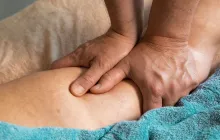
Several mechanisms are commonly discussed by reflexology practitioners and researchers as possible routes through which circulation might be supported. One thread involves the mechanical action of massage itself. When tissues are kneaded, pressed, and stroked, blood flow to the surface layers is stimulated, and as tissues warm up, capillaries may become more permeable and more capable of delivering nutrients to nearby cells. The musculoskeletal system often benefits from the release of muscular tension that can compress blood vessels when knots or tight bands persist. By reducing such compression, reflexology can create a more welcoming environment for blood to move through narrow channels, potentially aiding in the distribution of oxygen and the removal of metabolic byproducts. Another pathway relates to the nervous system. A calming touch and a rhythmical sequence can activate the parasympathetic branch of the autonomic nervous system, which is associated with rest and digestion. When this system gains a foothold, heart rate tends to stabilize, vascular tone may become more adaptable, and the overall circulation can become more efficient as the body shifts away from a chronic stress response. In addition to these nervous system effects, the release of natural biochemical mediators like endorphins and nitric oxide can influence vessel dilation, further contributing to better perfusion in various tissues. Finally, reflexology sessions frequently promote improvements in lymphatic drainage and interstitial fluid movement. Although not typically the primary focus of reflexology, improved lymphatic flow can help clear metabolic waste and reduce tissue edema, factors that can indirectly enhance the clarity and speed of circulation through affected regions.
Evidence and research overview
The scientific landscape around reflexology and circulation is diverse, with studies ranging from qualitative reports of patient experience to quantitative investigations that attempt to measure physiological changes. Some research suggests that reflexology may produce modest improvements in perceived comfort, pain, and relaxation, all of which can influence autonomic balance and, by extension, circulatory dynamics. Other investigations explore objective endpoints such as changes in skin temperature, peripheral blood flow, or flow-mediated dilation, though results are often mixed and sometimes limited by small sample sizes, short duration, or methodological variability. A prudent reading of the literature recognizes the potential for placebo effects and acknowledges that reflexology is frequently employed as part of an integrative approach rather than as a stand-alone intervention for cardiovascular conditions. Clinicians and researchers emphasize that reflexology should be viewed as a complement to evidence-based medical care, particularly for individuals with complex circulatory concerns or chronic diseases. In practice, many clients experience noticeable relaxation, improved mood, and a greater sense of bodily connectedness after sessions, factors that can indirectly support healthier circulatory patterns over time when combined with proper medical management and healthy lifestyle choices.
Practical reflexology routines to enhance circulation
When a practitioner guides a session with the aim of supporting circulation, they often begin with gentle warming techniques designed to prepare the body for deeper work. A slow, rhythmic sequence helps to increase blood flow to the surface and to relax the muscle fibers that enwrap nerves and vessels. The practitioner may then focus on zones corresponding to the legs, hips, and core vascular pathways, moving with deliberate timing to encourage a sense of coherence and balance. As pressure is applied to reflex points that map to the heart and circulatory organs, there is typically a careful balance between firmness and respect for the body's boundaries, ensuring that the stimulation remains within comfortable limits. Throughout the session, breathing can be encouraged as a way to deepen relaxation and to reinforce the sense of a coordinated response between the diaphragm, chest, and peripheral vessels. In many cases, sessions close with reiterative strokes along the feet or hands, gradually easing the body back into a rest state and allowing the observer to notice any changes in warmth, comfort, or ease of movement that may have emerged during the work. Clients often report a delayed reaction in sensation, with warmth or lightness appearing hours after a session, which can be interpreted as reflected improvements in tissue perfusion and an enhanced sense of vitality.
Self care and home practice
For individuals who wish to support circulation between professional sessions, self-care practices can be integrated into daily life with attention to safety and comfort. Gentle self-massage of the feet and hands, performed with mindful touch and slow, steady movements, can help maintain tissue pliability and promote ongoing comfort. Maintaining a routine that includes stretching, light exercise, and hydration can synergize with reflexology by reducing overall physiological stress and supporting vascular flexibility. It is important to approach self-care with a sense of pacing, avoiding aggressive pressure or prolonged sessions that might lead to irritation or discomfort. People who have sensitivity in their feet, diabetes, neuropathy, or other complex health concerns should consult a healthcare professional before starting a routine that involves self-massage, ensuring that the chosen techniques align with their medical needs and do not inadvertently compromise skin integrity or sensation. The overarching message is clear: reflexology and self-care work best when practiced with attentiveness, patience, and a willingness to observe how the body responds over time.
Reflexology in clinical contexts
In clinical settings, reflexology is often offered as a complementary therapy rather than a primary treatment for circulatory disorders. It can be integrated alongside pharmacological interventions, physical therapy, and lifestyle counseling to create a more holistic approach to patient care. In cases where circulation is compromised due to diabetes, peripheral artery disease, or venous insufficiency, reflexology may contribute to improved comfort, reduced swelling, and heightened awareness of body signals, but medical oversight remains essential. Clinicians emphasize that reflexology should not be used to delay or replace urgent medical treatment in the face of acute symptoms such as chest pain, sudden shortness of breath, or signs of poor perfusion. Instead, it can serve as a supportive modality that enhances relaxation, reinforces patient engagement with their own health, and potentially augments the effectiveness of other therapeutic efforts by reducing stress and improving sleep quality, both of which have known beneficial effects on vascular health.
Common myths and clarifications
A common idea circulating about reflexology is that it can directly cure or instantly rectify serious cardiovascular issues. This notion is not supported by robust scientific evidence and should be approached with caution. Another misconception is that reflexology replaces medical care for circulatory diseases or that it offers universal outcomes for every individual. In reality, responses to reflexology are highly personal, influenced by a person’s overall health, levels of stress, and engagement with complementary therapies. While some clients report striking improvements in energy or warmth after sessions, others may notice only a modest change. The truth lies in recognizing reflexology as part of a broader ecosystem of healing modalities that may collectively contribute to better circulatory function by enhancing relaxation, reducing sympathetic arousal, and encouraging movements that support tissue perfusion. A third misconception is that reflexology is only about the feet; in fact, the hands and ears are equally important maps that can provide meaningful points of influence for circulatory health in a manner that respects patient comfort and preference. The nuanced reality is that reflexology operates best when tailored to the individual, with sensitivity to how the body responds to touch and how perceptions of warmth and tension shift over time in response to consistent practice.
Who may benefit and precautions
Reflexology can be a welcoming option for a broad range of people who are seeking to support circulation as part of a balanced lifestyle. Older adults often value gentle, rhythmic touch that can promote comfort and a sense of stability, while athletes may notice improved recovery and reduced muscle tension that indirectly supports vascular function. Individuals with chronic conditions such as hypertension, high cholesterol, or metabolic syndrome may experience reduced stress and improved sleep as ancillary benefits, though these outcomes do not replace medical management. For people with diabetes, especially those who have neuropathy or vascular concerns, reflexology should be practiced with particular care to avoid pressure points that could irritate sensitive areas of the feet or interact with wound healing processes. Pregnant individuals should seek advice from their healthcare providers and practitioners about the most appropriate techniques and pressure levels, as hormonal changes can alter tissue response and comfort. Those with skin ulcers, open wounds, active infections, or fragile skin should avoid deep pressure in the affected areas and opt for gentler modalities or postpone sessions until healing occurs. Overall, reflexology is most effective as a gentle, collaborative practice where consent, comfort, and safety drive every touch, and where practitioners remain attuned to the body's signals and the evolving needs of the client.
The role of practitioner skill and client experience
The quality of a reflexology session is strongly influenced by the skill and sensitivity of the practitioner, as well as the openness and participation of the client. A skilled practitioner respects boundaries, maintains a consistent rhythm, and adjusts pressure to suit the client’s reactions. The client’s experience—level of relaxation, clarity of breath, and sense of warmth—provides ongoing feedback that informs how the session progresses. A well-conducted reflexology session that emphasizes circulation often involves a balance of attentiveness and subtle adjustment, ensuring that the movements become a conversation between the practitioner’s trained hands and the body’s experiential responses. When clients approach sessions with curiosity and a willingness to notice subtle shifts in sensation, the practice can become a rich venue for exploring how touch, relaxation, and circulation interrelate within the broader context of wellness. This collaborative dynamic is at the heart of reflexology’s appeal for many people who seek non-pharmacologic avenues to support cardiovascular health and tissue vitality.
Integrating reflexology with lifestyle choices
Beyond the session room, reflexology sits within a lifestyle framework that includes physical activity, balanced nutrition, adequate hydration, sleep, and stress management. Encouraging regular movement—such as walking, cycling, or gentle stretching—can complement reflexology by promoting vascular elasticity, improving venous return, and supporting the body’s capacity to deliver oxygen to tissues. Hydration helps maintain the fluid milieu necessary for efficient circulation, while a nutrient-rich diet supports endothelial function and reduces inflammatory stimuli that might impede vascular health. Sleep quality plays a critical role in recovery and autonomic balance, which in turn can influence how receptive the body is to reflexology’s circulatory effects. Stress management techniques, such as mindful breathing or meditation, can further enhance the parasympathetic activity that supports a relaxed vascular state. In this broader context, reflexology becomes part of a cohesive strategy to nurture circulation, not a stand-alone fix. Clients who integrate reflexology with healthy daily practices often report a cumulative sense of vitality and steadier energy through the day, a response that many clinicians recognize as beneficial for overall wellbeing.
Historical and cultural perspectives
Reflexology draws from a long lineage of touch-based healing traditions that have evolved across cultures. While the terminology may vary—from reflex points to meridians—the shared core idea is that the body maintains an interconnected map of systems that can be influenced through careful contact. The practice has grown through modern workshops, clinical settings, and self-help traditions, and many people approach it as a contemplative form of care as much as a physical one. Historical narratives emphasize the role of the practitioner as a facilitator of balance, enabling the client to experience a felt sense of release, warmth, and improved circulation. Today, modern reflexology blends these philosophical roots with contemporary understanding of physiology and wellness to offer a respectful, person-centered approach that acknowledges both the mystery of touch and the tangible outcomes reported by participants. The cultural richness of reflexology contributes to its appeal, inviting individuals to explore how ancient wisdom and modern science can intersect to support circulatory health in diverse communities.
Reflexology as part of a broader wellness conversation
In the ever-expanding field of health and well-being, reflexology commonly intersects with other modalities such as massage therapy, acupuncture, physiotherapy, and integrative medicine. The idea that touch can influence circulation resonates with principles of relaxation, nervous system balance, and the body’s innate ability to regulate itself. Conversations about reflexology often touch on the subjective nature of healing, acknowledging that the experience of warmth, comfort, and ease can vary between people and across sessions. This variability does not diminish the potential value of reflexology; instead, it highlights the importance of personalized care, ongoing communication between client and practitioner, and careful monitoring of outcomes. When integrated thoughtfully with conventional care and guided by professional standards, reflexology can become a supportive strand in a tapestry of strategies aimed at maintaining healthy circulation and promoting a sense of well-being that extends beyond the physical to influence mood, sleep, and daily function.
Practical considerations for practitioners and clients
For practitioners, maintaining hygiene, ongoing education, and ethical practice is essential. Clear communication about goals, expectations, and possible sensations helps to build trust and improve the therapeutic alliance. Clients benefit from arriving with a sense of what they want to explore in terms of circulation and comfort levels, as well as from being prepared to share their experience after sessions. Both parties are encouraged to approach reflexology with patience, recognizing that the body’s response to touch can unfold over hours or days. Documenting trends in warmth, swelling, energy, and sleep can help to identify patterns and adjust future sessions accordingly. In scenarios where circulation concerns are linked to more serious medical conditions, reflexology may be used judiciously as part of an integrated care plan, subject to the oversight of healthcare professionals and the client’s informed consent. The result is a careful, collaborative approach in which reflexology serves as a compassionate tool to support circulation and overall vitality while respecting medical boundaries and personal autonomy.
Closing reflections on circulation and touch
Ultimately, the question of how reflexology enhances circulation invites a broader contemplation of the body's capacity to respond to mindful, therapeutic touch. The practice encourages a listening stance, inviting the body to release held tension and to reallocate resources toward tissues that can benefit from improved perfusion. By fostering relaxation, improving tissue pliability, and supporting autonomic balance, reflexology can contribute to a peripheral environment that favors steady, more efficient circulation. While individual results differ, and while reflexology remains one component in a holistic health approach, many participants find that regular sessions cultivate a consistent sense of warmth, lightness, and ease that extends into everyday activities. For those curious about noninvasive, person-centered ways to support cardiovascular comfort and tissue vitality, reflexology offers a meaningful route worth exploring with care, curiosity, and a trusted practitioner who respects the body’s unique pace and cues.