Cupping therapy stands as one of the most enduring modalities in the toolbox of traditional healing, and its reputation as a means to stimulate blood flow has persisted through centuries of use. Practitioners describe cupping as a way to influence the body’s natural circulation by creating a localized zone of suction that lifts skin and superficial fascia away from underlying structures. This upward pull draws fluid toward the surface, temporarily expands capillaries, and increases the movement of blood in the treated region. When the cups are removed, the sudden restoration of tissue pressure can trigger a reactive surge of blood into the area, a response that many people experience as a sense of warmth, relief, or heightened awareness of the body. The idea at the core is simple yet powerful: by altering the mechanical environment of the skin and underlying tissues, cupping can alter how blood circulates through the targeted area, with potential spillover effects that extend beyond the immediate site of treatment.
Modern explanations emphasize the biomechanical and physiological shifts that accompany suction. The negative pressure created by the cup causes the superficial vessels to expand and transiently increases local tissue perfusion. As a result, more oxygen and nutrients are delivered to injured or tight muscles, and metabolic byproducts like lactic acid may be cleared more efficiently. In addition to these local changes, the body’s internal signaling networks respond to the temporary deformation of tissue and the mechanical stress applied to cells lining the blood vessels. Endothelial cells sense changes in shear stress and may release signaling molecules that promote vasodilation and improved microcirculatory flow. In practical terms, this means that cupping can set off a cascade in which the circulation within the treated region becomes more robust for a period of time, helping to support healing, relaxation, and functional restoration of movement.
To grasp why cupping might improve circulation, it helps to picture the microvascular network that runs through muscles, fascia, and connective tissues. Capillaries, the smallest vessels in the circulatory system, are highly responsive to changes in mechanical force and pressure gradients. When cups generate suction, the surrounding tissue experiences a gentle stretch that can recruit more capillaries to participate in perfusion. This process, sometimes described as regional hyperemia, brings a fresh wave of blood into the tissue. The temporary pooling effect can also facilitate better distribution of circulating immune cells and inflammatory mediators that assist in tissue repair. Over the course of a session and in the hours that follow, these microvascular dynamics may translate into a more even distribution of blood flow, reducing areas of relative ischemia and promoting a healthier tissue milieu that supports recovery and performance.
Beyond the local effects, there is growing recognition of how cupping interacts with the body’s autonomic nervous system, which governs involuntary functions including heart rate, blood vessel tone, and digestion. The application of suction can stimulate a relaxation response, reducing sympathetic dominance that often accompanies chronic muscle tension and stress. This shift can alter systemic circulatory patterns by modulating heart rate variability and vascular tone. People frequently report a sense of calm after a cupping session, a subjective experience that aligns with the idea that the body is recalibrating its balance between tension and ease. When the nervous system moves toward a more balanced state, the distribution of blood flow can adjust in a way that supports tissue repair and reduces the perception of discomfort that accompanies muscular overuse. In short, cupping can be seen as a multifaceted intervention that engages both the local vascular machinery and the body’s wider regulatory systems to influence circulation in a beneficial fashion.
Origins and basic concept
The practice of cupping has deep roots in multiple ancient healing traditions, and its enduring presence across cultures points to a shared intuition about the body’s need for balanced circulation. In some historical contexts, cups were heated to create suction, and the resulting redness and slightly raised skin were interpreted as signs of improved blood flow. In other traditions, cupping was integrated with broader diagnostic and therapeutic approaches, where practitioners paired cups with herbal medicines, massage, or energy-based theories. Across continents, the recurring theme is the same: applying suction to the skin modulates the mechanics of tissue, the movement of fluids, and the experience of warmth and vitality in the treated area. Modern practice has retained these core ideas while incorporating standardized safety practices, symptom-focused objectives, and a growing body of observational and experimental data that helps illuminate how circulation responds to suction over time. The basic concept remains straightforward: create a controlled negative pressure in a defined region, allow tissue to respond to that force, and observe how the circulation and tissue dynamics shift in the minutes and hours that follow.
In contemporary clinics, cupping is often performed with glass, silicone, or bamboo cups that are designed to create a seal and preserve a stable negative pressure. Some approaches are stationary, with cups placed on fixed positions for a period of several minutes; others involve moving cups along a line of tissue, a technique that resembles a gentle massage while maintaining suction. Regardless of the exact method, the objective is to influence the skin, fascia, and underlying muscle fibers in a way that enhances blood flow and supports local healing processes. By focusing on the fabric of the body rather than on a single joint or muscle group, cupping presents a holistic route to encouraging circulation that complements other rehabilitative or preventive strategies. The result is a treatment that can be adapted to different body regions, activity levels, and clinical concerns, all through the careful calibration of suction, time, and technique.
Another layer of interpretation comes from the observation of cupping marks, the visible changes on the skin after a session. These marks are a natural consequence of pooling of blood near the surface and reflect the magnitude and duration of suction applied. While some people view marks as a badge of effectiveness, others experience only a mild reddening patch with no appreciable discoloration. Importantly, the presence or absence of marks does not reliably indicate the quality of the circulatory response or the clinical outcome. The practical takeaway is that cupping is a versatile tool; its impact on circulation is influenced by how long the cups are placed, how much suction is used, and how the practitioner navigates the body’s unique tissue landscapes. When conducted by trained professionals who tailor the approach to individual physiology, cupping can be an effective way to modulate circulation in targeted regions while supporting overall well-being.
How cupping interfaces with the body's circulatory system
The central premise of cupping and circulation is that mechanical forces can shape how blood flows through tissues. The immediate effect is a localized enhancement of perfusion as capillaries dilate and surrounding tissues become more pliant under suction. This increased perfusion can help to deliver oxygen and nutrients more efficiently to muscle fibers that may have become stiff or fatigued after exertion. At the same time, the suction lifts subcutaneous layers slightly, promoting a dispersion of interstitial fluid away from congested zones and encouraging its reabsorption into the lymphatic and venous systems. The combination of enhanced arterial inflow and improved venous and lymphatic drainage can create a more favorable environment for tissue repair and metabolic exchange. In practical terms, this translates into a reduction in perceived muscle tension and a faster transition from a stressed state toward a more pliable, resilient one.
As the cups are removed, the body responds to the sudden return to normal pressure with a reactive phase in which the tissue experiences a surge of blood flow. This post-release hyperemia can extend beyond the immediate treatment area as blood vessels re-equilibrate and systemic circulation adjusts to the local changes that occurred during suction. For people with localized pain or muscle stiffness, this sequence can magnify the sensation of warmth and increase the rate at which metabolic waste products are cleared from the region. The process supports a cycle of relief, improved mobility, and renewed tissue function that can contribute to greater range of motion and a reduction in discomfort during everyday activities. This is not a one-size-fits-all response, however; the magnitude and duration of the circulatory boost depend on individual factors such as skin elasticity, baseline vascular health, hydration status, and the presence of any underlying conditions that influence blood flow.
In addition to direct vascular effects, cupping can influence the microenvironment of the muscle and connective tissues by affecting the fascia, a critical conductor of force transmission and fluid movement. When fascia is taut or adherent, it can impede the normal glide of muscles and hinder efficient circulation. Suction can gently mobilize the fascia, reducing restrictions and enabling a smoother continuum of tissue movement. This change in tissue mechanics can facilitate more efficient blood flow along the muscle beds and support the efficient removal of inflammatory mediators. The net effect is a systemic improvement in tissue health and a better basis for functional recovery, which in turn can contribute to longer-term improvements in circulation as the body maintains a more balanced tone and posture that support continuous perfusion throughout daily activity.
Physiological mechanisms at the microvascular level
Delving deeper into physiology, the microvascular response to cupping involves a cascade of cellular signals that contribute to improved blood flow. Endothelial cells lining the capillaries sense changes in shear stress when blood flow increases in response to suction. This mechanical cue can trigger the release of nitric oxide, a potent vasodilator that widens small blood vessels and reduces vascular resistance. The result is a more favorable supply of blood to compromised tissues, which can be particularly meaningful for areas where activity-induced microtrauma accumulates. The improved perfusion also supports the removal of inflammatory mediators and metabolic byproducts, helping to create an environment where healing processes can proceed more efficiently. In some cases, cupping may influence the expression of molecules that govern capillary recruitment, further expanding the network of vessels that participate in tissue perfusion during and after a session.
The microcirculation framework also involves lymphatic pathways that drain interstitial fluid and immune cells from tissues. By gently lifting tissue and creating a localized suction, cupping can promote the movement of extracellular fluid toward lymphatic channels. Enhanced lymphatic drainage reduces tissue edema and may assist in clearing substances that contribute to soreness or stiffness. This lymphatic optimization can complement the vascular improvements by lowering tissue pressure and delivering a more favorable microenvironment for cellular activity. In practice, even modest improvements in microcirculation can translate into noticeable differences for individuals who experience chronic muscle tightness, restricted mobility, or delayed recovery after training or injury. The emphasis on microvascular function highlights cupping as a technique that interacts with the tiniest conduits of tissue perfusion, offering a plausible mechanism for broad circulatory benefits without relying solely on large arteries to effect change.
In concert with these local processes, there is accumulating interest in how cupping might influence systemic blood flow patterns. Some researchers and clinicians note that subjects report better overall circulation and warmth in distant regions after targeted cupping of a specific muscle group. While this may reflect a combination of placebo effects, neural modulation, and real physiological changes, the prevailing view is that cupping can create a localized bulwark of enhanced perfusion that, under the right conditions, can contribute to improved systemic circulatory dynamics. It is not a panacea, but it can act as a supportive modality within a broader plan that includes movement, hydration, nutrition, and strategies designed to optimize cardiovascular health. Understanding these layered mechanisms helps explain why cupping can yield both tangible sensory improvements and objective indicators of better tissue perfusion in some individuals.
Evidence from research
Clinical and experimental investigations into cupping and circulation present a nuanced picture. Some studies using imaging modalities such as Doppler ultrasound or technologies tracking tissue oxygenation have reported increases in local blood flow and perfusion in regions treated with cupping. These findings are compelling when they align with patient-reported relief from muscle soreness and stiffness, yet researchers emphasize that the quality and consistency of evidence vary across studies. Factors that shape outcomes include the specific cupping technique used, the duration of suction, the anatomical site treated, and the baseline health status of participants. In athletes and people with musculoskeletal discomfort, several reports describe improved tissue perfusion following cupping, which is often accompanied by subjective impressions of reduced pain and enhanced recovery after activity. However, the literature also contains studies with modest or transient effects, underscoring the need for more rigorous trials that control for placebo responses and ensure standardized treatment protocols. The current landscape suggests that cupping has a legitimate potential to modulate circulation in targeted tissue areas, with clinically meaningful benefits most likely when it is integrated thoughtfully into a comprehensive treatment plan.
From a safety perspective, research has consistently shown that cupping is generally well tolerated when performed by trained practitioners, with bruising and skin discoloration being the most common and typically transient side effects. Serious adverse events are rare, but appropriate screening for contraindications and careful technique remain essential to minimize risk. The balance of evidence supports the view that cupping can influence regional perfusion and tissue health in a way that complements other modalities such as physical therapy, exercise rehabilitation, and manual therapy. As science advances, researchers aim to delineate which populations are most likely to benefit, which cup types and suction protocols yield the strongest circulatory responses, and how cupping can be combined with other interventions for synergistic effects on blood flow and tissue healing.
Types of cupping and their potential circulatory impact
There are several variants of cupping, each with distinct application patterns that can shape the circulatory response. Dry cupping involves creating suction with minimal disruption to the skin, leading to localized perfusion changes and potential microvascular recruitment without tissue laceration or aspiration. Wet cupping combines suction with mild skin incisions to draw small amounts of blood and is believed by some practitioners to augment the cleansing and reflexive responses associated with circulation. Moving cupping, sometimes described as sliding cupping, involves gliding a cup along the skin while maintaining suction, creating a dynamic stretch and a broader area of tissue mobilization, which can influence perfusion across larger muscle groups. Each approach changes the distribution of pressure, the duration of exposure, and the stimulation pattern that the nervous and vascular systems experience. While dry cupping may produce a steadier, localized surge in blood flow, moving cupping may activate more widespread tissue deformation and a broader microvascular response. Wet cupping, when performed by experienced providers under appropriate safety standards, can introduce additional hematologic and inflammatory signaling that some patients perceive as a deeper cleansing effect. The choice among these modalities often depends on the clinical objective, the location of the complaint, the patient’s tolerance for suction, and the practitioner’s assessment of tissue guidance. In all cases, the circulatory benefit arises from controlled mechanical stimuli that engage the body’s innate capacity to rearrange blood flow in responsive tissues.
Across these types, practitioners emphasize the importance of individualized planning. They assess skin integrity, muscular tone, and sensitivity to pressure, then tailor suction intensity and session duration accordingly. The objective is to evoke a favorable circulatory response without provoking excessive irritation or trauma. This patient-centered approach reflects an overarching principle of cupping: circulation is not a one-size-fits-all outcome but a dynamic process that requires careful reading of tissue signals and ongoing adjustment. By honoring this complexity, therapists aim to optimize blood flow to the most relevant regions while preserving the safety and comfort of the person receiving treatment. Proper technique and professional oversight remain central to achieving the circulatory goals associated with cupping therapy.
Safety, contraindications, and practical considerations
Safety is a central concern whenever any procedure interacts with the skin and underlying tissues. Cupping should be avoided in areas with open wounds, active skin infections, severe edema, or conditions where skin integrity is compromised. People taking anticoagulant medications or those with bleeding disorders should discuss cupping with their healthcare provider, as even minor skin manipulation can carry additional risk for bruising. Individuals with significant cardiovascular conditions, pregnancy, or acute medical illness should be cautious and seek medical guidance before starting cupping therapy. Practitioners routinely screen for these factors and tailor the treatment plan to minimize risk while maximizing potential circulatory benefits. In terms of technique, maintaining clean equipment, using appropriate suction levels, and monitoring the person’s response during a session are essential practices that support safety and comfort. The experience of cupping can vary from a light, sensation-driven response to a deeper engagement of tissue, and clinicians typically adjust the approach to align with the patient’s tolerances and therapeutic goals. Education about what to expect, including possible skin discoloration, soreness, or temporary tenderness, helps set realistic expectations and reduces concern about normal post-treatment effects. Overall, when performed by trained professionals within a well-regulated clinical framework, cupping can be a safe adjunct to a broader plan aimed at improving circulation and supporting tissue health.
Practical considerations for individuals seeking circulatory benefits
For someone curious about cupping as a means to enhance circulation, several practical considerations can guide a thoughtful, patient-centered decision. Firstly, it is helpful to define the primary goal—whether it is to relieve muscle stiffness, accelerate recovery after training, or improve comfort in a specific region of the body. With that aim in mind, a qualified practitioner can determine which cupping technique and treatment schedule are most likely to yield meaningful circulatory improvements. It is important to approach cupping as part of an overall strategy that includes hydration, balanced nutrition, sleep, and, when appropriate, a structured exercise program that promotes cardiovascular health. The circulatory benefits of cupping are often most pronounced when combined with these supportive lifestyle factors, as healthy blood flow relies on the body’s broader physiological state. Patients should also consider the frequency of sessions. Some individuals notice noticeable improvements after a single treatment, while others may require a series of sessions to achieve durable changes in tissue perfusion and function. By communicating honestly with their practitioner about responses to treatment, people can guide the plan toward a sustainable cadence that respects both efficacy and safety.
From a rehabilitative standpoint, cupping can be integrated with manual therapy, stretching, and targeted strengthening exercises to create a comprehensive approach to improving circulation. In athletic contexts, cupping may be used as a preparatory tool for performance, a post-exercise recovery aid, or a modality to address persistent soreness that limits training capacity. For non-athletic populations, cupping can contribute to better tissue health, reduced tension, and more comfortable daily activities by supporting improved blood flow and tissue metabolism within affected regions. Communication with healthcare providers ensures that cupping fits seamlessly into an existing care plan and that any potential interactions with medications, skin conditions, or chronic illnesses are considered. The bottom line is that cupping, when delivered by skilled providers and aligned with individual needs, has the potential to support circulatory health as part of a broader, individualized strategy for well-being.
In clinical practice, practitioners often document the observed changes in circulation using patient-reported outcomes and, when available, objective measures such as tissue perfusion imaging or assessments of range of motion and strength. While not every patient experiences dramatic shifts in circulation, many report a more comfortable, mobile state following treatment. These subjective improvements frequently accompany measurable enhancements in tissue perfusion and metabolic exchange in the treated areas. The relationship between subjective sensation and objective blood flow changes remains an active area of investigation, but the consensus in practice is that cupping can complement other rehabilitation tools by enhancing local circulation and promoting tissue health. For individuals exploring this modality, the emphasis should remain on safety, individualized care, and a realistic understanding of what cupping can achieve in the context of their broader health and fitness goals.
Historical context and cultural significance
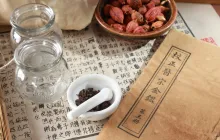
To appreciate cupping’s impact on circulation, it is informative to consider its historical trajectory. Across continents and eras, healers have observed that applying suction to the skin yields changes in tissue tone and warmth that patients perceive as improvements in vitality. The threads of cupping weave through traditional Chinese medicine, Middle Eastern healing systems, and various indigenous medical practices, each contributing its own language for understanding how circulation responds to tactile manipulation and negative pressure. The continuity of cupping through time suggests that many cultures recognized a tangible relationship between the mechanical environment of tissues and their circulatory function. In modern healthcare, cupping has been integrated with evidence-informed practices, combining experiential wisdom with contemporary research methods. This synthesis allows clinicians to discuss circulation-enhancing effects with patients in a way that respects historical roots while acknowledging current scientific perspectives. As cupping becomes more accessible in a variety of clinical settings, its cultural lineage enriches the conversation about how humans have long sought to optimize blood flow, tissue health, and overall well-being through hands-on therapies that engage the body’s natural healing capacities.
Future directions in research and integration into mainstream medicine
Looking ahead, the most productive path for cupping therapy involves rigorous, well-designed studies that clarify which populations benefit most, which anatomical regions respond most robustly, and how cupping can be harmonized with other modalities to amplify circulatory gains. Advances in imaging, such as functional ultrasound or tissue perfusion monitoring, hold promise for quantifying the exact changes in blood flow that follow a cupping session and for tracking how these effects evolve over time. Researchers are also exploring how cupping interacts with biomarkers of vascular health, inflammation, and tissue repair, potentially revealing links between perceptual improvements, objective perfusion metrics, and longer-term outcomes. Clinically, the integration of cupping into standard care pathways hinges on reproducible results, clear safety guidelines, and transparent communication about what patients can expect from treatment. As the medical community continues to scrutinize and refine cupping practices, the therapy may become an increasingly viable adjunct to conventional rehabilitation, sports medicine, and preventive health strategies that prioritize circulatory efficiency and tissue resilience. This evolving landscape invites patients and practitioners to collaborate in a manner that respects both tradition and science while focusing on practical benefits to circulation and function.
In summary, cupping therapy offers a nuanced approach to improving circulation that blends mechanical stimulation with physiological responses coordinated by the body’s vascular and nervous systems. By gently lifting tissue, increasing local perfusion, stimulating microvascular adaptations, and supporting the drainage of metabolic byproducts, cupping can contribute to a more favorable tissue environment. When applied with skill and care, it becomes a complementary option that can enhance recovery, reduce muscle tension, and promote a sense of renewed vitality through improved circulatory dynamics. The ongoing conversation between ancient practice and modern science continues to refine our understanding of how best to harness this age-old technique for contemporary wellness and health optimization, always with patient safety, individualized care, and thoughtful integration at the forefront of practice.