Foundations of posture and alignment
Posture is more than a static pose held for a moment; it is a dynamic expression of how the body carries weight, distributes load, and coordinates movement across multiple joints and planes. At its core posture reflects the balance between the skeleton, the surrounding soft tissues, and the nervous system that orchestrates muscle timing and joint stability. When posture is efficient, the spine maintains its natural curves, the pelvis nests in a position that supports upright alignment, and the shoulders rest softly over the chest rather than collapsing forward. In yoga, this balanced state is approached not as a distant goal but as a continuous practice of awareness, alignment cues, and gentle muscular reconditioning that honors the body’s unique structure. The eye is trained to notice where tension accumulates, where breath flows most effectively, and how small adjustments can transform fatigue into support. By cultivating a mindful posture through sustained attention, a practitioner begins to relearn habitual patterns that have built up over years of sedentary work, repeated micro-movements, and compensations born from injury or imbalance.
The concept of alignment in yoga extends beyond the literal straightness of the spine. It encompasses the relationship between the head, neck, spine, pelvis, knees, and ankles, as well as the subtle positioning of the ribcage, scapulae, and pelvic floor. Alignment also invites the practitioner to recognize asymmetries that often hide behind external appearances. A shoulder slightly higher on one side, a hip that tilts forward, or a neck that compensates for thoracic rigidity can all contribute to long-term discomfort or altered load paths that gradually wear on joints. In this sense alignment is not rigidity but rather a responsive system where the body can adapt to varying contexts while maintaining structural integrity. Yoga invites a dialogue between strength and flexibility, stability and mobility, and the sensation of ease within effort as a pathway toward lasting postural health.
As the practice deepens, the practitioner learns to discern soft tissue constraints from true joint limits, to differentiate muscle memory from purposeful retraining, and to cultivate a stance that permits natural gravity to align the body rather than fighting against it. This foundational work often begins with awareness of foundational alignments such as the lengths of the spine, the openness of the chest, and the alignment of the pelvis over the ankles. From there, the practice broadens into a series of developmental cues that guide the body toward a place where daily activities—walking, standing, sitting—are conducted with greater ease, less compensatory stress, and a sense of sustainable balance. In this sense posture becomes not a fixed ideal but a living process that evolves as the person moves through life.
The science behind yoga and musculoskeletal balance
Yoga engages the body on multiple levels that contribute to musculoskeletal balance. First, there is mechanical alignment, which concerns how the bones and joints articulate under load. By slowing down movement and emphasizing proper tracking of joints, yoga helps to align the feet, ankles, knees, hips, spine, shoulders, and head so that forces travel through the strongest structures rather than creating leverage that strains connective tissues. Second, there is muscular balance, which involves optimizing the length-tension relationships of antigravity muscles, stabilizers, and postural fibers. Chronic sitting or slouched postures can shorten hip flexors and tighten upper back muscles, leading to a forward-leaning tendency. Regular yoga practice gently lengthens and strengthens these circuits, encouraging improved symmetry and more efficient movement patterns. Third, there is neural tuning and proprioception, which refer to the brain’s ability to sense the body’s position in space. Practices that emphasize slow transitions, steady breathing, and precise alignment sharpen sensory feedback, enabling the nervous system to recruit the right muscles at the right times and to release unnecessary co-contractions that sap energy and produce stiffness.
Fascia, the connective tissue that encases muscles and organs, also plays a role in posture and alignment. When fascia adapts to habitual patterns of movement, it can become restrictive, pulling on surrounding structures and limiting range of motion. Yoga’s emphasis on mindful stretching, spiral movements, and gradual depth helps to restore healthy glide and elasticity within fascial networks. The breath acts as a bridge between physiology and psychology, influencing autonomic balance and reducing chronic tension that can anchor poor posture in place. From a scientific standpoint, the combination of mechanical cues, muscular re-education, proprioceptive awareness, and fascial remodeling creates a favorable milieu for improving postural alignment over time. This integrated approach is what gives yoga its reputation as a holistic method for posture rehabilitation rather than a collection of isolated stretches.
Beyond the physical, the practice cultivates an internal environment that supports sustainability. Yoga encourages a mindful relationship with body sensations, teaching practitioners to observe without judgment and to respond with deliberate, constructive actions. The parasympathetic activation that often accompanies slow, diaphragmatic breathing can reduce reflexive muscle guarding, making it easier to release habitual tension that constricts the spine and pelvis. In this sense the science of yoga converges with its philosophy: change emerges not from brute force but from informed, compassionate attention to how the body moves, how it breathes, and how it feels when alignment improves. The result is a more balanced posture that remains adaptable as life demands change, whether one is at a desk, on a hike, or in a crowded transit system.
Breath, core engagement, and stability
Breath is the living center of yoga practice and a key ally in posture and alignment. The pattern of inhalation and exhalation can influence ribcage expansion, abdominal engagement, and diaphragmatic function, all of which play a crucial role in stabilizing the spine and pelvis. A deep, slow, and deliberate breath invites the diaphragm to descend, the lower ribs to widen, and the abdominal wall to brace gently, creating a stable core without restricting circulation or motion. Practicing breath with awareness helps to coordinate movement, making it easier to occur in controlled, lengthened ways that honor natural spinal curves. In many yoga styles, the breath is synchronized with movement to cultivate a cohesive rhythm that reduces compensatory patterns and supports steady posture across different poses and transitions.
Core engagement in yoga does not mean tensing the belly into rigidity; rather, it refers to activating a cohesive transabdominal system that stabilizes the trunk while allowing soft tissue to remain adaptable. The transverse abdominis, the obliques, the multifidus along the spine, and the pelvic floor work together to create a supportive corset that protects the spine during lifting, bending, and twisting. This engagement is not something that happens only in designated core exercises but is woven into every posture with cues that guide the practitioner to "draw in," lengthen from the crown of the head, and broaden through the chest. The synergy of breath and core control empowers the practitioner to maintain alignment in challenging postures, reduces the tendency for the pelvis to tilt excessively, and fosters an upright, balanced carriage whether at rest or in motion.
Stability emerges from the balance between mobility and strength. A flexible spine and hips allow for safe rotation and extension, while strong postural muscles keep the frame stacked and aligned. The practice teaches practitioners to modulate tension so that joints are supported but not stiff, enabling smoother transitions and less fatigue. This educated stability translates into daily life as better posture while sitting at a desk, carrying groceries, or walking on uneven ground. In essence, breath and core engagement form a dynamic system that fuels alignment by providing both the foundation and the subtle cues for maintaining it under varying circumstances.
Key yoga poses that support posture
In the journey toward improved posture, certain foundational poses act as anchors that retrain the body’s default patterns. Tadasana, commonly known as Mountain Pose, offers a template for balanced alignment from the feet upward. In this pose, attention is given to grounding through the toes, lengthening the spine, broadening across the chest, and aligning the ears over the shoulders. The simplicity of Tadasana belies its value as a maximal teacher of posture because it invites ongoing micro-adjustments that refine balance and proprioception. Adho Mukha Svanasana, or Downward-Facing Dog, teaches the practitioner to distribute weight evenly between the hands and feet, to broad the shoulder blades, and to engage the core while maintaining a long spine. This pose serves as a scalable model for distributing load through the limbs and spine while opening the posterior chain, thereby supporting better posture in daily life.
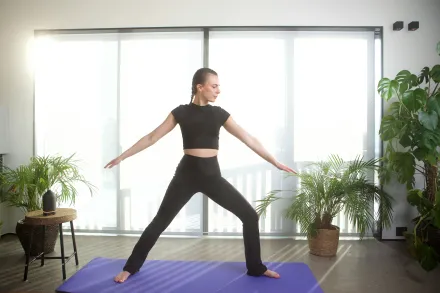
Virabhadrasana II, or Warrior II, is a dynamic stance that cultivates pelvic stability and shoulder alignment when performed with mindful alignment cues. By maintaining a strong foundation through the feet and keeping the torso oriented over the pelvis, practitioners develop a sense of grounded balance that transfers to activities requiring endurance and steady carriage. Balasana, or Child’s Pose, offers a restorative contrast that invites gentle spinal flexion, lengthening of the back, and release through the hips and neck. It is a cueing practice that teaches the body to yield safely when tension arises, contributing to a more resilient posture over time. Marjaryasana-Bitilasana, the Cat-Cow sequence, fosters mobility through the spine while emphasizing accessibility and breath-synchronized movement, encouraging healthy dynamics between the flexors and extensors of the back. Together these poses create a ladder of stability and movement that, when practiced consistently, rewires habitual patterns toward more efficient alignment.
Other important postural cues emerge through poses such as Setu Bandhasana (Bridge) and Uttita Trikonasana (Extended Triangle). Bridge helps the practitioner explore posterior chain engagement and spinal extension while maintaining pelvic control, a combination that supports the lumbar curve. Extended Triangle trains lateral flexion and improved thoracic mobility, reinforcing the alignment of the ribcage and scapulae as well as the alignment of the hips and knees. By gradually building a sequence that includes these and other postural-focused poses, practitioners develop an internal map of how alignment feels across different contexts, enabling more reliable replication of correct form in everyday movements.
In practice, the most effective approach is not to imitate a perfect pose but to cultivate an accessible version that honors current capacity while inviting incremental improvement. A skilled teacher can offer modifications and props to maintain alignment without compromising safety, ensuring that the spine remains lengthened, the chest open, and the shoulders square. The emphasis is on sustainable reps rather than heroic depth, creating a pathway for long term change that respects the body’s signals and limits. Over time, the consistent integration of these poses builds a reservoir of alignment patterns that extend into activities such as standing at a desk, walking, or lifting objects, allowing posture to become a natural and enduring aspect of daily life.
Breath work and alignment cues in practice
Breath cues are routinely integrated into yoga practice to reinforce alignment. The sense of breath awareness is a practical map for coordinating movement with stabilization. Practitioners are often guided to breathe through the nose, to engage the diaphragmatic region, and to notice how ribcage expansion interacts with spinal length. When a breath is synchronized with the movement where appropriate, the body experiences a rhythm that supports even load distribution and reduces the tendency to overcompensate with the neck or shoulders. The breath helps maintain a steady tempo that reduces the likelihood of collapsing into shallow, reactive postures and promotes a posture that is buoyant rather than rigid.
Alignment cues are most effective when they are simple, specific, and integrated into the sensation of the pose. For example, cues that encourage the crown of the head to reach upward while the tailbone lengthens toward the mat promote elongation along the spine. Instructions to press evenly through both feet or to broaden across the chest while keeping the chin level can prevent common compensations. As the body becomes more familiar with these cues, it gains an internal reference system that supports correct alignment outside of the studio, during everyday occupations or in response to external perturbations such as carrying a bag or navigating stairs. The synergy of breath and precise alignment cues creates a reliable framework that bolsters postural awareness and supports longer-term improvements in posture and movement efficiency.
In deeper practice, breath and alignment merge with mindful attention to where the body feels tense or at rest. The momentary pause between breath cycles can function as a diagnostic tool, signaling where the body may be tensing and where it can soften. This attentional clarity reduces friction in the joints and fosters a more organized joint stack. The result is a posture that remains resilient across activities and conditions, so that the body’s upright bearing is less a conscious effort and more an integrated expression of balanced alignment and relaxed strength.
Daily practice guidelines and consistency
Consistency is the cornerstone of improving posture through yoga. A daily practice, even when brief, supports gradual re-education of the body and nervous system without overwhelming sensation or fatigue. A practical approach is to allocate a short, focused window each day to move through a sequence that emphasizes alignment, breath, and gentle opening. The goal is not to chase intensity but to cultivate reliable patterns that make the body feel lighter and more poised over time. A consistent pattern of practice helps to leastwise reset maladaptive carryovers that accumulate during periods of inactivity or prolonged sitting, enabling a more resilient posture to emerge as a natural default rather than a deliberate effort.
Session length can vary based on experience, but a practical framework includes a brief centering sequence of breath awareness, a short standing section focusing on alignment cues, a few floor-based postures to release tightness in the hips and spine, and a concluding gentle stretch or restorative pose to integrate the work. The use of props such as blocks or blankets can facilitate correct alignment and bring awareness to alignment cues without forcing the body into strain. A gradual progression is essential; increasing hold times, depth, or range of motion should be paced to the practitioner’s comfort and capacity. By honoring the body’s feedback and avoiding aggressive trying to push beyond comfortable limits, the posture improves in a sustainable fashion that can be maintained over months and years.
In addition to formal practice, alignment-based principles can be applied to everyday routines. Standing in line, cooking, and commuting become opportunities to notice alignment cues, distribute weight evenly, and engage the deep stabilizers. Sitting ergonomically at a desk becomes a practice of maintaining length in the spine, grounding through the feet, and encouraging a broad chest with a relaxed jaw. These micro-practices accumulate to create a posture that feels effortless in daily life, reducing fatigue and the likelihood of strain in the shoulders, neck, and lower back. A holistic approach that blends formal practice with mindful daily application yields the most robust and enduring improvements in posture and alignment.
Common mistakes and how to fix them
One common error is overemphasis on external shape at the expense of internal alignment. It is easy to chase a straight back without appreciating the natural spinal curves and the need for even weight distribution across the feet. To fix this, focus on the foundations: balance the weight between the inner and outer edges of the feet, lengthen the spine from the crown, and maintain a gentle engagement of the core while allowing the chest to remain open. Another frequent problem is the tendency to shrug the shoulders or tilt the head forward. Address this by broadening through the upper back, drawing the shoulder blades toward the spine, and aligning the ears over the center of the shoulders to prevent tension buildup in the neck and upper trapezius.
A third misstep is performing poses with excessive depth before the body has developed sufficient mobility and strength. This can create compensations through the hips, lower back, or knees. The remedy is to honor gradual progression, use props, and maintain cues for safe alignment until the joints and fascia adapt. A fourth issue is improper breath control, either by shallow breathing or breath-holding, which can create unnecessary tension and disrupt stabilizing mechanisms. The fix is to cultivate a smooth, continuous breath that supports the core and chest while keeping the jaw and neck relaxed. By revisiting these themes—alignment accuracy, prudent progression, breath integration, and tissue readiness—practitioners can transform common stumbling blocks into concrete steps toward improved posture.
Finally, neglecting the mind-body connection can turn yoga into a purely mechanical routine. The wisdom of yoga lies in noticing the felt sense of alignment rather than chasing an external standard. Fostering curiosity about how the body responds to each cue allows a deeper, more individualized practice. When practice remains compassionate and attentive, mistakes become teachers rather than obstacles, guiding refinements that nurture a more efficient, sustainable posture over time.
Modifications and adapting for different bodies
Posture enhancement through yoga is not a one-size-fits-all endeavor. An inclusive approach recognizes variability in limb length, joint mobility, prior injuries, and overall conditioning. Modifications and prop usage enable safe exploration of alignment principles without compromising stability. For instance, a person with tight hamstrings may benefit from a slightly bent knee in forward folds while still maintaining spinal length and chest openness. Restorative options, such as supported poses with blankets or blocks, can offer profound relief and facilitate the experience of improved alignment without overstraining the system. A mindful teacher can tailor cues to emphasize the same alignment objectives while respecting individual anatomy and comfort levels.
In the context of injury, yoga’s postural work can be adapted to protect healing tissues. The emphasis remains on maintaining length in the spine, stabilizing the core, and avoiding movements that aggravate sore areas. By choosing accessible variants and pacing the progression according to pain signals and functional capacity, practitioners can continue improving posture while supporting recovery. This adaptability is a core strength of yoga as a modality for postural health, offering a personalized pathway that honors both body and mind. It is essential that anyone dealing with persistent pain or a history of significant injury consults with a qualified instructor or healthcare professional before undertaking new movement patterns, ensuring alignment practices are safe and effective for their unique situation.
As the body evolves, adjustments to the practice may be necessary to reflect changing needs. What remains constant is the intention to cultivate awareness of alignment, to engage the core wisely, and to sustain open, free breath. With thoughtful modifications, yoga remains accessible to a wide range of ages and body types while continuing to support improved posture and long-term structural balance.
Progression, measurement, and long-term benefits
Progress in posture and alignment through yoga is a gradual process guided by consistent practice and mindful awareness. Rather than relying on a single dramatic change, the practitioner notices incremental improvements: greater spinal length, more balanced shoulder girdles, reduced neck strain, and an increased capacity to maintain upright carriage during daily tasks. A practical approach to tracking progress involves periodic gentle assessments in which the practitioner notes ease in transitions, reduction in habitual tension, and improved alignment markers in a few standard poses. These qualitative cues offer a sense of trajectory and motivation for ongoing practice.
Quantitative measurements, when appropriate, can include range of motion observations, postural charts, or simple functional checks such as sustained mountain pose with even weight distribution or a controlled breath in a standing forward fold. The key is not to chase a fixed target but to cultivate a progressively refined awareness of alignment and to notice how daily activities become less taxing as posture improves. The long-term benefits extend beyond the studio and into everyday life, with improvements in balance, endurance, stability, and overall movement economy. People frequently report less back pain, better neck and shoulder comfort, and a greater sense of vitality as the body learns to maintain posture with less strain across a wider range of activities and postures.
Over time, yoga fosters a posture that supports healthy aging by preserving mobility and reducing joint wear caused by poor alignment. The practice also nourishes the mind, with a calmer nervous system and increased body awareness that translate into less reactive movement and more deliberate, intelligent choices about how to stand, sit, and move. This holistic transformation arises from the integration of posture-focused alignment work, breath regulation, mindful movement, and compassionate self-observation, creating a durable foundation for healthy posture that can adapt and endure through life’s changing demands.
Integrating yoga into a modern daily life
In today’s fast-paced world, posture concerns often arise from long hours spent seated, screens that encourage forward head posture, and limited opportunities for movement. Yoga offers a practical framework for counteracting these trends by providing a portable, scalable approach to alignment. Practitioners can weave short practices into daily routines, using reminders such as a brief standing sequence during breaks, a mindful breathing exercise before sleep, or a few restorative stretches in the morning. By making alignment practices visible, tangible, and easily accessible, people can cultivate lasting habits that improve posture without requiring a radical overhaul of daily life.
Part of this integration involves designing micro-habits that reinforce structural alignment. Standing tall with the spine lengthened and shoulders relaxed becomes a default stance that reduces fatigue and discourages slouching. Sitting with the pelvis balanced, the feet grounded, and the chest open becomes a more comfortable arrangement that alleviates the neck and back strain commonly experienced at a desk. When the practice is framed as a practical system rather than an isolated exercise, it resonates more deeply with people who seek sustainable changes in posture and movement. The result is a more resilient, adaptable body that can meet the demands of modern life with greater ease and less risk of injury.
In addition to formal sessions, the practice of mindful breathing, gentle stretching, and postural checks can become habitual. The aim is to cultivate an ongoing relationship with the body that supports alignment rather than undermines it. As weight-bearing activities, daily movements, and even leisure pursuits are approached with a posture-centric mindset, the benefits become self-reinforcing. The body begins to settle into a more natural alignment, and the mind follows, with improved focus, reduced tension, and a sense of steadiness that informs all aspects of daily living. The holistic influence of yoga on posture thus extends beyond physical changes to influence mood, energy, and overall well-being in meaningful and lasting ways.
Mind-body connection and proprioception
One of the most powerful aspects of yoga for posture is the cultivation of a nuanced mind-body connection. Proprioception—the sense of where the body is in space—improves through slow, deliberate movements and internal feedback. As a practitioner learns to sense micro-adjustments in the spine, pelvis, and limbs, the brain updates its internal map of the body, leading to more accurate and efficient movement. This heightened proprioceptive awareness translates to better balance, more precise postural control, and a greater capacity to compensate gracefully when life presents asymmetrical loads or uneven surfaces.
The mind-body connection extends to the emotional and cognitive realms as well. When attention is directed toward posture, anxiety and tension can recede because the breath lengthens, heart rate stabilizes, and muscles release their habitual guarding. The practice encourages a compassionate stance toward the body, acknowledging limitations while celebrating incremental progress. In this way posture becomes a reflection of a calm, alert, and integrated nervous system rather than a rigid mechanical ideal. The result is a resilient posture born from inner steadiness as much as outer alignment.
Proprioception also improves through the sequencing of movements that emphasize control, symmetry, and fluid transitions. The body learns to anticipate the next motion, prepare the stabilizers in advance, and synchronize breath with action. This anticipatory coordination reduces the risk of sudden injuries and promotes smoother, safer movement across activities. The broader effect is a more confident and capable posture that can adapt to complex tasks, varied terrains, and aging with grace and ease.
Case studies and anecdotal reflections
Across diverse bodies and life circumstances, many individuals report noticeable improvements in posture after a coherent period of practice. A desk worker may observe a reduction in neck and shoulder tension and a more upright stance during long hours at the computer. A runner might experience improved pelvic stability, allowing more efficient stride mechanics and reduced fatigue in the hips and lower back. A senior practitioner may find greater ease in tight spaces and improved balance, contributing to a sense of independence and reduced fear of falling. These narratives are not uniform in detail or pace, but they share a common thread: sustained attention to alignment, breath, and mindful movement yields tangible, meaningful changes in how the body carries itself daily.
Personal stories illuminate the path toward better posture by highlighting both the challenges and triumphs that accompany long-term practice. Some individuals notice that flexibility improves gradually while strength becomes more pronounced, enabling a posture that is both open and stable. Others observe a quieter spine, less pelvic tilt, and a more integrated shoulder line, all of which contribute to a posture that feels effortless rather than strained. While each journey is unique, the underlying mechanism is consistent: regular, mindful practice fosters neuromuscular patterns that support sustainable alignment and healthier movement across life contexts.
By embracing these case-based reflections, learners gain a sense of possibility and a framework for evaluating their own progress. The goal is not to emulate a perfect pose but to develop a reliable, adaptable posture that can withstand the demands of modern living. Through patient repetition, mindful breathing, and careful attention to alignment, yoga becomes not only a toolkit for posture improvement but also a catalyst for a deeper sense of embodied well-being that permeates every facet of daily life.
Closing thoughts: a posture-aware lifestyle
Yoga presents a compelling path to improve posture and alignment by weaving together mechanical cues, muscular balance, breathing, proprioception, and a compassionate approach to the body. The practice invites practitioners to explore the delicate balance between length, stability, and mobility, and to recognize that posture is an ongoing process rather than a fixed destination. With consistent application, the body learns to carry itself with greater ease, reducing strain and enhancing function across activities and stages of life. The journey toward better posture through yoga is not a sprint but a patient, evolving relationship with movement that rewards curiosity, gentleness, and commitment. In embracing this path, individuals cultivate not only a healthier spine but also a more vibrant, connected sense of self that can translate into improved confidence, clarity, and vitality in everyday existence.