Understanding cortisol and stress physiology
The human body maintains a delicate balance between alertness and calm through a network of glands and nerves that regulate how we respond to danger, effort, and everyday demands. At the center of this system is cortisol, a steroid hormone released by the adrenal glands in response to signals from the brain. When a perceived threat arises, the hypothalamus releases corticotropin releasing hormone, which triggers the pituitary to secrete adrenocorticotropic hormone, setting in motion the cascade that ultimately raises cortisol in the bloodstream. Cortisol mobilizes energy by increasing glucose availability, supports cardiovascular function, and helps the brain stay focused during challenging moments. This is not inherently harmful; in fact, acute cortisol surges can be lifesaving during short-lived stress. However, when stress becomes chronic, cortisol can stay elevated for extended periods, contributing to a range of physiological changes that wear on the body. Chronic high cortisol is associated with impaired immune response, sleep disruption, weight fluctuations, elevated blood pressure, and mood disturbances. Understanding this baseline helps illuminate why interventions that modulate cortisol are considered valuable for health and well-being.
How meditation affects the body's stress response
Meditation offers a practice that gently reshapes how the brain responds to stress, creating a more regulated nervous system over time. Regular practice tends to diminish the amygdala’s reactivity, a region known for processing fear and threat signals, while enhancing the activity of prefrontal circuits involved in attention, emotion regulation, and cognitive control. This shift helps the brain interpret stressful cues as less immediate or demanding, dampening the downstream activation of the hypothalamic-pituitary-adrenal axis that leads to cortisol release. Beyond neural changes, meditation influences autonomic balance by increasing parasympathetic activity and improving heart rate variability, markers that reflect a calmer physiological state. In practical terms, meditators often experience a quicker return to a resting state after a stressful event, a phenomenon associated with lower overall cortisol exposure when measured over time. While individual results vary, the collective evidence points toward a consistent pattern: as mindfulness and related practices become more integrated into daily life, the body's stress system shows greater resilience and adaptability.
The biology behind cortisol reduction during meditation
At a biological level, meditation interfaces with the body’s stress circuitry by calming brain networks that interpret stimuli as threatening while bolstering circuits that regulate attention and interoception. By reducing the sustained firing of sympathetic nerves and dampening the release of adrenaline, meditation lowers the immediate surge of cortisol that accompanies a perceived threat. Simultaneously, a more robust activity in the vagal system supports controlled breathing, slower heart rates, and a state of physiological calm. The resulting hormonal milieu tends to favor a balanced diurnal rhythm, allowing cortisol to rise and fall in a way that aligns with daily cycles rather than remaining perpetually elevated. Over weeks and months of practice, these physiological adjustments can become more enduring, shifting baseline cortisol levels and reducing the peak responses to common daily stressors. The interplay between brain networks, autonomic tone, and the endocrine system forms a coherent narrative: meditation reduces the intensity of stress signals, promotes a calmer body state, and thereby lowers cortisol output over time.
Different meditation practices and their impact on cortisol
Numerous meditation modalities converge on a common goal: altering attention, awareness, and emotional appraisal in ways that lessen stress reactivity. Mindfulness meditation invites nonjudgmental observation of thoughts and sensations, which can weaken automatic responses to stressors and compress cortisol spikes. Breath-focused practices emphasize slow, controlled breathing that lengthens exhalations and stimulates the parasympathetic system, providing an immediate sense of relief and a framework for longer-term hormonal regulation. Loving-kindness and compassion-based practices cultivate positive affect and reduce social threat perception, potentially lowering cortisol in contexts tied to social stress. Transcendental meditation or mantra-based approaches offer yet another route by guiding attention to a steady mental focus, which can produce consistent reductions in stress markers. While the exact magnitude of cortisol reduction may vary among individuals and study designs, the overarching message remains clear: different forms of meditation can produce meaningful hormonal changes by modulating brain networks, autonomic balance, and subjective experience of stress.
The role of breathing and autonomic balance
Breath acts as a bridge between mind and body, and many meditation practices intentionally cultivate breathing patterns that favor autonomic calm. Slow inhalation through the nose, followed by a longer exhalation, tends to increase vagal tone, a marker of the parasympathetic branch of the nervous system. This shift reduces sympathetic arousal and physiologically supports calmer cortisol dynamics. Deep, diaphragmatic breathing enhances gas exchange, lowers respiratory rate, and fosters a sense of groundedness. As breathing becomes more efficient, the brain receives clearer sensory input about the current environment rather than a flood of threat signals, further reducing the likelihood of unnecessary cortisol release. Over time, these breathing-driven changes contribute to a more stable hormonal profile, with smaller cortisol excursions in response to typical stressors and a smoother circadian rhythm that aligns cortisol peaks with daytime activity instead of disproportionately elevated nighttime levels.
The psychology of attention, perception, and cortisol regulation
At the heart of meditation is a trained relationship with attention. By repeatedly guiding focus back to a chosen anchor—whether it is the breath, a repeated phrase, or bodily sensations—practitioners strengthen cognitive control networks and reduce rumination. Persistent rumination is a known amplifier of stress, capable of maintaining a high baseline of cortisol through chronic worry. When attention is steadier, the brain devotes fewer resources to imagined threats and more to accurate appraisal of real circumstances. This cognitive shift reduces the perceived intensity of stressors, thereby dampening the hypothalamic signal cascade that culminates in cortisol release. The psychological changes accompany physiological ones, creating a loop in which improved mental clarity and emotional balance reinforce hormonal regulation, fostering a calmer, more resilient response to daily challenges.
Integration into daily life and real-world relevance
One of meditation’s strengths is its scalability from formal siting to incidental practice embedded in daily routines. Small, repeated moments of mindful awareness during routine activities—walking, washing dishes, commuting—can accumulate into measurable hormonal benefits. A steady habit supports consistent learning: the mind becomes less reactive, the body learns to downshift more quickly after a tense moment, and cortisol is less likely to surge in everyday contexts such as deadlines, conflicts, or unfamiliar environments. The cumulative effect of these micro-practices builds a resilient baseline that resists the wear and tear of chronic stress. The practical implication is that meditation need not be a grand ritual for hours each day; even modest, regular engagement can steer hormonal regulation in a healthier direction and contribute to a longer arc of well-being.
How to cultivate cortisol-lowering meditation in daily life
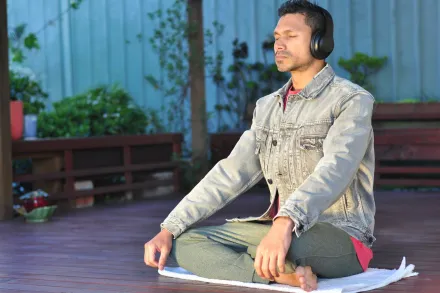
For those new to meditation, starting with a simple, sustainable routine is often more important than pursuing ambitious goals. A gentle approach might involve dedicating a short window of time each day, perhaps five minutes, in a quiet space where distractions are minimized. Sitting upright with a relaxed posture, individuals can bring attention to the breath, counting or simply observing sensations as they arise without judging them. The aim is to observe thoughts and feelings without becoming entangled in them, letting attention return to the breath when it wanders. Over days and weeks, it is common to notice subtle shifts: a slower heart rate, lighter shoulders, a greater sense of spaciousness between events, and a calmer mood. With continued practice, these subjective changes often align with objective signs such as more stable sleep, improved daytime alertness, and lower cortisol responsiveness during stress-laden tasks. The key is consistency and a compassionate, nonjudgmental stance toward oneself as practice unfolds.
Measuring progress: what cortisol tells us and what it doesn’t
In scientific and clinical contexts, cortisol serves as one of several biomarkers that help quantify the body’s response to stress and the impact of meditation. After a period of regular practice, some studies report lower resting cortisol levels or a reduced cortisol response to experimentally induced stress. Yet cortisol is influenced by many factors beyond meditation, including sleep quality, caffeine intake, illness, and even the time of day. Therefore, interpreting changes requires a broader lens that considers subjective well-being, sleep patterns, heart rate variability, immune markers, and mood measures. The takeaway is not that cortisol alone determines health, but that a constellation of physiological signals tends to shift in a direction consistent with increased autonomic balance and stress resilience when meditation becomes a maintained habit.
The broader health implications of lower cortisol exposure
Chronic exposure to elevated cortisol is linked with a range of health concerns, whereas regulated cortisol dynamics support equilibrium across organ systems. When cortisol remains high over long periods, tissues may become resistant to its signals, metabolic systems can wobble, immune function can become dysregulated, and sleep architecture may suffer. Through consistent meditation practice, the body often experiences improved sleep quality, more stable appetite and energy levels, and better mood regulation. These improvements complement physical health outcomes such as healthier blood pressure responses, better glucose regulation, and enhanced recovery after exertion. In this sense, the benefits of meditation extend beyond momentary calm to meaningful shifts in long-term physiological functioning that are aligned with a more balanced endocrine rhythm.
The scientific landscape and ongoing research
Researchers continue to explore the precise mechanisms by which meditation influences cortisol and related stress markers. Differences in study design, population, duration of practice, and the type of meditation employed contribute to a spectrum of findings. Meta-analyses suggest a general trend toward lower perceived stress and modest reductions in cortisol with sustained practice, but the magnitude of effects varies. The diurnal timing of cortisol collection, control conditions, and participant expectations all impact results. Nevertheless, a converging theme emerges: meditation offers a nonpharmacological avenue to modulate the stress response, with cortisol reductions often accompanying improvements in mood, sleep, and cardiovascular markers. As technology advances and longitudinal cohorts expand, the picture of how meditation reshapes the endocrine system and brain networks will become clearer, enabling more precise guidance for individuals seeking hormonal balance through practice.
Practical guidance for beginners
Begin with a gentle, patient approach that honors personal rhythm and preferences. Choose a quiet space, wear comfortable clothing, and set a realistic goal that fits your schedule, such as a daily five-minute session that gradually extends over weeks. Start by bringing attention to the breath without forcing any particular pattern; observe inhalations and exhalations with curiosity, letting thoughts drift and be released as you gently return to the breath. If you prefer a guided format, enlist audio cues or apps that support beginner-friendly instruction, but avoid rigid or punitive expectations. If you notice stress or frustration increasing, pause and resume later, recognizing that consistency matters more than intensity. Over time, introduce brief moments of mindfulness into ordinary activities, maintaining a nonjudgmental stance when distractions arise. The aim is to cultivate a steady relationship with stress, so cortisol responses can become less volatile as the nervous system learns to remain calm under pressure.
The social and emotional dimensions of cortisol reduction
Meditation often enhances social connectedness and compassionate attitudes, factors linked to more adaptive stress processing. Lower cortisol in social contexts can reflect improved appraisal of interpersonal cues, reduced perception of social threat, and a greater willingness to engage with others even in challenging situations. These changes can ripple into daily life, influencing how individuals respond to colleagues, friends, and family, and how they cope with turbulence in workplace or home environments. The social dimension of meditation, therefore, complements its physiological effects, creating an integrated pattern of resilience that supports mental health and well-being across multiple domains of life.
The link between sleep, cortisol, and restorative health
Sleep quality deeply influences cortisol dynamics. Poor or fragmented sleep can elevate nighttime cortisol and disturb the natural morning peak, undermining daytime energy and mood. Meditation can promote longer, more restorative sleep by quieting racing thoughts and reducing muscle tension. With improved sleep, the body experiences better metabolic regulation, enhanced daytime focus, and a more stable hormonal rhythm. In this way, meditation and rest are synergistic partners in managing cortisol: the practice supports sleep, and better sleep, in turn, enhances the body’s ability to regulate stress hormones, creating a virtuous cycle that reinforces health over time.
The practical science of rhythm, resonance, and cortisol
From a practical standpoint, the body responds to rhythm and resonance in ways that align with meditative practice. Techniques that entrain the breath and heart rate create a physiological tempo that the nervous system recognizes as safe and predictable. When the body rests into this rhythm, cortisol release diminishes in response to routine stressors, enabling a calmer baseline. This is not a mysterious phenomenon but a nested process involving neural networks, endocrine signaling, and autonomic balancing. The recurring pattern—calm breath, steady attention, reduced reactivity—maps onto measurable changes in cortisol dynamics, sleep quality, mood regulation, and cardiovascular function. Understanding this rhythm helps practitioners appreciate why even short, regular sessions can accumulate into meaningful health benefits over time.
The future of meditation and cortisol research
As science advances, researchers are refining methods to capture the subtleties of how meditative practice shapes cortisol physiology. Innovations in wearable technologies, such as continuous heart rate tracking and circadian sampling of cortisol, offer richer data about how practice alters daily hormonal patterns. Longitudinal studies that track diverse populations, including frontline workers, caregivers, and individuals with anxiety or depression, will illuminate how personalized meditation approaches can optimize cortisol regulation for different life contexts. The trajectory is toward a more nuanced understanding of how frequency, duration, and type of meditation interact with lifestyle factors to yield sustainable hormonal balance and improved well-being across the lifespan.
Closing reflections on daily practice and lasting change
In the end, meditation can be viewed as a training ground for the nervous system, a way to rehearse calm responses in the face of inevitable stress. By repeatedly guiding attention, regulating breath, and cultivating a compassionate stance toward one’s experience, the body learns new patterns of interpretation and reaction. The result is not a single dramatic event but a gradual rebalancing of internal processes, including the endocrine system that governs cortisol. With patience and consistency, individuals may notice that stress feels less overwhelming, sleep becomes more restorative, mood stabilizes, and everyday challenges are navigated with a steadier, more resilient sense of self. Across time, this cumulative change translates into healthier cortisol regulation and a more vibrant sense of well-being.