Foundations of herbal medicine and its modern relevance
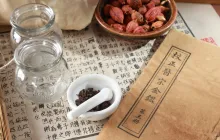
Herbal remedies have long stood as a bridge between nature and health, offering a pathway to support the body’s own resilience through plant derived substances. The core idea rests on the recognition that many plants produce a spectrum of bioactive compounds that can interact with human physiology in nuanced ways. These interactions can modulate inflammation, support immune function, soothe irritation, and aid restorative processes without the harshness sometimes associated with synthetic medicines. In contemporary practice, herbal remedies are commonly approached with respect for traditional wisdom while also inviting modern scrutiny, quality control, and evidence where it exists. An effective approach emphasizes proper identification of plants, appropriate preparation methods, mindful dosing, and awareness of potential interactions with other therapies. The result is a balanced, patient centered framework where nature’s pharmacy complements other strategies rather than supplanting medical oversight. Throughout this lens, herbs become tools for gentle support rather than magical cures, enabling individuals to participate actively in their own wellbeing and to cultivate habits that may reduce the burden of everyday ailments.
Historical breadth and cultural wisdom
Across continents and centuries, communities have learned from the land how to harness the healing potential of herbs that grow nearby. In the traditions of Ayurveda, herbs are seen as carriers of vitality, guiding doshic balance and supporting digestion, immunity, and emotional balance through careful combinations and timing. In Traditional Chinese Medicine, the emphasis on harmony among herbs, warmth or coolness, and the meridian pathways reflects a sophisticated attempt to restore equilibrium rather than merely to suppress symptoms. European herbal practice has drawn on centuries of field knowledge, translating garden cures into universal remedies that emphasize gentle preparation, tinctures, infusions, and salves. Indigenous knowledge often presents a closely observed relationship with local flora, where plants are respected not only for their healing properties but also for their roles in ecosystems and cultural ceremonies. This rich tapestry demonstrates that herbal medicine is not a single tradition but a dynamic conversation among peoples and places, continually evolving to address changing health needs while honoring the land’s generosity.
Understanding how herbs interact with the body
Herbs influence the body through a range of mechanisms that reflect the complexity of botanical chemistry. Some herbs contain anti inflammatory compounds that help calm tissue irritation, while others promote mucosal comfort or support the immune system without overstimulation. Many plants exert their effects through synergistic blends of constituents such as flavonoids, terpenes, essential oils, tannins, and alkaloids, which can interact with receptors, enzymes, and signaling pathways in subtle ways. In practice, this means that the same herb may provide multiple modest benefits rather than a single dramatic effect. It also highlights the importance of dose, preparation, and context, since a remedy that suits a mild digestive upset may not be appropriate for a feverish condition or for someone with liver sensitivity. A prudent approach integrates careful patient assessment, awareness of existing medications, and a willingness to adjust or discontinue use if symptoms persist or worsen, ensuring safety alongside potential benefit.
Common herbs and their traditional uses and properties
Ginger is widely revered for its warming qualities and its potential to ease nausea and support digestive comfort. Its spicy warmth can help with stomach upset, motion sickness, and minor cramps, while its active constituents may contribute to a gentle anti inflammatory effect that benefits the gut lining. Turmeric, with its bright golden hue, contains curcumin, a compound associated with anti inflammatory and antioxidant actions that have inspired extensive study and traditional use in inflammatory conditions. Garlic, a culinary staple with a long history of immune support, has sulfur containing compounds that may assist in modulating inflammation and microbial balance when used in moderation and as part of a varied diet. Chamomile offers gentle soothing properties that can relax tense muscles and promote restful sleep, while peppermint provides a cooling, refreshing response in cases of digestive discomfort and mild tension headaches when used with care around sensitive areas of the digestive tract. Echinacea has a storied role in supporting the immune system during the early stages of colds, though care is advised for prolonged use or in individuals with certain autoimmune considerations. Elderberry is commonly cherished for its potential to ease cold and flu symptoms through its rich profile of bioactive constituents that may help regulate inflammatory responses and bolster immune defense. Licorice root has a sweetness that belies a potent influence on throat comfort and mucus consistency, yet its use requires attention to potential interactions with blood pressure or electrolyte balance when consumed in larger amounts or for extended periods. St. John’s Wort is frequently discussed for mood regulation, yet it stands out for its strong interaction potential with many medications, underscoring the need for professional guidance before combining it with prescribed therapies. Aloe vera, particularly in topical preparations, supports skin hydration and healing, while internally its use is more nuanced and typically reserved for specific digestive concerns under guidance. Each herb carries a unique profile, and careful selection based on individual symptoms, constitution, and safety considerations remains central to responsible practice. In this light, the art of herbal medicine emerges as a careful collaboration between plant chemistry and human physiology, rather than a simplistic catalog of cures.
Herbs for respiratory support and seasonal discomfort
Thyme and sage have long served as fragrant allies during respiratory challenges, offering both aroma and bioactive constituents that may ease coughing and throat irritation when used appropriately. Thyme, in particular, contains compounds that can exhibit expectorant and antimicrobial actions, which can be helpful during mild upper respiratory irritation. Sage offers soothing properties for throat discomfort and a sense of relief when hoarseness or irritation is present. Echinacea and elderberry, when used in a measured manner during the early stages of a cold, may support immune readiness and help the body respond to viral challenges, while ginger can provide warmth and general comfort that some find restorative during cooler seasons. It is important to recognize that herbal supports are most effective when integrated with rest, hydration, and proper medical attention when warning signs such as high fever, persistent symptoms, or shortness of breath arise, ensuring that the approach remains balanced and safe for each person’s unique health landscape.
Herbs that support digestive health and gut comfort
Ginger again appears as a standout for calming nausea and supporting gastric motility in mild cases, and peppermint can provide a mentholated sense of relief for abdominal cramps and indigestion in individuals who tolerate it well. Fennel and caraway seeds are often used in infusion form to ease bloating and discomfort after meals, reflecting a traditional recognition of postprandial balance. Chamomile, beyond its calming reputation, can gently soothe the digestive tract and support sleep after a heavy meal or stressful day, while licorice root, when used sparingly and under supervision, may soothe throat and stomach linings in certain conditions. Demanding consideration is given to individual sensitivity and long term exposure; in some people, licorice can raise blood pressure or interact with medications, so safe practice emphasizes moderation and professional guidance when needed. Overall, a thoughtful approach to digestive herbs includes attention to flavor, ritual of preparation, and the body’s responses rather than a one size fits all prescription.
Herbs for skin health, wounds, and inflammation
For the skin, herbal remedies often work through soothing, moisturizing, and cell supporting actions. Chamomile and calendula, when applied as infusions, tinctures, or salves, have historical roles in calming irritated skin, reducing redness, and supporting epithelial healing. Aloe vera gel offers hydration and a cooling effect that can soothe sunburns or minor irritations, while plant oils such as evening primrose or rosehip seed oil contribute fatty acids and antioxidants that may support barrier function and repair. Internal herbs may also subtly influence skin health by modulating inflammation in the body when used consistently as part of a broader lifestyle approach. It remains essential to test any topical preparation on a small area to guard against allergic reactions and to seek professional advice for persistent lesions or open wounds that fail to improve with standard care.
Herbs for sleep, calm, and nervous system balance
A balanced nervous system benefits from herbs that promote relaxation and reduce hyperarousal, especially in the context of daily stress. Chamomile and passionflower, though historically used in various forms, are valued for their gentle sedative effects in some individuals when consumed in the evening. Lavender, while often introduced through aroma rather than ingestion, reflects a broad spectrum of calming associations, and the use of milder compounds such as valerian in measured amounts has a long history in the realm of sleep support. It is crucial to consider interactions with other medications, as some sedative herbs can amplify effects when combined with substances that depress the central nervous system. When used in a mindful routine that includes consistent sleep patterns, reduced caffeine late in the day, and mindful breathing practices, herbs can contribute to a conducive environment for rest without becoming a substitute for medical evaluation when sleep disturbances are chronic or severe.
Safety, quality, and responsible use
Quality and safety are foundational in herbal practice. The plant material selected should be properly identified, sourced from reputable suppliers, and processed in ways that preserve active constituents while minimizing contaminants. Different preparations, including teas, tinctures, powders, and topical applications, carry distinct dosing patterns and safety considerations. Adulteration and mislabeling can pose risks, especially for individuals with allergies, pregnant or nursing people, and those with chronic illnesses who work with multiple medications. The potential for herb drug interactions is a critical area of focus; for instance, certain plants can influence liver enzymes that metabolize a wide range of pharmaceuticals, thereby altering their effectiveness or side effect profiles. As a result, those who are pregnant, nursing, or taking prescription medications should consult healthcare professionals before initiating herbal regimens. A cautious approach that prioritizes transparent product labeling, standardized preparations, and clinical awareness helps ensure that herbs contribute to health in a safe and reliable manner.
Preparation methods and proper storage
Preparing herbs in ways that preserve their delicate compounds requires thoughtful technique. Infusions, or tea preparations, are suitable for many leaf and flower parts, offering gentle extraction of water soluble constituents. Decoctions, a longer simmer method, are commonly applied to tougher plant parts such as bark or roots, where heat helps release durable compounds. Tinctures, made in alcohol or glycerin, provide concentrated doses that can be customized to individual needs, but their strength requires careful measurement and consideration of alcohol suitability. Salves and ointments rely on fats or waxes to deliver therapeutic actions to the skin, while poultices use soft plant material directly applied to irritated areas. Storage conditions impact potency: keeping preparations away from light, heat, and moisture helps preserve aroma and activity, while fresh plant materials require prompt use to maintain their benefits. In all cases, family friendly practices include labeling, proper hygiene during preparation, and clear knowledge of expiry dates to prevent accidental misuse.
Interactions with medications and when to seek professional care
The dynamic between herbal remedies and conventional medicines can be complex. Some herbs potentiate the effects of medications, others diminish them, and some may trigger adverse reactions in sensitive individuals. St. John’s Wort, for instance, is well known for its potential to interact with numerous medications by altering their metabolism, which can reduce effectiveness or raise the risk of adverse effects. Garlic, ginseng, and ginkgo also carry interaction possibilities, particularly for those who use anticoagulants or antiplatelet agents. Because herbal products are not always tightly regulated in all regions, dosage accuracy and batch variability can further complicate safety. The prudent path involves informing every healthcare provider about all herbs and supplements in use, avoiding abrupt changes to prescription regimens, and seeking professional assessment if new symptoms arise or if there is a significant change in health status. If red flags such as severe allergic reactions, chest pain, shortness of breath, or severe anxiety develop, immediate medical attention is essential, underscoring that herbal remedies complement rather than replace professional care when danger signs appear.
Ethical considerations and sustainability in herbal practice
As interest in herbal remedies grows, so does the responsibility to practice with ethical regard for ecosystems and communities that preserve traditional knowledge. Sustainable harvesting, fair trade sourcing, and support for biodiversity help ensure that plants remain available for future generations and that wild populations are not harmed by excessive collection. Cultivation practices that minimize environmental impact and protect soil health contribute to the long term viability of herbal resources. Equitable collaboration with indigenous and local communities, recognition of traditional knowledge, and transparent benefit sharing are important components of a respectful approach to herbal medicine. Additionally, consumers can contribute by choosing products that provide traceable origin stories, third party quality certifications, and clear safety information, thereby reinforcing a market that values integrity as much as efficacy.
Practical integration of herbal remedies into daily life
Incorporating herbal remedies into everyday routines is best done gradually and with attention to the body’s responses. A person may begin by adding a gentle daily infusion such as ginger tea to support digestion and warmth during cooler weather, while also exploring a lemony chamomile blend at night to encourage harmonious rest. Food oriented herbs like garlic and turmeric can be included in a varied diet, recognizing that culinary use commonly intersects with therapeutic potential. For skin health, a simple routine that combines a clean, nourishing base with a light herbal topical such as a chamomile or calendula infused oil can provide comfort and gentle healing. It is wise to maintain a simple record of what is used, how the body responds, and any changes in symptoms, enabling a thoughtful pattern of trial and adaptation rather than haphazard experimentation. Above all, the goal is to support resilience and comfort while respecting personal safety, medical needs, and environmental stewardship.
Future perspectives and continual learning in herbal practice
As research advances, the story of herbal remedies becomes more nuanced, with ongoing exploration of active constituents, mechanisms of action, and potential synergies among plant combinations. The growing field of evidence informed practice seeks to translate traditional wisdom into reliable, measurable outcomes while acknowledging the variability inherent in botanical sources. This evolving landscape invites clinicians, researchers, and lay practitioners to share knowledge, refine preparation methods, and advocate for quality standards that benefit public health. At the same time, the personal experience of individuals using herbs remains valuable, offering subjective insight into comfort, vitality, and daily functioning. The central message endures: herbal remedies can serve as part of a holistic approach that honors the body’s innate healing capacity, respects patient autonomy, and complements conventional care through mindful use, informed choice, and a curiosity that keeps the conversation between people and plants alive.
In everyday life, people are drawn to herbal remedies not only for a potential reduction in symptoms but also for a sense of connection to nature and a feeling of agency in managing wellbeing. The most meaningful outcomes often arise when herbs are integrated with attention to sleep, hydration, movement, nutrition, and stress management. By embracing a patient, informed, and culturally sensitive approach, herbal remedies can support a gentle, enduring sense of balance across a variety of common ailments. The practice rests on listening to the body, respecting the power of plants, and collaborating with healthcare providers to tailor a plan that aligns with personal health goals, safety considerations, and ethical values. The journey toward better health through herbal traditions is not a shortcut but a pathway that invites curiosity, humility, and careful stewardship of both nature and self.