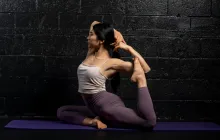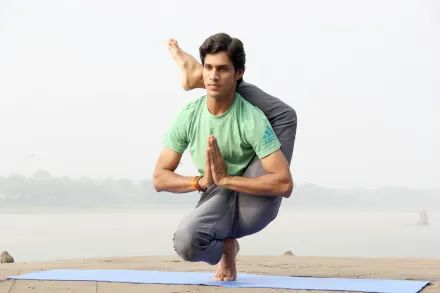
In a world where emotional turbulence can arise from countless sources—work stress, relationship tensions, worries about the future—yoga offers a structured practice that targets not only the body but also the mind and nervous system. Emotional stability is not a static trait but a dynamic capacity that can be cultivated through sustained attention, breath awareness, and the disciplined yet compassionate movement of the body. Through yoga, individuals discover ways to observe their emotions without becoming overwhelmed by them, to respond rather than to react, and to develop a sense of inner steadiness that persists even when external circumstances remain unsettled. The journey toward emotional balance begins with recognizing that the body and mind are not separate compartments but aspects of a single lived experience. When we approach the body with curiosity and kindness, the breath naturally follows, and with the breath comes a shift in physiological states that makes room for new patterns of thought and feeling to arise. This article explores how yoga contributes to emotional stability by addressing physiological processes, cognitive shifts, and everyday habits that reinforce resilience over time.
Understanding Emotional Stability and the Role of Breath
The foundation of emotional stability in the context of yoga rests on the intimate relationship between breath, the nervous system, and the brain. Breath is not merely a mechanical exchange of air; it is a dynamic signal that informs the body how to organize its states of arousal and calm. When a person engages in slow, deliberate breathing, the parasympathetic branch of the autonomic nervous system is invited to tone down the rapid, preparatory responses that characterize fear, anger, or anxiety. In practical terms, extended exhalations and diaphragmatic breathing patterns reduce the speed and intensity of the heart rate, lower the release of stress hormones, and promote a state of cortical quiet that makes it easier to engage the prefrontal networks responsible for planning, inhibition of impulsive actions, and reflective thinking. This physiological shift is not a retreat from reality; rather, it creates a window of clarity through which thoughts and feelings can be examined with curiosity instead of judgment. The breath serves as a reliable anchor that can be carried into moments of emotional surge, and in yoga practice this anchor is reinforced by specific breathing techniques that have evolved over centuries to support nervous system regulation. The combination of breath awareness with mindful body awareness helps to reframe the experience of strong emotions from a threat to be managed into a signal that invites learning and adjustment, thereby fostering a durable sense of balance that is accessible even when life presents unexpected challenges.
Yoga as a Practice That Teaches Mindful Regulation of Emotions
A central value of yoga for emotional stability is its emphasis on mindful regulation rather than forced suppression or immediate catharsis. In yoga practice, learners are encouraged to notice the rise and fall of feelings, sensations, and thoughts without clinging to them or pushing them away. This nonjudgmental stance is cultivated through a combination of postures, breathwork, and periods of stillness that invite experiential learning about emotional reactivity. When practitioners observe a rising tide of sadness, irritability, or elation, they learn to track the sensory cues associated with those states—tension in the jaw, fluttering in the chest, widening of the eyes—without automatically labeling the experience as good or bad. Through repeated cycles of attending, acknowledging, and letting go, the nervous system becomes more adept at differentiating between legitimate signals that require a response and transient sensations that will pass with time. Over months and years, this training translates into greater tolerance for discomfort, a slower escalation of stress, and an enhanced capacity to choose how to respond rather than to react impulsively. The discipline of regular practice thus functions as a form of emotional education in which the mind learns to respond with intention and warmth, even in the midst of uncertainty.
Physiological Mechanisms Linking Yoga to Emotional Resilience
Beyond the phenomenology of breath and awareness, yoga engages a network of physiological mechanisms that contribute to emotional resilience. Regular practice has been associated with improved autonomic balance, characterized by more robust vagal regulation and a higher resting parasympathetic tone. This shift translates into a calmer baseline from which stress responses arise, enabling quicker recovery after distressing experiences. Yoga also appears to influence neurochemical processes, including the modulation of neurotransmitters such as gamma-aminobutyric acid, serotonin, and dopamine, which play crucial roles in mood regulation and the experience of pleasure and motivation. In addition, the practice can influence inflammatory markers and oxidative stress pathways, reducing the pro-inflammatory state that often accompanies chronic stress and anxiety. From a functional perspective, yoga fosters neuroplastic changes in brain regions linked to emotional control, such as the prefrontal cortex, anterior cingulate, and amygdala. By strengthening top-down control and reducing bottom-up reactivity, yoga creates a neurobiological milieu in which emotions can be processed with greater clarity and less defensive intensity. These changes are not merely theoretical; they have practical implications for how individuals cope with daily stressors, handle interpersonal friction, and maintain a stable internal sense of self when external conditions are unsettled.
The Importance of Consistency and Routine in Yoga Practice
Consistency is the silent engineer of emotional stability through yoga. A practice that occurs irregularly tends to yield fleeting benefits, whereas a steady routine cultivates deeper changes in physiology, cognition, and daily behavior. When the body is allowed to repeatedly experience the patterns of lengthened exhales, controlled inhales, and mindful holds, the nervous system gradually learns to default to calmer states more readily. Routine also helps to establish predictable anchors in life, which provides a sense of safety and control that counteracts the unpredictability of external events. In addition, a predictable schedule for practice supports habit formation, which reduces the cognitive load required to initiate mindful behavior in moments of stress. For many practitioners, the most meaningful improvements in emotional stability occur not from a single transformative session but from weeks, months, and years of consistent engagement with postures, breathing, and meditation that gradually recalibrate the body's response to subtle and overt stress. The deliberate pace of a well-designed sequence fosters patience, reduces impulsivity, and encourages a kinder internal dialogue, all of which contribute to a more resilient emotional framework that remains available when life grows loud or uncertain.
Yoga Poses and Sequences That Support Emotional Balance
Certain postures are particularly well suited to soothing the nervous system and supporting emotional balance. Poses that gently stretch the chest and shoulders open the respiratory tract and counteract the tendency to hold stress in the upper body. Forward folding twists and supported inversions can help shift attention inward and slow the mind, creating space for emotional processing. Sequencing matters because the order in which one moves through poses can either amplify arousal or promote stability. A balanced sequence often begins with gentle warm-ups to release tension, progresses to breathing practices that prime the nervous system for calm, includes a series of poses that open the chest and lengthen the spine, and then integrates a period of restorative poses and meditation to consolidate the state of equanimity. Practitioners can notice how different shapes influence mood and energy, and over time they learn to tailor their sequences to their own emotional needs. For example, a person who experiences tightness in the chest during anxious moments may benefit from poses that expand the ribcage, while someone who carries residual tension in the neck and jaw may explore gentle neck stretches and jaw releases. The embodiment of these practices creates a reliable map, a set of tools that can be drawn upon outside the studio to maintain steadiness amid the swirl of daily life.
The Psychological Shifts That Come From Regular Practice
Over months of practice, many students report a transformation in how they interpret and respond to emotional stimuli. The mind becomes less reactive and more reflective, with a growing capacity to observe feelings as they arise without becoming overwhelmed. This shift is closely connected to improved cognitive flexibility, which allows people to reinterpret a stressor and reframe it within a broader context. In practical terms, this means that an aggravating commute or a difficult conversation might be perceived less as an existential threat and more as a moment to apply learned strategies for regulation. Such changes often correlate with improvements in self-efficacy, where individuals gain confidence in their ability to manage their mood and behavior. The increased sense of mastery does not negate vulnerability; rather, it reframes vulnerability as a natural part of the human experience that can be navigated with skill and compassion. With a more stable internal climate, relationships tend to become more harmonious, as people respond with greater patience, listen more attentively, and communicate with greater clarity, all of which reinforce a positive feedback loop between inner state and outer interactions.
Mindfulness, Metacognition, and Emotional Clarity
A key cognitive shift that yoga fosters is metacognition—the awareness of one’s own mental processes. This heightened self-awareness helps individuals recognize maladaptive patterns, such as rumination or catastrophizing, and choose alternatives that reduce suffering. Mindfulness cultivated on the mat translates into a more inclusive and compassionate inner narrative; thoughts are observed as mental events rather than as definitions of one’s identity. This distinction creates space for emotional clarity: the capacity to differentiate between the signal of a difficult emotion and the story we tell about it. When emotions are less entangled with self-judgment, it becomes easier to decide how to respond rather than to react automatically. The practice gradually teaches people to attend to the present moment with curiosity, to notice bodily sensations accompanying mood shifts, and to follow the natural rise and fall of emotion without clinging to one particular outcome. In a social context, this translates into more open communication, improved listening, and a sturdier sense of self that is not dependent on external approval for validation, all of which underpin lasting emotional stability.
Yoga and Stress Hormones: Cortisol, Adrenaline, and Beyond
The endocrine system responds dynamically to the cues provided by yoga practice. Regular engagement with breathwork and movement can lead to lower baseline levels of cortisol and adrenaline in the long run, dampening the fatigue and irritability that accompany chronic stress. This hormonal modulation also supports better sleep quality, which in turn enhances emotional regulation during waking hours. Sleep is a foundational pillar of mental health, and improved sleep through yoga can create a cascade of positive outcomes, including greater daytime alertness, improved mood, and increased resilience to minor setbacks. In addition to reductions in stress hormones, yoga can influence endorphins and endogenous opioids that shape pain perception and mood. The cumulative effect of these neuroendocrine changes is a more balanced emotional landscape in which mood swings are less intense, recovery from distress is quicker, and the capacity to engage with challenges remains intact even when fatigue or frustration arises. While individual responses vary, the overarching pattern points toward a stabilizing influence of yoga on the hormonal milieu that underpins emotional experience.
Integrating Yoga into Daily Life for Long-Term Emotional Stability
The true value of yoga for emotional stability emerges when practices extend beyond the mat and into daily routines. The breathing techniques learned in a studio can be employed during moments of tension at home or at work, offering a portable set of tools for calming the nervous system. The gentle discipline of regular practice helps to embed a routine that anchors life during times of uncertainty, supporting consistency in mood and behavior. Small, practical choices—taking a few mindful breaths before responding to a provocative comment, pausing to attend to bodily sensations when deadlines loom, or choosing a restorative posture during a mid-afternoon lull—accumulate into a durable lifestyle shift. Over time, people often notice that they are less reactive in traffic, more patient with loved ones, and more capable of sustaining attention during tasks that require cognitive effort. This integration is not about perfection; it is about building a resilient pattern that can withstand occasional lapses and still slowly restore balance. The goal is not to eliminate emotion but to cultivate a robust relationship with emotion, whereby one can experience feeling and still proceed with intention and care.
Meaningful Practices Beyond the Mat: Sleep, Diet, and Social Connection
Emotional stability is supported by a cluster of related habits that extend beyond the physical practice of yoga. Adequate sleep, a nutrient-dense diet, regular physical activity, and meaningful social connections all interplay with the state of mood and resilience. Yoga can influence sleep architecture through the relaxation response and improved thermoregulation, while mindful eating practices foster a stable energy supply that avoids sudden spikes or drops in mood. The social dimension of yoga—shared practice, supportive instruction, and a sense of belonging—also contributes to emotional well-being by enhancing feelings of safety and acceptance. When practiced within a community that values compassion and nonjudgment, individuals may experience a reinforced sense of self-worth and belonging, which in turn strengthens emotional stability. Even solitary practitioners can benefit from a reflective approach to these elements, aligning personal routines with a broader intention to care for body, breath, and mind. In this way, yoga participates in a comprehensive life design that prioritizes emotional health as a steady, ongoing process rather than a one-off achievement.
The Path of Continued Growth: A Lifelong Practice
The journey toward enduring emotional balance through yoga is less about reaching a final destination and more about sustaining a trajectory of growth. Each phase of life presents new emotional landscapes, demands, and opportunities to apply the skills cultivated on the mat. As physiology, cognition, and behavior adapt to changing circumstances, the practice can evolve with intention. A seasoned practitioner may explore more nuanced breathing techniques, longer meditation periods, or deeper restorative work, all with attention to internal feedback. The emphasis remains on kindness toward oneself, recognizing that progress includes periods of challenge as well as calm. By maintaining humility and curiosity, individuals can keep their nervous system flexible and resilient in the face of life’s uncertainties. This ongoing commitment to self-care through yoga creates a reservoir of stability that can be drawn upon when external systems fail to provide steady ground, enabling a person to show up with greater presence, compassion, and courage in every sphere of life.
In the end, the benefits of yoga for emotional stability arise from an integrative practice that engages breath, body, and mind in a gentle yet persistent dialogue. The body learns to soften its protective postures, the breath learns to guide the mind toward a steadier tempo, and the mind learns to witness emotion without becoming imprisoned by it. When these elements harmonize, the result is a durable sense of ground upon which one can stand when winds of stress blow strongest. The experience is not about escaping reality but about cultivating a more intimate relationship with one’s own inner life, a relationship rooted in awareness, patience, and care. With time, yoga becomes less of a technique to achieve a particular mood and more of a trusted companion that helps one meet each moment with clarity, compassion, and an ever-deepening capacity for emotional stability that remains accessible amid the ordinary and extraordinary rhythms of daily living.