Origins and philosophy of cupping
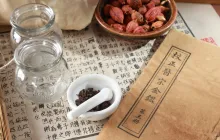
Cupping therapy traces its roots to ancient medical traditions across diverse cultures, where healers sought to balance the body by influencing the flow of life energy, blood, and other vital substances. In many historical texts, cupping was described as a practical method to awaken sluggish tissues, relieve aches, and restore a sense of ease to the body following exertion or stress. Over centuries these ideas evolved into a formalized set of practices, while the underlying aim remained consistent: to create space within the tissues, promote local circulation, and encourage a more harmonious state of relaxation. Modern practitioners often speak about cupping not as a mysterious ritual but as a therapeutic tool that engages the body’s own adaptive responses. In practice, this translates to a deliberate process designed to gently lift and separate layers of skin and fascia, which can help release tension that has become entrenched through repetitive movement, poor posture, or intense physical strain. When viewed through this historical lens, cupping is less about dramatic novelty and more about drawing on long-standing observations that focused on restoring ease to living bodies that carry the marks of daily life.
What cupping therapy involves
At its core, cupping therapy uses cups that create a vacuum on the surface of the skin. The vacuum pulls the skin and underlying fascia upward, producing a area of localized pressure change that has a cascade of mechanical and biochemical effects. Dry cupping, the most common form, relies on suction to lift tissues, often leaving circular marks that fade within a few days as circulation improves and the skin rebalances. Wet cupping, practiced in some traditions, involves a careful skin incision to draw a small amount of blood, a step that is undertaken by trained clinicians who emphasize sterile technique and patient comfort. The choice between dry and wet cupping, the duration of suction, and the placement of cups are tailored to the individual, taking into account areas of tenderness, the rhythm of breathing, and the person’s overall health. During a session, cups may be left in place for several minutes, moved carefully to track tissue planes, or applied in a sequence that guides relaxation from the more accessible regions toward deeper layers. The sensory experience can range from a gentle pull to a more noticeable pressure, but skilled practitioners prioritize safety, gradual exposure, and patient communication so that the body can respond without distress.
Physiological mechanisms behind muscle relaxation
One of the most straightforward explanations for the relaxing effects of cupping is its impact on local blood flow. The suction creates a mild, transient ischemic stimulus that triggers vasodilation in surrounding capillaries, increasing arterial inflow and promoting removal of metabolic byproducts that accumulate during muscle use. This enhanced microcirculation helps tissues receive more oxygen and nutrients while accelerating the clearance of inflammatory mediators, which can reduce stiffness and post-exertion ache. Beyond circulation, cupping affects the fascia—a connective tissue network that envelops muscles and nerves. By creating a lifting effect, the therapy can facilitate gliding between fascial layers, reducing friction and allowing muscles to glide more freely during movement. This mechanistic action contributes to a sense of space and release that many describe as a deep, comforting relaxation. The procedure can also influence the nervous system through mechanisms such as gate control of pain and the modulation of nociceptive signals; mindful breathing and the position of the body during treatment can enhance these effects, guiding the nervous system toward a state of calm and reduced muscle tone.
Immersive physiological processes also come into play. The temporary tissue stretch induced by cupping may engage mechanoreceptors that signal the brain to reduce muscle spindle activity, which translates into diminished reflexive tightness. Additionally, the inflammatory milieu around overworked or sore muscles can be tempered as immune cells respond to the gently amplified circulation. Over time, repeated sessions may support a pattern of tissue remodeling where scar tissue and adhesions loosen, allowing muscles to adopt a more hospitable configuration for relaxational movements. The cumulative effect can be a lowered resting tone in chronically tense areas, a decreased sensitivity to noxious stimuli, and a broader sense of ease that permeates daily activities, not just the moment of treatment.
Clinical experiences and evidence
Clinical observations describe cupping as a modality that can help with muscle-related discomfort, postural strain, and performance-related stiffness. In many cases, patients notice a reduction in perceived tightness, improved flexibility, and a more comfortable breath during daily tasks after sessions. Scientific studies in this domain have produced mixed results, reflecting the complexity of pain perception, individual anatomy, and variation in cupping techniques. Some randomized trials report modest improvements in pain intensity and range of motion for chronic musculoskeletal conditions such as back or neck pain, while others emphasize the importance of placebo effects, patient expectations, and concurrent therapies. Meta-analytic reviews often highlight a need for larger, methodologically rigorous trials to better isolate cupping’s specific contribution relative to other therapeutic approaches. Nevertheless, a consistent thread across research and clinical practice is the observation that cupping can complement other modalities, especially when used as part of a multifaceted plan that includes movement, hydration, and professional guidance. When integrated with appropriate exercise and manual therapy, cupping may amplify the body’s capacity to relax tense tissue and restore natural movement patterns.
From a patient experience perspective, the relaxation component of cupping often emerges as a central benefit. The process tends to encourage slow, diaphragmatic breathing, a psyco-physiological state conducive to reducing sympathetic arousal. In this environment, muscular relief is not only a physical release but also an opportunity for the nervous system to recalibrate its response to stress. The combination of mechanical tissue modulation and autonomic regulation can support a more resilient baseline for handling daily pressures, whether from sport, labor, or sedentary lifestyles that produce stiffness. For many, this integrated effect—physical loosening paired with a quieting of the nervous system—becomes a cornerstone of a broader approach to self-care and rehabilitation. While the evidence base continues to mature, practitioners and patients alike report meaningful experiences of relaxation that translate into clearer movement, improved posture, and a calmer sense of body awareness in the hours and days following a session.
Indications and contraindications
Cupping therapy is commonly considered for a range of musculoskeletal issues where muscle tension, restricted tissue mobility, and mild-to-moderate pain are present. People often pursue cupping to address back pain, neck and shoulder stiffness, hip or leg tension, headaches linked to muscle stress, and post-exercise soreness where tissue adherions limit performance. The technique can also support recovery after intense training, helping reduce delayed onset muscle soreness by promoting local circulation and tissue refreshment. However, cupping is not universally appropriate. Contraindications include active skin infections, open wounds, severe vascular disorders, bleeding disorders, or a tendency toward extensive bruising. Pregnant individuals are typically advised to avoid certain cupping placements and intensities, while those with significant cardiovascular instability or a history of adverse reactions to heat or suction should seek careful medical consultation beforehand. A responsible practitioner will conduct a thorough intake, listen to patient concerns, and tailor the approach to minimize risk while maximizing comfort and benefit.
In addition to medical considerations, there is attention to skin integrity and the psychosocial context of care. People with very dry or sensitive skin may require gentler suction and shorter durations, while those who bruise easily might benefit from a slower progression of intensity and more conservative cup placement. The decision to pursue dry versus wet cupping is another area where clinician judgment matters, balancing the potential physiological benefits against the patient’s comfort, risk profile, and personal preferences. By foregrounding individualized assessment, cupping can be used safely as part of a broader program aimed at muscle relaxation, mobility restoration, and stress reduction.
What to expect in a session
During a typical cupping session, the clinician explains the plan, checks for any contraindications, and prepares the skin with a gentle cleanse. The practitioner then applies cups to specific regions of the body where muscle tightness is most pronounced. In dry cupping, suction is established either through a flame and heat method or via a mechanical pump, depending on the equipment and training of the practitioner. The cups are left in place for a set period, often three to ten minutes, while the patient breathes slowly and remains comfortable. Some sessions include light movement of cups along the skin to explore different tissue planes, a technique that can help address adhesions or restricted mobility in a more dynamic way. Before removal, the practitioner ensures the patient feels stable and relaxed; after removal, there is usually a brief period of rest and hydration guidance to support tissue recovery. The marks left by cups may vary from faint redness to deeper circles, and these changes typically fade within a few days as circulation normalizes and the tissues settle into a new pattern of tension and slackness.
In addition to physical sensations, many people report a mental shift during and after the session. The combined effect of gentle tissue mobilization, a quiet clinical environment, and the slow cadence of breathing can produce a meditative feel that supports mental relaxation. The patient’s comfort is a central priority, and therapists often encourage post-session movement, light stretching, or short walks to maximise the benefits. The overall experience is typically described as a synergy between muscle relief, improved circulation, and a calming sense of well-being that can extend beyond the treatment window into daily life, influencing posture, sleep, and perceived energy levels in a positive way.
Safety and hygiene
Safety is a foundational concern in cupping therapy. Proper sanitization of equipment, the use of sterile or appropriately cleaned cups, and adherence to infection control practices are essential. Practitioners are trained to monitor for skin reactions and to adjust suction levels to prevent excessive bruising or discomfort. Hygiene extends to the treatment environment as well, with clean surfaces, fresh linens, and careful hand hygiene. For wet cupping, additional safety protocols apply, including sterile skin preparation and controlled incisions performed by trained professionals who follow established medical guidelines. Patients are advised to disclose any medical conditions, medications, or allergies that might influence blood clotting or wound healing, enabling the clinician to tailor the approach accordingly. The goal is to create a safe, reassuring setting where relaxation can occur without unnecessary risk or anxiety about potential adverse effects.
Integrating cupping with other therapies
Many practitioners incorporate cupping into a broader therapeutic plan that may include massage, stretching, physical therapy exercises, hydration strategies, and ergonomic education. When used alongside targeted myofascial release techniques or guided mobility work, cupping can enhance tissue receptivity, making subsequent manual work more effective and reducing the risk of reintroducing tension after treatment. Integration often involves a coordinated schedule where cupping sessions are spaced to allow tissue adaptation, with exercises prescribed to repeat gentle movements that retrain neuromuscular pathways. This collaborative approach can help athletes maintain flexibility, reduce injury risk, and sustain the relaxation benefits achieved during a session. Patients who combine cupping with mindfulness practices or diaphragmatic breathing may experience a more profound sensory shift, as the body learns to inhabit a more relaxed state while performing daily tasks or training routines.
From a clinical planning perspective, practitioners may consider cupping as a component of a personalized recovery blueprint. They may adjust cup placement to focus on muscle groups most implicated by a person’s routine, such as the upper back for desk workers or the calves for runners. The aim is not to rely on cupping alone but to use it as a catalyst that enables more effective movement, reduces protective muscle guarding, and accelerates the transition from acute tightness to sustainable relaxation. Regular follow-up sessions can help track progress, refine technique, and address new concerns as the body adapts to changes in activity level or posture. This holistic view reinforces the concept that muscle relaxation through cupping is part of a dynamic process rather than a one-off intervention, with continued practice contributing to longer-term improvements in comfort and functional capacity.
Tips for maximizing relaxation
To optimize the relaxing effects of cupping, several factors come into play beyond the session itself. A calm environment, steady breathing, and mindful attention to the sensations in the body can heighten perceptual relaxation and reinforce tissue changes. Before a session, staying well-hydrated supports tissue pliability and facilitates circulation during and after cupping. Post-session care often includes gentle movement or light stretching to promote gradual tissue realignment, along with adequate rest to allow the nervous system to consolidate the relaxing experience. A moderate intake of water and a balanced post-treatment meal can support metabolic processes that accompany tissue recovery. For some individuals, combining cupping with relaxation techniques such as guided visualization or brief meditative practice can enhance the overall sense of calm, helping the mind and body synchronize their responses to stress and exertion. By approaching cupping as part of a wider strategy for relaxation and mobility, the benefits can extend beyond the immediate moment to influence daily performance and well-being.
Consistency is a practical consideration when pursuing longer-term muscle relaxation through cupping. Regular sessions, spaced to align with the rate at which tissues recover and adapt, can help maintain improved tissue tone and circulation. Practitioners often tailor a schedule that fits a person’s activity level, recovery needs, and aesthetic or functional goals. When integrated with a thoughtful routine involving gentle stretching, posture awareness, and ergonomic adjustments, cupping can become a reliable element of ongoing maintenance rather than a sporadic remedy. In that context, the body learns to sustain the relaxed state through daily habits, making the experience of cupping a stepping-stone toward enduring comfort and freedom of movement.
Myths and misconceptions
A common misunderstanding is that cupping creates permanent changes in muscle structure. In reality, cupping can influence transient tissue states and nervous system responses that support relaxation, mobility, and pain modulation, but it is not a substitute for ongoing exercise, medical treatment for underlying conditions, or long-term rehabilitation strategies. Another misconception is that cupping is excessively painful or produces severe bruising in every session. While bruising can occur, especially with stronger suction or wet cupping, skilled practitioners adjust intensity to the patient’s tolerance and tissue condition, prioritizing comfort and safety. Some people fear that cupping is dangerous or incompatible with certain medications, but when performed by trained professionals who follow proper guidelines, the procedure is generally well tolerated for many individuals. Educating patients about the goals of therapy, expected sensations, and the natural course of post-treatment marks helps demystify the process and supports informed decision making. A third misunderstanding is the belief that cupping should always be used in isolation before other therapies. In most cases it is best viewed as one tool within a broader rehabilitation or self-care plan that includes movement, hydration, and body awareness to achieve lasting relaxation and functional gains.
Post-session care and recovery
After a cupping session, the body benefits from a period of rest and light activity to integrate the changes in tissue tone and circulation. Hydration supports fluid balance and helps flush metabolic byproducts released during treatment. Gentle movement, such as short walks or light stretching, can promote tissue realignment without provoking new tension. Avoiding intense workouts immediately after a session allows the body to absorb the relaxation effects more fully, while a gradual return to activity helps reinforce the newly achieved mobility. For some individuals, applying a warm compress to nearby areas can further soothe any residual stiffness, while others may prefer a cool-down period that stabilizes sensory input and prevents over-stimulation. The frequency and duration of post-session adjustments are individualized, reflecting factors such as baseline muscle tone, training load, age, and overall health. A well-designed recovery plan supports the continuity of relaxation, encouraging deeper breathing, improved posture, and a smoother transition back to daily routines.
Longer-term post-treatment strategies focus on reinforcing the gains achieved through cupping. Training plans for athletes or active individuals may include targeted stretching sequences, proprioceptive exercises, and mobility work aimed at maintaining tissue pliability. For non-athletic individuals, education about ergonomic posture, sleep position, and stress management contributes to sustaining a relaxed muscular baseline. In all cases, monitoring responses to treatment and adjusting the plan based on feedback ensures that cupping remains a constructive component of a holistic wellness approach rather than an isolated event. By prioritizing consistency, patient education, and collaboration with other therapists or clinicians, cupping therapy can function as a durable driver of muscle relaxation and improved quality of life.
Long-term use and care plans
For people who find cupping beneficial, developing a long-term care plan can help preserve relaxation gains while supporting ongoing health goals. A sustainable plan may include a combination of periodic cupping sessions, a structured home mobility routine, and lifestyle adjustments that reduce sources of chronic tension. Setting realistic expectations is important; cupping tends to complement movement-based therapies, sleep quality, stress management, and nutrition. A well-rounded schedule might involve monthly sessions during high-demand periods, with more frequent visits during rehabilitation after an injury or after an intense training cycle. Over time, the accumulation of small changes—better tissue glide, lower resting muscle tone, and quieter nervous system responses—can contribute to a more resilient body. The care plan should be adaptable, with adjustments made in response to evolving needs, activity levels, and any medical considerations that arise, ensuring that cupping remains a safe and constructive component of a broader path toward lasting muscle relaxation and functional well-being.
Comparing cupping to other modalities
When pitted against other relaxation-oriented approaches, cupping offers a distinctive combination of sensory experience and tissue modulation. Compared with traditional massage, cupping emphasizes a vacuum-induced lift that can reach subtle tissue layers without direct friction across a broad area, potentially appealing to those who prefer a gentler contact with less continuous manipulation. In contrast to rhythms of foam rolling or self-myofascial release techniques, cupping provides a unique tissue onboarding signal that can activate different proprioceptive pathways and nervous system responses. Acupuncture and dry needling share a focus on neuromuscular modulation, but cupping communicates through mechanical tissue tension and dermal changes rather than needle-based stimulation. The choice among these modalities often rests on personal comfort, treatment goals, and the specific tissue characteristics of the person. For athletes or individuals dealing with chronic, diffuse muscle tension, cupping can be especially valuable as part of a diversified toolkit aimed at improving circulation, reducing adhesions, and enhancing overall relaxation. At its best, cupping is not an isolated cure but a complementary strategy that collaborates with movement, breathing, and mindful awareness to support a healthier, more relaxed body.
Putting cupping into a well-rounded relaxation plan
In a comprehensive approach to muscle relaxation, cupping acts as a catalyst that opens tissue channels, invites improved blood flow, and fosters a restorative nervous system state. This catalyst works best when paired with purposeful breathing, slow, sustained movements, and a daily routine that supports tissue health. A well-rounded plan recognizes the body as an integrated system where posture, stress, sleep, and physical activity all interact to shape muscle tone. By aligning cupping sessions with steady hydration, nutrient-dense meals, and deliberate rest periods, individuals can create a durable foundation for sustained relaxation. The goal is not simply to experience a momentary easing of tightness but to cultivate a lasting sense of freedom within the body, enabling everyday actions to be performed with greater ease and less effort. Practitioners emphasize listening to the body’s signals, adjusting intensity, and honoring personal boundaries so that the experience remains empowering and safe. When this holistic philosophy is embraced, cupping becomes one element in a responsive, patient-centered path toward enduring muscle relaxation and enhanced quality of life.