Aromatherapy is a discipline that blends the art of scent with the science of skin care to create a holistic approach to healthy, radiant skin. When essential oils are extracted from plants and carefully diluted in carrier oils, they carry complex chemical profiles that can influence the skin on multiple levels. The practice has deep roots in traditional healing systems, yet it remains vibrant in modern beauty routines as researchers continue to explore how volatile compounds interact with the skin’s protective barrier, its microbial inhabitants, and the inflammatory pathways that can affect tone, texture, and resilience. In the context of skin care, aromatherapy is not a single magical ingredient but a nuanced system in which scent, formulation, dilution, and method of application converge to support skin health, mood, and overall well-being.
Foundations of Aromatherapy and the Skin
To understand how aromatherapy benefits the skin, it helps to appreciate the two primary routes by which essential oils exert their effects: aromatic inhalation and topical application. Inhalation engages the olfactory system, which communicates with the limbic system, a part of the brain involved in emotion, memory, and hormonal regulation. This connection can influence stress responses and may indirectly support skin health by reducing episodes of stress-induced inflammation and hormonal fluctuations that can aggravate conditions such as acne or dermatitis. The topical route delivers the active constituents directly to the skin, where they can interact with cells, modulate inflammatory mediators, and interact with lipids in the barrier to support moisture retention and barrier function. The interplay between these routes is nuanced, and responsible practitioners emphasize a thoughtful balance that respects the skin’s sensitivity and the well-being of the person who uses the product.
The science behind skin benefits and essential oil blends
Essential oils are complex mixtures of terpenes, esters, phenols, ketones, and other organic compounds that can act as antioxidants, anti-inflammatory agents, antimicrobial substances, or simply contributors to improved skin texture through their soothing properties. When added to carrier oils in properly measured dilutions, these compounds can assist in calming irritated skin, supporting hydration, and providing a sensorial experience that reduces perceived discomfort. Some oils also promote healthy cell turnover or help to regulate sebum production, which can be particularly meaningful for individuals with oily or combination skin. It is important to recognize that not all essential oils are appropriate for every skin type, and the beneficial effects depend on the oil’s chemical profile, its concentration, and the individual’s skin physiology. A well formulated aromatherapy product respects these variables and aims to deliver benefits without overwhelming the skin’s natural balance.
Key essential oils and their skin benefits
Lavender oil is often celebrated for its soothing properties and gentle support for irritated skin, offering a comforting aroma that can accompany restorative routines while contributing to mild anti-inflammatory effects when used appropriately. Tea tree oil is known for its antimicrobial potential, which can be appealing for skin prone to blemishes, yet it is widely advised to dilute it sufficiently and test for sensitivity due to its potency. Frankincense and rose oils are valued for their potential to support a calm, balanced appearance of the skin, with resins that may help to maintain texture and tone over time. Chamomile oils, both Roman and German varieties, bring a gentle soothing quality and are commonly incorporated into formulations designed for sensitive or inflamed skin. Each oil carries a distinct chemical signature, and experienced formulation practices harmonize these signals with carrier oils to create blends that feel luxurious while supporting the skin’s needs. Beyond these, oils such as rosehip, sandalwood, geranium, and neroli are frequently used in skincare blends to complement hydration, reinforce barrier integrity, and provide a pleasant sensory experience that encourages consistent routines. It is essential to approach essential oils with care, recognizing that their power lies in balance and in the skillful selection of partners that align with an individual’s skin type and lifestyle.
Choosing carrier oils and blending for skin health
Carrier oils act as the base in which essential oils are dispersed, playing a crucial role in delivering beneficial constituents while also contributing moisture and barrier support. Jojoba oil, despite its name, behaves similarly to the skin’s own sebum, offering a non-greasy feel that suits a wide range of skin types. Sweet almond oil provides an emollient and nourishing foundation that can improve softness and reduce roughness, though it should be avoided by those with nut sensitivities. Apricot kernel oil offers light hydration and a silky texture that blends well with most essential oils, supporting a smooth application while delivering a gentle dose of fatty acids. Rosehip seed oil is celebrated for its linoleic and linolenic fatty acids, which may contribute to youthful appearance and repair of minor scars, though its color can tint mixtures. When creating blends, the fragrance intent, skin type, and the desired outcome guide the choice of carrier and the level of dilution. A careful ratio ensures that the essential oils can do their work without compromising the skin’s barrier or causing irritation. Blending is also a matter of personal preference, with some individuals seeking a lighter feel and others desiring richer emollience, and skilled practitioners tailor blends to satisfy both aesthetic and functional goals as part of a broader skincare ritual.
Caring for different skin types with aromatherapy
Aromatherapy can be adapted to support dry, oily, combination, sensitive, and aging skin through thoughtful oil and blend selection. For dry skin, blends that emphasize humectant or emollient oils and nourishing essential oils can help restore softness and resilience, while keeping the skin’s surface barrier intact. Oily skin can benefit from lighter carrier oils and oils with balancing properties that do not clog pores, along with essential oils known for purifying properties in a gentle way that does not provoke excess sebum production. Combination skin requires a nuanced blend that addresses both dryness in some areas and excess shine in others, often through a balanced ratio of hydrating oils and clarifying essential oils that can adapt throughout the day. Sensitive skin demands careful screening for potential irritants, patch testing prior to widespread use, and conservative dilutions with soothing essential oils such as lavender and chamomile that are known for their gentle profile. Aging skin may respond well to oils rich in fatty acids, antioxidants, and regenerative compounds, such as rosehip and patchouli, in blends that emphasize moisture retention and a stabilized barrier. In each case, the goal is to harmonize the skin’s natural rhythms with a fragrance and formulation that respects its unique needs, creating a routine that becomes a source of comfort and consistency rather than a cause of stress or irritation.
Safety, patch testing, and responsible use
Safety is a central pillar of aromatherapy for skin care, and responsible usage begins with patch testing to detect sensitivities before applying a new blend more broadly. A small amount of diluted oil is applied to a discreet area of skin, typically the inner forearm, and observed for a 24 to 48 hour window to identify any redness, itching, or discomfort. Dilution guidelines vary depending on the essential oil and skin type, with common recommendations ranging from 0.5 percent to 2 percent for daily facial use, and higher dilutions reserved for occasional body applications or for stronger oils in less sensitive areas. It is important to avoid applying essential oils to broken skin or near the eyes, mucous membranes, or inner surfaces of the ears, and to never replace medical treatment with aromatherapy when addressing serious skin conditions. Pregnant individuals, young children, and people with autoimmune or endocrine concerns should consult health professionals before incorporating new essential oil regimens. Proper storage is another safety factor, with essential oils kept in dark bottles away from heat and light to preserve their integrity and reduce the risk of oxidative changes that could irritate the skin. Ethical sourcing and quality control also matter, since the purity and geographic origin of oils can influence both efficacy and safety. When used conscientiously, aromatherapy can be a comforting, low-risk aid to skin care that complements other products and routines without overshadowing the fundamental need for clean habits, gentle cleansing, and sun protection.
Practical applications and routines
In practical terms, aromatherapy-infused skin care often integrates with daily rituals in a way that feels natural rather than forced. A typical morning routine might begin with a gentle cleanse followed by a light moisturizer or facial oil that includes a small amount of essential oil blend designed to support hydration and balance, all aimed at preparing the skin for the day ahead while providing a subtle mood lift through aroma. Evening routines may emphasize repair and relaxation, with a softly scented serum or facial oil that helps to lock in moisture during the night, supporting cellular turnover and barrier restoration while the body rests. In both cases, the focus remains on simplicity, minimal irritation, and consistent use, since the skin responds better to steady, moderate application than to sporadic bursts of high intensity. Some individuals enjoy incorporating inhalation rituals into their routines, using a handheld aromatic inhaler or simply taking a few mindful breaths near the product to invite a sense of calm that complements the physical effects on the skin. By weaving scent, texture, and routine into a cohesive practice, aromatherapy becomes not just a product category but a daily practice that honors both sensory pleasure and skin health as a unified goal.
Common myths vs science in aromatherapy for skin
A common misconception is that all essential oils are universally safe for all skin types, which is not accurate and can lead to irritation or sensitization. Another myth is that high concentrations of essential oils will automatically yield better results, whereas in reality proper dilution, quality, and the compatibility with the skin’s barrier are more predictive of positive outcomes. Some people assume that essential oils can immediately erase visible aging signs, but in truth, visible improvements typically arise from cumulative use, good sun protection, stable hydration, and a well-rounded skincare routine that includes gentle cleansing and antioxidants. The idea that aromatherapy is purely about fragrance is also reductive; the chemical signatures of essential oils contribute to actions within the skin, and informed blending respects these actions while balancing fragrance to support a holistic experience. Finally, there is sometimes a belief that aromatherapy can replace dermatologist-prescribed therapies, which is rarely appropriate; instead, it can complement medical treatment when used under guidance and with attention to the skin’s signals and the person’s overall health. By keeping a critical eye on expectations and grounding decisions in safety, science, and personal experience, aromatherapy for skin care can be both enjoyable and beneficial without creating false promises.
Integrating aromatherapy with a holistic skincare routine
To maximize benefits, aromatherapy should be integrated into a broader routine that includes cleansing, hydration, sun protection, and healthy lifestyle habits that influence skin health. Clean skin allows active ingredients to work more effectively, while gentle cleansing preserves the barrier so that essential oils can interact with surface lipids without disruption. Hydration is essential, as even potent essential oil blends require a stable base of moisturizers or noncomedogenic carriers to avoid dryness or irritation. Sun exposure should be managed with broad-spectrum protection, since UV radiation can impact skin resilience and the way oils behave on the surface of the skin. Beyond the act of applying products, timing and sequence matter: some blends are better suited for morning use when one desires an uplifting aroma and a lightweight feel, whereas others are advantageous in the evening when the skin has time to recover, repair, and renew overnight. A well-rounded plan often includes seasonal adjustments, where lighter formulas prevail in warmer months and richer blends may provide comfort and nourishment during drier seasons. The emotional and sensory dimension of aromatherapy also supports adherence; a ritual that feels soothing is more likely to become a consistent habit, and consistency is a key factor in achieving lasting improvements in skin texture, tone, and clarity as well as in the mood-enhancing or stress-reducing aspects that can indirectly influence complexion over time.
Environmental and ethical considerations
Quality and sustainability are integral to responsible aromatherapy practice, so consumers and practitioners alike consider where essential oils come from and how they are produced. Small-batch distillation, transparent sourcing, and fair practices can influence both the quality and the ethical footprint of a product. Botanical purity, avoiding adulterants, and validating a product’s composition helps ensure that the intended skin benefits are achievable and that the product behaves as described in clinical or anecdotal reports. Buyers often seek information about the plant species, country of origin, harvest season, and testing standards to understand the oil’s potential effects and safety profile. Ethical considerations extend to packaging, with an emphasis on recyclable materials and refillable options that reduce waste. When these factors are integrated into a skincare routine, aromatherapy becomes not only a personal wellness practice but a mindful consumption habit that respects ecosystems, communities, and future skincare possibilities. This broader perspective helps align daily routines with values while enhancing the likelihood that skin health improves over time through steady, thoughtful use of high-quality aromatherapy products.
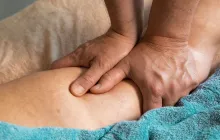
In the quiet ritual of rubbing a softly scented oil blend into the skin, there is a subtle invitation to slow down, listen to your body, and observe how it responds to different textures and fragrances. The aromas can act as a reminder to breathe and to maintain consistency, which is often the most powerful ally in skin care. By acknowledging the skin as a living organ that communicates through tone, texture, and color, aromatherapy becomes a language that helps us talk to ourselves with gentleness and care. When practiced with respect for safety, quality, and individual variation, aromatherapy contributes to a skincare experience that feels nourishing and holistic, rather than transient and purely cosmetic. The goal is not to chase a perfect appearance but to cultivate a resilient skin surface and a sense of well-being that radiates outward with confidence and ease.