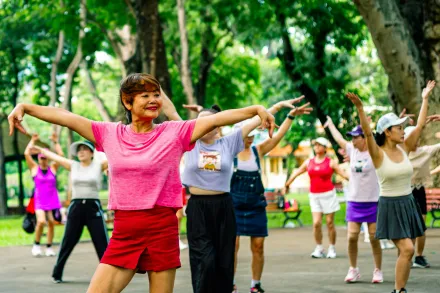
Introduction: A gentle path to heart health
In the modern world where systems are stressed by pace, noise, and relentless cognitive load, a practice that blends deliberate movement, mindful breathing, and focused attention offers a unique approach to strengthening the heart and vessels. Tai Chi traces its roots to centuries past, yet its values remain strikingly relevant for cardiovascular resilience. The form is intentionally slow, fluid, and balanced, inviting practitioners to align body, breath, and mind in a continuous, unhurried rhythm. This alignment is not merely a matter of feeling calm; it is a physiological invitation to reduce unnecessary strain on the heart, improve blood flow, and promote a healthier circulatory system over time. While Tai Chi is often described as accessible to people of various ages and abilities, its potential benefits for cardiovascular health rest on concrete physiological changes that can be observed, measured, and experienced in daily life. The purpose of this article is to explore how Tai Chi supports cardiovascular health, the mechanisms behind these benefits, the evidence that guides clinical and personal practice, and practical guidance for those seeking to incorporate this timeless art into a heart-friendly lifestyle.
Principles of Tai Chi practice and cardiovascular relevance
At the core of Tai Chi is an emphasis on seamless, continuous movement that travels through joints with minimal effort and maximum control. The practitioner learns to coordinate smooth transitions between poses, maintaining lightness in the feet and a buoyant sense of balance. The breathing pattern is deliberate, often slow and diaphragmatic, creating a natural rhythm that harmonizes with movement. This combination of gentle physical exertion and mindful breathing contributes to a physiological state that resembles a low to moderate aerobic challenge without the jarring spikes that can accompany more intense forms of exercise. From a cardiovascular perspective, the continuous nature of Tai Chi movements fosters a steady heart rate that remains within a safe and efficient range for many participants, reducing sudden surges in blood pressure and stress on cardiac tissue. The postural awareness and internal focus cultivate a parasympathetic-dominant ambiance to a degree, allowing the body to recover and adapt more readily between deliberate steps and holds. Though not designed as an intense cardio workout, Tai Chi acts as a holistic activity that gently conditions the heart and vasculature while supporting systemic balance across multiple organ systems. The practice becomes particularly meaningful when it is consistent, integrated into routine, and performed with attention to breathing and alignment rather than merely going through the motions. In this way, Tai Chi forms a bridge between meditation and movement, with cardiovascular health benefiting from both aspects together rather than in isolation.
Physiological pathways influenced by Tai Chi
The cardiovascular system responds to sustained, low to moderate effort in ways that can be favorable over months and years. Tai Chi contributes to this response through several intertwined pathways. First, there is autonomic nervous system modulation. Engaging in slow, controlled movements while maintaining calm breathing can shift the balance toward parasympathetic activity, reducing the prevailing sympathetic tone that is often heightened in daily life. This shift can stabilize heart rate, promote heart rate variability, and support a more adaptable cardiovascular response to stress. Second, Tai Chi’s emphasis on balance and proprioception reduces muscular tension and lowers the likelihood of abrupt, uncontrolled body movements during activity, thereby decreasing the risk of acute hemodynamic fluctuations. Third, the practice enhances endothelial function through repeated, sustained shear forces as limbs move through space, supporting the lining of blood vessels and fostering nitric oxide production that helps widen arteries and improve blood flow. Fourth, the meditative component lowers perceived exertion and perceived stress, which can translate into lower circulating stress hormones that influence blood pressure and vascular tone. Taken together, these pathways illustrate how Tai Chi can produce a cascade of subtle, cumulative effects that contribute to healthier circulation and a more robust cardiovascular system over time. The interplay between mechanical movement, breathing, and mental state creates a unique physiological milieu that supports cardiovascular health without demanding strenuous effort from the heart.
Impact on blood pressure and vascular function
Blood pressure is a central indicator of cardiovascular health, and keeping it within a healthy range reduces the risk of heart disease and stroke. Multiple observations across diverse populations suggest that regular practice of Tai Chi can contribute to modest yet meaningful reductions in both systolic and diastolic blood pressure, particularly in adults with prehypertension or hypertension. The gentle, rhythmic breathing and slow movements help prevent rapid spikes in blood pressure during exertion, while the overall stress-reducing effects can dampen chronic elevation that is common in modern life. Beyond systemic blood pressure, Tai Chi appears to influence central aortic pressure and arterial stiffness to a degree that has practical importance for cardiovascular risk. When arteries become stiffer, the heart must work harder to pump blood, a condition linked with higher cardiovascular risk. By promoting flexibility in the arterial tree, improving wall motion, and supporting healthy endothelial function, Tai Chi contributes to less resistance in the vascular system and better overall arterial compliance. While individual results vary and factors such as age, baseline health, and the presence of cardiovascular disease influence outcomes, the body of evidence points to Tai Chi as a safe, complementary approach that can accompany conventional strategies to manage blood pressure and maintain vascular health over time. It is important to view Tai Chi as part of a broader lifestyle approach that includes balanced nutrition, regular physical activity, medication as prescribed, and regular medical monitoring when hypertension is present.
Effects on heart rate, variability, and autonomic balance
Heart rate variability, or HRV, reflects the natural variation in time intervals between heartbeats and serves as a noninvasive marker of autonomic nervous system flexibility. A higher HRV generally indicates a heart that can respond efficiently to changing demands and stressors. Tai Chi practice, with its restful rhythm and mindful focus, can positively influence HRV by promoting parasympathetic dominance during practice and shaping a lasting increase in vagal tone over time. This can translate into a heart that recovers more quickly after physical or emotional challenges and maintains a steadier rhythm during daily activities. Additionally, the slow and deliberate breathing associated with Tai Chi tends to synchronize with heart rhythms, fostering a coherent physiological state that supports cardiovascular efficiency. For individuals engaged in regular Tai Chi training, HRV improvements may accompany enhanced daytime energy, improved sleep, and a perceived sense of resilience. While HRV is influenced by many variables, consistent Tai Chi practice contributes to a tangible, measurable pattern of autonomic balance that aligns well with cardiovascular health goals. It remains essential to monitor heart health with appropriate medical oversight, especially for people with established cardiac conditions, but the autonomic benefits observed with Tai Chi provide a compelling argument for its role as a supportive modality.
Metabolic and inflammatory considerations
Chronic metabolic and inflammatory states can contribute to cardiovascular risk by promoting a cascade of changes in the vasculature and metabolic regulation. Tai Chi, as a low to moderate intensity form of physical activity anchored in controlled breathing and mental focus, can influence metabolic health in several beneficial ways. Regular practice may support improved glucose regulation and insulin sensitivity, helping to stabilize energy use and reduce the metabolic stress associated with erratic lifestyle patterns. Moreover, Tai Chi has been associated with reductions in inflammatory markers in some studies, which is relevant because chronic, low-grade inflammation is linked to atherosclerosis and other cardiovascular diseases. The gentle nature of Tai Chi also reduces the inflammatory burden that can arise from high-impact or highly stressful exercise routines. This combination—better metabolic regulation and lower inflammation—contributes to an overall improvement in cardiovascular risk profiles. As with other areas of health, the magnitude of benefit depends on frequency, duration, individual health status, and adherence to the practice over months and years. This interplay between metabolic homeostasis and inflammatory control underscores Tai Chi’s potential to support heart health through lifestyle-oriented mechanisms rather than a single isolated intervention.
Endothelial function and nitric oxide
The endothelial lining of blood vessels plays a crucial role in regulating vascular tone and blood flow, largely through the production of nitric oxide. Regular physical activity, including structured movement like Tai Chi, can enhance endothelial function by improving shear stress patterns and promoting nitric oxide availability. The slow, controlled motions of Tai Chi create a sustained, gentle stimulus to blood vessels, encouraging adaptive remodeling of the vascular wall and improved responsiveness to changes in blood flow demand. Enhanced endothelial function translates into better vasodilation, lower baseline vascular resistance, and improved distribution of blood to tissues during periods of activity or stress. The combination of deliberate posture, breathing with fullness of the chest and abdomen, and a calm mental state that accompanies Tai Chi practice supports a physiological environment in which nitric oxide production can flourish. Over time, such improvements in endothelial function contribute to healthier arterial dynamics, which reduces the workload on the heart and supports long-term cardiovascular resilience. While the processes are complex and multifactorial, the overarching idea is that Tai Chi nurtures the living lining of the circulatory system, promoting flexibility, responsiveness, and protective mechanisms that help sustain heart health as people age.
Exercise capacity, functional status, and quality of life
A key aspect of cardiovascular health is how well the body performs during everyday activities and physical tasks. Tai Chi equips practitioners with steady motor control and enhanced balance, both of which support sustainable activity levels without provoking overwhelming fatigue or pain. Through gradual exposure to movement, breath control, and mental focus, individuals often notice improvements in stamina, walking speed, and the ability to sustain activity for longer periods. These gains can translate into a higher level of daily functioning, reduced perceived effort during tasks, and a greater sense of confidence in navigating physical environments. In parallel, Tai Chi’s meditative component may improve sleep quality and daytime mood, factors that influence overall energy and resilience, which are closely linked to cardiovascular well-being. Improved functional status is not only about greater endurance; it also encompasses reduced risk of falls, better posture, and an enhanced sense of autonomy, all of which contribute to a healthier cardiovascular profile by enabling continued regular activity and reducing the burden of sedentary living. The cumulative effect across these domains supports a more robust heart and circulatory system as part of a holistic approach to wellness.
Safety, who can benefit, and practical considerations
One of the strengths of Tai Chi as a cardiovascular health-supporting practice is its broad accessibility and safety profile when approached thoughtfully. For most people, especially older adults or those with mild to moderate health concerns, Tai Chi offers a low impact form of movement that minimizes joint stress while encouraging consistent participation. Those with hypertension, stable coronary disease, or other cardiovascular risk factors should pursue initial guidance from healthcare providers and qualified instructors who understand cardiovascular considerations and can tailor movements, pacing, and balance demands to individual needs. Practitioners should begin with basic postures, short sessions, and mindful breathing, gradually increasing duration and complexity as confidence and safety permit. It is essential to listen to the body and avoid positions or flows that cause pain, dizziness, or shortness of breath. Hydration, comfortable clothing, appropriate footwear, and a safe practice space further reduce risk. In clinical contexts, Tai Chi is often used as an adjunct to standard care, complementing medications, dietary changes, and other lifestyle interventions to promote cardiovascular health. The practical takeaway is that Tai Chi can fit into diverse lifestyles, offering a continuous, gentle pathway to cardiovascular well-being with appropriate planning and supervision when necessary.
Styles of Tai Chi and their cardiovascular implications
Tai Chi encompasses different forms and styles, each with its own cadence and emphasis. The Yang style, known for its slow, expansive movements, tends to be particularly accessible for beginners and is often associated with a more relaxed breathing pattern, making it suitable for cardiovascular health, especially in populations new to exercise or dealing with joint concerns. The Chen style introduces a slightly more dynamic sequence with subtle pulses and breath-driven energy, which can provide a mild increase in cardiovascular demand while still remaining within a low to moderate range for most participants. The Wu and Sun styles emphasize precision, economy of motion, and balanced alignment, offering a refined approach that can support resilience and motor control with relatively modest cardiovascular load. Regardless of style, the underlying principle remains consistent: moves should be performed with calm, controlled breathing and mindful attention to posture and flow. The cardiovascular implications arise when practitioners engage consistently, progress gradually, and maintain an approach that respects personal limits while seeking steady improvement in endurance, flexibility, and autonomic balance. Hence, the selection of style should consider personal goals, comfort, joint health, and access to qualified instruction, while recognizing that sustained practice yields cumulative cardiovascular benefits irrespective of stylistic preference.
Integrating Tai Chi with conventional cardiovascular care
In a comprehensive approach to heart health, Tai Chi can complement conventional medical strategies rather than replace them. For individuals on antihypertensive therapy, lipid-lowering medications, or those receiving rehabilitation, Tai Chi offers an adjunct that supports lifestyle modification, stress reduction, and gradual activity progression. When integrated with medical care, Tai Chi can be scheduled to align with energy levels, medication timing, and rehabilitation goals, enhancing adherence to a broader plan for cardiovascular health. Instructors and clinicians may collaborate to design programs that respect medical constraints while enabling meaningful progression in movement complexity and duration. Importantly, Tai Chi is not a substitute for urgent medical care in the face of acute cardiac symptoms; rather, it is a continuous, preventative strategy that complements medications, dietary changes, smoking cessation, and physical activity guidelines. The synergy between conventional care and Tai Chi lies in creating an environment where the cardiovascular system can adapt gradually, the mind can sustain focus, and daily life can accommodate a more resilient and balanced rhythm. By weaving together scientific understanding with experiential practice, individuals can realize tangible improvements in heart health while cultivating a sense of empowerment and long term well-being.
Training design for cardiovascular health
A thoughtful training design emphasizes consistency, safety, and progressive challenge while honoring the unique needs of each person. For cardiovascular health, a practical approach might involve regular sessions several times per week, with durations that begin gently and gradually extend as comfort increases. A typical goal could be a weekly total of 150 minutes of moderate activity, distributed across multiple sessions, with Tai Chi as a core modality complemented by light daily movement and activities that encourage varied muscle engagement. Within each session, emphasis on diaphragmatic breathing, relaxed facial muscles, a lifted chest, and soft knee bends can help maintain circulation without provoking undue fatigue. An effective plan also encourages mindful transitions between movements, ensuring the heart rate remains within a safe zone and that the body receives sufficient recovery time between sequences. Consistency over intensity marks a successful path for cardiovascular benefits from Tai Chi, and adherence is often supported by enjoying social interaction during classes, experiencing improved mood, and noticing gradual improvements in energy and sleep. The design should account for individual health status, prior activity history, and any cautions from medical professionals, always prioritizing safety, gradual progression, and personal enjoyment in practice.
Research landscape and what remains uncertain
Over the years, a growing body of research has explored the cardiovascular effects of Tai Chi, with studies suggesting improvements in blood pressure, heart rate dynamics, endothelial function, and aspects of exercise capacity. However, like many lifestyle interventions, results can vary based on study design, participant characteristics, adherence, and the intensity and duration of the intervention. While meta-analyses often indicate small to moderate benefits for certain cardiovascular outcomes, researchers emphasize the need for larger, long term randomized controlled trials to confirm specific effect sizes and to identify subgroups that benefit most. The complexity of real-world Tai Chi practice, with differences in style, form, teacher expertise, and individual engagement, adds nuance to interpretation. Nevertheless, the consensus among many investigators is that Tai Chi provides a safe, accessible, and potentially meaningful addition to cardiovascular health strategies, particularly for older adults, those with mild hypertension, or individuals seeking stress reduction and improved autonomic balance alongside physical activity. As the evidence base evolves, clinicians and practitioners are encouraged to monitor emerging findings, continue to report outcomes with standardized measures, and maintain transparent communication about what Tai Chi can realistically achieve in relation to other interventions. The state of knowledge highlights both promise and the ongoing necessity for rigorous research to refine recommendations and personalize guidance within diverse populations.
Practical guidance for beginners and ongoing practice
For someone starting Tai Chi with cardiovascular health in mind, the practical starting point is to seek qualified instruction that emphasizes safety, breathing, and alignment. Beginners should expect to learn basic postures, coordinated with a simple breathing pattern that feels natural and unforced. In the early stages, sessions may emphasize gentle leg work, comfortable stances, and the cultivation of a steady, relaxed mind, allowing the heart to settle into a comfortable, sustainable rhythm. As familiarity grows, the practice can evolve to longer sessions, more controlled transitions, and a richer breath pace that supports relaxation and cardiovascular efficiency. It is helpful to set realistic goals that focus on consistency rather than intensity, choosing routines that fit comfortably within daily life and allow for gradual progression. Regular practice should be accompanied by clear communication with healthcare providers when there are cardiovascular concerns, ensuring that activity remains appropriate for the individual’s health status. A supportive environment—whether at a community center, a dedicated studio, or an online class—enhances motivation and accountability, while also offering opportunities to learn modifications for joints, breathing capacity, and balance. Finally, keeping a simple practice mindset that centers on presence, breath, and patient curiosity helps sustain engagement over the long term, which is essential for achieving the cardiovascular benefits that Tai Chi has to offer.