Tai Chi is a gentle, low impact movement practice that blends slow, deliberate postures with focused breathing and quiet attention. For seniors, it offers a pathway to physical resilience without the jarring shocks that can accompany high intensity workouts. The rhythm of the movements, the soft shifts in weight, and the emphasis on mindful breathing create a balanced approach to health that respects the body’s timeline while inviting ease rather than strain. In communities around the world, older adults discover that a routine built around patience, consistency, and inner calm can translate into real world improvements that touch daily life in meaningful ways. This article explores how Tai Chi supports physical function, cognitive vitality, emotional well being, safety at home, social connectedness, and practical adaptability for people as they age, while also addressing common questions about starting and maintaining a steady practice.
Physical health and functional vitality
One of the most widely observed benefits of Tai Chi for seniors is an improvement in physical function that translates into greater independence. The movements cultivate a deep sense of body awareness, alignment, and control, helping to reduce stiffness and improve joint mobility. Over time, practitioners commonly report smoother gait, more balanced stepping patterns, and a reduction in the fatigue that can accompany daily tasks. The practice places modest demands on the cardiovascular and respiratory systems, yet it can progressively strengthen heart and lung function when engaged consistently. The emphasis on slow, controlled movements also encourages muscular endurance, particularly in the core, hips, and legs, which supports posture and reduces the strain that sometimes appears with aging. In addition, the gentle resistance provided by muscular engagement helps maintain bone density and joint stability, contributing to a lower likelihood of injury during routine activities or unexpected slips.
Balance and mobility
Balance is a cornerstone of aging safety, and Tai Chi is uniquely suited to improve steadiness without creating fear of movement. The practice trains the body to shift weight smoothly from one leg to the other, refine weight distribution, and coordinate complex sequences with mindful foot work. Regular engagement with Tai Chi can reinforce proprioception, the sense of where the body is in space, which tends to decline with age. As balance improves, seniors often experience fewer near falls and a reduced risk of actual falls, which are a leading cause of injury and loss of independence in older adults. Beyond static balance, Tai Chi fosters dynamic balance during everyday tasks such as standing to sit, rising from a chair, climbing stairs, or maneuvering through crowded spaces. The calm, deliberate pace creates a safe environment for practicing these skills with confidence, and the emphasis on stable, rooted stances helps individuals recover quickly from momentary disruptions, such as a misstep or a stumble.
Cardiovascular and metabolic health
While Tai Chi is not a high intensity cardio workout, it offers meaningful cardiovascular benefits through sustained, moderate effort and controlled breathing. The slow, continuous movements help modulate heart rate in a healthy range, which can contribute to improved blood pressure stability and better autonomic balance. For seniors, steady practice can support cardiovascular function without provoking dizziness or fatigue, making it accessible to individuals with varying levels of fitness. Breathing patterns embedded in the routine promote efficient oxygen exchange, which can enhance energy levels and endurance during daily activities. In addition, the gentle movement has a favorable effect on glucose metabolism for some individuals, and the overall rhythm of practice can support consistency in healthy lifestyle choices, including meal timing, sleep habits, and daytime activity.
Joint health, flexibility, and pain management
Arthritis and stiffness are common concerns among older adults, and Tai Chi offers a pathway to greater joint comfort through measured, swirling motions that encourage synovial lubrication and range of motion without abrupt loading or impact. The exercises emphasize slow, fluid transitions that stretch and mobilize the spine, shoulders, hips, knees, and ankles. This can help reduce morning stiffness, improve range of motion, and ease daily tasks that previously felt limitative. Some participants discover that practicing consistently leads to decreased pain intensity and improved functional capacity, which supports the ability to perform activities such as dressing, cooking, or gardening with less discomfort. Importantly, because Tai Chi is low impact, it is often suitable for individuals with chronic conditions when practiced with proper guidance and modifications.
Neurological and cognitive benefits
Beyond physical movement, Tai Chi engages the brain in ways that can support cognitive health. The practice requires attention to posture, weight shifts, timing, and breath, which together form a kind of mental exercise that challenges working memory, focus, and executive function. The sequencing of movements encourages mental flexibility as individuals remember and adapt to slightly changing patterns, while the breathwork fosters air regulation and centering, which can quiet the mind and reduce cognitive load during daily decisions. Long term, regular practitioners report enhanced concentration, better speed of processing information, and a greater ability to stay present in the moment. This combination of mindful motor control and mental engagement makes Tai Chi a unique activity that harmonizes brain and body in ways particularly relevant to aging.
Mood, stress reduction, and sleep quality
Emotional well being often responds positively to the gentle observance that Tai Chi invites. The slow cadence of breathing, paired with graceful movement, can trigger a relaxation response that reduces levels of stress hormones and mellow mood. For many seniors, this translates into less irritability, a greater sense of calm, and a more patient approach to daily challenges. The social component of group practice, the sense of mastery over new skills, and the personal experience of progress contribute to improved mood and self esteem. Improved sleep is commonly reported as well, since the practice encourages a daily routine, promotes relaxation before bedtime, and helps regulate circadian rhythms through daytime activity and evening unwind.
Social connection and community engagement
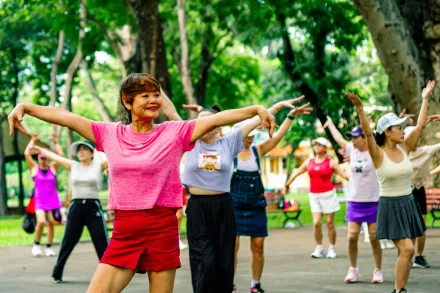
Tai Chi classes often become social anchors for older adults, offering a welcoming space to connect with peers, share stories, and participate in a shared pursuit. The communal aspect can alleviate feelings of isolation and loneliness that sometimes accompany aging, while providing structure and intention for weekly routines. In many settings, instructors adapt the format to accommodate varying mobility levels, ensuring that everyone can participate meaningfully. The social dimension supplements the physical and cognitive benefits with encouragement, accountability, and a sense of belonging, all of which contribute to a higher quality of life and greater resilience in the face of health changes.
Accessibility, adaptability, and inclusivity
One of the strengths of Tai Chi as an activity for seniors is its adaptability. Movements can be performed standing, seated, or with the support of a chair, depending on an individual’s needs and comfort level. Instructors frequently tailor sequences to reduce joint strain while preserving the essential balance and breath coordination that define the practice. This flexibility makes Tai Chi accessible to people with limited mobility, recovery from surgery, chronic pain, or conditions that limit high impact activity. The practice thus becomes not a fixed routine but a dynamic toolkit that individuals can modify as circumstance changes, allowing sustained engagement over many years.
Principles and safety considerations for beginners
Starting Tai Chi in later life is most effective when approached with curiosity, patience, and a clear understanding of personal limits. A gentle introduction focuses on alignment, breath, and the core idea of soft, continuous movement rather than speed or precision of form. It is wise to begin with short sessions, gradually increasing duration as comfort grows and listening to the body guides pacing. Safety begins with a warm up that prepares the joints and muscles for movement, followed by cool down that allows the heart rate to ease and the breath to normalize. Practitioners are encouraged to wear comfortable clothing, maintain comfortable footwear with good grip, and practice on stable, non slippery surfaces. If pain, dizziness, or numbness emerges, it is prudent to pause and seek guidance from a qualified teacher or a medical professional. Instructors can provide modifications for neck, back, knee, or hip issues, and offer options for seated practice to ensure continuous, safe participation.
Practical guidance for starting and maintaining a routine
To reap long term benefits, consistency matters more than intensity, and consistency itself is built from enjoyable, sustainable routines. A typical week might include two or three short sessions, each lasting twenty to thirty minutes, embedded in a broader wellness plan that also includes gentle walking, stretching, and mindful breathing at other times of the day. A beginner friendly approach emphasizes fundamental postures such as weight shifting, gentle rotations of the spine, and the opening and closing of the arms, gradually layering in more complex sequences as confidence grows. Keeping a simple journal about how the body feels after practice can highlight positive patterns and reinforce motivation. Many seniors find benefit in attending regular classes or meeting with a partner to practice, while others prefer the privacy of home practice with instructional videos that emphasize safety cues and gradual progression.
Incorporating Tai Chi into daily life
Beyond formal classes, Tai Chi principles can be woven into daily routines to maintain vitality throughout the day. Simple mindful posture checks while standing in line, waiting at a bus stop, or preparing a meal can translate the quiet focus of practice into everyday time. Slow chair based routines can be integrated into morning or evening rituals to reinforce joint mobility and breathing control. A tiny ritual of five minutes before breakfast or five minutes before sleep can help anchor people in a rhythm that supports mood stability and restful nights. When people begin to notice the subtle cumulative effects—better posture, diminished stiffness, a clearer head, and calmer nerves—the practice becomes less of a task and more of a natural part of life.
Social and cultural dimensions of Tai Chi for seniors
The practice carries a social and cultural richness that can deepen engagement and enjoyment. For many, Tai Chi is not merely a set of motions but a pathway into a tradition that emphasizes harmony, balance, and the cultivation of energy. In group settings, participants often share tips, stories, and encouragement that strengthen community ties. For some, learning a familiar form provides a quiet sense of accomplishment, while for others, it opens a window into new ideas about body awareness and breath work. This blend of cultural meaning and practical benefit makes Tai Chi a holistic activity that nourishes body, mind, and spirit in a cohesive way that resonates with many aging adults.
Adaptability across different health conditions
Tai Chi has shown potential to support individuals with a variety of health conditions commonly encountered in later life. For instance, those managing chronic back pain can explore gentle spinal rotations and posture work that reduce stiffness without aggravating symptoms. People with arthritis can benefit from slow, supported movements that maintain joint space and reduce inflammatory flare ups. Those recovering from surgery may find a carefully supervised sequence assists in regaining confidence in mobility while avoiding abrupt strain. Even seniors with respiratory limitations can generally engage in breathing focused components of the practice, gradually increasing depth and control as capacity improves. The key is to practice under informed guidance and to progress at a pace that respects the body’s signals.
Looking ahead: ongoing learning and research perspectives
As research into aging, movement, and mind body connections expands, Tai Chi remains a flexible and evolving discipline. Contemporary studies continue to explore how regular, low intensity movement can influence balance control, cognitive reserve, mood regulation, sleep quality, and even inflammatory processes. The evolving understanding underscores the value of long term commitment rather than short term bursts, and it highlights the importance of qualified instruction, safe modification, and a supportive practice environment. For seniors, this ongoing learning offers reassurance that engagement with Tai Chi can adapt to changing needs while preserving a core sense of mastery, agency, and calm.
Conclusion-free reflections on daily living
In daily life, the benefits of Tai Chi for seniors often appear as quiet improvements that accumulate over weeks and months. A person may notice easier transitions from sitting to standing, steadier steps when navigating crowded spaces, and a calmer mind during challenging conversations. The breathing patterns learned in practice become a resource in moments of stress, fatigue, or decision making, while the emphasis on balance and mobility supports independence in activities that once felt risky or impractical. The practice also invites a gentle curiosity about one’s own body, encouraging mindfulness without demanding perfection. In this way Tai Chi becomes not just a routine but a companion in aging, offering a steady path toward maintained function, meaningful social connection, and a sense of empowerment that honors the aging process while honoring the whole person.