Reflexology is a comprehensive approach to well being that rests on the belief that the body contains a highly organized map of pressure points, often referred to as reflex points, which correspond to organs, glands, nerves, and systems across the whole organism. When skilled hands deliberately apply pressure to these points on the feet, hands, or ears, a cascade of responses is triggered within the nervous system, circulatory system, and hormonal networks. The practitioner’s touch acts as a dialogue with the body, inviting it to release tension, improve circulation, and rebalance function. This dialogue is framed by a philosophy that emphasizes harmony, vitality, and the potential for self healing through focused attention. The experience can be peaceful, deeply restorative, and even transformative for those who embrace the practice with consistency and care, recognizing that the body often responds to careful, compassionate contact with an enhanced sense of ease and stability.
Origins and principles
To understand how reflexology targets pressure points, it helps to know that this discipline grew from a merging of traditional insights with a curiosity about the body’s feedback mechanisms. Historically, various cultures observed that certain areas of the feet or hands could reflect or influence the state of distant parts of the body, suggesting a network of correspondences that go beyond simple anatomy. Modern reflexology builds on those observations by proposing that the entire body can be represented on a map of points, each linked through energetic channels and neural pathways. The guiding principle is that by stimulating a specific point with careful, measured pressure, one can send a signal that relaxes muscles, tunes nervous system activity, and promotes movement of energy and fluids. In practice this means that a trained practitioner uses precise pressure with the thumbs, fingers, and sometimes knuckles to access these points, while maintaining a calm, meditative rhythm aimed at inviting balance rather than forcing change. The emphasis is on intention, technique, and the sensitivity to how the body responds in real time, which can vary from session to session for reasons that include stress levels, hydration, sleep quality, and recent physical activity.
Mapping the body onto the feet and hands
Central to reflexology is a detailed map that translates complex anatomy into a tactile layout on the feet and hands. The map is not a literal diagram of anatomy but a functional representation, where zones correspond to major body systems such as digestion, respiration, circulation, and endocrine function. On the feet, for example, the areas near the toes are frequently linked with the head and neck, while the arch is connected to the spine and internal organs, and the heel area relates to the hips and lower back. Hands carry similar correspondences, with the thumb and fingertips often addressing the head and upper body, and the palm regions relating to the trunk and abdominal organs. When a practitioner locates a reflex point that feels tender or resistant, this may indicate a heightened need for release in the corresponding area. The process is not about imposing a fixed outcome but about inviting the body to align through the coordinated actions of pressure, breath, and awareness. Over time, many clients report improved ease in their movements, less stiffness, and a perception of greater balance as the reflex map is gently engaged and listened to by both practitioner and recipient.
How pressure points are located
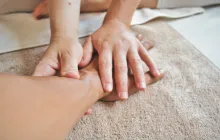
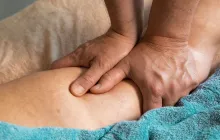
Locating reflex points relies on systematic palpation, visual assessment, and a refined sense of touch that develops with practice. A reflexologist begins by mapping the client’s goals and areas of concern, then proceeds to a careful warm up of the feet or hands to increase circulation and soften tissues. Once the surface is prepared, the practitioner applies steady, rhythmic pressure using the pads of the fingers or thumbs, gradually isolating zones corresponding to target organs or systems. The touch is neither harsh nor hurried, but precise enough to create a persistent yet comfortable stimulus. As pressure is maintained, the recipient breathes slowly, allowing muscles to release and the nervous system to shift toward parasympathetic dominance, which supports rest, digestion, and repair. This dynamic can lead to a sense of relief that extends beyond the immediate area being worked, revealing the interconnectedness of body regions and the way a precise touch can influence overall harmony. The effectiveness of pressure point work depends on alignment between the practitioner’s technique, the recipient’s receptivity, and the integrity of the reflex map being used as a guide.
Techniques that focus pressure and contact
Reflexology employs a broad repertoire of techniques, each selected to address different goals and to respond to the person’s feedback during a session. Thumb walking involves a sequence of small, deliberate steps along a reflex line, much like guiding a path with careful, patient pressure. Digital pressing uses the fingertips to apply localized force, useful for tender areas that require deeper relaxation. Splaying or finger tapping can help loosen joints and improve circulation in congested zones, whereas rotating pressures may aid in releasing muscular knots and increasing range of motion around a reflex point. A gentle combination of sustained pressure and light percussive strokes fosters a balanced experience that soothes the nervous system while encouraging a measurable improvement in tissue pliability. The practitioner also pays attention to breathing cues, posture, and the client’s comfort level, adjusting depth and duration accordingly. Beyond manual techniques, some sessions incorporate supportive elements such as comfortable positioning, climate control, and the use of optional tools like a massage cream or a warm compress to enhance the sense of ease and to promote sustained relaxation after the treatment ends.
Physiological mechanisms behind pressure point work
From a physiological perspective, reflexology’s impact can be understood through the lens of neural integration, circulatory changes, and hormonal signaling. The pressure applied to reflex points stimulates mechanoreceptors in the skin and underlying tissues, which then relay information through peripheral nerves toward the central nervous system. This sensory input can influence autonomic balance, often tipping the scale toward the parasympathetic branch that governs rest and recovery. As the body receives this input, heart rate may slow, breathing can become more regular, and muscle tension tends to decrease. Improved local circulation follows, which helps deliver nutrients and remove metabolic waste from tissues. In parallel, the reflexive engagement can affect the release of endogenous endorphins and other neuromodulators that modulate pain and mood, contributing to a subjective sense of well being. While the precise biophysical pathways may vary, the aggregate effect tends to be a more relaxed state in which the body is better equipped to repair and rebalance itself.
Clinical applications and common conditions addressed
Many individuals seek reflexology to support stress management, sleep quality, gastrointestinal comfort, and relief from tension-related headaches or neck pain. A growing body of practitioners report improvements in mobility, reductions in perceived pain, and enhancements in energy levels when reflexology is used as a complement to other therapies. It is important to note that reflexology is typically used as a complementary approach rather than a primary treatment for acute medical conditions. For conditions requiring medical diagnosis or medication management, reflexology should be integrated with conventional care under the guidance of healthcare professionals. The practice can also serve as a preventative measure, supporting daily resilience by maintaining a state closer to balance and by reinforcing healthy routines that contribute to overall well being. The client’s history, current medications, and contraindications such as pregnancy, certain skin conditions, or acute injuries are carefully considered before selecting techniques or intensity levels, underscoring the importance of personalized care in reflexology sessions.
Self care and safety in home practice
In addition to professional sessions, individuals can cultivate a gentle reflexology routine at home that emphasizes safety, consent, and gradual progression. Simple hand or foot self checks, combined with light self massage and mindfulness of breath, can help individuals stay connected with their bodies between professional visits. When performing self care, it is essential to avoid applying excessive pressure or performing sharp, abrupt movements on fragile areas or inflamed joints. Using a warm oil or lotion can reduce friction and improve tissue glide, allowing the fingers to slide smoothly across the reflex maps. It is beneficial to slow down, to listen to the body’s responses, and to adjust pressure accordingly. A routine that is regular but never aggressive tends to yield the most sustainable benefits, supporting a daily reminder of self compassion and kinesthetic awareness that enhances overall well being. For some people, pairing reflexology with other gentle modalities such as stretching, breathing practices, or light yoga can deepen the sense of relaxation and foster a more holistic sense of vitality.
Integrating reflexology with mindfulness and holistic care
Reflexology often resonates with broader holistic frameworks that emphasize the unity of body and mind. When integrated with mindfulness practices, the experience can become a platform for noticing subtle changes in energy, mood, and bodily sensations over time. This integration supports a nonjudgmental observation of stress patterns and physical tension, enabling individuals to develop a kinder relationship with discomfort and a greater capacity for self regulation. Many clients report that reflexology sessions feel like a support system for their nervous system, a reliable anchor during periods of transition, illness, or high demand. The practice thus serves not only as a tool for immediate relief but as a catalyst for ongoing awareness, empowering people to participate more actively in their own health journeys. As with any complementary approach, collaboration with medical professionals ensures that reflexology complements conventional care without replacing necessary treatments or diagnostic processes.
Future directions and ongoing research
As interest in integrative health grows, researchers are exploring how reflexology interacts with autonomic nervous system activity, inflammatory markers, and sleep architecture. Modern investigations may employ objective metrics such as heart rate variability, cortisol measures, and functional imaging to better understand how pressure point work influences physiological systems. While results can vary among individuals, the persistent theme is that reflexology supports the body’s capacity for self regulation when delivered with skill, sensitivity, and appropriate safety. The field continues to evolve as practitioners refine maps, standardize training, and emphasize patient-centered care that respects diverse experiences and cultural backgrounds. This ongoing dialogue between traditional knowledge and contemporary inquiry strengthens reflexology’s credibility as a complementary modality that honors both science and lived experience.
Ultimately, reflexology targets pressure points through a composed, attentive approach that invites the body to respond with relaxation, improved circulation, and a sense of restored balance. The practice emphasizes the interconnectedness of mind, body, and environment, reminding us that touch can be a powerful messenger of care. By listening deeply to the body’s signals and honoring individual boundaries, practitioners and clients collaborate to nurture resilience and vitality. The journey toward well being through reflexology is not about a single breakthrough but about a steady practice that acknowledges the body’s rhythms, supports stress resilience, and fosters a compassionate relationship with health. For many, the result is a greater sense of groundedness, clearer breathing, and a renewed capacity to engage with daily life from a place of calm confidence.