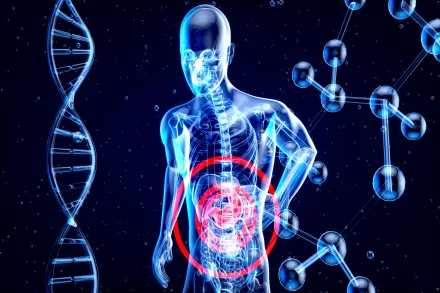
Energy medicine refers to a family of approaches that center on the idea that human beings possess subtle energetic dimensions that influence health, vitality, and well being. Practitioners describe fields that extend beyond the visible body, historically labeled as biofields, life forces, or prana, qi, or subtle energy depending on cultural context. From this perspective, well being emerges not only from the absence of disease but from a harmonious alignment between physical structures, neural networks, emotional stability, and the flow of energy within and around the body. Proponents emphasize that healing can involve guiding, balancing, clearing, or stimulating these energies in ways that support the body’s native capacity to regulate, recover, and adapt to life’s stresses. In clinical conversations, energy medicine is frequently presented as a complement to conventional care, offering an additional lens through which to view wellness as a dynamic and interconnected system rather than as isolated parts. The idea invites a holistic imagination of health that honors subjective experience and the body's own wisdom, while seeking observable benefits such as reduced pain, improved mood, increased resilience, and a quieter stress response.
At its core, energy medicine proposes that wellness arises when the body’s energetic patterns are more harmonious, oriented toward balance, and resilient in the face of daily demands. This framing integrates physiological processes with psychological and social realities, recognizing that mood, sleep, nutrition, exercise, and environmental exposures all intersect with energy experiences. In practice, energy medicine invites individuals to participate in their own healing through mindful attention, movement, touch, or intention, often under the guidance of a trained practitioner. The emphasis on active participation aligns with contemporary wellness philosophies that value agency, self-efficacy, and personal meaning as essential ingredients in sustained health. While the language of energy can feel abstract, it sits beside concrete outcomes such as improved sleep, better digestion, calmer nervous systems, and a greater sense of connection to self and others, making it a compelling complement to evidence-informed medical care.
Historical roots and cultural perspectives
Across civilizations, cultures have long articulated the idea that life energy flows through channels, grids, or centers within the body, linking physical function with emotional and spiritual experience. In traditional East Asian medicine, the concept of qi is thought to circulate through meridians, sustaining vitality and enabling adaptive responses to stress. In Indian traditions, prana is described as the vital force animating breath and consciousness, with practices designed to refine its flow through the body and mind. Indigenous healing systems frequently emphasize a sacred relationship between the person, community, land, and unseen energetic dimensions, where ceremonies and touch awaken alignment with larger life processes. These ancestral frameworks share a common insistence that health is not merely the absence of symptoms but the presence of balanced energy that nourishes all aspects of being. When modern energy medicine is practiced, it often draws on these rich reservoirs of meaning, translating ancient intuitions into contemporary modalities that can be studied, refined, and shared within integrative healthcare settings.
In the last century, new modalities emerged from both experimental science and compassionate care, creating a dialogue between traditional wisdom and modern inquiry. Healers and clinicians began to articulate energy concepts in ways that could be taught, standardized, and evaluated within professional practices. This evolution did not erase cultural variety; instead it embraced a pluralistic landscape in which touch, intention, breathwork, resonance, and guided visualization could all participate in a healing process. The cross-cultural texture of energy medicine invites practitioners to honor diverse meanings of energy while focusing on universal human needs: relief from suffering, restoration of function, and the cultivation of a sense of safety in the body. For patients, this historical tapestry offers a sense of continuity, illustrating how wellness has always been a synthesis of body, mind, relationships, and the larger milieu in which a person lives.
Common modalities and how they are practiced
Among the modalities commonly labeled as energy medicine, several approaches emphasize practitioner–client interaction as a central mechanism for supporting wellness. Reiki, for example, positions the practitioner as a conduit or channel through which energy flows to the recipient, with the aim of restoring balance and easing tension. Therapeutic Touch and Healing Touch share a lineage that focuses on directing attention and intention to influence the body’s energy field, often accompanied by light touch or hovering hand positions. Biofield therapies, in general, explore the concept that subtle energy patterns can be sensed and gently guided toward healthier configurations. Energy psychology blends cognitive strategies with energy-based techniques such as tapping on acupressure points to alter emotional responses, reduce stress, and improve coping mechanisms. While practices differ in technique and terminology, a common thread is the emphasis on presence, intention, and the idea that attention can modulate energetic states in a way that resonates with physiological regulation.
Other widely practiced modalities include forms of breathwork, which are sometimes framed as energizing or calming the system by modulating autonomic balance. Acupressure and acupuncture rely on the idea that stimulating specific points can harmonize energy flows and influence systemic regulation through neurohumoral pathways. Qi gong and tai chi combine slow, mindful movement with breath awareness to cultivate resilience, balance, and a sense of rootedness in the body. Meditation-based practices sometimes enter the energy medicine landscape when focused attention alters subjective experience and autonomic function, aligning attention with bodily cues to reduce arousal. Across these modalities, practitioners often tailor sessions to individual needs, integrating personal history, current symptoms, cultural background, and personal preferences to cultivate an experience that feels meaningful and supportive. The practice becomes less about a single technique and more about a collaborative process aimed at restoring vitality and ease.
Biological plausibility and the science behind energy therapies
From a scientific standpoint, researchers explore how energy-based therapies may influence measurable outcomes by examining the nervous system, neuroendocrine communication, and immune function. The autonomic nervous system, including the sympathetic and parasympathetic branches, is central to how humans respond to stress and recover from it. Many energy-based interventions are associated with reductions in physiological markers of arousal, such as decreased heart rate, lowered cortisol levels, and shifts in respiratory patterns that promote relaxation. Brain imaging and electrophysiological studies have documented changes in brain networks related to attention, emotion regulation, and pain processing after contemplative or touch-based energy interventions, suggesting that the mind–body connection can translate intention into neurobiological modulation. While causality is complex to establish due to the interplay of expectancy, context, practitioner skill, and patient characteristics, accumulating evidence points to plausible mechanisms involving attention regulation, interoception, and autonomic balance that may partly explain observed benefits.
Critics emphasize the need for rigorous, methodologically robust research and caution against attributing effects to mysterious energies alone. The ethical and methodological challenge lies in designing well-controlled trials that separate specific treatment effects from placebo, therapist warmth, expectancy, and the immersive context of care. Nonetheless, many studies report clinically meaningful improvements in pain, anxiety, sleep, and quality of life, even when the underlying mechanisms are still being explored. A growing body of work in systems biology and psychoneuroimmunology encourages a holistic view that aligns with energy medicine’s emphasis on integration among mind, body, and environment. In daily practice, this science-based mindset invites clinicians to communicate clearly about what is known, what remains uncertain, and how individual experiences fit within a broader understanding of wellness that respects both evidence and personhood.
Safety, ethics, and patient experiences
Safety is a foundational concern in any health-related practice, and energy medicine is no exception. When delivered by trained professionals with appropriate consent and communication, many modalities are considered low risk, especially when they complement ongoing medical care and do not replace urgent treatment. Ethical practice emphasizes informed consent, respect for patient autonomy, cultural sensitivity, and transparent discussion of potential benefits and limits. Clinicians encourage patients to share their full medical history, current medications, and health goals to ensure energy-based approaches do not inadvertently conflict with other therapies. Patient stories often highlight a sense of renewal, grounding, and hope. These subjective experiences, while not exclusively predictive of objective health outcomes, contribute to overall well-being by reducing distress, improving mood, and enhancing engagement with healthy behavior change. In clinical settings, careful note-taking, ongoing assessment, and collaboration with conventional healthcare providers help ensure safety and coherence across care plans.
Experiences of energy work can vary widely between individuals and even across sessions for the same person. Some report profound relaxation, a sense of warmth or lightness, or shifts in pain perception and emotional reactivity. Others describe subtle changes that accumulate over time rather than appearing immediately. Ethical practice also requires attention to boundaries and professional standards, including the informed consent process, the avoidance of coercive or sensational claims, and respect for diverse spiritual or personal beliefs. As patients integrate energy-based practices into their lives, clinicians often encourage reflective journaling, sleep hygiene, mindful movement, and gentle breathing as complementary strategies that support the body’s adaptive responses. The lived reality of energy medicine for many people is a dynamic interplay of sensory experience, cognitive appraisal, and relational trust with the healer, all of which can contribute to a meaningful sense of healing even when direct physiological markers are variable.
Energy medicine in clinical settings and integrative medicine
In contemporary healthcare, energy medicine frequently participates within integrative medicine programs that aim to blend evidence-based conventional care with complementary approaches that address the whole person. Hospitals, clinics, and private practices increasingly offer energy-based services as adjuncts to pain management, stress reduction, rehabilitation, and mental health support. Integrative teams often include physicians, nurses, psychologists, and allied health professionals who collaborate to tailor care plans that respect patient preferences while maintaining safety and coordination with standard treatments. This collaborative model recognizes that wellness emerges from multiple spheres, including physical function, emotional equilibrium, meaningful relationships, and environmental influences. When integrated thoughtfully, energy medicine can complement approaches such as physical therapy, cognitive behavioral therapy, sleep medicine, and nutrition, enhancing patient satisfaction, adherence to treatment, and a sense of agency in the healing journey.
Practitioners in clinical settings emphasize standardized training, credentialing, and ongoing professional development to ensure quality care. They document patient responses, monitor for adverse effects, and adapt interventions to evolving health statuses. A central aim is to preserve patient-centered care, in which individuals are seen as whole beings with unique life stories, preferences, and health trajectories. The therapeutic relationship itself—based on trust, listening, and compassionate presence—often contributes significantly to outcomes, independent of any specific technique. When energy medicine is offered as part of a broader treatment plan, clinicians stress the importance of continued communication with primary care providers to ensure coherence, avoid potential interactions, and honor the patient’s values and goals on the path to wellness.
Practical guidance for individuals seeking energy-based approaches
For individuals considering energy-based therapies, a thoughtful, informed approach can enhance safety and maximize potential benefits. Start by clarifying personal health goals and discussing them with a qualified healthcare professional who understands your medical history. Seek practitioners who are transparent about their training, supervision, and ethical standards, and who hold appropriate credentials or certifications recognized within their field. It can be helpful to ask about session structure, the role of touch or non-touch methods, and the intended pace of progress. Patients should be comfortable with the level of communication during sessions, including how feedback is given and how treatment plans evolve over time. Prioritizing a practitioner who respects patient autonomy, communicates clearly about expectations, and collaborates with other healthcare providers helps ensure a safe and coherent experience.
In practical terms, individuals often integrate energy-based sessions with a broader wellness program that includes regular physical activity, sleep optimization, balanced nutrition, and mindfulness practices. Maintaining honest records of how sessions influence symptoms, mood, energy, and stress levels can guide future decisions and support ongoing collaboration with clinicians. It is also wise to consider accessibility and cost, as these therapies vary widely in availability and pricing. By approaching energy medicine as a component of a comprehensive wellness strategy rather than a solitary cure, individuals can cultivate a sense of partnership with their own health and a clearer sense of what patterns of practice feel sustainable and meaningful over time.
Potential challenges and criticisms
Like many complementary health approaches, energy medicine faces questions about the strength of evidence, standardization, and regulatory oversight. Critics emphasize the need for high-quality randomized controlled trials that isolate specific effects from non-specific factors such as attention, placebo, and the therapeutic relationship. They also note that variability in practitioner training, technique, and terminology can make replication and comparison difficult, complicating efforts to build a coherent evidence base. Proponents respond that rigorous research is indeed possible and essential, while also highlighting the lived benefits reported by patients who experience reduced pain, better sleep, and enhanced coping. They argue that even when mechanisms remain partially understood, the observed improvements justify thoughtful integration into patient-centered care. The ongoing discourse challenges practitioners to maintain scientific humility, ethical responsibility, and patient safety as central commitments.
Another challenge concerns the risk of overclaiming or substituting for necessary medical care. Clinicians, patients, and caregivers must navigate the ethical boundary between supportive care and exclusive reliance on energy-based methods. Clear communication about when energy medicine is appropriate and when conventional medical interventions are urgent is essential. Ensuring informed consent, avoiding coercive practices, and prioritizing the patient’s best interests remain foundational principles. Critics also ask for more diverse research that accounts for cultural contexts, socioeconomic factors, and the ways in which expectations shape experience. In response, many energy medicine practitioners embrace collaborative models, emphasize patient education, and commit to ongoing professional development to address these concerns responsibly.
Future directions and research horizons
Looking ahead, the field envisions a future in which energy medicine is clarified by rigorous research, standardized training, and ethically practiced care that honors patient dignity. Advances in measurable outcomes, such as objective biomarkers of autonomic balance, inflammatory markers, sleep architecture, and functional performance, may illuminate how energy-based interventions exert their effects in the body. Interdisciplinary collaborations between neuroscience, psychology, physiology, and integrative medicine hold promise for building a cohesive framework that explains how attention, intention, touch, and breath can orchestrate systemic regulation. This future also invites the development of personalized care pathways that tailor energy-based practices to individual genetic, epigenetic, and psychosocial profiles, thereby enhancing responsiveness and safety. As technology evolves, researchers might explore digital or biofeedback-enhanced modalities that merge ancient wisdom with modern measurement tools, widening access while preserving the human-centered essence of care.
In education and clinical culture, energy medicine may become more widely taught alongside conventional disciplines, fostering clinicians who are comfortable discussing subjective experiences, managing expectations, and coordinating care with a strong emphasis on patient narratives. Public health perspectives could explore how energy-based practices contribute to resilience in communities facing chronic stress, burnout, or limited access to healthcare. Ethical frameworks will likely continue to refine how to balance respect for diverse beliefs with the imperative to provide evidence-informed options. The ongoing dialogue between skeptics and advocates can accelerate methodological rigor without compromising the compassionate core of energy-based healing, ultimately enriching wellness options for people across age groups and life circumstances.
Cross-cultural perspectives and personal growth
Cross-cultural engagement with energy medicine invites humility and curiosity, recognizing that definitions of wellness are culturally embedded and deeply personal. In some communities, energy concepts are inseparable from spiritual beliefs and ritual practices; in others, they are understood through neurobiological mechanisms and experiential data. Embracing this plurality can enhance patient-centered care by honoring rituals, language, and symbolism that resonate with individuals. Practitioners who cultivate cultural intelligence and ethical sensitivity create spaces where people feel heard, validated, and empowered to participate actively in their healing journey. Personal growth often accompanies energy work as individuals learn to observe sensations with nonjudgmental awareness, regulate breath and posture, and cultivate a more compassionate relationship with stress and discomfort. This inner development can amplify the benefits of treatment by aligning physiological states with cognitive clarity, emotional balance, and renewed purpose.
From a broader perspective, energy medicine invites a reexamination of how we understand health as an integrated process rather than a simple absence of disease. When people experience improved vitality, clarity, and social connectedness as part of their wellness narrative, the meaning of healing expands beyond symptom relief to include growth, resilience, and a deeper sense of belonging. The practice becomes a daily invitation to attend to the body's signals, honor personal boundaries, and cultivate restorative routines that nourish the nervous system and the heart. In this light, energy medicine becomes less about chasing an endpoint and more about sustaining a life aligned with vitality, values, and the ever-unfolding mystery of human potential.
As individuals explore energy-based paths, they may discover enduring benefits that extend into relationships, work, and creative expression. The energy medicine journey can foster a kinder relationship with oneself, increasing tolerance for ambiguity, patience in the face of uncertainty, and a willingness to explore new ways of being in the world. When integrated with compassionate caregiving and informed by science, energy medicine offers a meaningful complement to conventional medicine, one that respects personal narratives while inviting growth, balance, and sustained wellness across the arc of life. The resulting wellness ecosystem becomes richer when patients, clinicians, researchers, and communities collaborate to cultivate healing that honors both evidence and experience, science and spirit, policy and practice.