Inflammation is a fundamental biological process that protects tissues from harm and initiates repair after injury or invasion by pathogens. Yet when inflammation becomes chronic or dysregulated, it can contribute to a wide range of diseases, from arthritis and metabolic syndrome to neurodegenerative disorders and cardiovascular conditions. Herbal medicine has a long historical record of addressing inflammation through the use of plant-derived compounds that interact with cellular signaling, enzymatic pathways, and the immune system. This article explores how herbal medicines work to modulate inflammatory processes, how traditional knowledge and modern science converge, and how individuals can approach this field with respect for safety, quality, and evidence. The aim is not to replace conventional medical care but to illuminate the potential role of botanicals as complementary tools in managing inflammatory states within a holistic framework.
Understanding Inflammation and Herbal Medicine
At its core, inflammation is a protective response characterized by redness, heat, swelling, pain, and sometimes loss of function. It involves the coordinated action of immune cells, vascular changes, and signaling molecules such as cytokines. Acute inflammation is usually transient and beneficial, clearing pathogens and damaged tissue. Chronic inflammation, however, arises when the inflammatory response persists beyond its useful window, often due to ongoing exposure to irritants, metabolic stress, or immune dysfunction. Herbal medicine, grounded in observational tradition and increasingly informed by pharmacology, tends to address inflammation through multiple complementary routes. Plant compounds can dampen proinflammatory mediators, support antioxidant defenses, and influence cell signaling networks that regulate the immune response. Importantly, many botanicals act not by a single mechanism but by a constellation of actions that converge to restore balance rather than simply suppress activity. This multilevel approach is particularly relevant for complex inflammatory conditions that involve cross talk among tissues and systems.
Key Herbal Agents in Inflammation
The catalog of herbs that have been studied or used traditionally for inflammatory states is long and diverse. Turmeric, containing curcumin, is celebrated for its ability to modulate nuclear factor kappa B and various cytokines while also exerting antioxidant effects that protect tissues from oxidative stress. Ginger delivers bioactive compounds such as gingerols and shogaols that influence cyclooxygenase pathways and prostaglandin synthesis, contributing to pain relief and reduced swelling in some contexts. Willow bark, long used as a source of salicylates, offers prostaglandin-modulating activity that parallels mechanisms of action familiar from conventional nonsteroidal anti inflammatory drugs, though with plant-derived complexity and additional synergistic constituents. Garlic brings allicin and related sulfur compounds that can influence platelet function, endothelial signaling, and inflammatory mediators, offering potential benefits for vascular and metabolic inflammation. Green tea provides catechins like epigallocatechin gallate that modulate oxidative stress and inflammatory gene expression while supporting metabolic regulation. Boswellia, also known as frankincense, contains boswellic acids that have been observed to inhibit 5-lipoxygenase activity and to dampen leukocyte recruitment, contributing to reduced inflammatory cascades in certain tissues. Rosemary and sage contribute polyphenols and essential oils that can influence signaling pathways and enzyme activities linked to inflammation, sometimes offering synergistic effects when combined with other herbs. Echinacea has a history in traditional and modern contexts as an immune modulator, potentially shaping early inflammatory signaling and viral defenses, though its effects are nuanced and context dependent. Collectively these herbs illustrate how plant chemistry can intersect with inflammatory biology in ways that support balanced immune function rather than simple suppression, and they underscore the importance of dose, preparation, and individual variability in determining outcomes.
Biochemical Pathways Targeted by Herbs
Herbs exert their anti inflammatory influence through a tapestry of molecular interactions that intersect canonical inflammatory pathways. A central hub involves the regulation of cyclooxygenase enzymes, which control the production of prostaglandins that mediate pain and swelling. Many plant compounds interfere with these enzymes either directly or by modulating signaling networks that control their expression. Another critical node is the lipoxygenase pathway, which generates leukotrienes contributing to inflammatory cell recruitment and tissue response; several botanicals show activity against this route, potentially reducing leukocyte migration and edema. The transcription factor NF-kappa B, a master regulator of inflammatory gene expression, is a frequent target for phytochemicals. By inhibiting NF-kB activation, botanicals can down regulate the production of proinflammatory cytokines such as interleukins and tumor necrosis factor. Antioxidant defenses also play a role, as oxidative stress can amplify inflammatory signaling; polyphenols and other plant constituents scavenge reactive species and up regulate cellular antioxidant systems, thereby dampening the inflammatory milieu. Additionally, some botanicals influence the Nrf2 pathway, enhancing the expression of protective enzymes that respond to oxidative damage and modulate inflammation over time. Emerging research points to inflammasomes, particularly the NLRP3 complex, as important mediators of sterile inflammation; certain plant compounds appear to interfere with this signaling axis, potentially reducing the maturation and release of inflammatory cytokines like interleukin-1 beta. The interplay between gut microbiota and systemic inflammation provides another dimension; dietary botanicals can shape microbial communities and metabolite production, which in turn feeds back on intestinal and systemic immune responses. Taken together, the biochemistry of herbal anti inflammatory effects reflects a layered approach: direct enzyme inhibition, transcriptional regulation, redox balancing, and ecosystem-level interactions that together modulate inflammatory tone across tissues.
Traditional Systems and Philosophies
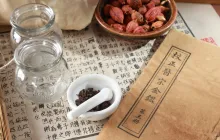
Traditional medical systems around the world have long organized the use of herbs within frameworks that aim to modulate energy, balance, and tissue states. In Ayurvedic practice, herbs are selected not only for their isolated actions but also for their compatibility with an individual’s dosha and the balance of humors, with an emphasis on holistic lifestyle measures that influence inflammation such as digestion, sleep, stress, and daily routines. Traditional Chinese Medicine views inflammation through the lens of heat, dampness, and stagnation, with herbs prescribed to clear heat, resolve dampness, and restore flow in meridians, thereby supporting organ function and immune regulation. In many Indigenous and folk medical traditions, plants are revered for their adapting and harmonizing effects on the body, often used in complex formulations crafted to address specific symptom clusters rather than isolated disease labels. Across these systems, herbs are seldom employed in isolation; they are woven into recipes and regimens that honor the individuality of the person and the ecological context of plant use. In modern clinical conversations, there is growing interest in translating these traditional insights into standardized practices while preserving the nuanced, patient-centered orientation that characterizes ancient wisdom.
Evidence from Research and Clinical Trials
Scientific inquiry into herbal anti inflammatory effects blends laboratory experiments, animal models, and human clinical trials to build a nuanced evidence base. Curcumin from turmeric has been studied in myriad randomized trials addressing musculoskeletal pain, inflammatory bowel disease, metabolic syndrome, and neuroinflammation, with meta-analyses suggesting modest benefits in certain contexts when used appropriately and with attention to bioavailability. Ginger has demonstrated effects on nausea, pain, and inflammatory markers in several studies, though results vary with formulation and patient population. Boswellia extracts have shown potential for reducing symptoms and inflammatory mediators in some inflammatory arthritis and chronic inflammatory conditions, though product quality and standardization remain critical factors. Garlic has been explored for cardiovascular inflammation and cholesterol management, with mixed outcomes that depend on dosage, formulation, and concomitant therapies. Green tea catechins have been linked to reductions in oxidative stress and some inflammatory markers, again with variability across trials. The overall pattern in the literature highlights potential benefits in specific conditions, but also underscores the challenges of heterogeneity in study design, plant standardization, and adaptive human biology. Critics emphasize the need for robust, well designed trials and transparent reporting of composition and quality. The promise of herbal medicine in inflammation therefore rests on thoughtful integration of traditional knowledge, rigorous methodology, and patient centered care that respects individual response and safety considerations.
Safety, Quality, and Interactions
Quality control stands at the heart of safe and effective herbal use. The chemical composition of botanical preparations can vary with plant origin, harvest time, processing methods, and storage conditions, which means that two products bearing the same name may deliver different pharmacological profiles. Adulteration and contamination with heavy metals, pesticides, or misidentified species add additional risk, making guidance from reputable suppliers and third party testing important components of responsible use. Dose and duration of use influence safety, with some herbs generally well tolerated at culinary or traditional doses but capable of producing adverse effects or drug interactions at higher amounts. Interactions with prescription medications are a central safety concern. For example, some botanicals can alter blood clotting, interact with anticoagulants or antiplatelet agents, affect liver enzyme systems involved in drug metabolism, or modify blood sugar and lipid levels. In contexts where people take anti inflammatory drugs or other chronic medications, professional guidance is essential to avoid unwanted synergy or antagonism. Consumers should be mindful of individual allergies, pregnancy status, and existing health conditions, and prefer standardized extracts with clearly labeled contents to better predict effects and safety profiles. Open communication with healthcare providers, including pharmacists and clinicians who understand herbal medicine, is the best path to reduce risk while exploring potential benefits.
Integrative Approaches and Dietary Context
Herbal medicine does not operate in isolation from diet and lifestyle. Anti inflammatory nutrition emphasizes colorful fruits and vegetables, fiber rich foods, healthy fats, and a preference for minimally processed ingredients that carry both micronutrients and bioactive phytochemicals. Many botanicals complement these dietary patterns, offering polyphenols, terpenes, alkaloids, and flavonoids that act synergistically with a broad spectrum of nutrients to support immune regulation and tissue resilience. The plant derived approach commonly favors holistic strategies: balanced meals, mindful stress management, adequate sleep, safe physical activity, and gradual introduction of botanicals within a regimens that considers personal health history. In practice, combining culinary herbs like rosemary, thyme, garlic, and turmeric with more concentrated botanical extracts can be a practical gateway for individuals seeking gradual, integrative inflammation management. Such strategies prioritize quality sources, proper dosing, and ongoing assessment of effectiveness and tolerance, recognizing that inflammation is dynamic and responsive to the total milieu of life, including environmental exposures and psychosocial factors. The resulting approach is patient centered, evidence informed, and adaptable to changing health circumstances without sacrificing respect for traditional wisdom and ecological stewardship.
Future Perspectives and Challenges
The future of herbal medicine in relation to inflammation will likely be shaped by advances in standardization, pharmacokinetics, and systems biology. New methods for characterizing plant constituents, their metabolites, and interactions with human enzymes will improve our ability to predict efficacy and safety. Nanotechnology and novel delivery systems hold promise for enhancing the bioavailability of compounds that otherwise exhibit limited absorption, thereby expanding the practical use of certain botanicals. Personalized medicine concepts may extend into the botanical realm, with treatment strategies tailored to an individual’s genetic makeup, microbiota profile, and inflammatory phenotype. At the same time, there is a continuing imperative to strengthen the rigor of clinical trials, improve reporting standards, and develop consensus on quality assurance for herbal products. An enduring challenge remains balancing respect for traditional practice with the demands of modern evidence hierarchies, and ensuring access to safe, effective, and affordable botanical therapies within diverse healthcare systems. The dynamic field invites collaboration among clinicians, researchers, traditional practitioners, patients, and policy makers to cultivate an approach to inflammation that is as nuanced as the biology itself, anchored in safety, respect for ecological constraints, and a commitment to improving health outcomes for people and communities.