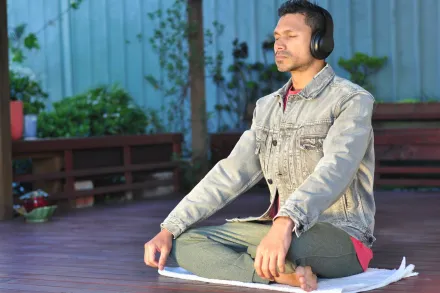
Qi Gong is a practice built around the cultivation and harmonization of life energy, a concept that has guided traditional health systems for centuries. In its essence, Qi Gong invites the practitioner to slow down the pace of ordinary life, to listen to the body, and to learn how to guide breath, attention, and movement in a way that supports a balanced flow of energy. The practice is not about exertion or competition but about alignment, mindfulness, and the graceful coordination of body and mind. When performed with intention, even brief sessions can begin to shift how energy moves through the body, creating a sense of steadiness that extends into daily activities and relationships.
What makes Qi Gong uniquely suitable for balancing energy is its emphasis on three interdependent elements: breath, body, and awareness. Breathing patterns become the gateway through which life energy is invited to circulate, while deliberate, slow movements help open and soothe the pathways through which qi travels. Awareness—an attentive, nonjudgmental observing of sensations, thoughts, and emotional states—acts as a mediator that helps transform reactive responses into measured, grounded responses. Together, these elements form a holistic system that supports resilience, recovery, and metabolic harmony, revealing that energy balance is not a single point of achievement but a continuous practice of alignment.
In the modern world many people experience energy imbalance as a mix of fatigue, irritability, scattered attention, and physical tension. Qi Gong offers tools to gently address these symptoms without the need for drastic change or intense exercise. By focusing on the quality of breath, the precision of postural alignment, and the cadence of movement, practitioners learn to regulate the autonomic nervous system, reduce the physiological effects of stress, and invite a calmer, steadier energy state. This is not a claim of magical cures; it is a description of how slow, mindful, and rhythmic activity can influence the body's rhythms and overall sense of vitality.
The practice also introduces the idea that energy balance is not merely a personal possession but a dynamic relationship with the surrounding environment. Fresh air, a comfortable temperature, supportive postures, and meaningful social connection all influence energy flow. When these conditions are aligned with regular Qi Gong practice, the body and mind can synchronize more efficiently, enabling easier recovery from daily demands and better preparation for the next cycle of activity. In this broader sense, energy balance becomes a lived experience that integrates physical, emotional, and environmental dimensions into a coherent, sustainable pattern of well-being.
For beginners, the pathway to energy balance begins with simple awareness of breath and posture. A few minutes of diaphragmatic breathing, practiced with a sense of ease and non-striving, can begin to calm the nervous system and lower the heart rate variability in a favorable range. When this is paired with soft, flowing movements that enfold the torso and limbs, the sensation of energy circulating more evenly across the torso, shoulders, and pelvis often emerges. This early experience can be surprisingly accessible, offering a taste of balance that invites further practice rather than intimidation.
As the practice deepens, Qi Gong reveals its granular mechanics: the breath works as a pump that helps distribute qi through primary channels or meridians, while the body provides pathways and joints that accommodate the movement of energy. The mind learns to attend to subtle signals such as warmth, tingling, or a sense of spaciousness in the chest or abdomen. Rather than chasing results, the practitioner cultivates a soft curiosity, allowing energy to find its own natural currents and adjusting posture and breath to support that flow. In time, energy balance becomes less about forcing a specific outcome and more about maintaining a receptive stance that keeps the body from calcifying into stiffness or exhaustion.
From a practical standpoint, energy balance in Qi Gong involves creating reserve and resilience. Reserve means having a dependable base of vitality that is available for daily tasks, creative work, and social engagement without feeling depleted. Resilience means the capacity to rebound quickly after stress, illness, or physically taxing activities. Qi Gong helps cultivate both by teaching the body to modulate intensity, to distribute effort across major muscle groups, and to renew energy during pauses in practice. The breathing patterns used in many forms cultivate a relaxed exhale that helps release tension and fosters inner clarity. The slower pace of movement supports joint health, promotes muscle balance, and reduces the wear and tear that can accumulate with hurried, high-velocity activity. The cumulative effect is a more reliable energy baseline that supports long-term health and sustainable living.
One of the most powerful aspects of Qi Gong for energy balance is its gentle approach to functional integration. The movements are designed to be accessible to people of varying ages and fitness levels, making it possible to practice consistently even during periods of fatigue or after an injury. The ability to adapt the tempo, depth, and range of motion ensures that the practice remains inclusive while providing a meaningful stimulus for energy regulation. This adaptability is essential for long-term adherence, which in turn reinforces the stability of energy balance across diverse life circumstances. The result is a practice that can travel with a person through work, family life, and personal development without requiring drastic lifestyle upheaval.
Ultimately, Qi Gong is a path of balance that invites ongoing observation, patience, and gentle refinement. The practice recognizes energy as an evolving system rather than a fixed resource. Each session contributes to the quality of qi in the body, clarifies the intentions of the mind, and stabilizes the breath in a way that nourishes the nervous system and the muscular-skeletal framework. When energy balance becomes a lived reality, people report improved mood, more stable energy across the day, better sleep, and a greater sense of harmony with their surroundings. This holistic shift is not about chasing peak performance but about sustaining a graceful, resilient, and joyful relationship with life’s rhythms.
To begin cultivating balance, it is helpful to approach Qi Gong with a mindset of curiosity rather than force. Practitioners are encouraged to observe how different breathing patterns influence sensation and how small adjustments to posture can shift the distribution of weight and warmth. This gentle inquiry fosters a more nuanced awareness of bodily signals, allowing the practitioner to respond with care rather than resistance. Over time, such responsiveness translates into an increased capacity to regulate energy in the midst of daily challenges, creating a steadier, more harmonious way of moving through life.
Understanding Qi Gong within the framework of energy balance
Qi Gong can be understood as a practical embodiment of energy balance, translating ancient principles into tangible daily practices. The core idea is that life energy flows along a system of channels that permeate the body, similar to rivers that require gentle channels and unobstructed access to keep the water moving. When qi moves freely, vitality feels abundant, digestion supports nourishment, sleep invites rest, and the nerves remain calm enough to respond rather than react. When energy becomes stagnant or obstructed, fatigue, discomfort, or mood fluctuations may arise. The aim of Qi Gong is not only to unblock energy but to cultivate a swelling reserve of energy that can be drawn upon when needed while maintaining ease and grace in everyday movement.
In this sense, energy balance is not a single endpoint but a dynamic equilibrium. It involves balancing sympathetic and parasympathetic activity, regulating the endocrine system through mindful breathing, and aligning muscular tension with the demands of daily life. The practice makes visible how subtle shifts in breath, posture, and attention can ripple through multiple physiological systems, producing a coherent state where digestion, circulation, immune function, and cognitive performance support one another. The imagery used in Qi Gong—moving qi along central and peripheral channels, allowing warmth to rise and settle, encouraging the abdomen to soften—gives practitioners a mental map to guide experience toward balance rather than strain.
From a training perspective, energy balance is reinforced through progressive adaptation. Early sessions emphasize ease, breath awareness, and the establishment of a comfortable baseline. As practitioners deepen, they learn to modulate energy via the breath, the activation of the dantian region, and the distribution of attention. The dantian—often described as an energy reservoir located in the lower abdomen—serves as a focal point for cultivating and guiding qi. By gently aligning intention with physical sensation, the practitioner creates a feedback loop: steadier breath leads to calmer nerves, which supports more open postures, which in turn facilitates more efficient energy flow. This loop becomes self-perpetuating, gradually expanding a sense of balance beyond the mat and into every facet of life.
Real-life experiences of energy balance through Qi Gong often include a noticeable reduction in mood swings, a steadier immune response during seasonal transitions, and a more reliable sense of stamina that does not rely on caffeine or sugar for sustenance. Individuals report feeling more present in their daily tasks, experiencing less mid-afternoon slumps, and responding to stress with measured calm rather than impulsive reaction. These changes may not be dramatic overnight, but over weeks and months they accumulate into a robust, sustainable energy pattern that supports health and longevity. The practice does not erase fatigue; it teaches a more skillful relationship with fatigue, transforming it into a signal that one can manage rather than a force that dominates behavior.
Furthermore, the social and cultural dimensions of Qi Gong practice can reinforce energy balance in meaningful ways. Group practice creates a shared rhythm, amplifying the vibrational quality of breath and movement. Even when practiced alone, the sense of belonging to a lineage and tradition provides a framework for interpretation of energy states that can otherwise feel abstract or inaccessible. This sense of continuity and belonging can contribute to a more stable emotional baseline, reducing the frequency and intensity of reactive states that drain energy. Over time, the interplay of personal practice with a supportive community creates a resilient structure in which energy balance becomes not only possible but enjoyable and personally meaningful.
In summary, the benefits of Qi Gong for energy balance arise from an integrated approach that respects breath, movement, and awareness as interwoven elements. The practice teaches the body to distribute energy more evenly, reduces excessive autonomic arousal, and fosters a calm and attentive mind. It invites a shift from fighting against fatigue toward cultivating a sustainable relationship with energy. As this relationship matures, everyday life becomes less taxing, sleep improves, mood stabilizes, and physical performance finds a steadier baseline. The result is a form of vitality that feels accessible, durable, and harmonious with the rhythms of nature.
Energy balance and the breath: a central mechanism
Breath is the most immediate interface between the conscious mind and the body’s internal environment. In Qi Gong, breathing is used not merely to oxygenate the blood but to regulate the pace and direction of energy flow. Slow, diaphragmatic breathing tends to promote a parasympathetic dominance, which fosters rest, digestion, and tissue repair. This physiological shift translates into a subjective sense of ease, warmth in the torso, and a reduction in muscular clenching. The practice often introduces breath cycles of distinct lengths, inviting the practitioner to observe how different durations influence sensation and mood. With dedicated attention, longer exhalations become a tool to downregulate arousal, while shallower, more rapid breaths can be used judiciously to explore dynamic energy states without losing grounding.
Breath is also linked to proprioception—the sense of body position. As breath flows, it can guide subtle shifts in posture that unlock areas of the spine, chest, and pelvis where tension tends to accumulate. With mindfulness, the practitioner notices where hold patterns persist and gradually softens them through coordinated exhalation with movement. This collaboration between breath and body not only improves circulation and lymphatic drainage but also enhances the nervous system’s efficiency in regulating stress responses. In practical terms, those who learn to breathe with intention often experience fewer headaches, reduced chest tightness, and a better capacity to sustain attention during demanding tasks. The breath becomes a reliable anchor that keeps energy balanced even in the face of disruption.
Beyond the physiology, the breath in Qi Gong carries symbolic meaning. It is seen as the vehicle through which qi enters and leaves the body, a conduit that connects the inner world with the outer environment. The rhythm of inhalation and exhalation mirrors natural cycles such as tides and seasons, reminding practitioners that energy balance is not a static state but a living process subject to the ebbs and flows of life. This perspective can reduce the sense of struggle that sometimes accompanies health efforts, replacing it with a sense of collaboration with nature’s own timing. As practitioners soften into this view, they are more likely to sustain practice and to notice subtle shifts in energy that previously went unobserved.
The role of posture and alignment in energy distribution
Posture is a foundational aspect of Qi Gong because it shapes how energy travels through the body. Proper alignment reduces unnecessary muscular tension, frees joints, and creates open channels for qi to circulate. In many forms, practitioners begin with the feet grounded and the spine lengthened, allowing the crown of the head to rise with a sense of lightness rather than strain. Shoulders soften, the jaw relaxes, and the breath begins to move with less resistance. This structural configuration supports the abdominal region, which serves as a reservoir and control point for energy. When the torso remains soft and upright, the diaphragm can function more effectively, the rib cage can expand gently, and the abdominal cavity can participate more fully in the breathing process.
As energy moves more freely through the spine and torso, a subtler reorganization occurs at the level of the nervous system. The brainstem, responsible for regulating autonomic functions, benefits from a state of steady respiration and reduced muscular tension. The result is improved communication between brain and body, with slower reaction times and more deliberate, considered responses to stimuli. The practitioner begins to notice a reduction in chronic stiffness in the neck and shoulders, a sense of steadiness in the hips and pelvis, and a more resilient gait. This holistic improvement in posture supports daily activities, from sitting at a desk to walking in the park, reinforcing energy balance as a natural outcome of proper alignment.
In addition, postural training in Qi Gong often involves gentle, purposeful micro-musions of the body that integrate breath with movement. These micro-adjustments help to mobilize joints and release fascia, promoting a more supple tissue state that can adapt to varying activities. The overall effect is an increased range of motion without compromising stability, which is critical for sustaining energy over the long term. People who incorporate mindful alignment into their daily routine frequently report less back pain, improved core support, and a sense that energy can flow more evenly from the feet through the legs, up the spine, and out through the arms, creating a balanced, holistic feel throughout the entire body.
Posture in Qi Gong is not an aesthetic ideal but a functional instrument. It is about cultivating ease, openness, and readiness. When alignment is optimized, energy can traverse the body more smoothly, and the risk of energy stagnation in any single area is reduced. This translates into a more homogeneous sense of vitality, where no region feels chronically depleted or overworked. The broader implication is that energy balance becomes accessible to people with diverse body types and levels of fitness, as the emphasis remains on ease and sustainable practice rather than on perfect form or extreme exertion.
Movement as a vehicle for energy balance
The movement component of Qi Gong is characterized by slow, deliberate actions that often resemble a flowing meditation in motion. Rather than high-intensity repetitions, the movements emphasize continuity, control, and the felt sense of moving energy. Each motion is designed to stretch, open, and cultivate balance across joints and muscle groups while coordinating with the breath. This approach encourages the body to release stored tension, particularly in the shoulders, hips, and lower back, regions commonly associated with energy blockages and fatigue. In practice, the body becomes a vessel in which energy can circulate with less resistance, allowing qi to circulate through major pathways and nourish the tissues.
The slow pace also permits a heightened awareness of internal states. Practitioners can notice how even minor changes in tempo or arc of a movement alter sensation in the torso or limbs. This experiential learning helps build a personal map of energy dynamics, enabling individuals to adjust their practice to their current needs. When energy feels sluggish, one can lengthen an exhalation, soften a joint, or extend a movement to encourage greater circulation. When energy feels buoyant but scattered, a shorter, more rhythmic sequence can help consolidate the flow and bring the system into a harmonious cadence. The result is a flexible practice that can adapt to fatigue, stress, or high demands without losing its core capacity to balance energy.
As practitioners progress, movements often focus on opening the chest, relaxing the abdomen, and guiding qi through central channels such as the spine and the chest cavity. These actions improve the distribution of energy to essential organ systems and reinforce the body’s natural detoxification processes. The energy-rich state that follows these movements is accompanied by a sense of warmth and clarity that can persist beyond the session. The body learns to integrate the sensations of energy with a calm, steady breath, creating a foundation for sustained vitality across the day. The practice thereby supports a lifestyle in which energy balance becomes part of everyday efficiency and resilience rather than a sporadic event reserved for occasional sessions.
In addition to physical benefits, movement in Qi Gong fosters proprioceptive accuracy and body awareness, which contribute to a safer return to daily activities after stress or injury. The slow, mindful tempo reduces the risk of overexertion and encourages a gentle re-education of movement patterns that may have become habitual and inefficient. This re-education supports long-term energy balance by ensuring that energy is used efficiently and redistributed where it is most needed. The repeated experience of energy neutrality during movement can build confidence, encouraging practitioners to pursue healthier habits in other areas of life, including nutrition, sleep hygiene, and social connection, all of which reinforce energy balance over time.
Forms and styles that emphasize energy balance
There are many styles and forms of Qi Gong, each with its own emphasis on energy balance. Some traditions highlight slow, meditative routines that focus on breath and gentle joint mobilization, while others present more dynamic sequences that still retain the core principle of steady distribution of energy. Regardless of the specific form, the underlying aim is to cultivate a balanced qi within a framework of safe movement, breath control, and mindful attention. The variety of forms allows practitioners to select practices that feel resonant, accessible, and sustainable, ensuring that energy balance becomes a regular feature of life rather than a rare event.
Within the spectrum of practices, some forms place particular attention on the lower abdomen as a reservoir of energy, while others emphasize chest openness and upper body circulation. The choice often depends on individual needs: someone seeking to ease digestive discomfort or fatigue may benefit from practices that emphasize the lower abdomen and pelvic floor, whereas someone dealing with chest tightness, poor breath, or anxiety may gravitate toward sequences that expand the chest and promote diaphragmatic breathing. A well-rounded routine can incorporate elements from multiple forms to address diverse energy patterns, creating a comprehensive portfolio of techniques for energy balance that is adaptable to different times of day, seasons, and life circumstances.
In academic and clinical contexts, practitioners often adopt a pragmatic approach: they learn a core set of movements and principles, then tailor their practice to their personal response and progression. This customization maximizes safety and effectiveness, ensuring that the energy balance achieved through practice reflects the individual’s current physiology and life demands. The adaptability of Qi Gong forms is a strength, enabling practitioners to maintain regular practice even when time is limited or when rehabilitation from injury requires modification. The result is a durable, personal toolkit for energy balance that remains accessible across the lifespan.
Another important dimension is the social and cultural context in which forms are learned. Group classes can create a supportive rhythm and provide feedback on posture, breath, and energy flow. Even when practicing alone, individuals can draw on instructional resources that emphasize safety cues, alignment, and pacing, which helps sustain a healthy relationship with energy. The cultivation of a mindful community around Qi Gong contributes to the emotional resonance of practice, supporting ongoing engagement and reinforcing the sense that energy balance is a shared, meaningful goal rather than a solitary or isolated pursuit.
Breathing patterns and energy balance: practical guidance
Implementing effective breathing patterns is central to achieving energy balance through Qi Gong. A practical starting point is diaphragmatic breathing, where the abdomen gently expands on the inhale and softens on the exhale. This technique tends to slow the breath, reduce muscular tension, and promote a calm internal atmosphere. Pausing briefly after the exhale before starting the next inhale can further enhance the relaxation response, increasing the parasympathetic influence and supporting energy restoration. With continued practice, more elaborate breathing sequences can be introduced, such as coordinated inhalation through the nose, a gentle pause, and a smooth exhalation through the mouth or nose, depending on comfort and form.
The pacing of breaths in Qi Gong forms is rarely hurried. Even when performing repeated sequences, the emphasis remains on maintaining a steady, unforced rhythm. The consistency of breathing supports stable energy circulation, making it easier to observe how different postures or movements influence energy flow. As practitioners cultivate this awareness, they may notice that certain postures naturally encourage deeper diaphragmatic breathing, while others invite a lighter breath. Such insights guide the selection of forms and the sequencing of practice to optimize energy balance for the individual.
Breathing is always paired with movement in Qi Gong, and the synchronization of breath with motion is a key determinant of energy distribution. Coordinating inhalations with the expansion of the chest and abdomen during specific movements and exhalations with the release and softening of the torso helps to create an expansive, energy-rich state. This synergy reduces fragmentation of energy, minimizes abrupt fluctuations, and fosters a sense of continuity that underpins resilience during daily activities. The habit of pairing breath with slow, deliberate motion becomes a reliable resource for maintaining balance even when external circumstances are challenging.
In practice, beginners can benefit from short sequences that emphasize gentle, full-body engagement and mindful breath. As the body becomes familiar with the pattern, practitioners can gradually introduce longer holds, deeper expansions, and more nuanced chest and pelvic floor engagement. The progression should always respect the body’s signals, prioritizing comfort and safety over intensity. The goal is not to push beyond capacity but to invite energy to move in a coordinated, sustainable manner that supports overall balance and well-being over time.
In addition to improving energy balance, mindful breathing in Qi Gong has downstream benefits for cognitive function and mood regulation. Regular practice has been associated with reductions in perceived stress, improvements in sleep quality, and better focus during daytime tasks. While these outcomes can vary among individuals, the overarching theme is that breath-centered Qi Gong provides accessible strategies to support mental and emotional equilibrium, reinforcing the link between respiratory control, energy dynamics, and the quality of daily life.
Physical health benefits linked to energy balance
Beyond the subjective sense of vitality, Qi Gong supports physical health through mechanisms that relate closely to energy balance. Improved circulation delivers oxygen and nutrients more efficiently to tissues while helping to remove metabolic wastes. This supports tissue repair and reduces fatigue in muscles and organs, contributing to a more robust baseline of energy. Additionally, the gentle movements promote joint lubrication and muscle balance, reducing the accumulation of stiffness and the strain that often accompanies sedentary behavior. When joints are healthier and muscles are balanced, daily tasks require less energy for the same level of performance, freeing energy to allocate to other important activities.
Another important health component is immune function. While Qi Gong is not a substitute for medical treatment, a calmer nervous system and reduced chronic stress can modulate immune responses in beneficial ways. Regular practice is often associated with improved resilience to infections, quicker recovery from illness, and better tolerance to environmental stressors. The energy savings realized through these physiological changes can accumulate over time, supporting a more sustainable level of health throughout the seasons and life transitions. In addition to immune support, Qi Gong training can influence metabolic processes by encouraging better regulation of autonomic activity, which helps to stabilize energy availability and reduce fluctuations in energy that can occur with irregular sleep or inconsistent routines.
Another facet of energy balance relates to digestion and nutrient utilization. The abdominal area, tied to the qi reservoir in many traditions, plays a central role in processing energy from food. Qi Gong movements that gently mobilize the torso and promote diaphragmatic breathing can improve gut motility and reduce tension in the abdomen, which in turn supports a more efficient digestive process. A balanced digestive system contributes to steadier energy since nutrient absorption and assimilation function more predictably. This synergy makes Qi Gong a potential complement to dietary strategies focused on promoting steady energy levels and long-lasting fullness without swings in blood sugar or mood.
Breath, posture, and movement also influence musculature and skeletal alignment, which has downstream effects on energy efficiency. When the body moves in a coordinated fashion, muscles work more efficiently, reducing unnecessary fatigue from awkward postural compensations. This efficiency is especially important for people who spend long hours in sedentary occupations or who engage in repetitive tasks that can create muscular imbalances. By restoring balance to the musculoskeletal system, Qi Gong helps conserve energy and enhances the capacity to engage in meaningful activity without excessive exhaustion.
These physical benefits are often accompanied by improvements in balance and coordination, reducing the risk of falls and injuries, particularly in older adults. A stable gait and coordinated movements contribute to a greater sense of independence and confidence in daily life. With increased energy efficiency comes the possibility of expanding one’s activity repertoire, exploring new hobbies, or maintaining a consistent exercise routine that supports long-term health without compromising energy balance. The cumulative effect is a lifestyle where vitality feels reliable, enabling richer engagement with work, family, and personal interests.
Emotional and psychological aspects of energy balance
Energy balance is not solely a physical phenomenon; it is deeply connected to emotional and psychological states. Qi Gong emphasizes a nonjudgmental, compassionate stance toward one’s experiences, which reduces internal resistance and cultivates steadiness of mind. The practice often invitations a gentle receptivity to emotional fluctuations, allowing them to pass with less reactivity. This shift can decrease the frequency and intensity of stress responses, thereby preserving energy that would otherwise be expended in ruminative thought or emotional upheaval. Over time, this emotional regulation contributes to a more stable energy baseline, enabling clearer decision-making and more sustainable self-care choices.
Mindfulness in Qi Gong supports a more accurate interpretation of bodily signals. Rather than interpreting tension as a failure or as something to be forced away, practitioners learn to notice it with curiosity and kindness. This shift reduces the tendency to clamp down on energy in order to avoid discomfort, which often paradoxically consumes more energy. By cultivating a calm, patient awareness, the practitioner can modulate effort and pace in a way that protects and gradually expands energy reserves. The net effect is a balanced emotional climate that reinforces physical vitality and resilience in the face of daily stressors.
Socially, Qi Gong practice can enrich emotional life by fostering a sense of connection and shared intention. Group practice creates a resonant energy field that can lift mood and invite a sense of belonging, while individual practice supports personal autonomy and self-reliance. Both dimensions contribute to energy balance by reducing social and psychological drains and by promoting compatibility between inner states and outward behavior. In this way, energy balance becomes a symphony of physical, emotional, and social harmony that supports a more vibrant and satisfying life.
The perspective of Qi Gong on mental health aligns with contemporary understandings of energy balance as a biopsychosocial phenomenon. The practice recognizes that mood, cognition, and energy are interwoven and that improvements in one domain can propagate benefits across the others. By cultivating breath control, postural alignment, and mindful attention, practitioners create a foundation that supports cognitive clarity, emotional stability, and social ease. The outcome is a more resilient mind that can sustain energy across the complexities of modern life, making it easier to pursue goals, navigate relationships, and maintain health over the long term.
Sleep, recovery, and energy balance
Sleep is a fundamental pillar of energy balance, and Qi Gong has a recognized role in improving sleep quality through mechanisms that involve the nervous system, breathing, and muscle relaxation. Practices that emphasize slow, deep breathing and quiet internal awareness can help reduce the hyperarousal that interferes with sleep onset and maintenance. When the body enters a state of calm and the breath becomes slow and regular, the physiological demand on the heart and adrenal system often decreases, facilitating a more natural progression into restorative sleep. This improved sleep, in turn, replenishes energy stores, supporting more balanced energy during waking hours.
Recovery from physical exertion or stress is another domain where Qi Gong demonstrates its value for energy balance. Gentle, rhythmic movements can accelerate the return to baseline after activity by promoting circulation, lymphatic flow, and tissue repair without triggering excessive sympathetic arousal. The practice thus complements more vigorous forms of exercise by providing a pathway to actively support recovery while maintaining mindful control over energy expenditure. The capacity to recover efficiently is a major component of energy balance, ensuring that energy resources are not depleted by repeated bouts of strain and that vitality remains available for the next-day demands.
Moreover, Qi Gong can be a proactive tool for sleep hygiene. The routine of daily practice, especially when performed in the hours leading up to bedtime, can help set a stable circadian rhythm, signaling to the body that it is time to unwind. The ritual quality of a consistent practice fosters reliability and predictability, which are supportive of restful sleep. A well-regulated sleep pattern reduces daytime fatigue and enhances cognitive function, mood, and overall energy balance. When sleep is supported by an ongoing Qi Gong routine, the daily energy cycle becomes smoother and less prone to disruptive fluctuations.
It is important to recognize that individual responses to Qi Gong vary, and sleep improvements may require time and consistent practice. Some people may notice rapid benefits, while others experience gradual changes as energy balance slowly shifts. Patience, consistency, and a gentle approach to progress help ensure sustainable outcomes. As with any health-oriented practice, it is wise to seek guidance from qualified instructors, especially when dealing with chronic conditions or preexisting medical concerns. With thoughtful care, Qi Gong can become a reliable ally in achieving and maintaining energy balance across life’s many stages.
Diet, environment, and lifestyle integration
Energy balance through Qi Gong does not exist in isolation; it is enhanced by attentive choices in diet, environment, and daily routines. A balanced qi life often includes a diet that emphasizes whole foods, adequate hydration, and mindful eating practices. While Qi Gong itself does not prescribe a strict diet, many practitioners observe that nourishing meals that stabilize blood sugar and support digestion harmonize with the energy regulation processes promoted by practice. When meals are eaten with awareness and in a relaxed setting, the body can digest more efficiently, allowing energy to be allocated to renewal rather than to processing stress signals. This alignment between practice and nourishment reinforces energy balance and fosters a sustainable sense of well-being.
Environment plays a larger role than one might expect. Clean air, comfortable temperature, and a space free of excessive noise or distraction contribute to the ease of practice and the body’s ability to regulate energy. Exposure to fresh air brought by safe outdoor practice or well-ventilated indoor settings supports oxygenation and the nervous system’s regulatory capacities. A listed interior environment that respects the needs of the practitioner—for example, minimal clutter, pleasant lighting, and ergonomic seating—further reduces the cognitive load associated with energy management. When the environment supports calm and focus, energy balance is easier to maintain and the practice more enjoyable and sustainable.
Lifestyle choices that harmonize with Qi Gong principles—regular wake times, mindful breaks during the day, and deliberate periods of rest and recovery—can magnify energy balance. The practice encourages people to listen to the body’s rhythms rather than pushing through fatigue. This awareness leads to smarter scheduling, more effective use of energy, and a reduction in energy drains caused by chronic overexertion. A lifestyle oriented toward balance supports ongoing practice, creating a positive feedback loop in which Qi Gong reinforces habits that further stabilize energy and vitality.
Underpinning this integration is the recognition that energy balance is a developmental process. It requires patience and consistency, as well as a willingness to adjust to changing life circumstances. The mastery of energy balance through Qi Gong emerges as a dynamic state that evolves with practice, experience, and personal growth. A well-rounded approach combines physical movement, breath work, and grounded awareness with prudent lifestyle choices, resulting in a resilient energy system that can adapt to the inevitable fluctuations of life while remaining fundamentally balanced and healthy.
Safety, guidelines, and how to begin
Beginning a Qi Gong journey with an eye toward energy balance involves practical steps designed to maximize safety and benefit. It is prudent to start with a qualified instructor who can tailor practice to individual needs, especially for those with chronic conditions or injuries. A gentle introduction that emphasizes breath, posture, and calm attention helps build a solid foundation before introducing more advanced forms or longer sessions. Early sessions should prioritize ease and comfort, avoiding strain in the neck, shoulders, or back, and focusing on smooth, continuous movement that respects the body’s limits.
As practice continues, it is important to listen to the body and adjust accordingly. Pain is a signal to ease off or modify the movement, while fatigue may indicate the need for rest or a shorter practice that day. A simple approach is to begin with a few minutes of diaphragmatic breathing followed by a short sequence of easy movements, then ending with stillness and breath awareness. Over time, practitioners can gradually extend the duration of practice and gradually incorporate more complex forms if their body and energy state permit. The emphasis should always be on safety, comfort, and sustainable progress rather than rapid advancement.
A practical safeguard is to avoid working through sharp pain, dizziness, chest tightness, or unusual shortness of breath during or after practice. If any of these symptoms occur, it is wise to pause, assess, and consult with a healthcare professional as needed. For individuals with medical conditions, especially those affecting the heart, lungs, or joints, medical clearance is recommended before beginning any new movement discipline. Informed supervision helps ensure that energy balance is pursued in a way that respects personal health status and maximizes safety and benefit.
To begin at home, one might choose a simple routine that emphasizes diaphragmatic breathing, gentle neck and shoulder relaxation, a few arm circles, and a basic waist and spinal twist. The aim is to cultivate a sense of ease and steady energy rather than to achieve spectacular results. Keeping a practice journal can support this process by providing a gentle record of how energy, mood, and sleep respond to different routines. Over time, the journal becomes a tool for understanding personal energy patterns, guiding the selection of forms, and optimizing the balance between rest and activity to support overall health and vitality.
Integrating Qi Gong into daily life
One of the most valuable aspects of Qi Gong is its adaptability to everyday life. Short, frequent practice sessions can be woven into work breaks, morning routines, or evening wind-down periods, providing continuous support for energy balance throughout the day. The key is consistency and a willingness to pause and reconnect with breath and posture during moments of fatigue or stress. Even a few minutes of practice can reset the nervous system and offer a reset that helps sustain energy for the remainder of the day.
In addition to formal practice, the principles of Qi Gong—mindful breathing, careful attention to posture, and gentle, flowing movement—can be applied to routine tasks. For example, when standing in line or waiting, one can take a minute to perform soft chest openers and diaphragmatic breaths, aligning the body and calming the mind. During commutes or desk work, brief micro-movements and breath-checks maintain energy balance and prevent energy collapse from chronic sitting. This integrative approach ensures that energy balance is not something divorced from life but a living, embodied practice that informs choices, behavior, and personal rhythm.
Ultimately, the practice of Qi Gong for energy balance invites a philosophy of sustainable living. It asks practitioners to slow down, to listen to the body, and to respond with care rather than urgency. It encourages a daily ritual that reinforces the body’s natural rhythms, supports emotional steadiness, and fosters a clear sense of purpose. By weaving Qi Gong into the fabric of life, energy balance becomes a continuous, enjoyable journey rather than a sporadic intervention, transforming health from a goal into a reliable and nourishing way of being.
In close, the benefits of Qi Gong for energy balance emerge as a coherent tapestry of physiological, psychological, and lifestyle effects. Breath-driven regulation nurtures nervous system calm; mindful movement invites energy to circulate freely; and attentive posture supports structural alignment and efficient energy use. Together, these elements create a resilient energy system capable of withstanding the challenges of modern life while sustaining vitality, clarity, and well-being. The result is not only improved stamina but a deeper sense of harmony with oneself and the world, a quiet confidence that energy, when cared for with patience and consistency, can remain balanced across decades and through many seasons of life.