Origins and principles of Reiki
Reiki is a tradition that traces its roots to early twentieth century Japan, and its modern form presents a gentle framework for approaching well being through the sense that life energy flows through and around the human body. Within this tradition, practitioners speak of a universal life force that can be channeled through the hands to support balance, harmony, and relief from distress. The names and symbols that are part of training are less important than the experiential quality of attention, nonjudgmental presence, and an intention to ease suffering. Pain, in this view, is not only a purely physical sensation but a signal that the body and mind are out of balance, and Reiki is offered as a modality that can help restore a sense of calm and spaciousness around that signal. It is not framed as a cure for disease in itself, but as a supportive modality that can lessen tension, modulate the stress response, and support the body’s adaptive capacities when used alongside conventional medical care. The emphasis on noninvasiveness, the absence of manipulation, and the respectful observation of consent are central to its philosophy. When a practitioner places hands in positions near the body or rests them lightly on the skin, the aim is to create a warm, receptive field in which physiological processes can align with psychological states that favor healing. In this sense Reiki is anchored in a holistic view of pain, recognizing that physical symptoms often interact with sensory experience, emotional context, and cognitive appraisal, and offering a space in which those dimensions may be addressed in a coordinated, compassionate manner.
Historically, Reiki arose from a lineage of practitioners who described energy healing as a practice of attunement and clear intention rather than a manipulation of anatomy. The practice invites a respectful stance toward the patient’s experience, acknowledging that even the act of being listened to and held in attention can alter the perception of pain. In clinical conversations, many patients report that Reiki sessions create a settling of the nervous system, an ease of muscle tension, and a shift in the subjective meaning attached to pain. Some clinicians appreciate Reiki as a complement to standard care because it does not involve pharmacological intervention, is generally safe when delivered by trained practitioners, and can be aligned with medical procedures or rehabilitation programs without introducing harm or risk. The emphasis on presence, breathing, and gentleness makes Reiki a potential adjunct in environments where high levels of stress and pain co-occur, offering a quiet space for the body to recalibrate its stress response and for individuals to reconnect with a sense of agency in their healing journey.
How Reiki is practiced for pain relief
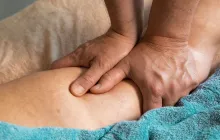
In a typical setting, a Reiki session unfolds within a calm and private space where the client remains clothed and comfortable, and the practitioner works with a respectful boundary that safeguards privacy and dignity. The hands may be placed on specific areas of the body or held a short distance away, depending on the client’s comfort, symptom profile, and the therapeutic intent agreed upon prior to the session. The process is guided by consent, listening, and an awareness of the patient’s physical cues and emotional responses. The practitioner’s near-body or distant touch is designed to be unobtrusive, allowing pain signals to soften as the body shifts into a more relaxed state, often accompanied by slower breathing and a reduction in muscle guarding. In the context of acute pain or painful medical procedures, Reiki can be offered as a gentle stabilizing presence that supports the patient’s coping strategies and can be incorporated into a broader multimodal approach without conflicting with established medical protocols. A key feature of Reiki practice is that it does not impose outcomes or force sensations; rather it invites an experiential shift toward ease, which can indirectly influence pain perception through relaxation, distraction, and emotional regulation. It is common for patients to report a sense of warmth, tingling, or a subtle movement of attention that allows them to observe pain with less judgment, creating a mental and physiological environment in which healing processes may engage more effectively.
To maximize safety and integrity, practitioners emphasize clear communication, continuous consent, and the option to pause or stop the session at any time. The practice can be delivered in person or remotely, with the understanding that intention, focus, and connection can transcend physical distance. In remote sessions the practitioner may guide the client through breathwork or visualizations while maintaining a steady field of attention, which can still influence autonomic regulation and subjective pain experience for some individuals. The noninvasive nature of Reiki, along with its adaptability to different clinical settings and patient preferences, positions it as a flexible tool for pain management that respects patient choice and integrates with the care plan already in place from physicians, physical therapists, nurses, and other care providers.
Potential mechanisms and scientific perspectives
From a scientific viewpoint, pain is understood as a complex experience shaped by nociceptive signaling, neural processing, cognitive appraisal, mood, and contextual factors. Reiki may exert its effects through several interacting pathways that align with this biopsychosocial model. One plausible mechanism is the promotion of a relaxation response, which is associated with reduced sympathetic nervous system activity, slower heart rate, lowered muscle tension, and improved blood flow to soft tissues. By fostering a calm physiological milieu, Reiki can attenuate the sensory intensity of pain and the emotional charge that accompanies it. A second mechanism involves attention and expectancy. When a patient experiences intentional, compassionate contact and a focused calming environment, the brain’s predictive coding about pain can shift, potentially decreasing perceived threat and altering the sensory-discriminative aspect of pain. Third, the social-therapeutic context provided by a Reiki session can influence endogenous neurochemistry, including the release of endorphins and other neuromodulators that modulate pain perception and mood. Even if these effects are modest in magnitude, they can be clinically meaningful when layered with evidence-based pain management strategies. It is important to emphasize that Reiki is not presented as a replacement for biomedical treatment but as a complementary approach that can be integrated into a comprehensive plan designed to address both physical symptoms and psychological well-being. Some researchers highlight the role of expectancy and placebo alongside genuine physiological responses; others emphasize the importance of patient-centered care and the therapeutic relationship as active ingredients that contribute to pain relief outcomes. In clinical notes, clinicians may report improvements in sleep, reductions in muscle spasm, and a more favorable attitude toward rehabilitation tasks following Reiki sessions, which are outcomes that can indirectly support pain management goals.
From a neurobiological perspective, the connection between relaxation and pain modulation is well recognized, and the autonomic balance achieved through calming practices can enhance parasympathetic activity. This state supports tissue repair processes and reduces inflammatory signaling in ways that might influence chronic pain trajectories over time. The experiential qualities of Reiki—mindful attention, compassionate presence, and a safe space to attend to discomfort—also align with psychological interventions such as mindfulness-based approaches, which have demonstrated benefits for pain management in diverse populations. While Reiki operates with its own distinct conceptual framework, the overlap with these established mechanisms invites careful inquiry into how it might be most effectively combined with evidence-based strategies to optimize patient outcomes. It remains essential to distinguish between anecdotal reports and data derived from controlled studies, and to interpret any observed effects with an awareness of potential biases, the placebo phenomenon, and the prevailing clinical context in which a patient seeks relief from pain.
Evidence and research on Reiki for pain
Research on Reiki and pain management spans a range of study designs, from small pilot trials to larger systematic reviews, and the findings have been cautiously interpreted within the broader literature on mind–body interventions. Some randomized controlled trials report modest reductions in pain intensity and improvements in related symptoms such as anxiety and sleep disruption. In other investigations, the observed effects on pain are less pronounced or fail to reach statistical significance when compared with control conditions. A critical pattern across many studies is the limited sample size, which reduces statistical power and can magnify the influence of individual differences in expectations, practitioner style, and the therapeutic environment. Methodological heterogeneity—differences in Reiki training, session duration, whether hands-on or hands-off approaches were used, and the type of pain being studied—further complicates the interpretation of results. Meta-analyses often conclude that Reiki may offer small to moderate benefits as a complementary intervention, particularly for subjective experiences of pain and distress, but they also emphasize the need for rigorous trial design, standardized protocols, and robust control groups to disentangle placebo effects from specific therapeutic components. Importantly, safety data across studies generally indicate that Reiki is well tolerated, with few adverse events reported, reinforcing its suitability as a noninvasive adjunct in a multimodal pain management plan. Critics argue that the evidence base remains underpowered and susceptible to bias, calling for larger, well-designed trials that incorporate objective outcome measures alongside patient-reported data and qualitative insights into the healing experience. Clinicians who consider Reiki as part of pain management should do so with a clear understanding of the current evidence base, a commitment to patient safety, and an openness to ongoing learning as research evolves.
Beyond randomized trials and systematic reviews, qualitative research adds depth by exploring patient experiences, expectations, and personal narratives around Reiki for pain. These studies illuminate how individuals interpret relief, the meaning they attach to a healing encounter, and how Reiki sessions may influence coping strategies, daily functioning, and perceived control over pain. Even when quantitative effects are variable, a subset of patients report meaningful improvements in their ability to engage in activities they value, enhanced mood, and a lowered sense of threat associated with ongoing discomfort. Such insights emphasize that the value of Reiki in pain management may extend beyond numerical scores on a pain scale, contributing to quality of life and the broader experience of healing within a supportive care framework.
Reiki in chronic pain conditions
Chronic pain presents unique challenges because it often persists beyond the typical healing window and becomes intertwined with emotional and functional impairment. In conditions such as low back pain, osteoarthritis, fibromyalgia, neuropathic pain, and cancer-related pain, Reiki is sometimes explored as part of a comprehensive, patient-centered care plan. Patients may seek Reiki to reduce tension, break cycles of catastrophizing, improve sleep, and regain a sense of agency in daily activities. While responses are heterogeneous, many individuals describe gradual shifts in their relationship to pain rather than abrupt elimination of symptoms. This pattern aligns with the understanding that chronic pain involves long-standing neural networks and learned coping strategies; through relaxation, renewed attention to body sensations, and a shift in emotional reactivity, Reiki can contribute to a more manageable pain experience and a greater willingness to engage in rehabilitation or lifestyle modifications. In clinical practice, Reiki is frequently offered as part of supportive care alongside physical therapy, education about pain neuroscience, and pharmacological strategies, allowing patients to tailor a multimodal approach that resonates with their preferences and values. Ethical practice in chronic pain contexts underscores the importance of ongoing evaluation, transparent communication about expectations, and careful documentation of patient-centered outcomes that reflect meaningful improvements in function and well-being as well as pain intensity.
Integrating Reiki with conventional pain management
Successful integration of Reiki into conventional pain management begins with clear communication among patient, practitioner, and the broader care team. Clinicians appreciate when Reiki is presented as a complementary option that does not replace medically necessary interventions but can enhance tolerability of treatments, reduce anxiety surrounding procedures, and support adherence to rehabilitation plans. Shared decision making becomes essential when considering Reiki as part of an individualized care plan, balancing patient preference with evidence, safety considerations, and practical constraints. In practice, Reiki providers may consult with physicians or nurses to identify any contraindications, such as acute medical instability, and to coordinate timing with procedures or therapies that require patient stillness. The safety profile of Reiki supports its use in diverse settings, including hospitals, clinics, rehabilitation centers, or community wellness spaces, provided that practitioners maintain professional boundaries, obtain informed consent, and refrain from presenting claims that exceed the evidence base. Within medical environments, Reiki can be framed as a supportive measure that reduces stress responses, fosters relaxation, and facilitates engagement in therapeutic tasks, while ensuring that urgent medical care remains the priority for acute pain or emergent conditions. This collaborative approach acknowledges the multifaceted nature of pain and the value of blending evidence-based therapies with individualized, person-centered care.
From a practical standpoint, therapists and clinicians emphasize the importance of client education about what Reiki can and cannot do, setting realistic expectations, and monitoring outcomes over time. Documentation may include subjective reports of pain quality, intensity, and interference with daily life, along with objective measures where appropriate, enabling a coherent record that can inform ongoing care decisions. As the care landscape evolves, professional dialogues about scope of practice, credentialing, and ethical conduct remain central, ensuring that Reiki is offered with integrity and respect for patient autonomy. When integrated thoughtfully, Reiki sessions can contribute to a broader strategy aimed at reducing the physical burden of pain, fostering psychological resilience, and supporting the patient in reclaiming participation in valued activities despite ongoing discomfort.
Ethical and cultural considerations
Ethical practice in Reiki emphasizes informed consent, noncoercion, and respect for diverse belief systems. Patients should be given clear information about what Reiki involves, including its complementary nature, typical session structure, and the lack of endorsement for cures beyond those supported by biomedical science. Clinicians and Reiki practitioners should remain transparent about the level of evidence supporting the modality for different pain conditions, avoiding definitive claims that could mislead or disappoint. Cultural sensitivity is also important, acknowledging that interpretations of energy, healing, and the mind–body connection vary across traditions and individuals. Practitioners must navigate these perspectives with humility, honoring each person’s worldview while staying anchored in safety and professional boundaries. In healthcare settings, it is essential to avoid implying that Reiki supersedes conventional treatments or discouraging standard medical care, particularly when pain may reflect serious pathology requiring diagnostic evaluation or urgent intervention. Accountability, supervision, and ongoing professional development support high standards of care and help ensure that Reiki is offered in a manner that respects patient dignity and autonomy.
Additionally, equitable access to Reiki services is a consideration in many communities. Practitioners and healthcare organizations strive to reduce barriers related to cost, availability, and cultural appropriateness so that individuals from diverse backgrounds can explore Reiki as part of their pain management options if they choose. By maintaining clear ethical guidelines, robust consent processes, and a patient-centered orientation, Reiki can be offered as a humane and compassionate option that aligns with the overarching goal of reducing suffering while upholding the principles of professional responsibility and patient rights.
Training and credentialing of Reiki practitioners
Training pathways in Reiki typically involve progressive levels that emphasize both technique and ethical practice, with attunements or initiations that practitioners describe as opening channels through which energy may flow. The journey often includes formal coursework, supervised practice, and opportunities for feedback, culminating in certifications that indicate a practitioner’s readiness to work with clients in approval of professional standards. Credentialing frameworks vary, and this variability can influence public perception and clinical adoption. In some contexts, practitioners are affiliated with established schools or lineages, which can provide a sense of lineage continuity and a defined training arc. In other settings, independent practitioners may operate with standardized codes of ethics and ongoing professional development requirements. Regardless of the pathway, it is vital that Reiki providers maintain a focus on client safety, obtain informed consent, respect boundaries, and refrain from making health claims that extend beyond what is supported by evidence. For patients and clinicians, understanding the training background of a Reiki practitioner can foster trust and ensure alignment with the patient’s care goals and values.
Quality assurance also extends to considerations such as sanitation of spaces, professional demeanor, and responsiveness to patient discomfort or concerns during a session. Ongoing education may include updates on best practices, research findings, and evolving guidelines for integrating complementary therapies within conventional medical frameworks. Patients benefit from having access to practitioners who are clear about their scope of practice and who work collaboratively with health care teams to ensure coherence of care, safety, and respect for the patient’s overall treatment plan. The goal of credentialing is not to gatekeep care but to promote a standard of excellence that supports patient welfare and trust in the therapeutic relationship. In this sense, Reiki education and practice contribute to a culture of mindful care that privileges patient experience, ethical conduct, and responsiveness to the evolving needs of those who live with pain.
Case narratives and patient experiences
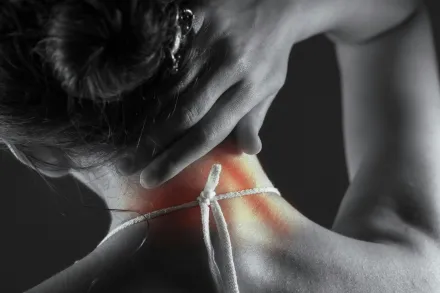
Across diverse individuals, Reiki experiences related to pain management are deeply personal and frequently nuanced. Some patients describe a gradual softening of tension in the neck and shoulders after sessions, reporting that the body feels more spacious and less defensive in response to persistent discomfort. Others recount improved sleep quality and a renewed sense of agency, noting that even when pain persists, the way they relate to it changes—instead of fighting against the sensation, they experience a compassionate pause that reduces fear and reactivity. There are also accounts of short-term relief when paired with other therapies, such as physical therapy or mindfulness training, where Reiki serves as a bridge that helps a patient engage more fully in rehabilitation activities. While not everyone will notice a pronounced analgesic effect, many individuals emphasize the value of being treated with dignity, kindness, and nonjudgmental presence, which can itself be healing and can enhance engagement with ongoing treatment plans. Patient stories point to a shared theme: healing is multidimensional, and the experience of care matters as much as measurable outcomes when it comes to chronic or recurrent pain conditions. In clinical discussions, these narratives support a patient-centered approach that honors personal meaning and the subjective nature of pain while remaining aligned with evidence-informed practice.
In addition to personal narratives, clinicians often observe changes in mood, coping strategies, and openness to activity after Reiki sessions, even when objective pain scores remain relatively stable. These observations highlight the importance of looking beyond a single metric and recognizing the broader effects on functioning and quality of life. When patients feel heard and supported, they may be more willing to adhere to exercise regimens, adopt sleep hygiene practices, and utilize relaxation techniques that can contribute to long-term pain management. The human dimension of care—empathy, presence, and respectful listening—emerges as a meaningful contributor to the therapeutic milieu surrounding pain, and Reiki sessions frequently serve as a conduit for such meaningful engagement between patients and their care networks.
Challenges and criticisms
Critics of Reiki and other energy-based therapies often highlight the need for rigorous evidence, pointing to inconsistencies across studies, potential biases, and the challenge of isolating specific therapeutic effects from contextual and psychological factors. The debate frequently centers on whether observed improvements in pain are primarily due to placebo effects, expectancy, relaxation, or other non-specific mechanisms, or if there is a distinct energy-based action at play beyond these factors. Proponents argue that even if placebo or non-specific mechanisms account for part of the benefit, the patient experience, analgesic tolerance, and functional gains achieved through Reiki can still be clinically valuable, especially when integrated with other evidence-based modalities. A practical challenge is ensuring accurate communication about what Reiki can and cannot accomplish, avoiding overpromising outcomes, and maintaining ethical standards in marketing or referral practices. Additionally, some healthcare settings may have constraints related to reimbursement, scheduling, and alignment with institutional policies, which can influence the availability and scalability of Reiki as part of pain management programs. Addressing these concerns requires ongoing dialogue among researchers, clinicians, educators, and patients to delineate appropriate use cases, establish safety norms, and advance research that can clarify mechanisms and outcomes in diverse populations and pain conditions.
Despite these challenges, many patients report meaningful experiences that reinforce the value of compassionate care and the therapeutic relationship. As the field evolves, there is growing interest in standardizing outcome measures that capture patient-centered improvements in pain interference, sleep, mood, and daily functioning, as well as integrating qualitative assessments that illuminate the personal meaning of healing encounters. By maintaining scientific rigor while honoring patient narratives, the field can continue to refine the role of Reiki within a holistic, integrative approach to pain management that respects both the science of pain and the art of human connection as essential ingredients of healing.
Future directions and research gaps
Looking ahead, researchers and clinicians are calling for more rigorous investigations that deliberately address methodological challenges, including blinding, control conditions, standardized treatment protocols, and adequate sample sizes across diverse patient populations. Trials that incorporate objective measures of physiological responses alongside validated pain scales can help elucidate potential mechanisms and refine understanding of where Reiki may have the strongest impact. There is also a clear interest in exploring the interaction between Reiki and other evidence-based treatments, such as cognitive-behavioral therapy for pain, pharmacologic management, physical therapy, and mindfulness-based stress reduction, to determine how best to combine modalities for maximal patient benefit. Advances in neuroimaging and biomarker studies may shed light on the neural networks and biochemical pathways that respond to tranquil, focused touch and intention, offering a more nuanced account of how Reiki fits within contemporary pain science. In clinical practice, researchers and practitioners alike advocate for standardized training, clear ethical guidelines, and transparent reporting so that patients and providers can make informed choices based on a robust and evolving evidence base. The conversation around Reiki and pain management thus continues to move toward a collaborative framework in which patient welfare, scientific curiosity, and compassionate care converge to improve lived experience for those navigating pain in its many forms.
Ultimately, the role of Reiki in pain management rests on a commitment to patient-centered care, safety, and respectful integration with conventional medicine. By offering a noninvasive, adaptable, and compassionate option within a broader therapeutic ecosystem, Reiki can contribute to reducing suffering, supporting coping, and enhancing engagement with treatment plans. The journey of pain relief is often intricate and personal, and within that complexity, Reiki can serve as a gentle ally that honors the person behind the pain while remaining aligned with professional standards, ethical practice, and an evolving scientific understanding of how best to relieve suffering across diverse settings and populations.