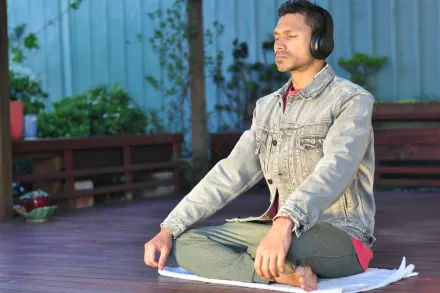
In the modern world where the pace of life often feels unrelenting, the practice of mindfulness meditation offers a path to calmer mental terrain and a steadier bodily response to the pressures that accumulate in daily life. Mindfulness, at its core, is the intentional cultivation of nonjudgmental attention to the present moment. It invites a curious and compassionate stance toward experience, whether that experience comes as a thought, a feeling, a sensation in the body, or an external event. This approach does not erase stress or deny its reality, but it changes how a person relates to it, creating space between stimulus and reaction, which in turn reduces the harm that stress can inflict over time. When practiced consistently, mindfulness becomes a scaffolding that supports clear perception, steadier emotion, and a more resilient nervous system. The benefits are not merely abstract ideas; they show up as tangible changes in how a person responds to stress, how quickly emotional charge fades, and how attention can be reoriented toward what is most needed in a given moment. The practice also carries a gentle wisdom that stress is a universal experience, something that can be observed, understood, and managed with care rather than fought against, and this mindset itself reduces the habitual amplification of stress that often accompanies daily life.
What Mindfulness Is and How It Differs from Other Techniques
Mindfulness is distinct from simple relaxation techniques because it emphasizes ongoing, present-mocused awareness rather than merely seeking relief from tension. While techniques such as progressive muscle relaxation or guided imagery can be helpful in the short term, mindfulness trains a meta-skill: the ability to notice what is happening in the moment without becoming consumed by it. This distinction matters because stress often operates by pulling attention into an anxious future or a rumination about the past, creating a loop that sustains physiological arousal. Mindfulness interrupts that loop by teaching observers to return to the breath, to bodily sensations, or to the sensory environment with a sense of curiosity and kindness. In this sense, mindfulness is not about blanking the mind or forcing a particular state; it is about accepting what is present with equanimity and yet choosing how to respond with greater clarity. The practice gradually reveals the difference between instinctual reactivity and intentional response, a revelation that yields more effective coping strategies and a greater sense of agency in the face of stress.
The Link Between Mindfulness and the Stress Response
The human stress response is a complex cascade that involves the brain, the autonomic nervous system, and hormonal signaling. Mindfulness meditation interacts with this system by stabilizing attention and reducing the intensity of automatic emotional reactions. Repeated cycles of mindful attention can dampen the overactivation of the amygdala, the brain region associated with fear and threat detection, while strengthening connections in networks related to executive function and emotional regulation. This neurobiological shift translates into a cooler physiological profile during stressful moments: slower heart rate, steadier blood pressure, shallower muscular tension, and a more measured breath. Over time, mindfulness training can alter baseline levels of stress hormones and improve the body’s capacity to recover after stressors, a process known as autonomic balance. The cumulative effect is not a single dramatic change but a quiet, persistent improvement in how the body and mind coordinate under pressure, enabling a person to meet challenges with more ease rather than with a reflexive sprint into alarm or avoidance.
Physiological Benefits of Mindfulness in Stress Reduction
When mindfulness becomes part of daily life, physiological systems adjust in concert with mental shifts. Mindfulness practice is associated with reductions in chronic inflammation markers, improvements in insulin sensitivity, and better regulation of cardiovascular function, all of which are relevant to episodes of distress that may accumulate over weeks or months. The breath, acting as a bridge between mind and body, often shifts from shallow, erratic patterns to deeper, steadier cycles. This enables more efficient gas exchange, better oxygen delivery to tissues, and a reduction in the perception of fatigue that can accompany prolonged stress. In addition to these systemic changes, mindfulness appears to influence autonomic balance by enhancing parasympathetic nervous system activity, which fosters rest, repair, and regeneration. This constellation of effects contributes to a sense of steadiness that supports daytime functioning, improves sleep quality, and lowers the likelihood that stress will spiral into a chronic pattern with physical consequences.
Psychological and Emotional Benefits
Beyond the body, mindfulness reshapes the inner landscape of experience. A core benefit is the increased capacity to observe thoughts and feelings without becoming fused with them. This decoupling reduces the impact of negative self-talk, rumination, and catastrophic thinking that often accompany stress. Practitioners report greater emotional clarity, which allows them to distinguish between a momentary mood and a lasting sense of self-worth. With practice, emotional impulses become less impulsive, enabling more strategic choices rather than immediate reactions. This enhanced emotional regulation supports greater patience, empathy, and resilience in interpersonal situations, especially when conflicts or tight deadlines intensify stress. The inward calm created by mindful attention also invites savoring of small moments and a more robust sense of meaning, which can buffer the corrosive effects of chronic stress and contribute to a more hopeful outlook on daily life.
Mindfulness Meditation Practices for Everyday Stress
Effective mindfulness for stress does not require dramatic ritual; it often thrives in simple, consistent practices that can be integrated into ordinary routines. A foundational practice involves a gentle, steady focus on the breath, noticing each inhale and exhale as an unhurried cycle that anchors attention. When distractions arise, as they inevitably do, the goal is not to suppress them but to acknowledge them with a brief note of awareness and to return the focus to the breathing pattern. A body scan can be used to cultivate awareness of physical sensations, from the crown of the head to the tips of the toes, inviting a compassionate acknowledgment of tension, warmth, or dull sensations without judgment. In daily life, mindful listening during conversations translates into deeper connection and reduces the misinterpretations that often fuel stress. The practice can also take the form of short periods of mindful walking, where attention is directed to the movement of the feet, the contact with the ground, and the rhythm of the pace. Another common approach is labeling, a technique where one names experiences such as thoughts, feelings, or urges in an unobtrusive, nonjudgmental way, creating a cognitive distance that makes stress easier to observe and manage. The variability of approaches means a practitioner can tailor a routine to personal preferences, making it more likely that mindfulness becomes a sustainable habit rather than a temporary experiment.
Integrating Mindfulness into Daily Life
The true power of mindfulness emerges not solely in formal sitting sessions but in how it colors the lens through which everyday events are perceived. When stress emerges in the workplace, mindfulness can help a person pause before replying, consider the intent behind a colleague’s remarks, and choose a response that maintains collegiality and clarity. In home environments, mindful routines can smooth transitions between tasks, reduce automatic reactivity with family members, and foster a climate of patience. The integration process often involves selecting cue moments in the day—for example, after waking, before meals, or during a commute—to practice brief, focused awareness. Each moment is an opportunity to respond rather than react, to observe rather than to judge, and to cultivate a posture of self-compassion that buffers the sting of stress. Over months, these micro-practices accumulate into a lifestyle shift in which attention, emotion, and behavior align more harmoniously with personal values, thereby reducing the toll that stress typically takes on well-being and performance.
Mindfulness Across Different Age Groups and Settings
Mindfulness benefits extend across the lifespan and vary in the particulars of application, yet the underlying mechanism remains consistent: attention trained in the present moment alters the way stress is experienced and managed. For children, mindfulness can support focus, emotional literacy, and social interaction, reducing anxiety and improving classroom behavior without resorting to punitive measures. For adolescents, it offers a toolkit for navigating identity formation, peer pressure, and academic demands, helping them regulate emotions that may otherwise escalate into distress. In adults, mindfulness supports workplace well-being by increasing concentration, reducing burnout, and enhancing capacity for collaborative problem solving. For older adults, mindfulness can ease the experience of chronic pain, improve sleep, and foster a sense of connection and purpose. Settings as diverse as hospitals, schools, community centers, and corporate environments can accommodate mindfulness programs by adapting the language, pace, and context to fit the audience while preserving core principles of attentive awareness and compassionate acceptance.
Common Challenges and How to Sustain Practice
A realistic mindfulness journey includes obstacles, from fluctuating motivation to the appearance of resistant thoughts or the sensation that practice is not producing immediate results. Rather than abandoning the practice, a mindful approach to these challenges invites curiosity and flexibility. When motivation wanes, it helps to reduce the length of sessions, reframe expectations, and reconnect with the core reasons for practicing, whether it is improved sleep, better mood, or calmer decision making. If thoughts become loud or intrusive, returning to the breath or a sensory anchor can help regain the sense of ground. When progress seems slow, reframing success as the ability to notice patterns without being overwhelmed by them fosters a gentler, more sustainable progress. Maintaining a regular schedule, coordinating practice with daily routines, and acknowledging small improvements can sustain momentum. Importantly, a supportive environment, accessible guidance, and realistic goals contribute to longevity in mindfulness practice, as does cultivating a nonjudgmental stance toward both effort and outcome. In time, the practice tends to become a natural second habit rather than a task to complete, and this soft integration is often where the deepest stress relief emerges.
Scientific Evidence and What It Means for You
A growing body of research connects mindfulness meditation with meaningful changes in brain function, physiology, and subjective experience. Studies consistently show reductions in perceived stress, improvements in mood regulation, and enhanced cognitive flexibility, which enables people to switch perspectives and strategies more readily in demanding situations. Neuroimaging research points to changes in neural networks involved in attention, self-awareness, and emotion processing, suggesting that mindfulness can reshape the very circuitry that governs stress responses. Clinical trials reveal benefits for a range of conditions linked to stress, including anxiety, depression, insomnia, and chronic pain, though the effects can vary depending on the individual, the depth of practice, and the consistency of engagement. While science continues to refine its understanding, the practical takeaway remains clear: mindfulness offers a reliable, accessible, and low-risk approach to reducing stress and enhancing well-being, with effects that accumulate with regular use and adapt to the unique needs and contexts of each person who adopts it.
The journey into mindfulness is a personal expedition into awareness, and its rewards extend beyond reduced worry or faster recovery from stress. By training attention to remain anchored in the present moment, individuals often discover a reserve of calm that was there all along but obscured by habitual reactivity. This reserve supports better decision making, more compassionate interactions, and a sense of stability that can withstand the winds of uncertainty. Mindfulness does not claim to erase the realities of life or the seriousness of challenges; rather, it offers a practical framework for noticing what is happening with honesty and kindness, choosing responses that align with long-term goals, and gradually reshaping the relationship with stress so that it becomes a manageable element of life rather than a controlling force. In this light, mindfulness can be understood as a lifelong skill, a companion that grows with each moment of practice and deepens with continued experience, yielding a richer sense of presence, resilience, and overall well-being that can transform many facets of daily living.