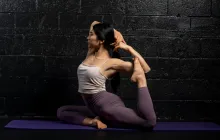
Yoga is a practice that blends mindful movement, controlled breathing, and focused attention into a single cohesive activity that can transform both the body and the mind. Its origins stretch across ancient traditions, yet its relevance remains vibrant in modern life where people seek balance, resilience, and a more functional range of motion. When approached with patience and consistent intention, yoga offers a pathway to increased flexibility and enhanced strength that supports everyday tasks, athletic goals, and long term health. The fabric of this journey is not about chasing extreme postures or dramatic feats, but about gradually expanding the natural limits of the joints, connective tissues, and muscles while cultivating steadiness of the nervous system and clarity of breath. This integrated approach helps people move with less effort, reduce stiffness, and experience a sense of steadiness that permeates daily activities, work, and recreation. In that sense flexibility and strength are deeply interconnected partners, each reinforcing the other as practice becomes more regular and attentive. The message is simple yet powerful: yoga can be a practical ally for people of diverse ages and fitness backgrounds who want to augment mobility without sacrificing stability or control, and it does so through a careful cultivation of alignment, breathing, and muscular engagement that respects the body's natural rhythms.
Understanding flexibility and strength
Flexibility and strength are two facets of physical capacity that influence how smoothly the body can express movement under varied demands. Flexibility describes the available range of motion in joints and tissues, including muscles, tendons, ligaments, and fascia, while strength refers to the ability of muscles to generate force and maintain control through a range of activities. In yoga, flexibility is not simply about bending further; it is about increasing the pliability of soft tissues and the tolerance of joints to expression within a safe and sustainable range. Strength, on the other hand, is developed through sustained engagement, controlled resistance, and the alignment principles that keep joints protected while muscles work. The synergy between these two qualities is essential for functional performance. When flexibility improves, movement becomes more efficient and less compensatory, which can reduce the risk of injury. When strength improves, the body gains the capacity to hold positions, stabilize the spine and joints, and perform dynamic actions with greater precision. The beauty of yoga is that it often nurtures both aspects simultaneously through balanced sequencing that invites lengthening and contraction in a mindful manner, reinforcing the nervous system’s capacity to regulate movement with calm focus and coordinated breath. In practical terms this means that a practice which alternates between longer held stretches and controlled strength poses can create a more adaptable body that is resilient in daily life and athletic endeavors alike.
Mechanisms by which yoga affects tissues
Yoga exerts its influence on the body's tissues through a combination of mechanical loading, tissue remodeling, and neurological conditioning. When a stretch is held at a safe edge for a period of time, the connective tissues surrounding joints gradually adapt by making intrinsic length adjustments and reorganizing their internal fibers, a process that contributes to improved range of motion. Regular practice also affects the muscular system by promoting balanced development across agonist and antagonist muscles, which supports joint health and reduces patterns of stiffness that arise from imbalanced use. In addition to physical changes, yoga influences the nervous system by enhancing proprioception, which is the awareness of where the body sits in space, and by dampening the fight or flight response that can accompany intense training. This neural recalibration helps practitioners experience movement with greater ease and less perceived effort. A further mechanism involves fascia, the network that wraps muscles and organs, which can respond to rhythmic loading by increasing gliding between layers and reducing friction during movement. The combined effect of these processes is a body that can move through its ranges with more control, a mind that remains calm under load, and tissues that become more resilient to handling stress over time. The practical upshot is that consistent practice gradually shifts the baseline of tissue behavior so that ordinary activities require less compensatory effort and everyday tasks become smoother and more comfortable.
Flexibility through sustained mobility
One of the central themes in yoga’s approach to flexibility is sustained, mindful mobility rather than fast, aggressive stretching. The practice invites you to explore edges of comfort with patience, gradually increasing the duration of holds and the breadth of positions you explore. This approach helps to lengthen the muscles without triggering excessive tension or microtrauma. Over weeks and months, connective tissues adapt to longer holds by increasing compliance and reducing resistance, which translates into a more spacious feeling in areas such as the hips, shoulders, spine, and hamstrings. The breath plays a crucial role here; slow, diaphragmatic breathing tends to regulate the nervous system and signals the muscles to release more readily into the stretch. In addition, the connective tissue network surrounding the muscles—fascia—responds to slow, repetitive loading by allowing smoother gliding between layers, which supports a coordinated expansion and retraction of tissues with movement. This subtle physiological choreography creates a lasting shift in how joints move within their natural ranges and contributes to a sense of freedom and ease in daily activities, from bending to tie shoelaces, reaching overhead, or stepping over obstacles with greater confidence.
Strength development through isometric and dynamic poses
Strength in yoga grows through both isometric holds and dynamic transitions that recruit multiple muscle groups in tandem. Isometric postures such as planks, boat poses, or steady lunges train the muscles to sustain tension without shortening excessively, building endurance and stability around the joints. Dynamic sequences, on the other hand, involve moving from one pose to another in a controlled flow, which engages muscles through a broader range of angles and speeds. This combination supports functional strength by pairing neuromuscular coordination with tangible resistance in a controlled environment. The practice emphasizes maintaining proper alignment and engaging the core, which stabilizes the spine and creates a solid foundation for upper and lower body actions. Regularly encountering moderate loading through bodyweight movements helps bones maintain density and joints cope with demands. The outcome is a body that can generate power in meaningful ways while preserving mobility and control, rather than merely increasing raw muscle size without functional integration. For many practitioners, strength built in this way feels accessible, resilient, and sustainable across activities, as it develops from the inside outward rather than from external load alone.
Breath work and the nervous system
Breath is not merely a supplementary technique in yoga; it is a central mechanism that orchestrates movement, reduces tension, and modulates the brain’s response to physical challenge. Slow, deliberate breathing patterns activate the parasympathetic branch of the nervous system, which calms the body, lowers heart rate, and allows muscles to release with greater ease. This tranquil state supports more effective stretching and stronger engagement because the body is less prone to protective guarding. Conversely, when the breath becomes erratic or shallow, the sympathetic system may dominate, leading to tension and restricted range of motion. Through practical practice, individuals learn to synchronize the inhale and exhale with the rhythm of movement, which creates a rhythmic cadence that guides muscles through transitions and stabilizes the spine. This ongoing breath-movement dialogue enhances proprioception, giving practitioners a clearer sense of control and timing in each pose, a key factor in safely expanding flexibility and increasing strength. Over time, the nervous system learns to respond to familiar patterns with greater efficiency, which can translate into improved performance in other activities, clearer focus during tasks, and a more resilient attitude toward physical stress.
Designing a yoga routine for flexibility and strength
Creating a balanced yoga practice involves intentionally combining flexibility work with strength training in a way that respects the body’s limits and promotes progressive loading. A well designed routine begins with a warm up that invites gentle movement through the joints and wakes up the nervous system, followed by a sequence that alternates between longer held stretches and more dynamic, strength oriented poses. The structure typically includes a flowing section that builds heat and coordination, a standing series that emphasizes leg and core stability, and a floor segment that supports opening of the hips, spine, and shoulders while strengthening the back and core muscles. It is important to maintain awareness of alignment cues such as keeping the spine lengthened, the ribcage gently knitted together, and the shoulders broad and relaxed. The pacing should feel steady rather than rushed, with pauses that allow breath to settle and tissues to adapt to new ranges. Regularly revisiting foundational postures ensures that flexibility and strength gains are built on solid biomechanical principles, which reduces the likelihood of compensation or overuse. This thoughtful approach makes yoga a reliable partner for people seeking to improve mobility without sacrificing control or stability, whether they are returning from an injury, recovering from sedentary periods, or aiming to complement a sport or active hobby.
Integration with other activities
Yoga does not replace other forms of training; rather it complements them by addressing aspects of movement that can be neglected in specialized programs. For athletes and active individuals, yoga provides a framework for balanced development, teaching the body to move with awareness and to recover more effectively between sessions. The flexibility gained through routine stretches and controlled holds can enhance range and technique in sports that require precise joints alignment, such as running, cycling, or climbing. The strength built in yoga tends to emphasize isometric endurance and postural control, which can support endurance activities and reduce the risk of overuse injuries. When integrated with cardiovascular training and sport specific drills, yoga helps maintain mobility around the joints, lengthens tissues that tend to stiffen after repetitive motion, and fosters a habit of mindful recovery that sustains performance over the long term. The overall effect is a more well rounded physical profile that can adapt to diverse activities, staying resilient even as training loads change or seasonality affects the training plan. The philosophy behind this integration centers on sustainable practice, listening to the body's signals, and weaving sensory awareness into every movement so that improvements are not just measured in the mirror but felt in wider ranges of motion and steadier strength under real life conditions.
Safety, adaptation, and listening to the body
Safety is a core principle in any movement practice, and yoga is no exception. Adapting poses to accommodate varying levels of flexibility, strength, and experience helps prevent strain and supports gradual progress. The practice should always begin with a clear assessment of present capabilities and an honest acknowledgement of what the body can do today. Modifications such as using props, reducing the range of motion, or building from simpler variations can keep the body protected while still delivering meaningful gains. Paying attention to the breath is a practical indicator of safety; if a posture causes sharp pain, dizziness, or a sense of losing control, it is a sign to back off and revise the approach. As the body becomes more comfortable in certain positions, it is possible to gently increase the challenge, but this should be done with patience, depth of awareness, and a readiness to regress if needed. A responsible practice respects the limits of joints and connective tissues, avoids pain during discovery, and keeps the experience aligned with the long term goal of health and vitality rather than chasing immediate pressure to advance. This mindful constraint becomes a source of steadiness and confidence that supports ongoing progress and reduces the likelihood of setbacks that interrupt the journey toward greater flexibility and strength.
Common myths and misconceptions
There are many ideas about yoga that can mislead beginners or seasoned practitioners alike. Some people assume that yoga is only for those who are already flexible or that it will lead to dramatic changes overnight. In reality, flexibility improves gradually through consistent practice, and the strength gains come from sustained engagement of the muscles in alignment with breath and posture. Others may fear that yoga will destabilize the joints or cause injuries; with correct guidance, appropriate progression, and attentive listening to the body, the risk can be minimized, and the practice becomes a gentle form of self care that yields tangible benefits. Some believe that yoga slows down athletic performance or does not build real power; in truth, the practice develops functional strength, core stability, and neuromuscular coordination that can enhance performance in many sports. By replacing myths with evidence from personal experience and mindful observation, practitioners can approach yoga with openness, curiosity, and a long view that respects both flexibility and strength as complementary processes that support a balanced, capable body.
Long term benefits for daily living
The advantages of cultivating flexibility and strength through yoga extend far beyond the mat. Everyday activities such as standing for long periods, carrying groceries, playing with children, or performing routine maintenance around the home become easier and safer as joints move through larger ranges with control and tissues stay supple. A flexible spine and hips can reduce stiffness in the back, contributing to better posture and less fatigue during the day. Strength gains, especially in the core, back, and hips, translate into improved posture, reduced load on the joints, and greater stability when navigating uneven surfaces or abrupt changes in direction. The nervous system learns to coordinate movement with efficiency, which reduces energy waste and conserves stamina for longer periods of activity. Beyond physical changes, yoga nurtures a sense of awareness, patience, and compassion toward the body, fostering a healthier attitude toward practice, rest, and recovery. This holistic shift often leads to better sleep, improved mood, and a more resilient mindset that eases stress and enhances overall quality of life. In this sense yoga becomes a sustainable lifestyle choice rather than a temporary workout, empowering people to move with confidence, grace, and intention for many years to come.
As the practice settles into routine, the body reveals a new level of ease that is visible in posture, breath, and movement. Muscles that once felt tight gradually loosen as their connective tissue and sensory pathways learn to respond more gracefully to incoming demands. Joints that were hesitant begin to participate more fully in the range of motion, and the mind becomes more attuned to subtle cues from the body. The journey rewards consistency, attention to alignment, and the willingness to listen when the body speaks through sensation rather than pushing blindly toward a predetermined goal. In this way yoga offers a compassionate framework for growth that honors both the limits and the potential of the body, guiding practitioners toward a state where flexibility and strength harmonize to support a healthier, more vibrant life. The quiet confidence that develops from regular practice permeates daily routines, enabling people to approach tasks with steadier breath, steadier posture, and steadier intention, which ultimately enhances overall well being and freedom of movement across a wide spectrum of activities.