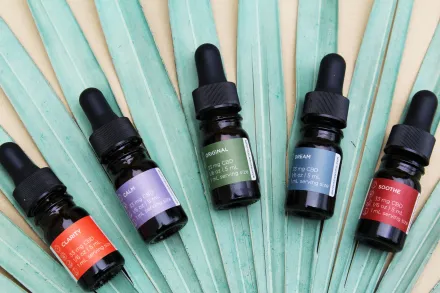
Essential oils have traveled a long path from traditional apothecaries to contemporary wellness routines, bringing with them a fragrance that many associate with clarity, balance, and a sense of well being. While their aromatic properties can uplift mood and support relaxation, their physical interactions with the skin are a separate realm of benefit. The skin is not only a barrier between the inside and outside world; it is a dynamic organ that responds to environmental stress, hormonal cycles, and everyday exposures. When used thoughtfully, essential oils can complement a balanced skincare approach by supporting skin barrier function, modulating inflammation, and addressing specific concerns such as uneven texture or dryness. Yet with this potential comes responsibility: essential oils are potent plant compounds that require respect, knowledge of dilution, and an understanding of individual skin sensitivities. This article explores how essential oils interact with the skin, which oils tend to be most beneficial in common situations, and how to use them in a way that respects both science and personal care.
At their core, essential oils are concentrated extracts derived from parts of aromatic plants, including flowers, leaves, bark, roots, and peels. The chemistry contained within each oil is complex, consisting of hundreds of molecules that contribute to fragrance, volatility, and biological activity. When applied to the skin, these molecules can interact with skin cells, receptors, and the surface microbiome in ways that may influence redness, hydration, and the appearance of texture. The method of extraction, the plant source, and the purity of the oil all influence how an essential oil behaves once it touches the skin. A fundamental principle to keep in mind is that essential oils are not miracle cures; they are concentrated tools that work best when integrated into a gentle, consistent skincare philosophy. They can enhance a routine that already emphasizes cleansing, hydration, sun protection, and a healthy lifestyle, but they should be used with care and discernment rather than as a one size fits all solution.
Another critical element is the concept of synergy. In nature, constituents rarely act in isolation. In essential oils, molecules such as terpenes, esters, alcohols, and ketones can produce additive, complementary, or even antagonistic effects depending on their balance. This means that the choice of oil, the dilution ratio, and the carrier vehicle together shape the final experience on the skin. For example, one oil might offer anti-inflammatory support, while another might promote nourishment and moisture retention. Combined thoughtfully, these oils can address multiple facets of skin health in a single routine. However, synergy also means that potency matters: a high concentration of an irritant component in an oil or an inappropriate carrier can lead to irritation, especially for sensitive or compromised skin. The resulting picture is nuanced rather than simplistic, requiring patience, observation, and a willingness to adjust based on how skin responds over time.
From a historical perspective, essential oils have been used across cultures for centuries to care for the skin and to support healing processes. This long-standing human relationship with plant-based remedies offers a cultural and empirical context that many find reassuring. Modern dermatology and cosmetic science work to understand these traditional practices through a lens of safety, research, and standardized guidelines. This synthesis of knowledge enables deeper conversations about which oils are best suited for particular concerns and how to implement them responsibly. When used with what clinicians describe as a sensible margin of safety—proper dilution, patch testing, and attention to photosensitivity—essential oils can be part of a skin health strategy that honors both tradition and contemporary understanding.
It is important to recognize that the skin is diverse, and what benefits one person may not suit another. Individual differences in skin type, cultural practices, geographic altitude, climate, and even seasonal changes can alter how skin responds to essential oils. A dry, weather-exposed face, for instance, may benefit from nourishing oils that help restore lipids and improve barrier function, while a more resilient or oily complexion might respond to lighter formulas that balance sebum without clogging pores. Sensitive skin presents its own set of considerations, including higher likelihood of irritation or an increased risk of irritant reactions to certain compounds. The responsible use of essential oils involves acknowledging these variations and choosing options that align with personal needs, rather than applying broad generalizations or following hot trends. In practice, this means taking time to observe how skin reacts to a new oil, adjusting dilution and frequency, and ensuring that the overall routine remains simple and supportive rather than overwhelming or harsh.
In the sections that follow, the focus remains on practical guidance that can be woven into everyday skincare with intention. The aim is not to promote a single magic oil but to illuminate how the right oils, used with care, can contribute to a more resilient and radiant complexion. The discussion emphasizes how essential oils fit within a comprehensive skincare plan that prioritizes cleanliness, hydration, balanced nutrition, sun protection, and restful sleep. When these foundations are in place, essential oils can become a meaningful addition—offering fragrance, potential anti-inflammatory and antioxidant benefits, and a sense of ritual that supports consistent care over time. The practical suggestions that follow are designed to be adaptable to different routines, budgets, and skin types, encouraging experimentation, mindful listening to the skin, and responsible sourcing of high-quality products that align with personal values and safety standards.
What are essential oils and how do they interact with the skin
Essential oils are not water-based extracts; they are lipophilic, meaning they dissolve well in fats and oils rather than in water. This physical property explains why they are typically used in conjunction with carrier oils or added to emulsified formulas rather than applied neat on most people’s skin. When administered through dilution, essential oils mingle with the surface lipids that act as a protective barrier, and their constituents can influence cellular processes in the outermost layers of the skin and, to a lesser extent, deeper layers. The skin’s absorption pathways allow a portion of the oil’s molecules to penetrate the stratum corneum and interact with keratinocytes, immune cells, and local microbiota. There is ongoing debate about how deeply essential oils penetrate and how significantly they affect dermal biology, but the consensus in dermatology supports that skin responses are influenced by concentration, exposure duration, and the presence of other ingredients in the formulation. It is also clear that some oils possess antimicrobial properties that can support protection against certain surface microbes when used appropriately, while others provide hydration through emollience and by supporting barrier lipids that reduce transepidermal water loss. These interactions are most effective when the oils are part of thoughtfully designed formulas rather than isolated, concentrated applications that do not consider dermal tolerance or existing skin conditions.
The concept of barrier support is central to understanding how essential oils can benefit the skin. The skin barrier relies on lipids such as ceramides, cholesterol, and free fatty acids to create a cohesive, water-retaining layer. Some essential oils contribute components that can modulate lipid synthesis or influence the activity of enzymes involved in barrier maintenance. Others contribute anti-inflammatory molecules that may reduce redness or discomfort associated with environmental irritants or mild eczema-like symptoms. Yet, it is crucial to recognize that barrier health is multifactorial, influenced by hydration levels, environmental humidity, and the presence of surfactants in cleansers. Therefore, while certain oils can help polish the surface of the skin and reduce transepidermal water loss when paired with appropriate carriers, they do not replace the essential foundation of a gentle cleansing routine, a non-irritating moisturizer, and sun protection. The goal is to use essential oils as supportive adjuncts, not as replacements for well-proven skincare fundamentals.
From a microbiome perspective, the skin hosts a diverse community of microorganisms that contribute to barrier integrity and immune function. Some essential oils have antimicrobial spectrum effects that can influence this balance. In some cases, this can be beneficial by reducing overgrowth of certain opportunistic organisms or mitigating surface inflammation associated with bacterial colonization. In other contexts, indiscriminate antimicrobial activity could disrupt the healthy microbiome if used too aggressively or without regard to dilution and exposure. The best practice is to apply oils in a way that respects the natural microbial ecosystem of the skin, focusing on gentle formulations, balanced pH, and minimal disruption to the skin’s sensitive ecosystems. In practice, this means prioritizing oils known for being well tolerated at low dilutions, avoiding harsh irritants in the same mixtures, and monitoring skin’s response over several weeks before expanding usage to other areas or concerns.
In summary, essential oils interact with the skin through a combination of barrier-related effects, anti-inflammatory action, antimicrobial activity, and sensory modulation. They are not a monolithic group; individual oils carry distinct profiles that can be leveraged to address specific skin needs. Because the same oil can behave differently across individuals and contexts, learning to select oils based on skin type, sensitivity, and the presence of particular concerns becomes a practical skill. It is this skillful selection, paired with appropriate dilution and compatible carriers, that unlocks the potential of essential oils to support skin health in a manner that feels customized rather than generic.
With this framework in mind, the next sections delve into the most widely recognized properties of essential oils relevant to skin health, and how those properties translate into everyday routines. By focusing on the bodily reactions and real-world usage patterns, the discussion moves from theory to practice, offering guidance for those seeking to enhance their skincare with mindful, informed choices rather than trend-driven experimentation.
Key properties of essential oils that benefit skin
One of the strongest reasons people turn to essential oils for skin health is their anti-inflammatory potential. Inflammation is a common thread in many skin concerns, from mild irritation after a windy day to more persistent conditions such as acne or dermatitis. Certain oils contain constituents that interact with signaling pathways in skin cells, helping to reduce redness, swelling, and tenderness. When these oils are correctly diluted and applied, they can provide a soothing effect that supports calm, even-toned skin. The experience can be enhanced by pairing anti-inflammatory oils with gentle moisturizers that restore barrier lipids and by avoiding irritants that may exacerbate inflammatory responses in sensitive individuals. The result can be a skin surface that feels more comfortable and looks more even, particularly after exposure to environmental stressors or after physical activity that increases perspiration and potential irritation.
Antimicrobial activity is another frequently cited benefit of essential oils. Some oils exhibit broad-spectrum effects against bacteria, yeast, and fungi commonly found on the skin surface. This can be particularly relevant for individuals dealing with localized breakouts, minor scalp infections, or occasional fungal irritations in skin folds. However, it is essential to approach this property with nuance. The goal is not to create a harsh antiseptic environment that disrupts the natural balance of microbes but to support a healthier surface where beneficial microbes can thrive. This often means using such oils in modest dilutions and within formulations designed to maintain a proper hydration level and barrier integrity. As with other properties, the efficacy of antimicrobial action depends on concentration, exposure time, and the presence of other ingredients that may synergize or dampen the effect.
Antioxidant capacity is a third pillar in the skin-friendly profile of certain essential oils. Oxidative stress from environmental factors such as UV radiation, pollution, and lifestyle stressors can contribute to aging signs and surface dryness. Oils rich in phenolic compounds and terpenes can help neutralize reactive oxygen species to some extent, supporting a more resilient look and feel. The practical implication is not to rely solely on essential oils for protection against photoaging but to integrate them as part of a broader strategy that includes daily sun protection, a balanced diet rich in antioxidants, and a skincare routine that emphasizes hydration. When antioxidants are delivered through oils, it is important to consider the stability of the formulation and storage conditions since light and heat can degrade some constituents. Using opaque containers and storing away from direct sunlight helps preserve these properties over time.
Cicatrizing or wound-healing support is another aspect some oils are associated with. Small abrasions, micro-scrapes, or interrupted skin integrity can benefit from oils that promote healthy tissue repair processes or support local collagen production. While essential oils are not substitutes for medical care in the event of significant injury, minor skin disruptions can potentially respond favorably to formulations that gently encourage recovery. The caveat remains that any damaged or broken skin should be treated with caution; contaminated wounds or deeply irritated areas should be assessed by a healthcare professional before applying oils. For routine minor skin maintenance, using oils that are known for their soothing and regenerative properties in well-diluted preparations can contribute to a more comfortable healing trajectory, particularly when combined with gentle cleansing and protective moisturizers.
Moisturizing and emollient properties are perhaps the most universally appreciated qualities of certain essential oils when used in combination with carrier oils. The outermost layers of the skin benefit from lipids and fatty acids that reduce water loss and enhance softness. Oils that contribute to a pleasant slip without clogging pores can improve the feel of moisturizers and serums, especially for individuals with dry or dehydrated skin. Emollience helps to fill in tiny gaps in the stratum corneum, smoothing rough textures and supporting a more uniform surface. This effect is particularly noticeable when oils are paired with humectants and occlusive ingredients that help retain moisture. The result is a healthier baseline for skin texture, making it easier for other actives to work effectively and for makeup to glide on evenly after a skincare application.
It is worth noting that some essential oils inherently possess a higher risk of irritation or sensitization, especially when used without proper dilution or in sensitive populations. Oils like clove, cinnamon, and oregano may carry potent constituents that necessitate extra caution or avoidance in facial applications for most individuals. Conversely, many oils with milder profiles, such as lavenders, chamomiles, and certain citrus relatives, can be better tolerated when properly diluted. The key takeaway is that potency does not equate to universal suitability; it translates into a recommended approach: choose oils with safety in mind, respect dilution guidelines, and adopt a gradual, observant method of testing new oils on small skin areas before expanding use. This approach reduces the likelihood of adverse reactions and supports a more successful integration of essential oils into a skincare plan.
Beyond individual properties, the concept of compatibility matters. Oils that align with a user’s skin type tend to perform better without provoking irritation. For example, some oils offer light emollience suitable for oily or combination skin, while others provide richer nourishment suited to dry or mature skin. The compatibility also extends to how oils interact with other ingredients in a formulation, including emulsifiers, solubility, and the pH balance of products. When a blend is carefully composed, with attention to the overall sensory experience and the physical stability of the product, the resulting skincare experience can be both enjoyable and effective. This synergy across properties and formulations is what makes essential oils a nuanced, yet accessible, component of modern skin health strategies.
Finally, the sensory aspect of essential oils—fragrance and tactile feel—plays a practical role in daily routines. A pleasant scent can make skincare rituals more enjoyable and encourage consistent use, which in turn contributes to better long-term outcomes. The olfactory system is closely linked to the limbic system, which governs mood, memory, and stress responses. While fragrance alone cannot replace targeted actives, a well-chosen, mild aroma can support a calm, mindful morning or evening routine, reducing the likelihood of skipping steps or rushing through care. In this way, essential oils serve not only a functional purpose but also an emotional and psychological one that can influence adherence and overall skincare discipline.
Choosing the right essential oils for your skin type
When selecting essential oils for individual skin types, a thoughtful approach that considers both benefits and potential risks yields the best results. Oily skin often benefits from lighter, non-clogging oils that help balance sebum without adding heaviness. Oils such as lavender, tea tree in dilute forms, and geranium can offer soothing and refreshing properties without overburdening the pores, especially when formulated in a balanced carrier oil or a light emulsion. For these skin types, it is wise to prioritize oils that are known for clarity and brightness while keeping concentrations modest and avoiding anything that might provoke an excess of oil production or irritation. A well designed blend may emphasize clarity and balance rather than heavy nourishment, helping to maintain a refined appearance without promoting congestion.
Dry or mature skin tends to benefit from richer formulations that include nourishing oils with higher emollience. Oils such as rosehip, sandalwood, and frankincense are commonly chosen for their potential to support hydration and a more youthful texture. In such applications, a carrier oil rich in essential fatty acids can complement the essential oil, creating a comforting barrier layer that reduces transepidermal water loss. These combinations should be used with gentle fragrances and soft formulations to avoid masking the skin’s natural signals with an overpowering aroma. The emphasis for drier skin is on hydration, repair, and a non-irritating experience that can work in harmony with a moisturizing serum or cream base.
Sensitive skin deserves particular care and patience. Oils that are widely considered gentle at proper dilutions include chamomile, lavender, and rose. However, even these beloved options may cause reactions in some individuals, so a patch test is essential before broader use. In general terms, sensitive skin benefits from smaller dilutions, conservative introductions of new ingredients, and formulations free of potential irritants such as strong fragrances, harsh detergents, or high alcohol content. Scent-free or lightly scented blends can help reduce sensory triggers while still allowing the skin to benefit from anti-inflammatory and soothing properties in a controlled manner. The goal with sensitive skin is incremental progress and ongoing observation rather than rapid escalation in the complexity of a routine.
Combination skin can present a unique set of challenges, requiring a balance between light hydration and oil control. Oils that are neither too heavy nor too drying can be integrated in carefully layered products, enabling the skin to receive nourishment without tipping toward excessive shine or clogged pores. Oils with moderate comedogenic profiles, blended with non-comedogenic carriers, can smooth texture and bring a sense of balance. In practice, experimentation with small amounts and a focus on how the T-zone responds across different seasons can inform a more personalized approach. Overall, the right oils for combination skin address both the dryness and the tendency toward oiliness in a way that respects barrier health and natural skin rhythms.
Beyond skin type, it is helpful to consider the specific concerns that guide a routine. For example, a person dealing with surface redness may gravitate toward anti-inflammatory oils in gentle dilutions, while those seeking a more luminous complexion might explore mild antioxidant and brightening blends. It is also important to consider the local climate and seasonal changes, which can sway hydration needs and sensitivity. A practical strategy is to trial a few base formulas that align with the season and gradually tweak the blend to respond to changes in climate, activity, and skin signals. This adaptive approach makes essential oil use more reliable and enjoyable, rather than an impulsive experiment that ends in irritation or disappointment.
Regardless of the chosen oils, always pair them with a reliable carrier and a clean, compatible base formula. Carrier oils such as jojoba, sweet almond, apricot kernel, or rosehip can act as the tranquil medium that delivers the essential oil evenly to the skin while adding their own nourishing properties. The carrier oil choice matters as much as the essential oil selection because it defines the texture, absorption rate, and final feel of the product. The interplay between the essential oil and the carrier determines not only the immediate sensorial experience but also the potential for long-term tolerance. Thoughtful pairing and careful testing are the hallmarks of a successful essential oil skincare practice that respects the skin’s natural balance while offering additional support where needed.
In summary, choosing the right essential oils involves aligning their properties with individual skin type characteristics and personal tolerance. This means starting with mild dilutions, selecting oils with known gentle profiles for sensitive or reactive skin, and gradually building a routine that emphasizes hydration, barrier support, and a calming sensory experience. It is a process of listening to the skin, noting any signals of irritation or improvement, and adjusting as the seasons, climate, and lifestyle shift. The beauty of this approach is its adaptability: a core set of oils can be used across different skin types by altering the carrier, dilution, and exposure frequency, creating a flexible system that supports skin health without demanding rigid rules or prohibitive costs.
As you experiment, keep a log of what works and what does not, including observations about how skin feels after cleansing, after applying a blend, and after a full day in different weather conditions. This reflective practice helps to build a personal roadmap that respects your skin’s natural cycles and preferences. Remember that essential oils are powerful tools that should be used with care; when in doubt, consult with a professional who understands dermatology, aromatherapy, and safe formulation practices. The path to healthier skin using essential oils is not a sprint but a mindful journey of choosing, testing, and refining in harmony with one’s own skin history and future goals.
Safety and dilution guidelines
Safety is the cornerstone of any discussion about essential oils on the skin. The potency and biological activity of essential oils mean that, when misused, they can cause irritation, sensitization, or photosensitivity. The most general guideline is to dilute essential oils in a carrier oil or in a water-based formulation before applying to the face or body. A typical starting range for facial use is a dilution of one drop of essential oil per teaspoon of carrier oil, which translates roughly to a 0.5 to 1 percent concentration. For many oils this is an appropriate starting point, but individual tolerances vary, and some oils may require even lower dilutions for sensitive skin. It is advisable to begin with a patch test on the inner forearm or behind the ear and wait twenty four to forty eight hours to observe any signs of redness, itching, or discomfort before using a new oil on more prominent areas of the skin.
When applying to the face, it is prudent to avoid contact with the eyes, mucous membranes, and the inner nose. Oils should never be applied neat on facial skin unless explicitly indicated for a particular formulation designed for very specific contexts and used under professional supervision. Phototoxic oils, such as certain citrus oils including bergamot, lemon, lime, and grapefruit, should be avoided on sun-exposed skin or applied in very small amounts only to non-exposed areas. If sun exposure is anticipated within a short window after application, it is safer to omit citrus-based oils from daytime routines and reserve them for evening use or non-exposed regions. This approach minimizes the risk of adverse reactions while preserving the potential benefits of the oils themselves.
Choosing a carrier oil is equally important to safety. The carrier acts as the solvent that enables safe distribution of essential oil molecules across the skin and can contribute its own skin benefits. Jojoba oil, for example, has a composition similar to the skin’s natural sebum, which makes it a particularly gentle and well-tolerated option for many people. Other options include sweet almond oil, apricot kernel oil, and rosehip oil, each with its unique profile of fatty acids and vitamins. For those with sensitive or reactive skin, a light carrier with a simple composition is often preferable, whereas a drier skin type might benefit from richer carriers that provide more lasting nourishment. The goal is to achieve a balanced blend that delivers the desired effects without overwhelming the skin’s natural equilibrium.
Patch testing remains an essential practice. Even oils considered mild can provoke reactions in certain individuals due to unique sensitivities or existing skin conditions. If redness, swelling, blistering, or persistent itching appears after patch testing or regular use, discontinue use immediately and consult a dermatologist or licensed aromatherapist. In general, pregnant individuals, nursing mothers, and people with a history of severe allergic reactions should exercise extra caution and seek professional guidance before incorporating essential oils into a skincare routine. The potential benefits must be weighed against potential risks in these populations, and if there is any uncertainty, professional oversight is the safest path forward. This careful approach helps ensure that the experience remains restorative rather than problematic.
Incorporating essential oils into a routine should be progressive. Start with single oils in small dilutions and monitor responses over several weeks before introducing blends or new carriers. Keep in mind that skin changes can occur with seasons, stress levels, and lifestyle changes, so a flexible approach is best. If irritation occurs, revert to a previously tolerated formula, reduce the concentration further, or pause use entirely until the skin recovers. With patience and careful observation, essential oils can be a safe and rewarding facet of skin care that supports comfort, glow, and resilience without compromising safety.
For those who have ongoing dermatitis, eczema, or other chronic skin conditions, it is particularly important to discuss any essential oil usage with a dermatologist or a clinician who understands aromatherapy. Some individuals benefit from essential oils that reduce surface inflammation and support barrier repair, while others may experience flare-ups or sensitization that require professional adjustment of products and regimen. Tailored advice helps ensure that essential oils contribute positively to the overall management of skin health, taking into account medical history, current therapies, and the specific characteristics of the condition. The ultimate aim is to harmonize essential oil use with conventional care in a way that is safe, respectful, and effective for the individual.
Overall, safety and dilution guidelines are not rigid rules but a framework for thoughtful practice. They empower individuals to explore essential oils with curiosity and caution, while prioritizing the health and comfort of the skin. By respecting dilution norms, performing patch tests, and choosing appropriate carriers, you can enjoy the benefits of essential oils while minimizing risk. The journey to safe and enjoyable use is a personal one, and it evolves with experience, education, and a commitment to skin health that honors both science and the sensory richness these plant extracts provide.
Methods of application and routines
There are several practical ways to incorporate essential oils into a skincare routine without overwhelming the skin or the senses. The most common approach is topical application, which involves diluting the oil in a carrier and then applying a small amount to targeted areas of the face or body. A gentle massage with a light touch can help the oils spread evenly, promote absorption, and contribute to a soothing ritual that supports relaxation. When combining essential oils with massage, consider the region being treated; the face, neck, and décolletage benefit from lighter touch and slower movements, while larger areas like the arms and legs can tolerate slightly more freedom. The massage itself adds a mechanical element that helps distribute the product and can intensify the calming effect of the essential oils through increased contact with sensory receptors and enhanced circulation.
Another common method is the use of emulsified serums and lotions infused with essential oils. In this approach, the oils are already dispersed in a water- or silicone-based base, which can make application easier and more uniform. Emulsions often feel lighter on the skin and can be easier to layer with additional products such as sunscreen or makeup. This method can be especially beneficial for those who prefer a simplified routine that minimizes the number of steps while maintaining an effective blend of actives. When choosing emulsified products, verify the stability of the formula and the compatibility of active ingredients to prevent potential interactions that could reduce efficacy or cause irritation. A stable, well-formulated product tends to deliver consistent results and a sensory experience that remains pleasant over time.
Oil cleansing is another technique that some people favor, especially those who appreciate a deep yet gentle cleanse that leaves the skin soft. In oil cleansing, a chosen essential oil is combined with a carrier oil to create a cleansing oil that dissolves makeup and impurities. After massaging the oil into the skin, a warm compress or a damp washcloth is used to wipe away the oil and residue, ideally leaving the skin calm and hydrated rather than stripped. This method requires careful attention to dilution and the use of a compatible cleanser afterward to avoid leaving behind oils that could clog pores in sensitive or acne-prone skin. For many, a cleansing routine that includes a gentle second cleanse can help maintain barrier integrity while providing a comforting end to the day’s activities.
Essential oils can also be incorporated into baths, inhalations, or room diffusion, adding a broader sensory element to a skincare or self-care routine. While these methods offer fragrance and relaxation benefits, they do not directly contact the facial skin in the same way as topical formulations, so their impact on skin health tends to be indirect and more related to circadian rhythm, stress reduction, and overall well-being. If bath oils are used, ensure the bath is not excessively hot and avoid slipping hazards; always rinse the skin after soaking and apply a moisturizer to lock in hydration. Inhalation-based benefits are typically achieved through aroma rather than dermal absorption, yet they can positively influence perceived skin health by reducing stress and improving sleep quality, factors that can influence a person’s skin condition over time.
When layering products, a practical rule of thumb is to apply from lighter to heavier textures. Begin with cleansers and toners that prepare the skin, move to serums or emulsions containing essential oils, and finish with a moisturizer or occlusive product that helps seal in moisture. If using sunscreen during the day, apply it last to protect the skin from UV damage while preserving the integrity of the underlying layers. It is wise to avoid applying essential oils directly on top of sun-damaged skin or open wounds when outdoors, to minimize potential irritation and photosensitivity. Each layering step should feel comfortable, with no tingling, burning, or heaviness. If any of these sensations occur, reassess the formulation, possibly diluting further or substituting a milder option in the routine.
Consistency is a key determinant of success with essential oils in skincare. A few thoughtfully chosen oils, used regularly over weeks and months, are more likely to yield meaningful changes than a rapid, sporadic application of many products. The skin’s regeneration cycle operates over days to weeks, and visible improvements in texture, tone, and hydration often emerge gradually. To support long-term results, couple your topical use with healthy lifestyle practices such as a balanced diet rich in phytonutrients, adequate hydration, sun protection, and sufficient sleep. In this way, essential oils are not isolated acts of care but components of a comprehensive approach to skin health that values steadiness and mindfulness as much as novelty.
For those who are new to essential oils, starting with a simple routine can help build confidence. Choose one or two oils known for broad compatibility, such as lavender for calming and anti-inflammatory potential, and rosehip or jojoba as a nourishing carrier. Create a small blend with a conservative dilution and incorporate it into a basic routine for several weeks. Observe how the skin responds across different days and environmental conditions. If the routine proves comfortable and the skin shows stable or improving signs—hydration, smoother texture, and fewer instances of redness or flaking—consider gradually adding another compatible oil to address a specific concern such as dullness, minor redness, or dryness in particular areas. The emphasis is on sustainable practice, not crowded experimentation that may overwhelm the skin and undermine the benefits you seek.
The practical takeaway is that essential oils can be integrated into skincare through a range of approaches that respect skin tolerance, provide targeted benefits, and enhance the overall sensory experience of daily care. By starting with gentle formulations, observing skin responses, and prioritizing safety, you can create routines that feel personalized, nourishing, and dependable, enabling you to enjoy both the science and the ritual of skincare that uses essential oils thoughtfully and responsibly.
Storage, quality, and sourcing considerations
Quality and sourcing are foundational to getting reliable results from essential oils. The market includes a broad spectrum of products, from culinary-grade oils intended for flavoring to therapeutic-grade formulations designed for topical use. When skin health is the goal, it is prudent to select oils from reputable brands that provide transparent information about the oil’s botanical name, country of origin, method of extraction, batch-specific testing, and recommended usage. A trustworthy product often includes information about GC/MS (gas chromatography-mass spectrometry) testing, which offers a chemical profile of the oil and helps detect adulterants or dilution with inferior substances. This information supports confidence that the oil being used possesses the anticipated constituents that contribute to the oil’s activity and safety.
Storage conditions matter for the stability of essential oils. They should be kept in dark, airtight glass bottles in a cool, dry place away from direct sunlight. Heat, light, and air exposure can degrade volatile compounds and reduce the oil’s potency over time. When possible, store oils in a dedicated cabinet or container that minimizes exposure to heat and air. Labeling with the date of purchase and the expected period of usable life is a practical habit; many essential oils remain stable for several years if stored properly, though some citrus oils and other light-sensitive oils can degrade more quickly. If you notice a change in scent, color, or consistency that seems unusual for a particular oil, it may indicate degradation or contamination, and the product should be assessed for safety before use.
Quality also extends to how the oils are used in formulations. The selection of a compatible carrier, solvent, emulsifier, and other actives affects the product’s safety and performance. Some essential oils are better suited for deeper penetration when paired with certain carriers, while others perform best in lighter formulations. It is essential to avoid mixing oils with ingredients that could irritate or destabilize the final product. Reformulating a blend to address a new skin concern or a different skin type should be done with an understanding of how the components interact and how the final pH and texture might influence tolerance. A well-made blend that respects the integrity of each oil’s chemistry and that maintains a stable, pleasant texture is more likely to deliver consistent results and fewer adverse reactions over time.
Ethical considerations are increasingly important for many consumers. Sourcing that emphasizes sustainable harvesting, fair labor practices, and conservation aligns with broader values around environmental responsibility. Some brands highlight these commitments with certifications or third-party verifications, helping customers make informed choices. While these considerations do not directly alter the skin’s response to essential oils, they reflect a broader approach to wellness that respects ecosystems and communities involved in producing the ingredients. This holistic view encourages shoppers to seek out products that combine quality, safety, efficacy, and ethical responsibility, contributing to a skincare culture that values long-term health for people and planet alike.
Practical steps for ensuring quality include researching brand reputations, reading ingredient lists for unnecessary additives, and prioritizing single-ingredient oils used in controlled formulations rather than multi-component products with unclear ingredient provenance. When building a personal collection of essential oils for skin health, it is helpful to document which oils work best for your skin type and concerns, and to maintain a premium, limited set that you know you can trust. That approach reduces the risk of inconsistent results and makes it easier to maintain a stable routine that supports skin health. It also helps you to recognize when it is time to replenish stocks or to explore new options in a thoughtful, measured way rather than impulsively switching products in search of the next trend.
In addition to these practical considerations, it is wise to be aware of regulatory guidelines in your region. Some jurisdictions have specific rules about labeling, claims, and safety testing for cosmetic and therapeutic products containing essential oils. Staying informed about local regulations helps ensure that the products you purchase and use meet established standards and that you can use them with confidence. The intersection of science, quality control, and ethical sourcing creates a framework that supports consistent, safe, and enjoyable experiences with essential oils while reinforcing a commitment to responsible consumer practices.
Practical examples of essential oil blends for skin concerns
For those seeking to address occasional redness and minor irritation, a gentle blend that emphasizes anti-inflammatory and soothing properties can be a good starting point. A small amount of lavender oil, diluted in a light carrier such as jojoba, can create a calming surface effect without overpowering the senses. Adding a touch of chamomile oil can increase the soothing profile, while keeping the overall dilution modest to minimize any risk of oversensitivity. The resulting formula should feel light on the skin and should not provoke a burning sensation when applied. This kind of blend supports a comfortable, balanced complexion over time, particularly for individuals who experience brief episodes of redness after environmental stress or wind exposure. Regular, measured use allows the skin to gradually respond with less reactive behavior and a more uniform appearance.
For oily and congested skin, a blend that emphasizes non-comedogenic nourishment and gentle antiseptic action can help manage shine while maintaining clarity. Tea tree oil is often considered for its antimicrobial properties, but it demands careful dilution to prevent drying or irritation. A conservative combination might pair tea tree with a small quantity of geranium and a non-greasy carrier such as argan oil or squalane, ensuring the final product remains light and fast-absorbing. The objective is to support a balanced complexion that does not rely on harsh drying methods. This approach can contribute to fewer surface breakouts and a more even texture when used consistently within a broader regimen that includes cleansing and sun protection. The emphasis remains on moderation, patience, and consistent observation of the skin's response.
For dry, mature, or compromised skin, nourishing blends with oils such as rosehip and sandalwood can promote softness, texture improvement, and barrier support. Pairing these oils with a gentle scent profile can make a routine more enjoyable and sustainable. The addition of a light lavender or chamomile can enhance soothing effects, while keeping the concentration modest to avoid heaviness. Such blends can be incorporated into a nightly routine to support overnight hydration, with the understanding that the morning routine should focus on a clean, protected surface and a well-formulated sunscreen. The goal is to provide a steady stream of moisture and nutrients that help the skin appear plump and resilient after daily cycles of stress, dryness, and exposure to the elements.
In the realm of sensitive or reactive skin, simplicity often yields the best results. A single, well-tolerated oil such as chamomile or lavender, used at a very low dilution, can offer calmness and relief from minor irritations. If the skin tolerates it, a secondary option might be a tiny amount of rose essential oil blended into a soothing, fragrance-free carrier. The key to success in this context is restraint: starting with one oil, testing over several days, then adding another oil only if tolerance remains high. This careful approach reduces the risk of alarming reactions and helps you identify which oils your skin truly welcomes with open arms rather than which ones it rejects with irritation.
Beyond individual blends, incorporating essential oils into a holistic skincare strategy might involve periodic use rather than daily application. Some people find that weekly or every-other-day usage, rather than a daily routine, provides the best balance between efficacy and sensitization risk. This approach can be especially appropriate during seasons of low humidity or heightened environmental stress, when the skin's needs shift and tolerance might be temporarily altered. By listening to the skin and adapting the plan accordingly, you can maintain a sense of control and enjoyment while continuing to pursue improvements in texture, tone, and moisture balance. A patient, adaptive mindset is often the most reliable path toward skin health with essential oils rather than rapid changes that can disrupt a delicate equilibrium.
In all cases, always ensure compatibility with other skincare products, including cleansers, toners, serums, and sunscreens. Verify that the pH of the overall routine remains within a skin-friendly range and that there is no incompatibility between actives that could lead to irritation or reduced efficacy. The goal is to create a cohesive routine in which essential oils contribute to the overall harmony of the skin’s ecosystem, rather than introducing discordant elements that compromise comfort or appearance. With thoughtful formulation, careful testing, and a calm, patient mindset, essential oils can be integrated into a range of routines to support skin health and confidence in daily life.
Integrating essential oils into a skincare routine
Integrating essential oils into a skincare routine involves considering how these oils fit with other products and how the routine unfolds over a typical day. The most successful routines emphasize gentle cleansing, protection from environmental aggressors, and nourishment that supports the skin’s natural functions. When added to a morning routine, essential oils should be part of a layering strategy that ends with sun protection. Bright, uplifting scents can be incorporated into a morning blend that helps you approach the day with a sense of calm and readiness, while ensuring that the fragrance does not become overwhelming or masking of the skin’s own sensations. The morning routine emphasizes a clean surface where the skin’s moisture barrier remains intact and the risk of irritation is minimized, allowing the essential oil components to work harmoniously within the formulation.
Evening routines provide a different context for essential oils, often allowing for longer contact times and deeper absorption in the presence of a thoroughly cleansed face. In the evenings, you might choose to apply a light serum containing essential oils mixed with soothing humectants. This approach supports nighttime skin repair and hydration while avoiding potential daytime interactions with sunlight or makeup. The emphasis continues to be on gentle, targeted application, with an awareness of how the skin responds to each addition to the routine. If a new oil is introduced, it is wise to monitor overnight effects and adjust accordingly, ensuring that morning results align with expectations and that the routine remains comfortable and sustainable.
For those who wear makeup, layering a skin-friendly oil blend underneath foundation can be a way to introduce essential oils without disrupting makeup performance. However, this strategy requires careful testing to ensure makeup adheres properly and that the combined textures do not feel heavy or greasy. In all cases, the general principles remain unchanged: start with a low concentration, choose compatible carriers, perform patch tests, and observe how skin responds over time. The practice of gradual integration supports long-term adherence and helps prevent potential adverse reactions while enabling you to enjoy the subtle benefits essential oils can offer to skin health.
Beyond the practicalities of layering and timing, a well-rounded approach to using essential oils involves education, curiosity, and a willingness to adjust based on how your skin stories unfold. Maintain realistic expectations and remember that the skin’s health is influenced by multiple factors outside of skincare alone, including hydration status, diet, sleep, stress, and environmental conditions. The synergy of these factors with a cautious, informed use of essential oils can yield a skincare experience that feels personal, comforting, and effective over time. As you explore, you may find particular blends that resonate with you and that support your skin’s natural vitality in a way that feels sustainable and genuinely beneficial.
Educating yourself about safety, practicing patience, and staying open to refinement are the best tools for building a skincare routine that includes essential oils in a balanced way. When done thoughtfully, these plant-derived extracts can contribute to a more harmonious, resilient complexion that reflects the care you put into your skin each day. The journey is ongoing, with opportunities to learn, adjust, and deepen your understanding of how essential oils interact with your skin and your life.
Potential risks and when to seek professional advice
While essential oils can support skin health, there are risks and scenarios in which seeking professional advice is wise. If you experience persistent redness, itching, burning, or swelling after applying an essential oil or blend, stop using the product immediately and wash the area with a mild cleanser. Refrain from applying further products to the affected area until the skin has returned to its baseline condition. If symptoms persist beyond a short period, or if there is any sign of an allergic reaction such as widespread hives or swelling, contact a healthcare professional for evaluation. If you have a history of eczema, dermatitis, or other chronic inflammatory skin conditions, consult with a dermatologist or an experienced aromatherapist before incorporating essential oils into your routine, particularly on sensitive areas like the face or around the eyes.
Pregnant or nursing individuals should exercise caution with essential oils, as certain oils may influence hormonal balance or interact with medications. It is essential to seek professional guidance before using any essential oil during pregnancy or lactation. Similarly, if you are taking prescription medications or have a medical condition that affects skin health, discuss the planned use of essential oils with a healthcare provider to avoid potential interactions or adverse effects. This proactive approach helps prevent surprises and ensures that essential oils contribute positively to well-being rather than complicating medical management.
Children and the elderly may have more sensitive skin or different tolerances, emphasizing the need for additional care. For younger individuals, pediatric-specific guidelines and professional advice are particularly valuable, as their skin may respond differently to essential oils and carriers. The same cautious approach—low concentrations, patch tests, and careful observation—applies across age groups, with the understanding that sensitivity levels can vary. If in doubt, opt for products designed for sensitive skin or consult a clinician with experience in pediatric dermal care and aromatherapy to tailor a plan that is safe and appropriate for younger or elderly skin.
Lastly, a reminder about product quality: adulterated or mislabeled oils can lead to unexpected reactions. Always verify labeling accuracy, and when possible, rely on trusted suppliers who provide clear information about the oil’s botanical name, origin, and analysis. The efforts to select high-quality products contribute significantly to safety and efficacy, ensuring you experience the intended benefits rather than unpredictable outcomes. A careful, informed approach to essential oil use reduces risk and supports skin health with confidence and clarity.
In sum, safety is not a barrier to use but a pathway to responsible, enjoyable care. Recognizing potential risks, staying attuned to your skin’s signals, and seeking professional guidance when needed enables you to use essential oils as a thoughtful, personalized component of your skincare journey while maintaining safety, comfort, and peace of mind.
The science behind essential oils and skin health
The scientific landscape surrounding essential oils and skin health is a tapestry of laboratory studies, clinical observations, and practical clinical experience. Many oils have been studied for their anti-inflammatory, antimicrobial, and antioxidant properties, with varying degrees of strength and specificity depending on the oil and the context of use. Laboratory investigations often focus on the behavior of individual constituents and their effects on cultured skin cells or microbial models. These studies provide insights into potential mechanisms, such as modulation of inflammatory signaling pathways or changes in microbial viability. While laboratory data are informative, translating these findings to real-world skincare requires careful interpretation because the skin’s environment in vivo is more complex than controlled laboratory conditions. Human studies, though more limited in certain areas, contribute to a more practical understanding of safety, skin response, and tolerability across diverse populations.
Clinical and observational data suggest that certain oils can contribute to improvements in visible skin signs when used consistently and safely. For example, oils rich in omega-6 and omega-3 fatty acids, or those containing specific terpenes and phenolic compounds, may influence hydration, barrier function, and inflammatory markers in the skin. The degree of improvement is often modest and incremental, especially when compared to validated medical interventions for significant conditions. Nonetheless, for many individuals seeking a complementary approach to skincare, essential oils can offer a meaningful enhancement to routine care by supporting skin’s natural resilience, improving texture, and adding a sensory dimension that reinforces self-care habits. The ongoing research in this area continues to refine guidelines regarding which oils are most effective for particular concerns, how best to formulate blends, and how to ensure safety across varying skin types and environmental contexts.
From a formulation science perspective, the interaction between essential oils and carriers, emulsifiers, and other actives is a critical area of study. The stability of blends, the rate of release of active constituents, and the cosmetics’ sensory profile all influence user experience and efficacy. Advances in analytical chemistry and dermatological testing enable more precise characterization of oil compositions and better standardization of products. This scientific progress supports a more rigorous approach to essential oil skincare, encouraging consumers and professionals to look for products that exhibit consistent quality and documented safety data. In practice, this means choosing formulations that demonstrate stability, appropriate labeling, and evidence-based dosing, while remaining open to new findings that could further optimize the skin benefits of essential oils.
Despite the encouraging signals from the science, it is important to maintain a balanced perspective. Essential oils are not substitutes for clinical dermatology, prescription therapies, or medical interventions when needed. They are part of a broader spectrum of approaches to skincare, and their utility often depends on how they are integrated with proven skincare fundamentals such as proper cleansing, hydration, sun protection, and avoidance of harsh irritants. By combining scientific understanding with practical application, individuals can use essential oils as a thoughtful addition to a skin health strategy that respects the skin’s complexity and individuality. The result is a more nuanced, informed practice that fosters both enjoyment and effective care over time.
Future trends and ethical considerations
As interest in natural and plant-based skincare continues to grow, future trends are likely to emphasize sustainable sourcing, transparency, and science-backed formulations. Consumers increasingly expect brands to disclose extraction methods, supply chain practices, and environmental impact. This shift toward ethical considerations complements the ongoing focus on safety and efficacy by aligning personal care with broader values such as biodiversity protection, climate responsibility, and fair labor practices. Brands that proactively address these concerns can build trust with consumers who desire skincare products that support their health goals while also reflecting a commitment to ethical standards and environmental stewardship.
From a scientific perspective, advances in extraction technology and analytical methods may yield even more precise characterizations of essential oil compositions and their interactions with the skin. This could lead to more targeted, customizable formulations designed for specific skin types, climates, and life stages. The development of safer, more effective carriers and delivery systems may broaden the range of practical applications for essential oils in skincare, enabling deeper penetration where appropriate while preserving barrier health and minimizing irritation. For consumers, these advances promise more reliable products and clearer guidance on how to use essential oils responsibly and effectively.
Ethical considerations extend beyond sourcing to the broader discourse about sustainability and animal welfare. Many consumers are interested in cruelty-free and vegan products, as well as those that support ecosystems and communities that cultivate the plants used for essential oils. Brands that prioritize respectful harvesting practices, fair compensation for harvesters, and transparent certifications appeal to a growing segment of informed buyers. This trend reinforces a movement toward accountability and stewardship in the skincare industry, where the pursuit of well-being includes the welfare of people, animals, and ecosystems. As this landscape evolves, it is reasonable to expect that consumer demand will continue to shape product development toward more responsible and thoughtful offerings that honor both health and ethics.
In practical terms, the future of essential oils in skincare may involve more precise formulations that reduce the risk of irritation while maximizing benefit. This could include personalized recommendations based on genetic, environmental, and lifestyle data, enabling more accurate predictions about which oils and concentrations will be best suited to a given individual. While such personalization is still unfolding, the trajectory points toward greater customization and safety, with a continued emphasis on education, patch testing, and conservative experimentation. The central theme remains clear: essential oils can contribute to skin health when used with care, knowledge, and respect for the skin’s unique needs and life context.
Ultimately, the journey with essential oils in skin care is about balance. It blends the wisdom of traditional practices with the rigor of modern science and the mindfulness of everyday routines. It invites curiosity, but it also invites responsibility. It celebrates the sensory richness of plant-derived oils while honoring the skin’s need for gentleness and precision. The future holds the promise of skincare that is not only more effective and enjoyable but also more ethical, sustainable, and integrated with a holistic approach to health. This is the evolving conversation about essential oils and skin health, one that invites ongoing learning, careful experimentation, and a steady commitment to well-being that respects both the body and the world it inhabits.
In closing, the exploration of essential oils and skin health is a practical journey that spans science, art, and daily living. It invites you to approach your skincare with curiosity, patience, and care. By selecting high-quality oils, diluting properly, honoring your skin’s signals, and integrating these powerful plant extracts into a thoughtful routine, you can experience a nuanced form of care that supports skin health over time. The path is personal and ever-evolving, and the knowledge you gather along the way can empower you to make choices that fit your skin’s unique needs, your values, and your everyday life. The result is not simply a glow or a momentary improvement, but a sustainable practice that respects both the science behind essential oils and the sensorial pleasure they bring to your skincare ritual.