Aromatherapy stands at the intersection of science, art, and everyday life, offering a pathway to influence mood through the sense of smell. Humans have long looked to fragrance as a companion to emotion, turning to fragrant plants and oils during moments of joy, stress, or fatigue. The modern exploration of aromatherapy extends these centuries of practice into a framework that emphasizes both experiential benefits and measurable brain processes. When a person inhales a carefully chosen aroma, a cascade of signals travels from the nose to the brain, where emotional and physiological states can shift in a matter of moments. This phenomenon is not a magical cure but a nuanced collaboration between biology, environment, and intention. The practice invites us to cultivate mindful awareness of how different scents shape our mood, how our bodies respond to those scents, and how small daily rituals may accumulate into meaningful changes over time. In this sense, aromatherapy becomes less about a single miracle scent and more about a consistent relationship with fragrances that reflect personal preferences, cultural associations, and the texture of one’s daily life.
The science of scent and emotion
The sense of smell is intimately linked to emotion through direct neural pathways that connect the olfactory system to the limbic brain, a region that houses memories, feelings, and hormonal regulation. When a scent molecule enters the nasal cavity, it binds to receptors that trigger electrical signals in the olfactory bulb, which then communicates with areas such as the amygdala and hippocampus. This anatomical arrangement explains why a familiar fragrance can instantly summon a memory or evoke a particular mood, sometimes with surprising intensity. Beyond memory recall, the olfactory signals can influence the release of neurotransmitters and neurochemicals that govern arousal, relaxation, and motivation. The brain’s interpretation of scent as comforting or energizing can then cascade into altered breathing patterns, heart rate, and muscle tension. Importantly, the context in which a scent is inhaled—one’s environment, the presence of a goal, and the emotional state at the moment—modulates the mood response. Research in this field emphasizes the role of expectancy and personal meaning, which means two individuals may respond differently to the same oil depending on their beliefs, experiences, and current needs. This dynamic is part of what makes aromatherapy a deeply personal practice, capable of offering subtle shifts or meaningful changes in mood depending on how it is approached.
Olfactory processing interacts with pheromonal and hormonal systems in nuanced ways that can influence stress responsiveness and emotional balance. For example, certain aromatic compounds have been associated with reductions in physiological markers of stress when used in controlled settings, while others may enhance alertness or uplift mood through a different neurochemical pathway. It is important to acknowledge that the effects of aromatherapy vary across individuals and situations, and the most robust outcomes often arise from intentional use, quality products, and attentiveness to one’s own sensory preferences. When a person ranks scents for comfort or energy, the chosen oils tend to magnify alignment with that state, creating an experiential feedback loop that reinforces the desired mood. Yet science also invites humility, reminding us that olfactory influence is part of a broader ecosystem of factors that shape mood, including sleep, nourishment, physical activity, social connection, and mental frameworks. The best approach embraces this complexity, using aroma as a supportive tool rather than a solitary solution.
The neurochemistry of mood and aroma
At the neurochemical level, scent exposure can subtly alter the balance of stress hormones like cortisol, as well as the release of neurotransmitters such as serotonin, dopamine, and gamma-aminobutyric acid (GABA). Lavender, for instance, has been studied for its potential calming effects that may relate to increased GABAergic activity, promoting a sense of relaxation without excessive drowsiness for many users. Citrus essential oils often evoke uplift and improved mood through associations with bright, energetic contexts, and they may contribute to a mild increase in alertness by supporting acetylcholine pathways that regulate attention. Clary sage and ylang-ylang are commonly linked with grounding and mood stability, possibly through interactions with estrogenic and other hormonal processes that influence emotional tone in certain individuals. These biochemical threads do not exist in isolation; they intertwine with the autonomic nervous system, influencing heart rate, breathing, and muscular tension, which in turn feed back into subjective mood states. As a result, the experience of mood enhancement through aromatherapy emerges from a constellation of neural, hormonal, and perceptual phenomena that vary from person to person and evolve with repeated exposure and practice.
Beyond immediate mood shifts, aromatherapy can participate in longer cycles of emotional regulation when paired with mindful breathing, grounding exercises, or brief meditative practices. The breath becomes a bridge between the inhaled scent and the body’s physiological response, guiding the nervous system toward a more balanced state. A diffusion session may not only fill a room with fragrance but also create a psychological cue for a restful or focused mood, depending on the oil chosen and the context. In such arrangements, aroma is not merely a stimulus but a catalyst for a sequence of experiences that include intention, perception, tactile sensation, and cognitive framing. This multi-layered interaction helps explain why aromatherapy is often most effective when embedded in a routine rather than used sporadically. The habitual integration of scent with daily activities can amplify mood regulation over time, much like other behavioral patterns that contribute to emotional well-being.
Common mood-enhancing essential oils
Lavender has earned a reputation as a gentle ally for soothing nerves and supporting a sense of calm. Its floral, herbaceous profile tends to evoke a soft, comforting atmosphere, which many people find conducive to smiling more easily, feeling grounded, and unwinding when the day has been demanding. When used in a diffuser or inhaled directly from the bottle, lavender can contribute to a slower breathing pattern and a sensation of spaciousness in the chest, both of which are aligned with reduced perceived stress. The experience of lavender is not universally identical, but its gentle presence often makes it a favorable starting point for people exploring mood-focused aromatherapy, especially in evening routines or moments of transition between activity and rest. While lavender is widely tolerated, those with sensitive airways or diffusing in small spaces may want to begin with lower concentrations to gauge tolerance and personal response.
Bergamot stands out for its citrusy aromatic brightness and its potential to balance mood by combining uplifting qualities with a nuanced note of sweetness. The fruit-inspired scent can evoke both energy and emotional steadiness, supporting a more even emotional tempo during moments when mood tends toward fluctuations. Bergamot’s complex chemical profile may interact with olfactory receptors in ways that favor positive affect without an overpowering jolt of stimulation. In practice, bergamot is often used in the morning or during periods when a gentle lift is desirable, such as before a workout, a presentation, or a routine that benefits from enhanced tolerance for stress. As with all citrus oils, bergamot should be handled with awareness of phototoxic potential when applied topically in undiluted form and should be used with appropriate dilution and sun exposure precautions in outdoor settings.
Orange and lemon oils bring a sunny, tart sweetness to mood modulation, frequently associated with increased alertness and a clarifying sense of focus. The cheerful scent can serve as a psychological cue that signals a new phase of activity or shifts out of a stagnant mood. When inhaled during short breaks, these oils may help refresh cognitive resources, potentially improving task engagement and reducing the sense of heaviness that sometimes accompanies mood dips. The clean, crisp character of citrus oils additionally interacts with the sympathetic nervous system in a manner that can be energizing without provoking jitteriness for many users. Moderation remains key, and those with sensitive skin or respiratory conditions may opt for diffuse use in open areas or apply in well-diluted form to avoid irritation while still benefiting from the scent’s uplifting presence.
Clary sage, ylang-ylang, and other floral or herbal oils often contribute to mood balance through a perception of warmth, grounding, and emotional steadiness. Clary sage is sometimes associated with a gentle sense of clarity and mood easing that can be particularly comforting during times of hormonal fluctuations or emotional volatility. Ylang-ylang’s lush, tropical notes may promote a sense of self-acceptance and ease, supporting a more harmonious mood state in intimate or reflective settings. These oils can be layered with other scents to craft a mood profile that leans toward serenity or hopeful brightness, depending on personal associations and the combination of fragrances used. The practical application of these oils emphasizes slow, considered diffusion or inhalation, allowing the aroma to settle into the environment and into the breath, rather than overpowering the senses with a strong fragrance presence.
Rosemary, peppermint, and certain herbal blends introduce a different mood flavor by offering clarity, refreshment, and mental momentum. Rosemary often conveys a crisp, green note that people associate with wakefulness and memory reinforcement, which can be useful when mood needs to align with cognitive engagement, such as studying or problem solving. Peppermint provides a cooling, sharp aroma that can increase alertness and reduce fatigue, making it a potential companion during long work sessions or travel. While these oils are valued for their energizing potential, they are best used judiciously, particularly for individuals who experience anxiety or heightened arousal, as intense stimuli can be stimulating rather than soothing for some. The art lies in balancing scent strength, diffusion duration, and personal tolerance to find a mood-supportive blend that remains comfortable and sustainable over time.
Practical applications and routines
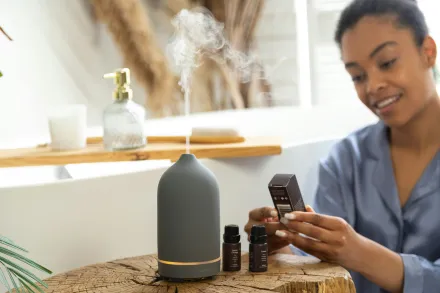
The practical heart of aromatherapy lies in translating fragrance into accessible, repeated practices that support mood across daily life. A diffuser placed in a living space, a few inhalations from a bottle during a transitional moment, or a mindful hand-application of a diluted oil on pulse points can all serve as anchors for mood regulation. Establishing a routine around scent—such as a morning diffusion to set a proactive tone, a midafternoon inhalation to rebalance energy, or an evening aroma intended to signal relaxation—creates an environmental cue that aligns behavior with emotional intent. The way a person structures these experiences matters as much as the oils chosen. A calm, unhurried pace during diffusion, a comfortable room temperature, and a quiet moment for breath awareness can amplify the mood-enhancing effect by reducing competing sensations and inviting the nervous system to settle. The practice may extend beyond perfumed air to include scented baths, massage after proper dilution, or a moment of mindfulness while the scent lingers in the room, turning mood improvement into a ritual that nourishes attention and self-regulation rather than a passive sensation alone.
For those who prefer a more tactile or immersive approach, scenting routines can be integrated with other sensory elements. For instance, pairing a particular aroma with gentle movement such as stretching or slow yoga can deepen the sense of relaxation or energy because the body associates the scent with the physical state it is experiencing. Similarly, combining a favorable aroma with a short journaling session can help crystallize mood shifts into a narrative, reinforcing a sense of agency over one’s emotional landscape. The key principle is consistency and personal customization: the oils, the method of delivery, the duration of exposure, and the surrounding environment should feel trustworthy and comfortable to the user. When these components align, aromatherapy becomes a reliable, repeatable avenue for mood modulation rather than a one-off experiment that dissolves once the fragrance fades.
Diffusion duration and concentration are important practical considerations. A small to medium diffuser set on a moderate setting can create a mood-supportive atmosphere without overwhelming the senses. The number of drops depends on the potency of the oil and the size of the space, but a cautious, incremental approach helps prevent irritation or overstimulation. In private spaces, direct inhalation from a bottle or a personal inhaler can provide quick mood adjustments during moments of acute stress or fatigue, while in social or shared environments, diffuse-only sessions with muted intensity may maintain harmony among occupants. When blending oils for mood, it is advisable to start with familiar scents and gradually incorporate complementary notes to build a profile that feels cohesive and balanced. The resulting blend should evoke the intended mood while remaining pleasant and noninvasive for everyone present, recognizing that scent preferences are highly personal and can shift over time.
Safety, customization, and who should avoid
Aromatherapy is generally safe when practiced with care, but sensitivity to fragrances, skin reactions, and potential interactions with medications or medical conditions warrants thoughtful consideration. Individuals with sensitive skin may experience irritation when essential oils are applied topically without proper dilution, so always perform a patch test on a small area of skin and monitor for adverse reactions. Pregnant individuals should consult a clinician before using certain essential oils, as some oils are traditionally avoided during pregnancy due to potential uterine activity or hormonal effects. Children and elderly people often have more sensitive olfactory systems and thinner skin, meaning that dilution and exposure should be modulated with extra caution and physician guidance when necessary. Pets, including cats and dogs, may be sensitive to certain essential oils, and certain compounds can be harmful to animals when diffused or applied in or near living spaces. Ensuring good ventilation, avoiding direct pet inhalation from vaporizers, and selecting pet-safe options are essential steps in responsible use.
Quality matters in aromatherapy, as the purity and sourcing of essential oils influence both safety and mood outcomes. Reputable products that are pure and properly labeled reduce the risk of contaminants or adulterants that might provoke adverse reactions. Being aware of the recommended dilution ratios for topical use, and never applying undiluted essential oils to the skin, can prevent irritation. People with respiratory conditions such as asthma or chronic bronchitis may find certain odors triggering, so starting with milder scents and gradually increasing exposure as tolerance allows is a prudent approach. If there is any doubt about a mix or a particular oil, seeking guidance from a qualified aromatherapist or healthcare professional can help tailor a plan that respects individual health considerations and mood goals. In all cases, aromatherapy should be viewed as a supportive practice that complements healthy lifestyle choices rather than a substitute for medical treatment when needed.
Integrating aromatherapy with daily life
Aromatherapy thrives when woven into the rhythm of everyday activities rather than relegated to occasional experiments. The morning routine can be enriched with a gentle diffused scent that invites calm focus or bright energy, creating a forward-moving mood frame that carries into the day’s tasks. At midday, a restorative inhalation can help reset mood and renew concentration after a demanding sequence of activities, while the evening environment can benefit from a fragrance that signals rest and emotional release, facilitating a smoother transition to sleep or quiet time. Such integration encourages a mindful check-in with emotional states, inviting one to notice how specific aromas align with different moments and needs. The practice can become a personal language of mood, where each scent corresponds to a felt state and a preferred response, allowing individuals to build a quiet, resilient repertoire for diverse emotional landscapes.
Incorporating aromatherapy into shared spaces requires consideration of others’ comfort and preferences. When diffusing in a family home, office, or community area, choosing moderate scents, rotating oils, and offering optional personal inhalers or blotters can maintain harmony while still honoring the mood-supportive potential of fragrance. The social context matters because mood is not isolated; it is influenced by relationships, environment, and daily routines. By using aroma to strengthen self-regulation and positive states, individuals can contribute to a calmer, more connected atmosphere without imposing their preferences on others. The practical payoff is a flexible habit that respects both personal needs and collective well-being, turning mood enhancement into a shared, sustainable practice rather than a solitary act.
Special contexts: stress, sleep, and mood management
In situations of stress or overwhelm, aromatherapy can serve as a rapid, accessible tool to soften the intensity of the moment. A few mindful breaths paired with the inhalation of a carefully chosen oil can help shift autonomic nervous system activity toward parasympathetic dominance, promoting relaxation and resilience. For sleep, soothing scents such as lavender or chamomile, used with a consistent pre-bedtime routine, may support a smoother transition from wakefulness to rest, contributing to improved sleep quality and daytime mood. Mood management over longer periods may benefit from a rotating schedule of scents that align with seasonal changes, life events, and evolving emotional needs. The goal is not to force a particular feeling but to provide a stable sensory environment that lubricates the nervous system, reduces barriers to calm, and supports an adaptive, flexible mood response to life’s fluctuations. Careful attention to individual responses ensures that aromatherapy remains a gentle partner rather than an imposed intervention in daily emotional experience.
Incorporating this practice into a broader approach to well-being strengthens its value. When combined with adequate sleep, balanced nutrition, regular physical activity, social connection, and practices such as mindfulness or cognitive-behavioral strategies, aromatherapy contributes an additional layer of mood support that can be tuned to personal rhythms. The perceptual qualities of scent live at the edge of consciousness, guiding mood without demanding attention, and when used thoughtfully, they become a subtle yet meaningful part of how a person navigates mood across a day, a week, or a season. In this way, aroma becomes a flexible instrument for emotional balance, crafted from choice, curiosity, and care for one’s own nervous system.
Blending and the art of scent
The art of blending is a craft that blends science with poetic sensibility. Crafting a mood-oriented blend starts with a clear intention: the mood you want to cultivate, whether it is calm, focus, or uplift. A good blend respects the hierarchy of scent notes, balancing top, middle, and base notes so the overall impression remains harmonious rather than medicinal or overpowering. When experimenting with blends, it helps to create a mental image of the mood you seek and to select oils whose individual profiles align with that image. The process becomes an act of listening as much as selection, because the experience of fragrance evolves with time and exposure. A well-composed blend can reveal subtleties that a single oil cannot, offering a complex mood texture that feels coherent and personally meaningful. The precise measurements matter to maintain comfort, yet flexibility is equally important; it is perfectly acceptable to adjust blends to suit changing mood states or environmental conditions, recognizing that scent preferences can shift with the seasons and with life circumstances.
From a safety and practicality standpoint, it is wise to start with small, conservative blends and increase complexity gradually as comfort grows. Documentation of what oils are combined and how they are used can help track mood responses over weeks or months, enabling a personal aromatherapy profile that is responsive to one’s evolving needs. The practice of blending becomes a creative discipline that encourages ongoing exploration, self-care, and sensory literacy, inviting people to notice which aromas consistently align with desired moods and which ones do not. A well-tuned blend becomes not just a fragrance but a companion for mood regulation, a subtle instrument that supports emotional flexibility and resilience in the face of daily challenges.
Myths and misunderstandings about aromatherapy
Aromatherapy sometimes invites misconceptions that can hinder its thoughtful use. One common myth is that more fragrance equals more mood impact; in reality, excessive or overpowering scents can trigger discomfort, irritability, or headaches for some individuals. Another misunderstanding is the belief that all essential oils are equally safe for everyone, which overlooks variations in skin sensitivity, respiratory conditions, pregnancy status, and pet safety. A third misconception is that aromatherapy works instantly for everyone or that it can replace medical treatment in cases of significant mood disorders. While aroma can contribute to mood regulation, serious conditions such as major depression, anxiety disorders, or chronic sleep disturbances require professional assessment and evidence-based care. A nuanced view recognizes aroma as a supportive practice that complements healthy routines, appropriate medical care, and evidence-informed approaches to emotional well-being. Debunking myths involves asking questions, seeking reliable sources, monitoring personal responses, and staying attuned to one’s health status and life context rather than chasing rapid, universal results.
Another helpful clarification is the role of expectation. Placebo-like effects are a real phenomenon in experiences involving smell and mood, which can be beneficial when they promote positive engagement with healthy habits. However, expectation does not diminish genuine neurobiological processes that fragrance can evoke, such as activating learned associations, helping regulate breathing, or supporting a sense of calm. A balanced perspective treats aromatherapy as a legitimate complement to other wellness strategies, one that requires mindful use, high-quality products, and a willingness to adapt based on ongoing observation of mood responses. By embracing curiosity and critical awareness together, users can savor the benefits of aroma while avoiding the pitfalls of overreliance or misattribution.
The evolving field of aromatherapy continues to refine our understanding of how scent and mood intersect. As research integrates sensory psychology, neuroscience, and clinical practice, more nuanced guidelines emerge for which oils suit particular mood profiles, how delivery methods influence outcomes, and how individual differences shape experiences. This growth emphasizes a collaborative relationship between practitioners, researchers, and everyday users, inviting everyone to cultivate a thoughtful, personalized approach to mood enhancement that respects safety, preferences, and the complexities of emotion. The journey toward meaningful mood modulation through aroma remains an open, evolving conversation that honors both ancient wisdom and modern science, recognizing that fragrance can be a gentle ally on the path to emotional balance.
In the end, the art and science of aromatherapy offer a hopeful reminder: small sensory choices can ripple into larger patterns of well-being. By tuning into the nuances of scent, listening to the body’s reactions, and weaving aroma into routines that nourish attention, care, and connection, individuals can cultivate mood environments that feel more controllable, more resilient, and more aligned with their values. The fragrance you invite into your space can become a quiet collaborator, helping to shape a mood that supports thoughtful choices, compassionate interactions, and a sense of personal agency in the ever-changing landscape of daily life.