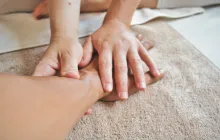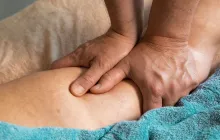
Reflexology is a therapeutic approach that seeks to influence the body by applying deliberate pressure to specific points on the feet, hands, and ears. This practice rests on the idea that these points are connected to different organs, glands, and systems through energy pathways that enrich the overall sense of balance within the body. When the practitioner works with precise pressure and rhythm, the intention is not to treat a disease directly but to encourage a state in which the body can harmonize its functions more naturally. In the realm of relaxation, reflexology is frequently described as a gentle, sensory-rich experience that invites a deep sense of calm to arise. The effects are often felt not only in the feet or hands but as a cascading sensation that travels through the whole body, touching muscles, breathing patterns, and mental states in ways that feel almost transformative to those who experience it with openness and presence. This opening sense of ease can be the first benefit that sets the stage for more sustained relaxation during and after a session, and it can become a foundation for healthier habits in daily life that support stress management and emotional balance.
Understanding the practice of reflexology and its relationship to relaxation
At its core, reflexology is built on a map of reflex points that correspond to zones across the body. The practitioner uses thoughtful pressure, sometimes combining finger walking, thumb pressing, and kneading techniques, to stimulate those points while guiding the client into a receptive state. Rather than focusing on a single symptom, reflexology aims to communicate through touch with the interconnected systems of the body, inviting a response that enhances the body’s own capacity to regulate itself. Many people come to reflexology seeking relief from the steady demands of modern life, where long work hours, environmental stressors, and constant information flow contribute to a sense of chronic tension. In such contexts, the practice is not merely about relief of a painful point but about initiating a broader relaxation response that helps neural networks reset and unwind. That relaxation is commonly described as a deep sense of safety, a reduction in racing thoughts, and a noticeable softening of the body’s defensive posture that often accompanies stress. When the body feels supported through gentle, intentional touch, it tends to release muscle tightness more readily and allows breathing to become slower and more regular, which further reinforces a relaxation cycle that can extend beyond the session itself.
The science behind relaxation and how reflexology influences the nervous system
From a scientific perspective, relaxation during reflexology emerges when the body’s autonomic nervous system tilts toward the parasympathetic branch, sometimes called the rest-and-digest system. This shift reduces cortisol and adrenaline, lowers heart rate, and fosters a enzymatic environment that promotes tissue repair and cellular renewal. Although reflexology is not a replacement for medical treatment, numerous studies and clinical reports describe improvements in perceived stress, sleep quality, and mood following regular sessions. The exact mechanisms are still being explored, but the prevailing view emphasizes the role of tactile stimulation in activating sensory pathways that travel to the brain, which then orchestrates a cascade of responses that ease tension across muscles, joints, and connective tissues. The rhythmic nature of a reflexology session, when performed with measured pressure and consistent tempo, can act like a form of somatic pacing, guiding the nervous system toward a calmer baseline. This calming signal often manifests as a sense of warmth, tingling, or gentle fatigue that signals that the body is releasing held stress. In addition, reflexology can influence the release of endorphins and other neurotransmitters associated with comfort and well-being, which adds a subjective layer of relief that enhances the overall relaxation experience. The cumulative effect over time can be a more resilient baseline of calm, even during the ebb and flow of daily life, making it easier to cope with future stressors without becoming overwhelmed.
Historical roots and cultural perspectives on reflexology
Reflexology has deep roots that traverse several cultural landscapes, including ancient traditions that valued touch as a critical form of care and balance. In some traditions, touch was seen as a universal language that could bridge the physical and spiritual dimensions of well-being. The modern interpretation of reflexology emerged from early 20th century explorations that sought to formalize the relationships between reflex points and organ systems in a way that could be taught, replicated, and studied. Across different regions, practitioners have adapted the practice to align with local beliefs about energy, balance, and harmony while maintaining a common belief in the healing potential of thoughtful touch. For many people, the story of reflexology is not only about the physical sensations of pressure but also about a sense of connection. When someone receives reflexology, they participate in a shared act of care—a moment in which another person’s attention is directed toward easing discomfort and fostering a quiet internal space. This communal aspect of care contributes to the relaxation experience by validating the individual’s need for rest, attention, and gentle support. Over decades, qualitative reports from clients and practitioners alike have highlighted how reflexology sessions can create a sanctuary-like moment in which the outside world recedes and an inner sense of safety and ease can be cultivated. The cultural narratives surrounding reflexology often emphasize the importance of listening to the body, respecting its pace, and honoring the subtle cues that indicate a readiness to release tension. This mindful approach to touch invites participants to engage with relaxation as an ongoing practice rather than a one-off event, reinforcing the relevance of reflexology in a life devoted to stress management and well-being.
Key reflex zones and their relationship to relaxation signals
Within the feet, hands, and ears lie representations of different body parts and functions, sometimes described as microcosms of the whole. The foot is the most frequently targeted area, offering a broad map that encompasses the spine, glands, digestive organs, and muscular groups, among others. Hands and ears present equally intricate maps that evoke a similar sense of connection. The practitioner’s skill lies in recognizing how the body responds to stimulation at specific points, guiding sessions toward points that seem to release tension most effectively. When a reflex point linked to a tense area is pressed, many clients report not only local relief where the pressure is applied but also a broader sense of looseness that travels to other regions connected by the body’s energy pathways. This phenomenon, sometimes described as a global relaxation response, can unfold gradually, with initial relief giving way to a deeper sense of ease as the mind quiets and breathing becomes more regulated. The relaxation signals generated through these reflex zones often include a pleasant warmth, a feeling of heaviness in the limbs, and a noticeable drop in muscular resistance. Each session may reveal a unique pattern of responses as the nervous system adjusts to the new state of balance introduced by the release of habitual tension. The cumulative effect is often a more extended period of calm following the session, which many clients carry into sleep or quiet moments during the day.
Physical responses during reflexology sessions
As the session unfolds, the body may respond with a series of physiological shifts that reinforce the relaxation process. Muscles that have carried chronic tension can soften, leading to improved range of motion and a reduced sense of stiffness. Blood flow may increase to the treated areas, bringing fresh oxygen and nutrients that support tissue health. This enhanced circulation can contribute to a gentle warmth or a feeling of fullness in the feet, hands, or other areas touched by the therapeutic work, signaling that fascia and soft tissues are releasing their held patterns. Breathing often becomes slower and more measured, mirroring the change in the nervous system from a heightened state to restfulness. Some clients report a temporary sense of fatigue or sleepiness during or after a session, which is commonly described as the body’s need to consolidate the relaxation that has been invited. For others, a heightened sense of energy emerges after the initial relaxation phase, accompanied by a sharpened focus and a restored sense of mental clarity. Both experiences describe the adaptive nature of the body as it responds to supportive touch, the rhythm of the technique, and the mindful presence of the practitioner. In many cases, the experience is accompanied by a sense of being held in a calm space where time slows, concerns drift away, and the body is reminded of its innate capacity to rest and heal. This confluence of physical and sensory shifts helps create a solid platform for ongoing relief from stress and a healthier approach to daily life.
Psychological benefits and mood regulation
Beyond the measurable biological changes, reflexology can influence mood and emotional balance in meaningful ways. The simple act of receiving attentive touch can lower anxiety by signaling safety within the nervous system. This signal fosters a shift in perception, making minor worries seem more manageable and reducing the likelihood of spiraling into rumination. Clients often report that they feel more emotionally anchored after a session, with increased patience, a broader sense of compassion for themselves, and a gentler attitude toward daily challenges. The sensory richness of reflexology—pressure, temperature changes, fragrance from oils, rhythmic tempo—works together to nurture a state of mindfulness that helps people live in the present moment rather than in an anxious stream of future-oriented concerns. Additionally, the practice can support sleep quality, which in turn reinforces emotional regulation. Restorative sleep improves cognitive function, mood stability, and resilience to stress, creating a positive feedback loop that begins with the relaxation response elicited during the session. When mood and sleep are supported, individuals often find it easier to engage in healthy routines, maintain social connections, and cultivate inner resources that sustain calm throughout the day. The cumulative impact on mental well-being can be profound, contributing to an overall sense of vitality and a brighter perspective even when external circumstances remain challenging.
Reflexology techniques that promote sleep and stress relief
Many clients seek reflexology specifically to improve sleep or to reduce the impact of daily stress on nighttime rest. Skilled practitioners tailor the session to emphasize calming techniques, slower tempo, and longer holds on particular reflex zones associated with the nervous system, adrenal function, and sleep regulation. The intention is to guide the body into a deeper state of rest where the parasympathetic system dominates, allowing the mind to slow down and the body to release tension accumulated during the day. The oils or balms used during the session can also contribute to relaxation by providing a soothing tactile experience and a pleasant sensory environment. Gentle rocking movements and careful transitions between zones help the nervous system interpret the experience as safe and predictable, which further supports relaxation and the progression toward sleep. Clients often notice improvements in the onset and quality of sleep after a series of reflexology sessions, particularly when the practice is integrated into a consistent routine rather than used sporadically. The sense of relief may extend beyond sleep quality to daytime alertness and mood, as the body learns to maintain a more balanced autonomic state between sessions. The comfort of regular practice can become a reliable anchor in a busy life, offering a predictable moment of care that recharges emotional reserves and fosters a patient, relaxed approach to daily demands.
Reflexology for chronic stress and everyday tension
Chronic stress tends to create a persistent pattern of muscle guarding, shallow breathing, and a tightening of the jaw, neck, and shoulders. Reflexology can interrupt this cycle by providing a dedicated window of time in which the body is invited to release held tension. Over multiple sessions, clients may notice a gradual reduction in baseline muscle tone and a more adaptable stress response, meaning that the body does not escalate as quickly in the face of new triggers. The practice encourages a body-memory shift where the nervous system learns a slower, more measured reaction to stress rather than a reflexive fight-or-flight response. This shift can manifest as improved posture, easier diaphragmatic breathing, and a greater capacity to pause before reacting, all of which contribute to a more relaxed daily life. The hands and feet become a gateway to greater resilience, offering a tangible way to address the somatic component of stress while supporting emotional and cognitive balance. Regular reflexology experiences can become a dependable adjunct to mindfulness, meditation, or gentle movement practices, reinforcing the habit of taking restorative time for oneself even during a demanding schedule. By translating stress relief into a consistent physical practice, reflexology can help people feel more grounded, connected to sensation, and capable of managing life’s pressures with greater ease.
What to expect in a session and how to prepare
Approaching a reflexology session with an open mindset often enhances the relaxation experience. Clients typically arrive with the expectation of quiet time, comfortable surroundings, and the sensation of hands guiding their body toward rest. The practitioner begins with a brief intake to learn about areas of tension, sleep patterns, and personal goals for relaxation, then proceeds with a careful assessment of the reflex zones to determine a balanced sequence. The session itself usually lasts between forty-five minutes and an hour, though durations can vary depending on the practitioner and client preferences. Throughout the session, the client is encouraged to breathe steadily, listen to the rhythm of the practitioner’s touch, and notice the sensations that arise without judgment. Some people experience a feeling of heaviness in the limbs, others describe warmth or tingling, and many simply notice a profound sense of stillness. After the session, it is common to feel lighter, more relaxed, and more present in the body. Hydration is helpful, and it is often suggested that the day after a session includes gentle movement, such as walking or light stretching, to support the continued circulation and relaxation promoted during the treatment. Some clients schedule regular sessions to maintain the relaxed state achieved during reflexology, using the practice as a reliable anchor to their wellbeing routine. The preparation can be as simple as selecting a comfortable robe, wearing loose clothing, and arriving with a few minutes of quiet intention to center the breath, which can heighten the depth of the experience.
Safety considerations and who should seek guidance
Reflexology is generally considered a safe complementary therapy for most adults when performed by trained practitioners. However, there are circumstances where consultation with a healthcare provider is prudent. People with certain medical conditions, such as advanced diabetes with neuropathy, foot ulcers, active infections, or recent fractures, should seek professional advice before undergoing reflexology. Pregnant individuals may also benefit from reflexology but typically require a practitioner trained in pregnancy-specific techniques to avoid any elements that could cause discomfort or risk. It is important to communicate openly with the practitioner about any medications, existing health concerns, or recent injuries, because some responses to reflexology may require adjustments in technique or pressure. The goal is to maintain a safe and comfortable experience that respects personal limits. A responsible reflexology practitioner prioritizes consent, explains the sensations that may occur, and works at a pace that aligns with the client’s tolerance. Regular clients often discuss their experiences of relaxation with their healthcare teams to ensure an integrated approach to well-being that honors both conventional medical guidance and complementary therapies. In this sense, reflexology can be viewed as a supportive practice that enhances relaxation while remaining mindful of broader health considerations.
Integrating reflexology with other relaxation modalities
Many people find that reflexology complements a wider spectrum of relaxation techniques, including guided imagery, breathing practices, progressive muscle relaxation, and gentle movement routines such as tai chi or restorative yoga. When used together in a coherent routine, these modalities can reinforce the body’s relaxed state, creating an overarching framework for stress management. Reflexology can be positioned as a gentle, biodynamic touch that resets the nervous system and primes the body for deeper engagement with other practices. A routine might involve a session followed by a period of quiet breathing or meditation, then a short walk to integrate the post-session calm into daily activity. For some individuals, reflexology serves as a tactile bridge between physical release and cognitive focus, helping to soften mental chatter and invite a more compassionate attitude toward one’s own body. The combination of touch-based relaxation with mental strategies can be particularly effective for those who experience work-related tension, caregiving responsibilities, or high-stakes emotional challenges. When thoughtfully combined, these approaches can support sustained well-being by providing reliable, repeatable experiences of safety and ease that strengthen resilience over time.
Case storytelling and imagined scenarios illustrating relaxation outcomes
Imagine a person who lives with a high-paced job that demands constant problem solving and quick decision making. After several reflexology sessions, the individual notes a gradual shift: mornings begin with slower breathing, feet feel more connected to the ground, and the mind is less crowded with competing thoughts. Over weeks, as the body learns to soften, the person experiences more restorative sleep and wakes with a sense of being able to greet the day with steadiness rather than a reflexive rush. The stress signals that often trigger muscle clenching in the neck and jaw lessen in frequency, allowing better posture and improved comfort in daily routines. Consider another scenario involving someone who has chronic tension in the shoulders and upper back due to long hours at a desk. Reflexology sessions that emphasize the reflex zones related to the spine, shoulders, and chest may release restrictions in the fascia and musculature, producing a release that travels down the arms and into the hands. The person might notice a noticeable decrease in evening restlessness and an easier time falling asleep, followed by a night of more refreshing sleep. These stories illustrate how reflexology can act as a catalyst for a broader relaxation response that participants can observe over time, reinforcing a sense of agency in managing stress and cultivating healthier daily patterns. They are not universal guarantees, but they point to a pattern that many people find meaningful: touch that respects the body’s pace can become a reliable ally in the quest for ease and calm, a partner in ongoing relaxation rather than a one-off intervention.
Personal narratives: listening to the body through reflexology
One recurring theme in client experiences is the feeling of being listened to through the hands of the practitioner. In reflexology, the body’s responses often guide the direction of the session, creating an intimate dialogue that respects the body’s wisdom. The experience may begin with a sense of guardedness, particularly if a person has carried tension for a long time, and gradually shifts toward a more pliant state as the practitioner’s touch communicates safety and patience. This sense of being heard on a somatic level can extend beyond the body into the mental and emotional domains, enabling a gentle unveiling of feelings that have been tucked away in ordinary life. For some, reflexology becomes a practice of self-care that teaches the importance of pause and breath, and for others it becomes a recurring ritual that anchors a lifestyle oriented toward balance and well-being. These personal accounts underscore the human dimension of reflexology, highlighting how the technique can foster a composed sense of self, an increased tolerance for discomfort, and a more compassionate relationship with one’s own vulnerability. They reflect a broader truth about touch-based therapies: when delivered with respect and attunement, they become opportunities for people to entrust themselves to the present moment and experience the relief that emerges from such trust.
Future directions for individuals exploring reflexology and relaxation
As people continue to explore ways to manage stress and enhance relaxation, reflexology offers a pathway that emphasizes gentle, rhythmic touch, mindful engagement with the body, and a hopeful stance toward healing as a natural process. The practice invites ongoing curiosity about how the body responds to touch, how mood and sleep respond to consistent care, and how personal routines can be shaped to maximize well-being. For some, reflexology becomes a gateway to a broader exploration of holistically oriented wellness, encouraging experimentation with related modalities such as aromatherapy, mindfulness-based stress reduction, or sleep hygiene practices. By integrating reflexology with other supportive activities, individuals may discover a personalized portfolio of strategies that reinforce each other, creating a more resilient sense of calm in daily life. The emphasis remains on listening to the body, honoring its signals, and respecting the pace of healing, which can be a quiet, persistent companion in a world that frequently prizes speed over rest. In this light, reflexology stands as a thoughtful invitation to slow down, breathe, and cultivate a sustainable relationship with relaxation that honors both the body’s needs and the mind’s desire for peace.