Developing a fitness habit hinges on more than sheer willpower or sporadic bursts of energy. It rests on the science of habit formation, where repeated behaviors gradually become automatic responses to familiar cues. When a routine becomes a habit, your body and brain align to perform the activity with less conscious effort, freeing cognitive resources for other tasks. This is why sustainable change rarely emerges from one dramatic sprint and instead grows from small, dependable actions practiced consistently over time. The powerful idea here i...
Fitness & Physical Activity


In today’s fast paced world, many people seek ways to stay active without risking injury or overloading their joints. Low-impact exercises offer a practical path that respects the body's limits while still delivering meaningful health advantages. These activities prioritize smooth, controlled movements, reduced jarring forces, and sustainable pacing. They are accessible to beginners, friendly to older adults, and adaptable for people recovering from injury or managing chronic conditions. The essence of low-impact training lies in building consi...

The core is more than a single set of muscles running along the abdomen; it is a complex network of surface and deep muscles that work together to stabilize the spine, support breathing, and relay forces between the legs and upper body. At the deepest level sits the transverse abdominis, a horizontal sheath of muscle that acts like a corset to brace the spine during movement. Surrounding it are the obliques, which help control rotation and lateral bending, and the multifidus along the spine that contribute to segmental stability. The pelvic flo...

Nutrition acts as the invisible training partner that accompanies every session, race, or game. Without adequate fuel, even the most meticulously planned training program risks stalling because energy is the currency of movement, repair, and adaptation. This article explores how macronutrients, micronutrients, hydration, timing, and individualized strategies come together to shape performance outcomes across different sports and populations. It emphasizes not just what athletes eat, but when they eat, how they recover, and how sustenance intera...

Every day, countless hours are spent in front of screens, hunched over desks, and nursing devices that reward quick reaches and comfortable compromises rather than long‑term structural health. Posture is not simply a snapshot of how one stands or sits; it is a dynamic expression of how the body's parts align to support movement, breathe efficiently, and protect the spine from repetitive strain. When posture deteriorates, the nervous system must work harder to coordinate even simple tasks, and the risk of discomfort, fatigue, and injury climbs. ...
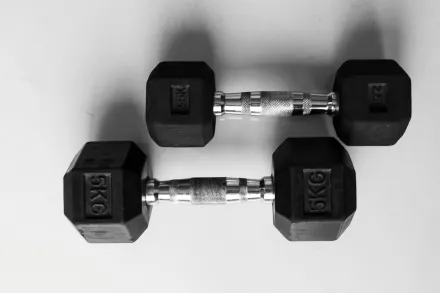
Muscle growth is driven by mechanical tension, metabolic stress, and muscle damage, and while many people think weights are indispensable, a carefully designed program using just bodyweight can trigger substantial hypertrophy when applied with intention and discipline. The body responds to stress in measured doses, and when you learn to escalate that stress in precise ways, you can create an effective stimulus across the major muscle groups without raising a single external weight. This article explores the theory and practical methods to build...

Stamina is a multi dimensional attribute that reflects how efficiently your body can sustain physical effort over time, how long your energy stores last, and how effectively your mind handles continuing activity. Endurance training is the deliberate practice of repeatedly exposing the body to activity at a level that challenges its cardiovascular, respiratory, and muscular systems while maintaining sustainable form. The aim of endurance training is not simply to run faster for a shorter distance, but to push the boundaries of what you can do fo...

Resistance band training has emerged as a versatile and highly practical approach to improving strength, mobility, and overall fitness. The method relies on elastic bands that provide resistance as they are stretched, creating a variable load through the entire range of motion. This simple principle has wide implications for training dynamics, providing a unique stimulus that can complement traditional free weight and machine-based programs. For many athletes, fitness enthusiasts, and individuals seeking healthier movement patterns, resistance ...

Working from home can unlock remarkable flexibility, yet it also carries the risk of creating a sedentary routine that drains energy and dulls focus. The human body is designed for movement, and long stretches of stillness can lead to stiffness, discomfort, and slower cognitive performance. The good news is that staying active while working from home does not require a dramatic overhaul of your life. It can emerge from small, thoughtful adjustments embedded into your day, paired with a mindset that values movement as an ally rather than an obst...

In the rhythm of modern life where deadlines, meetings, and family needs press in from all sides, the most reliable path to staying active is not heroic bursts of effort but a steady cadence of small, repeatable actions. The core idea is simple yet powerful: a little motion many days in a row compounds into healthier habits and clearer energy, while chasing perfect workouts on every occasion often leads to burnout or skipped sessions. Embracing consistency means designing a framework that fits your typical day rather than trying to shoehorn fit...