Principles of Balance in a Home Fitness Plan
Fitness & Physical Activity
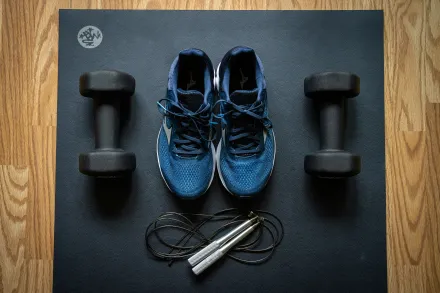

The core is not merely a six pack to be carved absently through isolated crunching. It is an integrated system that binds the spine to the pelvis, links the upper and lower body, and coordinates breathing with movement. Within this system the local stabilizers operate at a very small level to hold the vertebrae steady, while the global structures provide dynamic support during every lift, stride, and twist. The transverse abdominis, internal obliques, multifidus, pelvic floor, diaphragm, and the gluteal and back muscles work in concert to creat...

Speed and agility sit at the heart of athletic performance across a wide range of sports, from track and field sprints to basketball, soccer, rugby, and even combat disciplines. Improving them requires a thoughtful combination of technique, strength, coordination, and neuro-muscular efficiency. In this exploration, the focus is on practical strategies that athletes can apply within the framework of a well-structured training cycle. The aim is not merely to chase faster times in isolated drills but to build a robust system where strength, elasti...
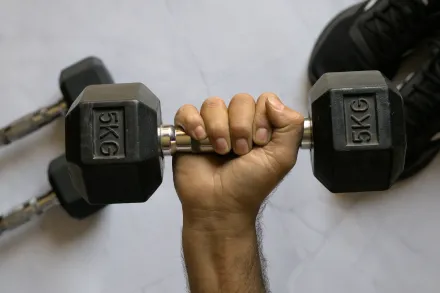
The combination of high intensity interval training and dedicated strength work is not merely a matter of stacking two different modalities on top of each other. It represents a carefully balanced approach to training that taps into distinct energy systems while reinforcing shared adaptations such as improved neuromuscular efficiency, better motor control, and increased metabolic versatility. When performed thoughtfully, HIIT elevates cardiovascular fitness, promotes robust fat oxidation, and enhances the body’s capacity to tolerate lactate and...

In the practice of daily movement and progressive challenge, burnout arises when the body and mind are pushed beyond what recovery can restore in a reasonable time frame. It is not a singular event but a gradual drift where stressors accumulate from multiple directions, including physical exertion, mental strain, lifestyle pressures, and even the emotional weight of unmet expectations. Burnout is experienced as both a tangible bodily fatigue and a fading sense of motivation, a sense that the activities that once brought energy now feel heavy or...

In athletic performance the core acts as the central link between upper and lower body movement, a dynamic bridge that translates power from the legs through the torso to the arms and vice versa. Core stability is not merely a static set of muscles holding a posture; it is an integrated system that controls the position of the spine and pelvis while allowing efficient transfer of energy during rapid acceleration, deceleration, changes of direction, and complex multi planar movements. Athletes who develop robust core stability often experience i...
Progressive overload is the central principle that turns everyday effort on the gym floor into meaningful strength gains over time. At its core, it means steadily increasing the demands you place on muscles and the nervous system so they adapt to become stronger, larger, or more resilient. The idea is simple in theory, but implementing it well requires understanding the interplay between mechanical tension, metabolic stress, and the brain's capacity to tolerate stress. Mechanical tension comes from lifting weights that challenge you near your m...

Staying consistent with fitness goals is often less about bursts of inspiration and more about building dependable patterns that survive the ups and downs of everyday life. Many people begin with enthusiasm, only to find that motivation ebbs when schedules tighten, weather shifts, or fatigue piles up. The art of consistency rests on understanding small, repeatable actions and shaping an environment that makes the healthier choice the automatic choice. This article explores practical strategies to help you keep moving forward even when your enth...
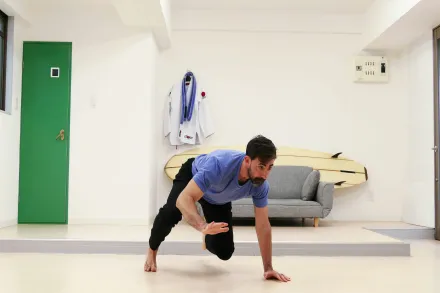
Stretching is a practice that travels through the realms of physiology, neurology, and daily training culture, weaving together principles from science with lived experience in sport and rehabilitation. The way the human body repairs itself after exertion is a complex choreography involving muscle fibers, connective tissues, blood vessels, nerves, and the autonomic nervous system. Stretching interacts with multiple parts of this system, potentially influencing tissue properties, pain perception, and the speed with which recovery indicators retu...
Reaction time is the interval between the presentation of a sensory stimulus and the initiation of a motor response. It is a fundamental measure of how quickly the nervous system can detect information, interpret it, and produce a movement to meet a demand. In everyday life, reaction time influences everything from catching a dropped object to reacting to a car stopping suddenly in traffic. In sports, fast reaction time can separate winning moments from near misses, as it translates to faster starts, quicker adjustments to an opponent’s move, a...