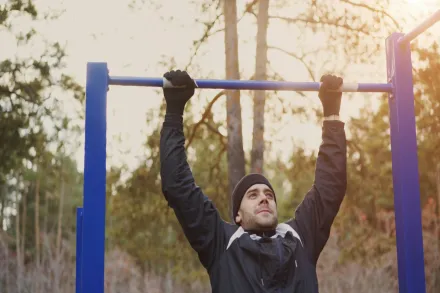
Winter holds a stubborn test for motivation. The crisp air, dim mornings, and the lure of warmth can make workouts feel like a push against gravity, a negotiation with excuses, and a quiet invitation to delay. Yet winter also offers a chance to cultivate discipline that pays off far beyond the season. By understanding how momentum slips and what reactivates energy, you can build a steady practice even when the world seems heavy with snow and ceremony. This article explores practical strategies grounded in realistic planning, psychological insight, and adaptive training so you can keep showing up when the calendar turns cold.
Understanding the winter motivation puzzle
Motivation is a dynamic force that rises and falls with mood, energy, and environment. In winter, many people notice a natural dip in vigor as daylight wanes and routines shift around holidays or new schedules. Your body may crave slower rhythms, and your mind may cling to the comfort of familiar warm spaces rather than the effort of a workout. Recognizing that this fluctuation is normal can remove the sting of a missed session and help you reframe action as a choice, not a failure. Intrinsic motivation—the sense of personal satisfaction that comes from movement—remains a powerful driver, but it often needs support factors such as structure, social connection, and clear cues to wake up when motivation is quiet.
Seasonal patterns influence how your brain responds to effort. The brain seeks rewards and avoids effort when the environment signals scarcity or danger, even if that environment is only the perception of cold and darkness. The antidote is creating a reliable system that lowers the friction of starting and sustains momentum after the first minutes of effort. This means designing a workout that feels achievable in the moment, aligning your goals with your current energy level, and arranging supportive surroundings that invite rather than resist action. When you treat winter as a temporary climate your mindset shifts from waiting for motivation to building a routine that generates momentum on its own.
Designing your environment for consistency
The environment is a powerful ally or a subtle saboteur. To stack the odds in favor of consistency, create a space—whether at home, in a gym, or outdoors—that reduces friction and increases appeal. A well-prepared kit, a warm, inviting area, and a cue-ridden setup help your brain anticipate the workout and enter action mode without news of failure. Start with clothing that layers easily, fabrics that wick moisture, and footwear appropriate for the season. A simple, reliable warmup area, free of clutter and distractions, makes the first minutes less daunting and primes the body to shift from rest to motion with minimal resistance.
Further, shape your environment with reminders and predictable triggers. Lay out your gear the night before, set a consistent workout playlist, and ensure your space has ample lighting to counter the grey of winter days. A small but meaningful cue—such as placing running shoes by the door or a water bottle within reach—can become a mental switch that signals it is time to move. The more you reduce unexpected friction and increase the cues that say, “Now we train,” the more your body and mind follow quickly and confidently, even when the weather wishes otherwise.
Creating a sustainable routine that respects daylight and energy
A sustainable routine blends your life with your training in a way that respects natural energy rhythms. In winter, energy often peaks later in the day as daylight rises gradually, so aligning workouts with periods of higher alertness can yield more consistent effort. When mornings feel harsh, consider shifting the primary workout to the afternoon or early evening, while protecting a shorter, lighter session for mornings that preserves momentum without draining the psyche. The key is to establish a rhythm that remains steady across a week and a month, rather than chasing a peak that proves hard to sustain.
Routines thrive when they carry momentum across days without requiring heroic feats. You can design micro-workouts that feel approachable yet valuable, such as brief mobility and activation sequences, followed by targeted conditioning. The structure should provide a sense of progress and achievement, even on days when energy is limited. Rather than a rigid plan that collapses under fatigue, opt for a flexible skeleton with space to adapt. When you honor your natural energy window and create a predictable cadence, the habit can become self-reinforcing rather than a constant battle against weather and mood.
Lighting and mood during workouts
Light is a subtle but potent ally during winter training. Bright, cool-spectrum lighting can help counteract the heaviness of darker days by improving alertness and mood. If you train indoors, consider a lighting setup that brightens the room without casting harsh glare. If you train outdoors, time sessions during daylight hours or use safe, well-lit paths that keep the mind focused on movement rather than the cold bite of the air. Music and audio cues can also elevate mood and help you enter a more energized state, making the first moments of effort feel less like a hurdle and more like a natural transition into activity.
Additionally, attention to mood shifts can prevent small dips from spiraling. If you notice a drop in motivation as your session begins, momentarily adjust your approach rather than abandoning the workout. A brisk warmup, a shorter set, or a change of pace can wake neural pathways and reengage motivation. The aim is to create a positive feedback loop where movement itself strengthens readiness for the next workout, and the environment reinforces that pattern instead of undermining it.
Social support and accountability in the cold months
Humans are social beings, and winter can magnify the appeal of companionship in the gym or on the trail. Training with a partner, joining a friendly group class, or engaging with an online community can provide accountability, encouragement, and a sense of belonging that makes workouts feel less solitary and more purposeful. Shared goals create a subtle commitment that you are less likely to break, while friendly competition and social validation can boost excitement and consistency. Even when energy wanes, the social aspect helps you show up and give your best effort because someone else is counting on your presence.
Outside of direct workouts, consider creating ritualized check-ins with a friend or coach. A brief message exchange about goals, progress, or favorite moments from the week can maintain momentum and remind you that your efforts matter. The social element also supports adherence to nutrition, hydration, and recovery plans, because those choices become part of a shared routine rather than isolated acts. In winter, when the mind might retreat to quiet corners, the warmth of connection can be a bright thread that keeps you moving forward.
Mental strategies to push through sluggish days
When the mind signals a pause, mental strategies can flip the switch from hesitation to action. Cognitive reframing allows you to reinterpret workouts as non-negotiable acts of self-respect rather than optional entertainments. By reframing a cold, dark day as a chance to cultivate resilience or a way to protect energy for the upcoming week, you create meaning that fuels the effort. Another approach is temptation bundling: pairing a highly desirable activity with the workout, such as listening to a favorite podcast only while running, which increases the perceived value of starting and maintaining effort.
Micro-goals and process focus further support motivation. Rather than fixating on external outcomes like distance or pace, concentrate on the quality of your warmup, the consistency of your breathing, or the smoothness of your movement. Small, observable improvements in technique or endurance reinforce belief in your ability, generating a positive loop of effort and reward. On days when enthusiasm is scarce, embracing a steady, process-oriented mindset helps the body remember that consistent effort compounds into meaningful results over time.
Training variety to keep interest high
Variety is not a distraction but a durability strategy. Mixing modalities—cardio, strength, mobility, and skill work—reduces monotony and distributes stress across different muscle groups and energy systems. In winter, indoor cycles, treadmills, stair climbers, resistance bands, and bodyweight circuits can be combined with outdoor sessions when conditions allow. A rotation that includes restorative sessions such as easy mobility and light conditioning ensures you stay curious and engaged while promoting balanced adaptation. The aim is to keep the body guessing and the mind engaged, so motivation does not erode through repetition alone.
Adopting a flexible variety approach also protects against overuse injuries and burnout. If a preferred activity feels stale, shifting to a new modality for a period can rekindle enthusiasm without sacrificing fitness. The key is to preserve a clear throughline: workouts that align with your long-term goals, fit your life, and fit your energy in the moment. When you treat variety as a tool for sustainability rather than a luxury, winter training becomes a compelling journey rather than a seasonal obligation.
Tech, tracking, and feedback to sustain momentum
Technology can be a quiet engine behind motivation. Simple tracking of workouts, distance, duration, and perceived exertion helps you see progress over time, which reinforces the legitimacy of your efforts and encourages continued commitment. Heart rate data, if available, provides a window into how you respond to different stimuli and helps pace sessions to avoid overreaching on colder days when perceived effort can be deceptive. Visual progress—graphs, milestones, or streaks—can serve as tangible proof that consistency yields results, especially when external cues are scarce.
Feedback loops are most powerful when they are gentle and informative. Instead of harsh self-critique, use objective metrics to guide adjustments, celebrate small wins, and recalibrate when needed. The right balance of accountability and self-compassion creates a resilient motivation that can weather the fluctuations of winter. Employing tools like a brief end-of-week reflection can help you connect daily efforts to bigger ambitions, ensuring that each workout feels purposeful and one more step toward your overarching aims.
Nutrition, hydration, and energy balance in winter
Winter can influence appetite, metabolism, and hydration in subtle but meaningful ways. Colder weather often dulls thirst signals, yet hydration remains essential for performance and recovery. A practical approach is to start sessions well-hydrated and to sip regularly throughout the day, even if you do not feel thirsty. Foods rich in complex carbohydrates and lean proteins can support steady energy during longer training blocks, while healthy fats contribute to satiety and warmth. Paying attention to regular meals that align with training times helps stabilize energy and reduces the likelihood of crumbling into fatigue when motivation is low.
In winter, cravings for comforting but less nutrient-dense options can rise. Mindful eating, portion awareness, and planning ahead are potent tools to maintain performance without feeling deprived. Preparing meals that combine colorful vegetables, quality proteins, and whole grains ensures you have the fuel necessary for early mornings or late workouts. A practical habit is to carry a small snack to workouts or post-session nourishment that aids recovery and reinforces the routine, turning fueling into a predictable part of the training cycle rather than an afterthought.
Recovery, rest, and injury prevention in harsh weather
Recovery is a core component of motivation, especially when training in winter. Sleep quality often drops due to longer indoor activities and varied schedules, so prioritizing restful periods becomes critical. Establish a consistent bedtime routine, limit stimulating screens before sleep, and optimize the sleep environment to support deep rest. Adequate recovery reduces the sense of fatigue that undermines motivation and preserves performance for the next session. In addition, a thoughtful cooldown, light stretching, and mobility work help maintain flexibility and reduce stiffness that can accumulate in cold conditions.
Injury prevention benefits from gradual progression and attention to warmups that address winter-specific concerns. A thorough activation sequence, targeting the hips, glutes, and core, can prepare the body for demanding efforts and reduce the risk of strains in colder muscles. When outdoor workouts are possible, choose stable surfaces, wear traction aids if necessary, and avoid pushing through numbness or sharp pain. A cautious approach in adverse conditions preserves long-term ability to train, and that patience is a quiet form of motivation in its own right, because it protects future sessions from the setback of an acute injury.
Mindfulness and intention during winter training
Mindfulness invites you to train with awareness rather than with autopilot. During winter sessions, bring attention to breath, posture, and the sensation of movement, letting distractions fall away. A simple intentional practice—noting the inhale and exhale, following the path of a single movement, or observing the body’s signals without judgment—can transform workouts from tasks to moments of focused presence. This mental clarity often translates into better form, reduced perceived effort, and a greater sense of control, all of which bolster motivation over time.
Intention can also connect training to deeper values and personal meaning. By reminding yourself why you train—the desire to stay healthy for family, to perform at a certain level, or to cultivate resilience—you frame winter workouts as purposeful rather than incidental. This perspective makes it easier to show up even on days when the body protests or the weather discourages movement. When intention meets routine, momentum flows more smoothly, and the winter season becomes a chapter in a longer story of growth and discipline.
Outdoor alternatives when it’s windy or icy
Winter does not demand indoor confinement if conditions outside are hazardous; it simply requires smarter choices. When wind, ice, or extreme cold threaten safety, consider safer outdoor alternatives that still promote fitness. Activities like brisk walking on salted paths, snowshoeing, or trail running during daylight can provide refreshing stimulus and a sense of connection with nature. If footing is questionable, a focused warmup indoors followed by a short, well-structured outdoor segment can strike a balance between challenge and safety. The goal is to preserve outdoor experience while safeguarding health and motivation.
Approach outdoor sessions with preparation and respect for conditions. Layered clothing, weather-appropriate footwear, and a plan for warming up in the cold help make outdoor training a positive experience rather than a source of fatigue or discomfort. Recognize when conditions demand modification or postponement and honor that decision without guilt. A flexible stance toward the outdoors keeps motivation intact by allowing you to seize opportunities when they exist while avoiding unnecessary risk when it does not.
Adapting goals to seasonal realities
Seasonal realities require a thoughtful recalibration of goals. The winter months can be an opportunity to focus on maintenance and skill refinement rather than pursuit of peak performance. Setting goals that emphasize consistency, quality of movement, and sustainable effort creates a stable foundation that supports progress when spring arrives. Rather than chasing ambitious distance targets or time trials in unfavorable conditions, frame aims around longevity, injury avoidance, and the cultivation of a reliable routine that can withstand the fluctuations of weather and mood.
Adjusting expectations also means accepting that some metrics may temporarily slow. This is not a sign of failure but a natural part of the training cycle. By embracing flexibility and keeping a long-term perspective, you preserve motivation and maintain a clear path forward. The winter plan then becomes a deliberate period of consolidation, skill-building, and mental resilience, with the confidence that growth will resume as conditions improve and daylight returns.
Building a long-term winter workout mindset
A durable winter mindset rests on the conviction that consistency produces results over time, even when daily motivation ebbs. Visualizing the seasonal arc as part of a larger annual pattern helps anchor efforts and reduces the impact of temporary lulls. A mindset centered on process over outcome—the emphasis on preparation, execution, and recovery rather than immediate gains—fosters steadier progress and less emotional volatility when weather disrupts routines. In this frame, every session becomes a step in a reliable, ongoing journey rather than a single event that either satisfies or disappoints.
Ultimately, winter motivation grows from a blend of practical structures and inner calm. By planning around daylight and energy, shaping a supportive environment, engaging with community, and maintaining a balanced perspective on goals, you can transform cold months from a season of extra challenge into a season of steady improvement. The practice of showing up, again and again, builds a reserves of resilience that extends beyond snow and ice, enriching your health, mood, and confidence throughout the year and into the seasons that follow.