Resistance training, sometimes called strength training or weight training, is a form of exercise that challenges muscles by working against an external force such as free weights, resistance bands, machines, or even bodyweight. For seniors, this type of training goes beyond building muscular strength; it can enhance energy, independence, and overall quality of life. The aging process naturally leads to changes in muscle mass and bone density, a phenomenon known as sarcopenia and aging-related bone loss, and resistance training stands out as on...
Fitness & Physical Activity


Recovery is often overlooked by newcomers who believe that continuous effort equals progress. But in long-term fitness, recovery days are not a pause from training; they are a deliberate phase that allows physiological systems to repair, adapt, and strengthen. The body responds to stress by creating microdamage in muscles, connective tissues, the nervous system, and energy systems. On a recovery day, the body reallocates resources to restore balance, replenish energy stores, reduce inflammation, and consolidate neural adaptations. When recovery...

In the realm of physical training, a plateau is not a failure but a natural signal indicating that the body has adapted to the current stimulus. When you repeatedly perform the same workouts with the same load, volume, tempo, and rest periods, your muscles become efficient at that exact task. This efficiency reduces the relative stress on your muscles, which in turn slows progress in strength, size, speed, or endurance. Several intertwined factors contribute to plateau formation, including neural adaptation that settles into a rhythm, metabolic...

Understanding the relationship between strength and speed is essential for anyone aiming to improve athletic performance, whether the goal is to sprint faster, jump higher, or move explosively in chaotic environments. Strength is the capacity of the muscles to generate force, while speed represents the ability to convert that force into rapid movement over a given distance. These traits are not isolated; they interact in complex ways that depend on technique, neuromuscular efficiency, and the context in which movement occurs. When planned corre...

Bodyweight exercises are a practical gateway to fitness because they rely on your own weight as resistance rather than external equipment. When done consistently, they build strength, improve mobility, enhance balance, and boost cardiovascular health without requiring a gym membership or heavy gear. The idea of incorporating such training daily is not to push through a brutal workout each day, but to weave movement into ordinary routines so that the body remains active and the mind stays engaged. The key is to respect your current capabilities ...

Obstacle course racing represents a dynamic fusion of endurance, strength, agility, and problem solving that tests a person across varied terrains, challenges, and climates. To train effectively for such races, an athlete must move beyond simple mileage or isolated gym work and embrace a comprehensive approach that emphasizes movement quality, resilience, and the capacity to adapt under pressure. The journey involves building a robust physical base, refining technique for a wide array of obstacles, and coordinating the body and mind to perform ...

Weightlifting is a practical discipline built on simple concepts that become powerful through consistent practice. For beginners it helps to understand terms like sets, reps, tempo, load, and progression. A rep is one complete movement cycle of an exercise, a set is a group of reps performed without resting, and progression means gradually increasing the challenge to promote adaptation. Embracing these ideas early makes it easier to track progress, adjust intensity, and avoid surprises when stepping into a gym or your home workout space. Knowle...

Every dedicated fitness journey benefits from a thoughtful approach that blends cardio, strength, and flexibility into a cohesive whole. The challenge is not merely to accumulate these elements separately but to weave them together in a way that respects how the body adapts, recovers, and performs across different activities. When you merge cardiovascular endurance with muscular strength and the range of motion and control that comes from flexibility work, you unlock improvements that are greater than the sum of their parts. This article explor...
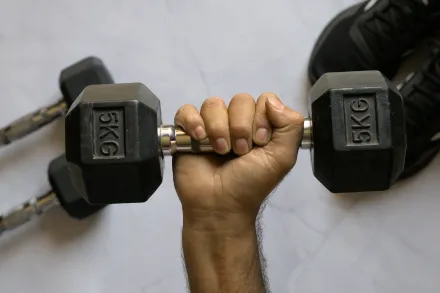
Weightlifting offers a path to greater strength, better athletic performance, and improved functional capacity, but it also carries responsibilities. The essence of safe lifting lies not in chasing heavy numbers alone but in building a resilient movement base. Practitioners who prioritize technique, awareness, and gradual demand increase reduce the risk of injury and create lasting gains. This article explores a comprehensive approach to safe weightlifting techniques, intertwining biomechanical principles, practical cues, and daily habits that ...

Across the landscape of personal fitness, few strategies prove as consistently effective for sustaining momentum as pairing up with a partner. When two individuals commit to a shared routine, the equation of motivation shifts from a solitary pursuit into a collaborative journey. The simple act of coordinating schedules, sharing progress, and offering encouragement can transform workouts from a chore into a meaningful social ritual. This article explores how partner workouts cultivate motivation, unlock consistency, and nurture a healthier relat...