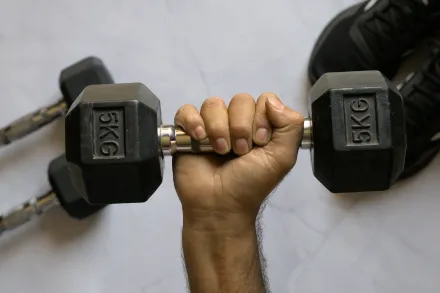
Weightlifting offers a path to greater strength, better athletic performance, and improved functional capacity, but it also carries responsibilities. The essence of safe lifting lies not in chasing heavy numbers alone but in building a resilient movement base. Practitioners who prioritize technique, awareness, and gradual demand increase reduce the risk of injury and create lasting gains. This article explores a comprehensive approach to safe weightlifting techniques, intertwining biomechanical principles, practical cues, and daily habits that support sustainable progress. By focusing on body awareness, controlled progressions, and thoughtful preparation, lifters of all levels can train with confidence while maximizing performance and longevity. The guidance presented here is designed to be adaptable, so readers can apply it to a wide range of routines, lifting styles, and personal goals while maintaining a safety-first mindset across sessions.
Preparation and Warm-Up
A well structured warm up sets the stage for every lift by priming the nervous system, increasing joint temperatures, and enhancing tissue elasticity. A thoughtful preparation sequence begins with light aerobic work to raise heart rate and blood flow, followed by dynamic mobility that targets the hips, ankles, thoracic spine, shoulders, and wrists. Mobility work should resemble the patterns used in the upcoming session, progressing from general to specific, and it should emphasize regions that commonly limit performance in the lifts being performed. For example, a lower body day benefits from controlled hip circles, dynamic leg swings, and ankle dorsiflexion drills that improve depth and shin angle. A dedicated warm up for the spine and scapular region, including thoracic rotations and band assisted rows, helps establish a stable platform for heavier loads. Preparing the nervous system with light sets of the forthcoming movement pattern activates motor pathways and reduces muscular guard that can impede technique. In addition to mobility, a progressive loading ramp that starts with empty bars or light dumbbells and gradually increases load over several minutes allows the joints and muscles to adapt to impending demands. The intent of the warm up is not fatigue but readiness; a well executed warm up fosters better technique, reduces the likelihood of early onset fatigue, and sets a tone of mindful effort that carries into the main work of the session.
Posture and Alignment
Fundamental safety begins with posture and alignment that stay consistent across different lifts. Neutral spine means maintaining a natural curve in the cervical, thoracic, and lumbar regions, avoiding excessive rounding or arching during demanding portions of a lift. Feet are typically planted with a stable base, the weight distributed through the midfoot, and the knees tracking in line with the toes. Shoulder blades should be retracted and gently depressed, creating a stable platform for the bar or implement to rest upon or move away from. The rib cage should remain over the pelvis without flaring excessively, and the core must engage to brace the torso against the forces produced by the lift. Maintaining a consistent height and torso angle helps preserve the intended bar path and reduces shear forces on the spine. Practitioners often benefit from checking alignment at key checkpoints during repetitions, such as just before initiating a lift, at the midpoint, and as the movement concludes, to catch drift in form early and make timely corrections that protect joints and connective tissue over time.
Breathing and Bracing
Breathing and bracing are the invisible pillars of safe lifting. A purposeful breath pattern involves diaphragmatic breathing to expand the abdomen and create intra abdominal pressure that stiffens the torso, forming a stable column that resists bending moments. The braced core acts as a protective cage, enabling the spine to withstand heavy loads while allowing the limbs to transfer force efficiently. A practical cue is to inhale before the descent or setup portion of a lift and then brace as you begin the concentric or lifting phase, maintaining the brace through the challenging portion and exhaling after the hardest part is completed. For many lifters, a controlled exhale during the top portion of a lift aligns with mechanical demand, as the core can release slightly when the bar is no longer bearing maximal strain. Individuals with cardiovascular concerns or blood pressure sensitivity should consult a clinician about breath holding strategies and may favor steady breathing patterns while still applying a strong, stable brace. The balance between breath management and mechanics is nuanced, but with consistent practice, it becomes a reliable foundation for safe performance across lifts.
Choosing the Right Weight and Progressive Overload
Smart load selection is essential to avoid compensations that creep in when attempting to push beyond readiness. The idea is to move from a comfortable starting point into small, sustainable increments that reinforce technique rather than sacrificing it for short term numbers. A practical approach involves estimating an effort level that feels roughly manageable yet challenging, often described using perceptual scales rather than relying solely on absolute numbers. Micro progression, slightly increasing weight or volume every week or two, allows the nervous system and muscles to adapt without triggering dysfunctional movement patterns. Volume and intensity should be balanced so that the number of sets and reps, the weight used, and the rate of progression align with goals and recovery capacity. Logging sessions and reflecting on how each lift felt, not just how heavy it was, supports disciplined progression. When encountering stagnation, shifting emphasis to technique refinement, mobility work, or lighter interim cycles can reignite gains without compromising safety. A chain of thoughtful, incremental increases ultimately leads to a durable strength foundation that stands up to long term training stresses.
Warm-Up Routines and Specific Prep for Each Lift
Specific preparation for each lift translates general warm up principles into practical readiness. For a squat focused day, the warm up might include bodyweight squats, goblet squats with light load, and hip hinge drills, culminating in sets with the empty bar to establish bar contact and depth awareness. For the deadlift, a progression from hip hinge drills and light RDLs to a few incremental loads helps ingrain hip drive, maintain a neutral spine, and ensure a safe bar path from floor to lockout. The bench press often benefits from shoulder blade stabilization work, banded external rotation, pushups, and gradual loading of the press with a barbell or dumbbells, emphasizing scapular control and bar trajectory. The overhead press benefits from wrist and elbow mobility work, light dumbbell presses, and a progression that recruits the core without compromising overhead stability. In each case, the aim is to move through the available range of motion with control, ensuring joints track safely and the muscles involved can tolerate the load. Fine tuning for personal biomechanics, such as limb length, shoulder mobility, and hip structure, should guide the cadence and sequence of warmups while preserving the integrity of the main lift’s technique. These targeted prep routines cultivate a reliable starting point for successfully handling heavier work and pave the way for consistent progress with reduced injury risk.
Squat Technique Cues
When performing a squat, a clear set of cues helps build a safe and effective pattern. Stand with your feet about shoulder width apart, toes pointing slightly outward, and your weight distributed evenly through the feet. Maintain a tall chest and a neutral spine, with the gaze forward or slightly downward, avoiding excessive neck extension or flexion. Initiate the descent by hinging at the hips and bending the knees in unison, ensuring the knees track in line with the toes and do not collapse inward. The barbell sits securely across the upper back or in the front rack depending on the technique, and the trunk remains stacked over the pelvis as you lower. Depth should be individualized but aim for at least parallel or slightly below, provided control and stability are preserved. Drive through the midfoot to return to the starting position, keeping the core braced and the spine aligned. A steady tempo, no excessive bouncing or jerky movements, supports long term joint health and fosters consistent bar speed that translates into reliable strength gains over time. If balance becomes an issue, practice with light loads or use a box as a depth reference while building confidence in depth and control. These cues cultivate a squat that respects biomechanics, reduces shear stress, and reinforces safe joint alignment across rep schemes.
Deadlift Technique Cues
In the deadlift, the primary objective is to minimize spinal flexion while maximizing hip and knee extension through a controlled hinge. Start with the feet hip width apart, shins near the bar, and the grip just outside the knees. The back remains flat or slightly arched, with the chest up and the look forward or slightly downward to maintain neutral neck alignment. As you initiate the movement, push the floor away with your feet, engage the lats, and begin by driving the hips back rather than pulling with the arms alone. The bar travels along a close shins to thighs path, maintaining contact with the legs as long as possible to assist with stability. The bar should remain close to the body throughout the ascent to minimize lever arms and reduce shear forces on the spine. At the top, reset the core, breathe, and lower with control, repeating with attention to technique rather than sheer weight. A well performed deadlift builds posterior chain strength while safeguarding the spine through a balanced distribution of forces across joints. For lifters with restricted mobility or prior back issues, progressive regression to lighter weights or alternative hinge patterns, such as kettlebell swings or block pulls, can be valuable tools in maintaining safety while rebuilding technique and confidence.
Bench Press Technique Cues
The bench press centers on maintaining shoulder integrity while pressing with a stable trunk. A proper setup includes retracting the scapulae firmly against the bench to create a solid platform, gripping the bar with hands slightly wider than shoulder width, and keeping the wrists in a neutral position. The feet stay planted and the lower back remains in contact with the bench, providing a strong arch without excessive hyperextension. As you lower the bar toward the chest, keep the elbows tucked 45 degrees from the torso to protect the shoulders and create a safe pressing angle. Touch the chest lightly and press the bar upward in a controlled arc, avoiding bounce or flare of the elbows. Exhale during the pressing portion while maintaining the brace and steady ribcage position. The bar should travel in a vertical or slightly arc path, finishing with the wrists stacked over the elbows and the shoulders retracted. If at any point the drift of the bar or shoulder discomfort arises, reduce weight and reassess grip width, scapular position, and leg drive, ensuring that the entire kinetic chain contributes to the lift. Consistent application of these cues helps preserve shoulder health while enabling solid pressing performance over many cycles of training.
Overhead Press Technique Cues
The overhead press demands a stable core, an upright torso, and precise scapular control. Begin with feet shoulder width apart, bar or dumbbells at chest height, and elbows directly under the wrists. Brace the core with a firm breath, keep the ribcage contained, and press upward, maintaining a slight forward torso lean to keep the spine aligned. The bar path should be vertical or slightly forward while staying in front of the face as weight rises, avoiding excessive backward lean that can compromise balance. The wrists remain neutral, and the grip should be secure but not overly tight. Lower with control to the starting position, maintaining the brace and avoiding flaring the ribs or shrugging the shoulders. For many lifters, incorporating light band resistance and scapular retraction exercises can improve stability and reduce the risk of impingement over time. Focus on smooth, deliberate movement rather than chasing heavy loads, and gradually increase intensity as technique becomes consistently solid and pain free. A well executed overhead press builds shoulder strength and upper body resilience while keeping joints safe through consistent practice and mindful load management.
Rows and Pulls Cues
Rowing patterns emphasize pulling the shoulder blades back and down, maintaining a strong torso position, and moving the weight along a controlled path. Whether performing a bent over row, barbell row, or dumbbell row, start with a hinge at the hips, maintain a neutral spine, and avoid excessive rounding of the upper back. The grip should be secure, with the elbow traveling toward the hip in a smooth arc rather than flaring out. The bar or dumbbell should travel through a modest range of motion that emphasizes scapular retraction and lat engagement; avoid jerky pulls or excessive momentum that shifts stress away from the targeted muscles. Breathing should be steady, with a deliberate inhale during the set up and a controlled exhale as you row toward the torso. Lower the weight with control to complete each repetition, and ensure the spine does not drift into a rounded position during the eccentric phase. Effective rowing reinforces upper back strength, fosters posture, and supports healthier push movements by balancing shoulder girdle development. For those with limited shoulder mobility, using lighter loads, shorter ROM, and tempo variations can protect the joints while still delivering meaningful training stimulus.
Equipment and Environment for Safety
The environment and equipment surrounding lifting can dramatically influence safety. Wearing appropriate footwear with a flat, stable sole helps establish a solid base, while heel elevation should be minimal unless specific lifts demand it for mobility reasons. A well maintained lifting platform or sturdy floor surface reduces the risk of slips and distributes force evenly. Using collars on barbells prevents plates from shifting during heavy sets, preserving balance and control. A lifting belt is a tool that can aid bracing during heavy lifts when used judiciously and not as a substitute for core strength. Wrist wraps, knee sleeves, and chalk are optional aids that some lifters find beneficial, but they should not replace proper technique, mobility, or progressive loading. The training area should be free of clutter, with a clear path for access to racks, benches, and mirrors that help monitor form. Lighting, ventilation, and appropriate scheduling to avoid fatigue are also practical considerations that influence performance and safety. Creating and maintaining an organized, dedicated space for lifting reinforces a disciplined approach to training safety and effectiveness.
Spotting and Training Partners
Spotting is a safety practice that complements solid technique and prudent load management. The presence of a spotter can be crucial for lifts performed at maximal or near maximal loads, particularly bench press and overhead movements. A spotter should understand the lift, be attentive, and be positioned to assist without interfering with the lifter’s technique. Communication before and during the lift is essential so the lifter can request help if needed and the spotter can intervene promptly in the event of form breakdown or fatigue. Spotting guidelines include providing a secure grip or ready support at the bar, maintaining a stable stance, and ensuring that the lifter has full range of motion without obstacles in the path of the bar. For lifts that require less direct spotting, the use of safety pins, catch bars, or racks provides a mechanical safety net that works in tandem with personal technique. Training with a partner who values safety and ongoing communication fosters an environment where technique is refined, fatigue is managed, and the risk of catastrophic failure is reduced. A cooperative training dynamic can greatly enhance confidence and long term consistency in lifting practice.
Common Mistakes and How to Correct Them
Many lifters encounter common movement faults that compromise safety and progress. Rounding the back during pulling movements places excessive stress on the spine and can lead to injury over time, so maintaining a neutral or slightly arched spine is critical. Allowing knees to cave inward during squats or deadlifts creates unequal loading and jeopardizes joint health, which is why cueing knee tracking and hip engagement is important. A tendency to lift with the lower back rather than the hips and legs shifts the work away from the larger, more resilient muscles toward smaller spinal structures, increasing injury risk. Sloppy bar paths, bouncing at the bottom of a lift, or excessive use of momentum interrupts the transfer of force through the kinetic chain and undermines strength development. Breathing patterns that involve breath-holding without purpose or poor rib cage control can create dangerous pressure fluctuations and instability. By identifying these patterns early and implementing corrective cues—such as scinking through a refined setup, consciously maintaining midfoot contact, and practicing tempo variations—lifters can sustain progress while protecting joints and connective tissue. Consistent video review, feedback from a coach, and mindful practice in lighter loads are effective strategies to correct these tendencies and establish a robust, injury resistant technique across all lifts.
Recovery, Mobility, and Injury Prevention
Recovery is not a luxury but a core element of safe lifting. Adequate sleep, balanced nutrition, and hydration support the body’s capacity to repair tissues, regulate hormones, and sustain performance. Muscles and tendons adapt best when there is sufficient rest between higher intensity sessions, so programming should include planned deload periods and variation in training loads. Mobility work that emphasizes hip, thoracic spine, ankle, and shoulder ranges enhances technique by reducing compensations and enabling more optimal positions for different lifts. Regular self myofascial release, gentle mobility sequences, and dynamic stretching can help maintain tissue quality and joint health, provided they are used judiciously and not as a substitute for progressive loading challenges. Listening to the body is essential; pain that persists beyond typical soreness, sharp discomfort during a lift, or unexpected instability warrants a pause, assessment, and professional consultation if needed. A thoughtful recovery strategy pairs volume management with mobility and technique refinement, creating a sustainable environment for gains that endure beyond a single training cycle.
Programming, Progression, and Safety Culture
A safety oriented training mindset blends sound programming with disciplined execution. Structured programs that balance intensity, volume, and frequency promote consistent progress while reducing the likelihood of overtraining and technique breakdown. Regular deloads, planned variations in movement patterns, and cycles dedicated to technique refinement help preserve technique under fatigue and maintain safe practice across months and years. Emphasizing education and self awareness, lifters should cultivate a culture of safety by documenting training cues, tracking form quality, and seeking feedback from qualified coaches when possible. A strong safety culture also means recognizing personal limits, choosing appropriate footwear and equipment, and adjusting loads in response to fatigue, injury history, or life stressors. The goal is to build a durable foundation that accommodates growth, adapts to individual differences, and supports a long, injury free lifting journey. By combining gradual progression with consistent technique checks, lifters can realize meaningful gains without compromising safety or long term health.
Mindset, Discipline, and Practical Application
The intangible aspect of safe lifting often rests on mindset. A disciplined approach to training requires humility, patience, and a willingness to adjust plans when form deteriorates or pain arises. Visualizing a lift before attempting it, staying present during each rep, and maintaining a calm, controlled pace help preserve technique under pressure. Lifters who blend mental focus with physical readiness tend to perform more consistently and sustain safe patterns across sessions. The practical application of these principles involves aligning training choices with personal goals, experience level, and available resources. When uncertain, opting for lighter weights, more controlled tempo, and additional mobility work is a prudent path. Building a reliable, repeatable technique that moves with confidence yields dividends over time, as consistent adherence to safety cues translates into robust strength gains, healthier joints, and a more enjoyable training experience that can endure the test of years.
As you continue to advance in weightlifting, remember that safety is a dynamic practice rather than a fixed rule set. Each lift offers unique demands, and minor adjustments to stance, grip, or tempo can transform a difficult movement into a more efficient and safer one. Seek feedback, record practice sessions, and stay curious about how your body responds to different cues and loading schemes. The most durable athletes are those who integrate thoughtful preparation, precise technique, mindful breathing, and responsible progression into every training session. In this way, weightlifting remains a valuable, lifelong activity that strengthens not only the body but also the habits, confidence, and mindset required to pursue excellence with responsibility.