Bodyweight training offers a robust path to strength, endurance, balance, and resilience using nothing more than the human body and gravity. It appeals to people who want flexibility, portability, and sustainability in their fitness routine, whether they live in a small apartment, travel frequently, or simply prefer workouts that require minimal gear. The core appeal lies in the ability to tailor movements to one’s current capacity while scaling up as strength, control, and confidence grow. A well designed plan emphasizes quality of movement, p...
Fitness & Physical Activity
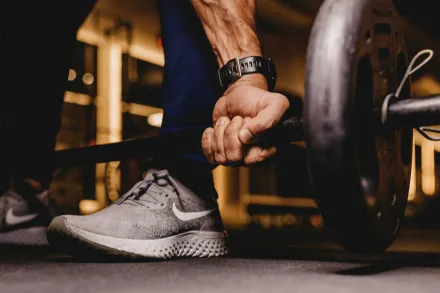

Injuries during workouts rarely happen by chance alone; they emerge when there is a mismatch between ambition and preparation, when the body is asked to perform tasks beyond its current capacity, or when warning signals are ignored. A proactive approach begins with a mindset that values durability as much as performance. This means recognizing that consistency over time requires sustainable habits, paying attention to fatigue, and treating pain as a cue rather than a nuisance to be brushed aside. Athletes and everyday exercisers alike benefit f...

Cardio, short for cardiovascular activity, encompasses a broad spectrum of movements that elevate heart rate and breathing over a sustained period. It is not limited to a single sport or activity; rather, it includes walking briskly, cycling, swimming, dancing, rowing, running, jump rope, hiking, and even certain forms of low impact movement that keep the body's largest muscle groups engaged and the circulatory system working. The significance of cardio in overall fitness lies in its capacity to train the body's ability to deliver oxygen to tis...

Interval training has moved from a niche coaching technique to a mainstream component of modern fitness programs, appealing to a broad spectrum of people who want to improve cardiovascular health, endurance, metabolic function, or simply maximize workout efficiency. At its core, interval training alternates periods of higher intensity work with periods of lower intensity work or complete rest. This simple structure yields outsized adaptations compared with steady, continuous exercise performed at a single, moderate pace. The appeal lies not onl...

Engaging in physical activity with another person has a way of transforming routine exercise into a shared experience that carries its own momentum, rhythm, and meaning. When two people commit to a workout together, the process becomes a conversation between bodies and goals, a dynamic exchange of encouragement, feedback, and synchronized effort. The benefits extend beyond the obvious gains in strength, endurance, or flexibility; they seep into the way individuals plan their days, decide what is worth prioritizing, and approach setbacks as a sh...

Balance and coordination are fundamental skills that affect nearly every aspect of daily life, from standing upright on a windy day to catching a moving ball with confident hands. They are not just the province of athletes or performers; they are attributes that can be developed and refined by anyone willing to invest time and attention. This article explores the science behind balance and coordination, explains how the body integrates sensory information, and offers a comprehensive, echoed approach to training that can be applied in homes, gym...

Posture is more than standing straight or sitting tall; it is the steady alignment of the skeleton and the coordinated action of muscles, nerves, and connective tissues that keep the body balanced during movement and at rest. When people refer to good posture, they are describing a position where the head sits comfortably over the shoulders, the spine maintains its natural curves, and the pelvis supports the torso without excessive arching or slouching. This alignment reduces unnecessary strain on joints and soft tissues, supports efficient bre...

In the evolving world of fitness, athletes and everyday movers alike increasingly turn toward full-body functional training as a practical approach that connects workouts to real life. This approach emphasizes movement patterns that require multiple joints and muscle groups to work in harmony, mirroring the way the body operates during daily tasks. When training programs focus on functional patterns rather than isolated muscles, the body learns to coordinate, stabilize, and generate force in ways that translate to increased efficiency in everyd...

Starting a journey into the gym can feel like stepping into a new world where every machine, every rep, and every cue seems tailored for someone with experience. Yet the truth is that a beginner-friendly routine is less about chasing intensity and more about creating a foundation that is sustainable, enjoyable, and safe. The purpose of this guide is to provide a coherent roadmap that helps a newcomer navigate concepts, build confidence, and establish routines that stick beyond a few weeks. You will learn how to assess your current fitness level...

Marathon training is a journey that blends endurance, strategy, and meticulous preparation into a rhythm that rewards patience as much as perseverance. The path toward a marathon distance requires more than just running a lot of miles; it demands a thoughtful alignment of volume, intensity, recovery, and mental focus. In practice this means cultivating a steady habit of training, learning how to listen to the body as it adapts, and developing a routine that fits into daily life without sacrificing health or motivation. A well designed program t...