Embarking on a journey of home based exercise opens a doorway to healthier habit formation, personal empowerment, and sustained physical resilience. The essence of an effective home workout lies not in extravagant equipment or dramatic settings but in the thoughtful organization of time, space, and intention. A well designed approach translates into consistent effort, predictable progress, and the flexibility to adapt to changing schedules and energy levels. In this comprehensive exploration, the aim is to illuminate practical strategies that e...
Fitness & Physical Activity


In modern work life the balance between productivity and movement often tilts toward staying seated for long stretches, staring at screens, and waiting for the next task to arrive. Yet the body responds to movement with a surge of energy, improved circulation, and a sharper focus that can translate into better problem solving and sustained attention. The core idea behind staying active during the workday is not to replace structured exercise but to weave gentle, practical movement into the fabric of daily tasks. This approach reduces fatigue, s...

Developing a stronger core does not mean chasing a chiseled sixpack overnight through brute force alone. It means understanding the complex system of muscles that stabilizes the spine, pelvis, and ribcage, then applying a thoughtful blend of exercises, breathing patterns, and daily habits that train those muscles in harmony. The core is a fusion of the deep stabilizers such as the transverse abdominis and multifidus, the obliques that support rotational control, the rectus abdominis that provides flexion, and the muscles of the pelvic floor and...
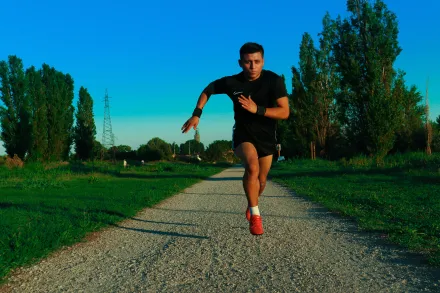
Endurance sports demand a graceful balance between physiology, psychology, and practical life management. The journey toward sustained performance requires more than a single heroic effort or a dramatic training spike. It unfolds through gradual adaptation, thoughtful planning, and a mindful approach to recovery, fueling, and the daily choices that shape how far a person can go. To train for endurance in a way that is sustainable and effective, one must cultivate patience, consistency, and an appreciation for the complex system that powers long...

A warm-up serves as the bridge between rest and peak performance, a transition that primes the body and mind for the demands of movement. It begins with elevating the core body temperature and gradually increasing blood flow to muscles, which enhances the speed of chemical reactions within cells and improves the efficiency of energy production. As heart rate rises gently, the lungs respond by delivering more oxygen to working tissues, and nerves become more excitable, which promotes better coordination and faster reflexes. This preparatory phas...
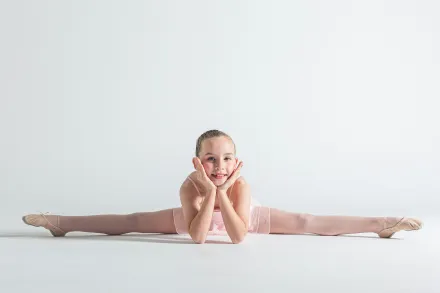
Flexibility and mobility are often used interchangeable, but they describe distinct aspects of movement. Flexibility refers to the ability of a muscle or tendon to stretch, while mobility describes how easily a joint can move through its range of motion with control. Understanding this distinction helps tailor practices for fast gains. In the realm of athletic performance and daily life, improving mobility requires addressing both the passive length of tissues and the active neuromuscular coordination that governs movement.
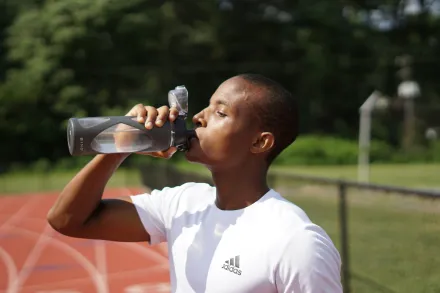
Hydration stands as a foundational pillar of athletic performance and everyday physical capability because water is the medium through which most physiological processes operate. When you move, your body relies on plasma volume to deliver oxygen and nutrients to working muscles, regulate temperature, and support the recovery processes that begin long after you finish. The act of sweating, a key cooling mechanism, consumes body fluids and electrolytes, and this loss is not merely a matter of thirst but a real shift in the delicate balance that k...

Entering a gym for the first time or starting a new workout routine after a long pause can feel daunting, yet the process itself is a carefully paced journey toward healthier habits and practical strength. A beginner friendly plan is not about chasing intensity from day one, but about building a reliable foundation where every movement earns its place through proper form, awareness, and consistency. The aim is to foster confidence and reduce injury risk while gradually expanding capabilities. In this guide you will find a coherent approach that...
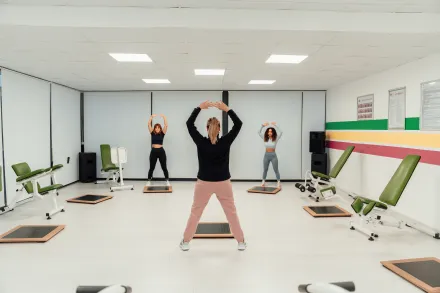
Functional movements are fundamental actions that humans perform daily and in sport, crafted not in isolation but as integrated patterns that coordinate multiple joints, muscles, and sensory systems. They involve bending, twisting, lifting, squatting, reaching, and locomoting in ways that resemble tasks such as picking up a child, carrying a sack of groceries, getting in and out of a chair, climbing stairs, or stepping over a curb. The value of training around these patterns lies in the transfer of skill across contexts: the strength and mobili...
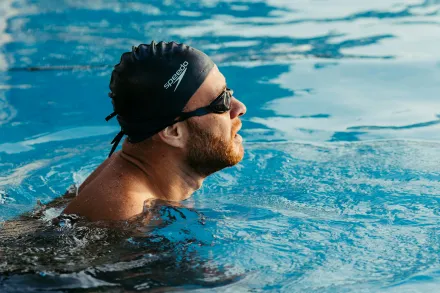
Developing endurance in swimming begins with building a strong and steady aerobic base that can support prolonged effort without excessive fatigue. The body learns to use oxygen more efficiently, the heart becomes more capable of delivering blood to working muscles, and the muscles adapt to sustained motion through gradual exposure. In practical terms this means spending a good portion of training time at an easy, conversational pace where breathing is unstrained, muscle fatigue is minimal, and technique can be maintained without distraction. A...