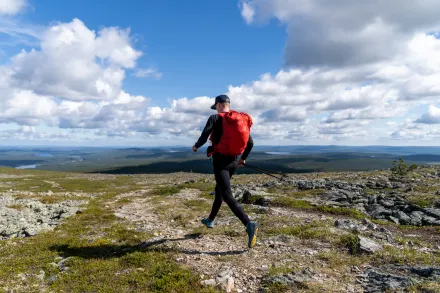
Introduction to Hiking as a Path to Fitness
Hiking is more than a casual stroll through trees and foothills; it is a dynamic form of movement that blends endurance, strength, balance, and mobility with the restorative effects of nature. When a person steps onto a trail, the body engages with a variety of stimuli: varying terrain challenges joints and muscles, lungs work to supply oxygen as heart rate rises, and the nervous system coordinates foot placement and rhythm. This unique combination makes hiking accessible to a wide range of fitness levels while still offering meaningful improvements in physical capacity. The journey along a winding path can feel less intimidating than repetitive workouts inside a gym, yet the body responds with tangible gains that accumulate over weeks and months.
Beyond the raw mechanics of motion, hiking fosters a sustainable mindset that supports long-term health. The outdoor setting provides sensory richness that enhances mood, focus, and motivation, turning workouts into experiences that people want to repeat. The gentle cadence of walking can serve as a moving meditation, allowing the breath to synchronize with steps and encouraging patience with gradual progress. As a form of exercise, hiking invites consistent effort because it can be scaled to fit personal goals, from short, easy loops to extended, rugged expeditions. In this sense, hiking becomes not merely an activity but a practical pathway to improved physical fitness and ongoing well-being.
Cardiovascular Benefits
The cardiovascular system benefits significantly from regular hiking as the heart becomes more efficient at delivering oxygen-rich blood to working muscles. On gentle trails, the body operates within a steady aerobic zone that supports fat metabolism and improves endurance, while steeper sections provoke higher intensity bursts that strengthen cardiac output and lung capacity. Over time, the heart muscle adapts to handle greater workloads with lower resting pulse rates, and the lungs increase their ability to exchange gases efficiently. The cumulative effect is a higher threshold for sustained effort and a greater reserve of energy available for daily activities and exercise sessions.
During longer hikes, the body learns to pace itself, distributing effort to maximize endurance without overreaching. This pacing is crucial for sustainable fitness gains because it reduces the likelihood of burnout and injury, enabling more frequent workouts and steadier progression. The cardiovascular gains from hiking are complemented by improvements in circulation, which helps nourish muscles and remove metabolic byproducts more effectively. With consistent practice, even moderate terrain can yield measurable improvements in cardiovascular markers that translate into everyday vitality, reduced fatigue, and the ability to tackle tasks that once felt daunting.
Muscle Engagement and Strength
Hiking recruits a broad spectrum of muscles across the legs, hips, and core, fostering balanced strength rather than the isolated growth seen in some gym routines. The major muscle groups involved include the calves, quadriceps, hamstrings, glutes, and the muscles around the hips that stabilize the pelvis during uneven terrain. The stabilizing demands of stepping over roots, negotiating loose gravel, and maintaining posture on a slope engage the small, often underutilized muscles that contribute to joint stability and efficient movement. This integrated approach to strength supports improved functional capacity for daily activities such as climbing stairs, carrying groceries, or lifting objects.
When hiking with trekking poles, the upper body also participates more actively, engaging the shoulders, chest, back, and arms. Poles can reduce joint load on the hips and knees by distributing some of the work upward, while simultaneously enhancing propulsion and balance on technical sections. This combination of lower-body strength with upper-body engagement promotes a more comprehensive muscular development, which in turn contributes to better overall endurance and resilience. Progressive hikes—adding distance, elevation, or more technical terrain over time—continue to challenge muscles in new ways, supporting ongoing gains in strength and muscular endurance.
Bone Health and Joint Safety
Weight-bearing activities like hiking have a notable positive impact on bone health by stimulating bone formation and maintenance through repetitive mechanical loading. When the body bears weight and adapts to varying loads on different terrains, bone mineral density can improve or be preserved, which helps reduce the risk of osteoporosis in later life. The multi-planar nature of hiking—moving up, down, and across uneven surfaces—also promotes bone remodeling in ways that flat walking cannot, contributing to stronger skeletal strength and better overall resilience. This bone-stimulating effect is particularly valuable for active individuals who want to maintain mobility as they age.
Joint health benefits accompany bone adaptations, as hiking strengthens the muscles that support joints and enhances synovial lubrication through movement. The combined effect of improved muscle balance, proprioception, and range of motion supports healthier knees, ankles, hips, and the spine. By gradually increasing elevation and distance, hikers can build tolerance to impact and improve cartilage function, which translates into reduced joint stiffness and a greater sense of freedom during daily activities. Although care is essential on rough terrain, the long-term impact of regular hiking on joints tends to be favorable when paired with proper footwear, sensible progression, and adequate recovery.
Weight Management and Metabolic Health
Weight management often sits at the heart of physical fitness, and hiking offers a practical means to support energy balance without the monotony of conventional workouts. The energy cost of hiking depends on terrain, pace, body weight, and elevation, but even moderate hikes can burn a meaningful number of calories over a given session. Consistent hiking helps create a sustainable energy deficit or balance, depending on individual goals, which can contribute to fat loss or improved body composition. In addition to calorie expenditure, the activity positively influences metabolic processes by improving insulin sensitivity and promoting better glucose handling, especially when paired with other healthy lifestyle habits.
Over the long term, regular hiking can support metabolic flexibility, enabling the body to switch efficiently between fuel sources such as fat and carbohydrate, depending on the intensity and duration of activity. This adaptability is a cornerstone of robust metabolic health and can contribute to better appetite regulation, more stable energy levels throughout the day, and a healthier distribution of body fat. The social and psychological benefits of hiking often reinforce adherence to a fitness plan, which, in turn, sustains metabolic improvements earned through consistent activity.
Balance, Coordination, and Proprioception
Uneven terrain demands precise footwork, careful weight transfer, and continuous adjustments to maintain balance. Hiking strengthens the neuromuscular system by challenging proprioception—the body's sense of position in space. As one learns to anticipate shifts in ground, step over roots, and compensate for slick surfaces, balance improves, reducing the risk of falls in daily life and in sports activities. A well-tuned sense of balance also enhances performance in other workouts and activities, enabling quicker responses and more efficient movement patterns that protect joints and connective tissues from injury.
The progressive nature of trails—from smooth paths to rocky ascents—provides a natural cadence for balance training. Beginners may start on even surfaces to build confidence, gradually incorporating steeper grades and technical sections as confidence grows. This approach supports a safe and sustainable advancement in coordination, helping people of all ages maintain independence and mobility while expanding their physical capabilities. The cognitive demand of choosing secure stepping places and maintaining rhythm further reinforces learning and engagement with the activity.
Endurance, Pace, and Long-Term Consistency
Endurance in hiking emerges from the body’s ability to sustain activity across extended periods while managing fatigue. The pace on a trail is influenced by elevation, weather, terrain, and personal conditioning, yet over time, walkers develop a more economical gait and a better distribution of effort. Endurance is built not only through longer distances but also through gradual elevation gains and recurring exposures to challenging sections that push the body to adapt. Regularly committing to longer or more varied hikes helps expand aerobic capacity and increases the time one can maintain steady performance before the onset of noticeable fatigue.
Consistency is the engine of progress in hiking-based fitness. Rather than chasing dramatic short-term gains, steady, progressive exposure leads to durable improvements. The beauty of hiking lies in its flexibility: one week might feature a brisk, shorter loop, while another week could include a longer ascent with steeper grades. The capacity to modulate volume and intensity makes it possible to align training with life demands, recovery needs, and seasonal changes, sustaining progressive development without overwhelming the body. This adaptability supports long-term adherence, a key predictor of lasting fitness outcomes.
Training Principles for Hiking
To translate hiking into meaningful fitness gains, it helps to apply fundamental training principles that guide progression and recovery. A sensible structure emphasizes gradual increases in distance, elevation, or pace, allowing the body to adapt without excessive strain. Incorporating occasional rest days and lighter weeks guards against overuse injuries and sustains motivation. Integrating complementary activities such as strength training, mobility work, and flexibility routines supports the specific demands of hiking by enhancing stability, range of motion, and muscular balance. The aim is to cultivate a resilient physique capable of handling both routine hikes and ambitious excursions.
In practice, this approach means listening to the body, noticing patterns of fatigue, and adjusting plans accordingly. It also means recognizing the value of variety: mixing flat, hilly, and technical trails within a weekly routine challenges different systems and reduces the risk of plateauing. Adequate hydration, appropriate nutrition, and sufficient sleep all amplify the effects of training by supporting recovery and energy availability. With time, the body becomes more efficient at using oxygen, stabilizing joints, and tolerating higher workloads, all of which contribute to improved physical fitness and a greater sense of competence on the trail.
Practical Guidelines for Getting Started
Starting a hiking-focused fitness journey benefits from a thoughtful approach to gear, safety, and goal setting. Selecting footwear with proper support and fit, along with moisture-wicking socks, reduces the risk of blisters and enhances comfort over longer distances. A comfortable backpack with essentials such as water, snacks, a first-aid kit, and navigation tools can turn a casual stroll into a reliable training session. Beginning hikers should opt for moderate terrain and shorter durations to build confidence and monitor how the body responds to continuous movement. Gradual progression remains the guiding principle.
Understanding trail conditions and weather expectations helps prevent unnecessary strain or exposure to unsafe situations. Planning routes in advance, informing someone about your plan, and carrying a small map or device for navigation are prudent habits. Hydration strategies evolve with experience, ensuring that fluids and electrolytes align with climate and exertion level. By focusing on consistency, proper pacing, and listening to bodily cues, beginners create a foundation that supports sustainable fitness gains and an enduring connection with the outdoors.
Incorporating Hiking into a Weekly Plan
A well-rounded week for hiking-based fitness balances effort with recovery and pairs hiking sessions with other forms of movement. For many people, multiple shorter outings spread across the week build consistency more effectively than infrequent longer trips. A typical pattern might include a couple of steady, moderate-intensity hikes on consecutive days with a lighter, mobility-focused session in between, followed by a longer, more challenging hike on a weekend. This rhythm supports progressive overload while allowing the body to adapt and repair between efforts.
Another dimension of scheduling involves seasonality and local availability. In milder months, longer weekend hikes may be feasible, while in hotter or colder periods, shorter, more frequent outings or early-morning treks can maintain training momentum. The key is to keep moving, gradually extending distance or elevation as comfort grows, and to align hiking with personal commitments so that fitness remains a reliable priority rather than a sporadic impulse. Through consistent practice, the body becomes adept at sustaining effort across diverse environments.
Terrain and Gear Considerations
Trail variety shapes the training stimulus and the adaptation process, making terrain choice a strategic lever in a hiking program. Forest paths with gentle slopes offer a low-impact entry point that still elevates heart rate and engages stabilizing muscles, while desert or alpine routes demand greater heat tolerance, endurance, and balance. On technical sections with loose rock or roots, proprioception and foot placement become essential, which further strengthens lower-leg muscles and improves coordination. Gear choices should match terrain complexity, with sturdy footwear, moisture management, and layered clothing that can adapt to changing conditions.
Trekking poles are valuable accessories for many hikers, particularly on long climbs or steep descents. They distribute some load away from the spine and joints, enhance propulsion on uphill segments, and provide added stability on uneven surfaces. However, they are not mandatory; the body can progress effectively through consistent practice with or without poles. Regardless of equipment, prioritizing fit, comfort, and safety is crucial. Understanding the trail ahead, checking weather forecasts, and carrying essentials for navigation, hydration, and emergency situations contribute to a positive training experience and reduces risk during longer expeditions.
Special Populations and Adaptations
People with different needs can still benefit greatly from hiking, provided that plans are tailored to their abilities and medical considerations. Older adults may prioritize stability and joint health, selecting flatter, well-maintained paths and gradually increasing intensity as tolerated. Individuals recovering from injuries should focus on controlled movements, proper technique, and professional guidance to avoid setbacks while rebuilding strength and endurance. Those with chronic conditions can often participate with medical clearance and sensible pacing, recognizing that even shorter, slower trips contribute to fitness over time. The universal theme is gradual progression and attentiveness to body signals.
Adaptation also extends to environmental factors. Heat, cold, altitude, and humidity all influence how the body responds to hiking, so adjustments to duration, pace, hydration, and gear are essential for safety and effectiveness. In every case, the objective remains consistent: to nurture a sustainable habit that improves physical capacity while respecting individual limits. Inclusive approaches that honor pace, preference for certain terrains, and personal goals support long-term engagement and make hiking a reliable vehicle for fitness across diverse populations.
Hiking as a Social and Community-Based Activity
Sharing hiking experiences with others adds a social dimension that can reinforce commitment and enjoyment. Group hikes provide accountability, camaraderie, and mutual encouragement, which help individuals sustain challenging routines and push through occasional plateaus. Family-friendly routes make physical activity a shared value, while clubs or community organizations offer guidance, safety, and variety in route selection. The social aspect of hiking often translates into more consistent training, as participants look forward to the next outing, exchange route ideas, and celebrate personal milestones together.
Social hiking also facilitates knowledge sharing about gear, safety practices, and route planning, enriching the overall experience. New hikers can learn from seasoned trekkers about pacing, layering, hydration strategies, and how to manage different elevations. This exchange fosters confidence and resilience, enabling people to explore longer and more diverse trails in a supportive environment. The combination of physical challenge and social connection creates a powerful motivational loop that sustains fitness gains and fosters a sense of belonging within a broader outdoor community.
Long-Term Health and Fitness Outcomes
The sustained practice of hiking contributes to meaningful, long-term health and fitness outcomes that extend beyond the gym. Regular exposure to varied terrain strengthens muscles, bones, and joints while enhancing metabolic efficiency and cardiovascular resilience. Over time, hikers often experience improved energy, better sleep quality, and a greater capacity to enjoy daily activities without fatigue. The cumulative benefits of consistent hiking can translate into a higher quality of life, greater independence with age, and a reduced risk of chronic conditions such as cardiovascular disease, type 2 diabetes, and certain musculoskeletal disorders.
Moreover, hiking cultivates adaptive physical literacy, where individuals learn to read their bodies, understand recovery needs, and adjust training in response to weather, illness, or schedule changes. This adaptive mindset supports lifelong engagement with physical activity, making fitness sustainable across life's transitions. The rhythm of seasons, the variety of trails, and the evolving mastery of technique create a durable framework for maintaining fitness, resilience, and mobility well into later years. Through this ongoing relationship with movement and nature, hiking becomes more than a workout; it becomes a lifestyle that nurtures the body and sustains vitality.
Common Challenges and How to Overcome Them
Every hiking journey encounters obstacles, from weather shifts to time constraints and plateaus in progress. Fatigue can appear during longer ascents, while sore feet or blisters can dampen enthusiasm. Smart preparation helps, including gradual progression, proper footwear, and a routine that respects rest and recovery. When motivation wanes, varying routes, inviting friends on the trail, or setting gentle, achievable targets can rekindle enthusiasm. Weather concerns can be managed with layered clothing, sun protection, and flexible scheduling to avoid extreme conditions. By anticipating difficulties and approaching them with practical strategies, hikers stay on track and continue to progress.
Injury prevention is another important consideration, especially for new hikers or those returning after a break. Building foot and ankle resilience through mobility work and strength training reduces the likelihood of strains on uneven ground. Listening to pain signals and giving the body time to adapt prevents minor issues from becoming major setbacks. Effective recovery practices, including hydration, nutrition, sleep, and easy days between challenging hikes, support ongoing improvement and keep the body ready for the next adventure. With thoughtful planning and patience, challenges transform into opportunities for growth and deeper resilience.
Ultimately, hiking offers a holistic pathway to physical fitness that respects the body's need for rest, adapts to individual goals, and embraces the wisdom of nature. By combining cardiovascular work, muscular development, bone and joint health, metabolic balance, balance training, and mental well-being, hiking builds a robust foundation for lifelong fitness. The journey is not about perfection or rapid transformation; it is about consistency, gradual progression, and a sustained curiosity about the trails. As skills mature and distances extend, the body becomes more capable, flexible, and confident in its ability to move well in a changing world.