In many homes, staying active is not merely a pastime but a pathway to healthier bodies, clearer minds, and closer family ties. When movement becomes woven into daily life, kids grow up with confidence to try new activities, and adults rediscover the joy of play alongside their children. The aim is not to push toward extreme performance but to cultivate sustainable routines that honor different energy levels, abilities, and schedules. This article shares a broad set of ideas and perspectives designed to help families design movement that feels natural, enjoyable, and rewarding for everyone involved. By exploring practical strategies, flexible activities, and supportive mindsets, families can transform ordinary hours into opportunities for movement, learning, and shared success.
The Value of Moving Together: Why Activity Matters
Active living within a family creates a shared language of movement that extends beyond recreation. Physical activity promotes stronger muscles and bones, better cardiovascular health, improved balance, and heightened stamina, which in turn supports everyday tasks at home and in school. Equally important are the mental health benefits: regular movement can reduce stress, boost mood, sharpen focus, and foster resilience when challenges arise. Beyond the body and mind, moving together strengthens relationships, builds trust, and teaches kids that effort can be enjoyable when it is done with others who care about them. When parents participate, children see movement as a meaningful, nonpunitive form of self-care rather than a chore. The result is a family culture where activity feels natural, inclusive, and inviting rather than optional or forced.
Creating a Daily Rhythm That Makes Movement Normal
A practical foundation for staying active is embedding movement into the daily rhythm in ways that suit the family’s life. This means weaving short bursts of activity into morning routines, after-school periods, mealtimes, and evenings, so movement becomes the expected tempo rather than a special event. The key is consistency and flexibility: a routine might include a brisk neighborhood walk after school, a quick dance session before dinner, or a family stroll with the dog after chores are done. The emphasis should be on accessibility and enjoyment, allowing kids to pick activities that match their interests on any given day. When movement is presented as a natural part of the day, resistance tends to fade, and participation becomes a shared habit rather than a forced obligation.
Safe and Enjoyable Outdoor Play for All Ages
Outdoor spaces offer abundant opportunities for exploration, challenge, and social connection, but safety and comfort are essential. Dressing for the weather, wearing sunscreen when necessary, staying hydrated, and choosing age-appropriate surfaces and activities are important foundations. For younger children, simple playground time with imaginative, unstructured play helps build motor skills and confidence; for older kids, more dynamic activities such as cycling, hiking, or neighborhood scavenger hunts can be introduced with clear boundaries and supervision. Parents can encourage risk through guided exposure—letting children test limits within a secure framework—so they learn how to assess footing, judge speed, and adapt to changing conditions. With thoughtful planning, outdoor play becomes a reliable, enjoyable anchor in a busy week.
Indoor Activity Ideas When Weather Keeps You Inside
When the weather keeps you indoors, movement can still flourish inside the home. A living space can transform into a mini gym or a playful arena with a few simple adaptations. Clear some room for a gentle obstacle course using cushions, tape on the floor to mark paths, and chairs as safe barriers, then invite children to navigate the course with balance and creativity. Dance parties with favorite music can raise heart rates quickly while lifting spirits and sharing laughter. Active chores, such as tidying up the play area with speed and precision, can be framed as playful competition or cooperative missions. Even short bursts of movement during commercial breaks can add up to meaningful activity over a day, so long as the focus remains on joy, safety, and inclusivity.
Age-Specific Ideas for Toddlers and Preschoolers
Young children thrive on movement that blends play with exploration. Activities that incorporate running, jumping, climbing, and imaginative play support gross motor development and spatial awareness. Simple games like following a color-coded path, pretending to be animals, or racing to a target can be crafted into a gentle workout that also strengthens social skills and language development. For toddlers, shorter bursts of activity with frequent breaks align with their shorter attention spans and higher energy fluctuations. For preschoolers, structured but playful routines—such as a short circuit of mini-challenges that emphasize balance, agility, and coordination—help nurture perseverance while keeping the experience lighthearted and fun. The aim is to honor curiosity and celebrate small achievements along the way.
Active Play for School-Age Children and Early Teens
As children grow, their interests diversify and their stamina expands, offering opportunities for more varied movement. Family bike rides along safe routes, neighborhood walks that reveal plants and birds, or trips to a park for friendly, low-pressure games can become cherished rituals. Participation in community sports or club activities can complement family time, providing social development, skill-building, and a sense of belonging. Even when children pursue individual efforts, family members can stay connected by sharing goals, celebrating improvements, and offering encouragement. The overarching principle is respect for personal autonomy while maintaining a shared commitment to regular activity that feels meaningful, enjoyable, and inclusive.
Safety and Injury Prevention for Active Families
A practical approach to safety blends preparation with ongoing attentiveness. Wearing appropriate protective gear, such as helmets for cycling or scooters and pads for skating, reduces the risk of common injuries. Checking equipment for wear, selecting surfaces that absorb impact, and ensuring supervision tailored to a child’s age and abilities contribute to a safer experience. Hydration, proper warm-up and cool-down routines, and attention to heat, cold, or fatigue help prevent overexertion. Parents can model safe decisions by choosing activities that match the child’s skill level and gradually increasing complexity as confidence grows. Encouraging kids to listen to their bodies and to communicate discomfort fosters a culture where safety and enjoyment go hand in hand.
Adapting Activities for All Abilities
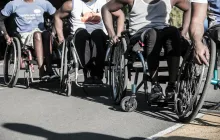
Inclusivity in movement means recognizing and honoring different bodies, capabilities, and goals. Activities can be adjusted to accommodate physical differences, sensory needs, or developmental variations, while preserving the sense of fun and achievement. Simple modifications—altering the height of a target, providing support for balance, or offering a choice between options with different levels of challenge—help ensure that every child can participate. The aim is to cultivate a sense of belonging and competence rather than comparison, so children learn that movement is for everyone, regardless of pace or ability. Families can broaden participation by collaborating with caregivers, therapists, or community programs to discover adaptable activities that align with each child’s strengths.
Organization, Space, and Simple Gear That Encourages Movement
A well-organized space and thoughtful equipment can lower barriers to activity. Designating a safe, open area in the home for movement, ensuring clear pathways, and storing gear in accessible places invites spontaneous activity rather than turning movement into a chore. Lightweight gear such as soft balls, jump ropes, and mats can be integrated into daily routines with minimal setup. Parents can model tidy habits and encourage children to contribute to the organization, turning preparation into a collaborative activity that reinforces responsibility and anticipation for movement. By keeping essentials ready and approachable, families are more likely to seize moments of energy and convert them into meaningful, ongoing practice.
Connecting With Community Resources
Local parks, recreation centers, after-school programs, and community sport leagues provide additional avenues for active living that complement family routines. Exploring these resources fosters social connections, exposes children to diverse activities, and broadens the sense of possibility. Parents can start with a single visit to a park or a trial class to gauge fit and enthusiasm, then gradually integrate community options into the family calendar. When families align private time for movement with public opportunities, children gain inspiration from different environments, coaches, and peers while adults benefit from supportive networks and ideas that extend beyond the home.
Seasonal Movement and Year-Round Fun
Seasonality shapes what feels appealing and practical for movement. In warmer months, park outings, swimming, and outdoor games take center stage, while cooler days welcome brisk walks, sledding, or friendly neighborhood scavenger adventures that combine exploration with aerobic effort. Spring and autumn bring opportunities to observe nature while moving through gentle terrain, and winter can invite cozy indoor dances or creative movement challenges by the fireplace. Throughout the year, flexible planning helps families adapt to weather, daylight hours, and energy levels, ensuring that movement remains a steady and enjoyable aspect of daily life rather than a seasonal novelty.
Balancing Screen Time and Movement
In contemporary families, screens are often a part of daily life, but movement and digital time can sit in a healthy, intentional balance. Setting clear expectations around screen use and pairing sedentary time with active alternatives helps prevent energy slumps and supports better sleep, mood, and attention. Families may choose to designate movement-promoting transitions, such as walking to a nearby store instead of driving, or turning screen time into a shared interactive experience that requires physical engagement. The objective is not deprivation but thoughtful alignment: activities that invite participation and shared joy, while technology remains a resource rather than a constant draw.
Mindful Movement for Family Well-Being
Beyond cardio and strength, mindful movement emphasizes body awareness, breath, and posture. Gentle stretching, simple yoga poses, or slow-flow routines can be accessible to children of different ages and capabilities, promoting relaxation, resilience, and emotional regulation. When families practice mindfulness alongside physical activity, movement becomes a tool for grounding, problem-solving, and connection. Kids learn to observe how their bodies feel, notice tension, and release it with intentional breathing. Parents can model patient, curious engagement with their own bodies, reinforcing the message that movement supports both physical vitality and inner calm.
Motivation and Habit Formation for Long-Term Engagement
Sustaining interest in movement over the long term requires balancing challenge with enjoyment and offering meaningful choices. Kids are more likely to stay engaged when they feel ownership over their activities, see progress, and experience moments of rapid success. Setting flexible goals that adapt to changing interests helps maintain momentum without creating pressure. Celebrating incremental improvements, providing encouragement, and recognizing effort as well as achievement reinforces a growth mindset. By weaving movement into fun, curiosity, and shared moments, families create durable habits that persist through changing seasons and evolving interests.
Movement in Daily Transportation and Routine Tasks
Movement can be embedded into everyday transportation and household chores in natural, low-stress ways. Cycling or walking to school or errands not only benefits fitness but also reduces environmental impact and provides time for conversation and connection. Turning routine tasks into light activity, such as racing to finish a quick tidy-up before a planned activity or choosing stairs over elevators, helps children see movement as an integral part of daily life. The emphasis stays on enjoyment and safety, ensuring that every journey, whether near or far, becomes an opportunity to move together rather than a deadline or obligation.
Active Family Meals and Hydration as a Movement Ally
Healthy eating and adequate hydration support energy levels, mood, and endurance for movement. Involving children in meal planning, grocery shopping, and simple food preparation builds practical skills and a sense of agency, while encouraging them to try new textures and flavors. Incorporating movement-friendly choices—such as cooking recipes that require vigorous stirring, kneading dough, or washing fresh produce—can align nourishment with activity. Emphasizing regular hydration, especially around physical activity, helps maintain performance, prevents dehydration, and models lifelong habits that extend beyond childhood.
Travel, Vacations, and Busy Schedules
Travel and busy periods can disrupt routine, yet they also offer novel opportunities for movement. Exploring new cities on foot, discovering local parks, or finding kid-friendly trails during a trip creates positive associations with movement and curiosity. Even compact schedules can accommodate short, enjoyable activity windows that fit between flights, meetings, or sightseeing plans. The key is planning with flexibility, keeping essentials handy, and inviting kids to contribute ideas for quick adventures they would enjoy. When movement becomes part of the travel narrative, memories form around energy and exploration rather than screens and stress.
Choosing Activities: Sports Versus Non-Sport Movement
Children’s interests vary widely, and there is value in offering both structured sports and informal movement challenges. Some kids thrive in team environments with defined rules, scoring, and social dynamics, while others prefer self-directed exploration, imaginative play, or exploratory movement without competitive pressure. Parents can cultivate a spectrum of options, allowing children to experiment with different formats, then honor their preferences. The goal is to nurture a lifelong relationship with activity, not to push a single path. When kids feel free to choose, they are more likely to stay engaged long term and carry those habits into adulthood.
Involving Siblings, Caregivers, and Friends
Movement is amplified when family and community join in. Siblings can motivate one another through playful cooperation, friendly challenges, or shared goals that are age-appropriate and fun. Caregivers can model steady participation, adaptability, and encouragement, while friends introduce social motivation and variety. Creating opportunities for group movement—such as neighborhood meetups, park days, or light active chores shared among siblings—builds accountability and reinforces that activity is a social and enjoyable experience. By cultivating supportive networks, families extend the reach and appeal of movement beyond the immediate household.
Encouraging Sleep, Recovery, and Balance
Active living sits in harmony with rest. Adequate sleep, balanced nutrition, and gentle recovery practices support improved performance, mood, and resilience. Children who are tired or overtired may resist movement or engage in less consistent activity, so aligning daily schedules to ensure restful periods is essential. Simple recovery practices such as light stretching before bed, a relaxing evening routine, or a quiet moment of mindful breathing can help transition from activity to sleep. Emphasizing balance rather than intensity helps sustain movement across weeks, months, and seasons, preserving both health and happiness for the whole family.