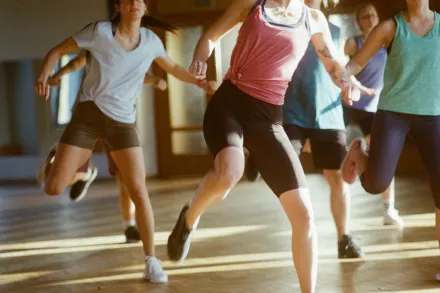
Dance based workouts offer a unique blend of physical challenge and creative expression that can transform the way people relate to fitness. When movement becomes a dialogue between the body and music, motivation shifts from counting repetitions to following a flow of steps, breath, and emotion. This shift can convert a cautious beginning into a confident habit, because rhythm provides an internal cue that keeps the body moving even when fatigue starts to press in. The experience is not merely about burning calories; it is about inviting joy in...
Fitness & Physical Activity
Understanding fat loss begins with a simple principle: to lose fat you need to create a negative energy balance while preserving muscle, strength, and metabolic health. Cardio training is an efficient tool to burn calories and increase heart efficiency, while strength work signals the body to keep or build muscle mass. The synergy between these two modalities can be tuned to your goals, schedule, and physiology. The aim is to craft a practical approach that fits daily life, not a rigid regimen that collapses under stress.

Pilates has emerged in recent decades as a disciplined approach to strengthening the body from the inside out, and at its core lies a precise engagement of the trunk that translates into steadier movement, reduced susceptibility to strain, and a more reliable platform for every other physical activity. The promise of Pilates is not a quick fix for outward appearance alone but a comprehensive method for training the neuromuscular system to coordinate breath, stability, and mobility in a way that protects the spine, supports joints, and keeps the...
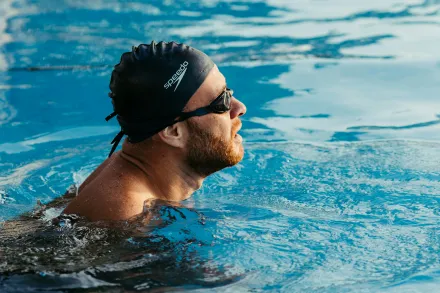
Swimming is often celebrated as an enjoyable pastime, but beneath the surface of splashes and rhythmic breaths lies a comprehensive system of physical development that engages nearly every muscle group while emphasizing balance, coordination, and mindful movement. When practiced consistently, swimming offers an integrated approach to fitness that blends cardiovascular conditioning with muscular strength, flexibility, and mental well-being. This article explores how swimming supports full-body fitness, from the mechanics of propulsion to the nua...
Joint mobility refers to the capacity of a joint to move through its available range of motion with control and without pain. It is not simply a matter of flexibility or the ability to stretch a muscle; it encompasses the coordinated function of muscles, tendons, ligaments, cartilage, joint capsules, nerves, and the brain’s sense of position. When mobility is optimized, activities of daily living become easier, athletic performance improves, and the risk of injury can be reduced. At its core mobility is a dynamic attribute that reflects how wel...
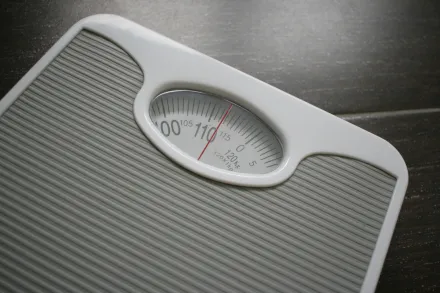
Cardiovascular exercise, commonly called cardio, refers to activities that elevate the heart rate and increase breathing for sustained periods. At its core, cardio improves the efficiency of the heart, lungs, and circulatory system, enabling more oxygen to be delivered to working muscles. This process supports sustained energy production through aerobic pathways and can contribute to a negative energy balance when integrated with an overall plan. Cardio encompasses many modalities, from brisk walking and cycling to running and swimming, each wi...

Plyometric exercises are a category of training characterized by quick, explosive movements designed to improve power, reactive strength, and neuromuscular efficiency. These drills typically involve an eccentric loading phase followed by a rapid transition to a concentric push, such as a jump after a countermovement. The underlying science emphasizes the stretch-shortening cycle, where the muscle-tendon complex stores elastic energy during the pre stretch and releases it to augment force production. The safety angle matters because the same eff...

Lower body strength is the foundation of everyday mobility, athletic performance, and long term joint health. It encompasses the ability of muscles such as the quadriceps, hamstrings, glutes, and calves to produce force, control movement, and absorb impact across a range of tasks. Strength in the hips and knees translates to stability during walking, running, stepping, and climbing stairs, while ankle and calf strength contribute to balance and propulsion. A holistic approach to building lower body strength at home recognizes that these muscles...
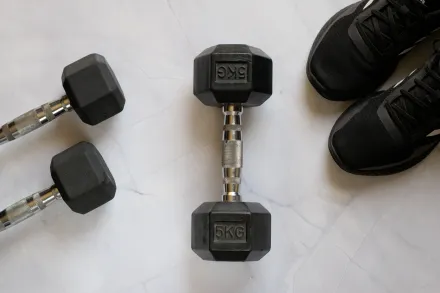
Embarking on a fitness journey is a meaningful decision that can improve energy, mood, and long-term health, but safety must remain the core guiding principle. A thoughtful approach recognizes that progress comes through consistent, gradual steps rather than dramatic, risky bursts. This article offers a comprehensive perspective on beginning a fitness program in a way that respects both physical limits and personal circumstances. It emphasizes listening to your body, understanding your starting point, and building a program that supports sustai...

Resistance bands have moved from simple rehabilitation tools into versatile, portable, and highly effective partners in many training programs. These elastic forms of resistance offer dynamic tension that changes throughout a movement, challenging muscles in ways that free weights alone sometimes do not. For someone seeking convenience, affordability, or a fresh stimulus to their routine, bands provide an accessible pathway to greater strength, mobility, and endurance without the need for a full gym setup. The core idea behind incorporating res...